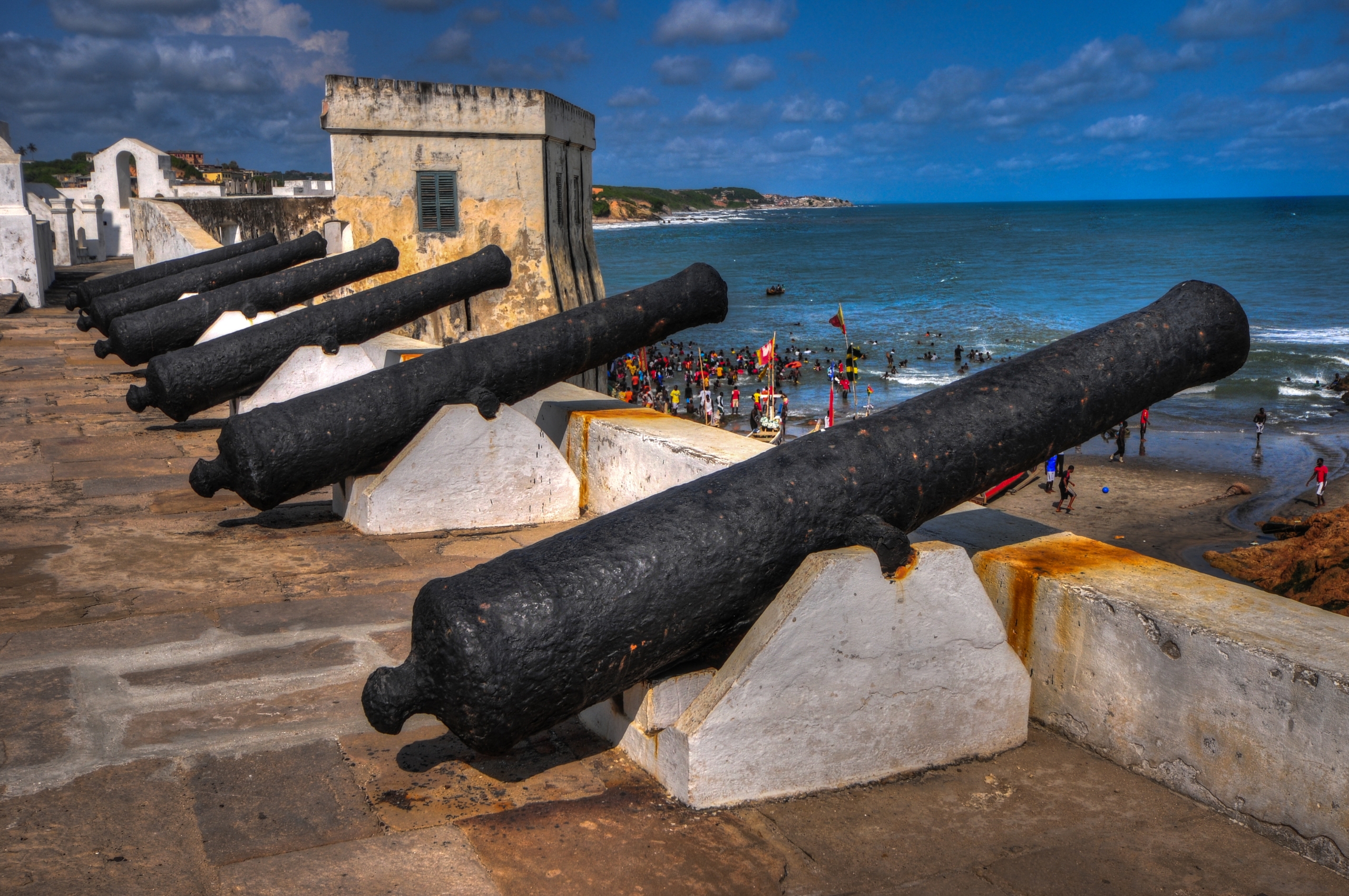
More than two centuries ago, many of the people who arrived at Cape Coast Castle, in what is now the African nation of Ghana, were not there by choice. They had been captured, displaced from the interior and confined in the dungeons of the coastal fortresses while they waited to be shipped to the Americas to be sold as slaves. For them, the ocean stretching out before the castle was not landscape or the promise of a journey: it was the frontier of a definitive rupture.
Today, before those same white walls, buses arrive, and families, school groups, researchers and travellers from Africa, Europe, the Americas and the Caribbean. Some have crossed thousands of kilometres precisely to be there. They enter the dungeons, listen to the guides, cross the courtyards and pause before the Door of No Return. Among them are descendants of enslaved Africans making a journey in exactly the opposite direction to the one that began centuries ago.
That contrast is transforming Cape Coast and much of Ghana’s central coast. Places long associated almost exclusively with the slave trade have become destinations for historical and memory tourism, but also for symbolic return, communal celebrations and encounters with cultures that never stopped living around the castles.
The transformation is more complex than turning an old fortress into a tourist attraction. What is emerging is a genuine landscape of memory, in which the Atlantic past, Fante culture, contemporary festivals, nature and the diaspora all form part of the same experience.
Following the road before reaching the sea
Cape Coast Castle is inevitably the centre of this geography. Its dungeons allow a physical encounter with a history that, reduced to numbers, can be difficult to imagine. In 2025 it received 141,523 visits, placing it among Ghana’s principal tourist attractions.
However, beginning the story there can produce a misleading impression: enslavement did not begin when captives crossed the castle’s gates.
Inland, Assin Manso recalls the routes along which men and women were led toward the coast. Near Cape Coast, Elmina Castle preserves another of the great fortified complexes associated with the Atlantic trade. Some memorial itineraries extend still further north, toward places connected with old slave routes.
To move through these spaces is to understand that the castles were the coastal end of a much larger geography of capture, transport, commerce and confinement. The coast was the last African stage, not the first.
Today that same geography can be traversed in the opposite direction. And there appears one of the most interesting phenomena in contemporary Ghanaian tourism.
For some visitors, Cape Coast is fundamentally a historical destination. For others — above all for African American, Afro-Caribbean and other diaspora travellers — visiting these places can also carry dimensions of belonging, ancestry and identity. Research conducted in Cape Coast and Elmina has pointed precisely to the importance of emotion, authenticity and relationships with host communities in this so-called roots tourism.
The city that exists outside the castle
But the most interesting experience begins when you leave the dungeons.
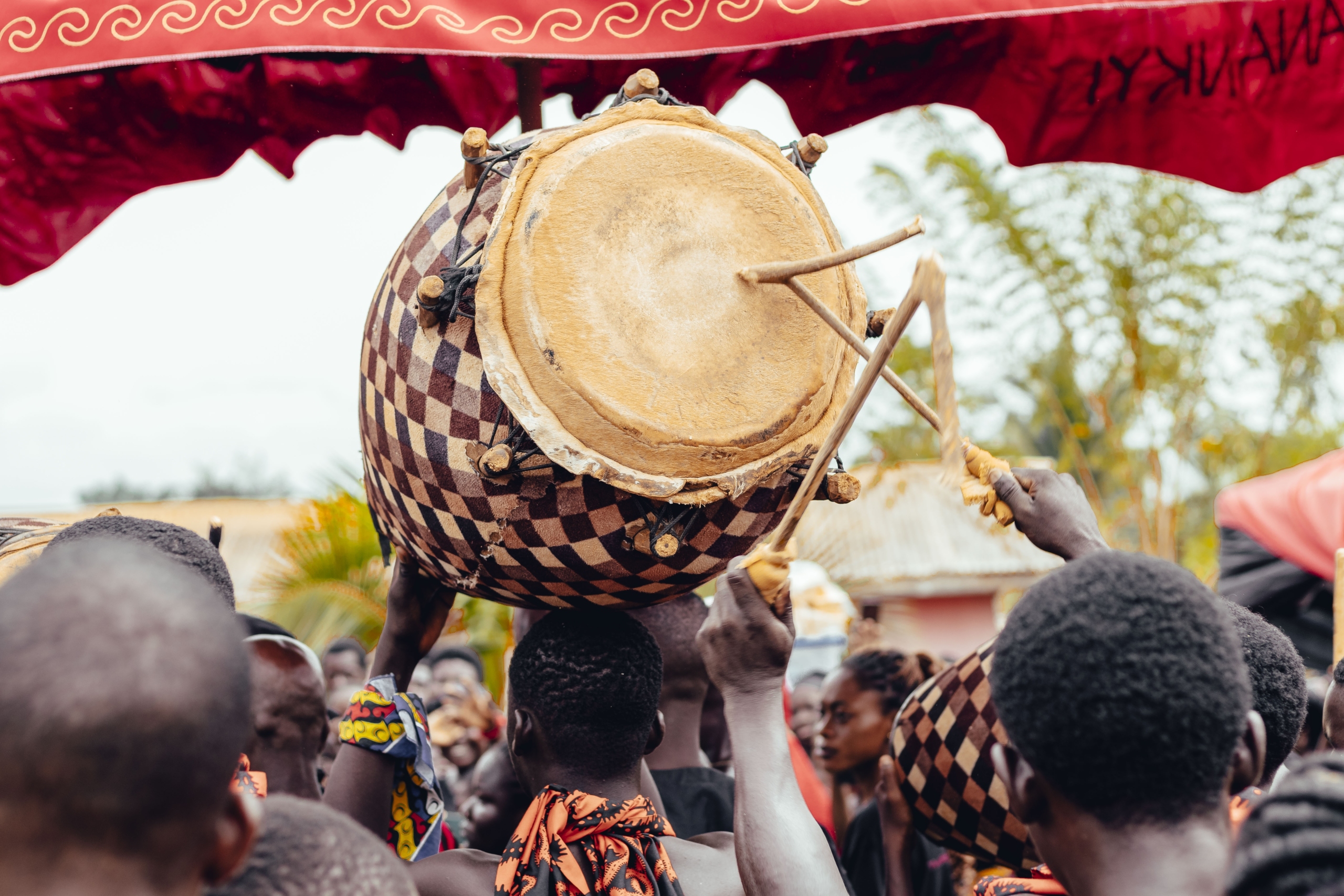
Cape Coast remains Oguaa, one of the great historic centres of Fante culture. Its inhabitants do not live solely surrounded by a heritage connected to enslavement: they maintain traditional authorities, Asafo companies, ceremonies, churches, markets and festivals whose meanings belong to their own history.
The clearest example is Oguaa Fetu Afahye, celebrated around the first Saturday of September. The festival includes purification rites, offerings, processions, music, communal ceremonies and the participation of the seven Asafo companies.
Its significance as a visitor experience lies precisely in the fact that it was not born as a spectacle for outsiders. The visitor joins a celebration that already existed and that has meaning for the community regardless of their presence.
Fetu raises a different question from the one that arises inside the castle. There, the visitor asks what happened to those who were deported. On the streets of Oguaa, another question emerges: what happened to those who stayed?
A Region of Festivals and Living Culture
Cape Coast is not isolated. The Central Region has a calendar of cultural events that allows the traveller to look at the territory far beyond its fortresses.
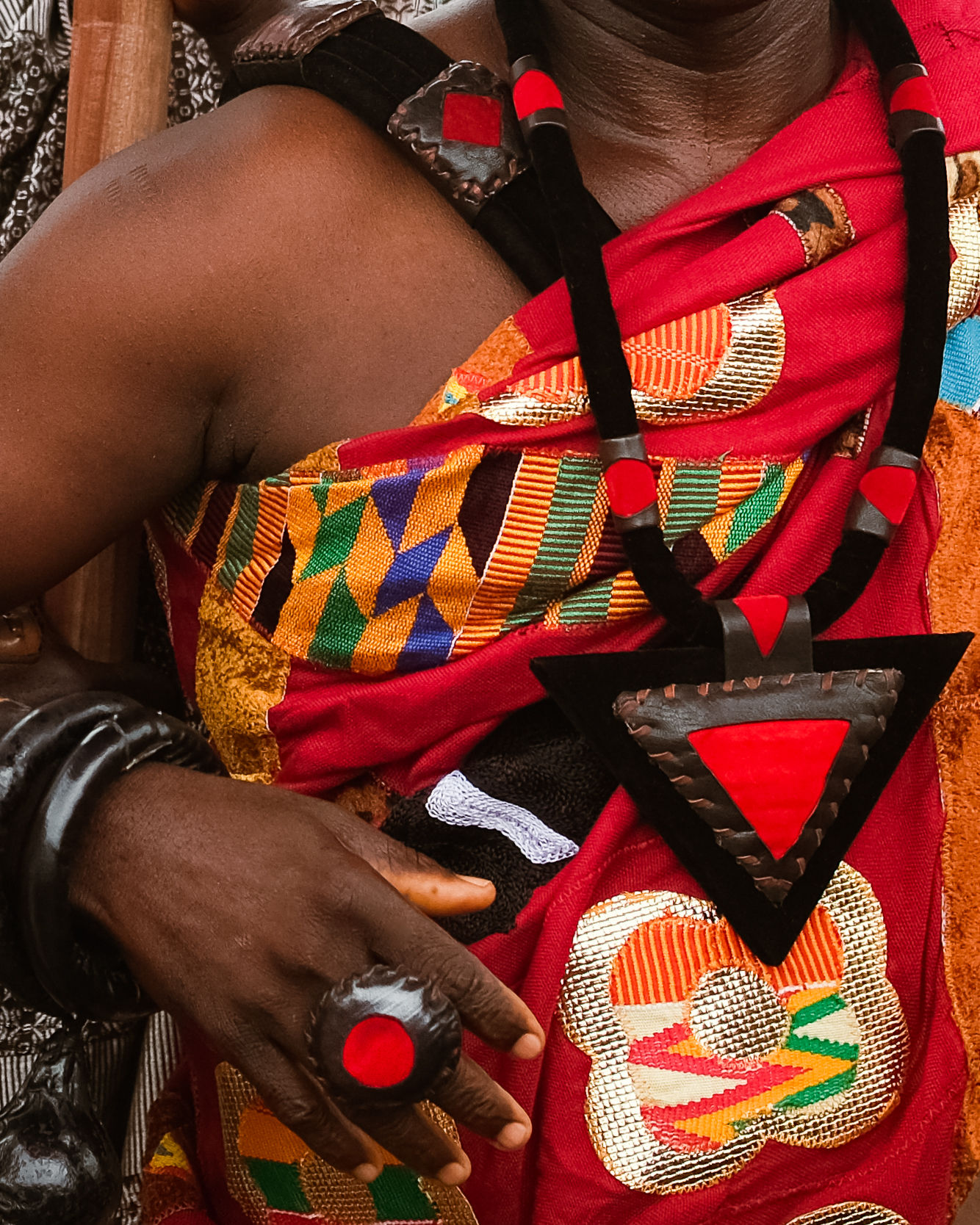
In nearby Elmina, the Bakatue festival — held usually in early July — revolves around the Benya lagoon, fishing, traditional authorities and the relationship between community and water. For the traveller it is an opportunity to discover a town that is usually overshadowed by its famous castle.
In Winneba, Aboakyer brings together the traditions of the Effutu community, Asafo companies, processions and the well-known ritual deer hunt. Its calendar usually falls between late April and early May.
In late July and early August, celebrations connected to the memory of enslavement and emancipation come to the fore. Ghana celebrates Emancipation Day every year, culminating around 1 August with Assin Manso as one of its essential spaces.
In odd-numbered years, PANAFEST is added — founded in 1992 from an idea linked to the playwright and cultural activist Efua Sutherland. The festival combines theatre, music, dance, academic gatherings and ceremonies conceived to strengthen the bonds between Africa and its children of the diaspora.
Taken together, these festivals form something like a long cultural season: Aboakyer in spring, Bakatue in July, PANAFEST and Emancipation during the summer, and Fetu Afahye as September approaches.
The Central Region thus ceases to resemble an open-air museum of slavery and begins to present itself as a living cultural territory.
From the Door of Departure to the Door of Return
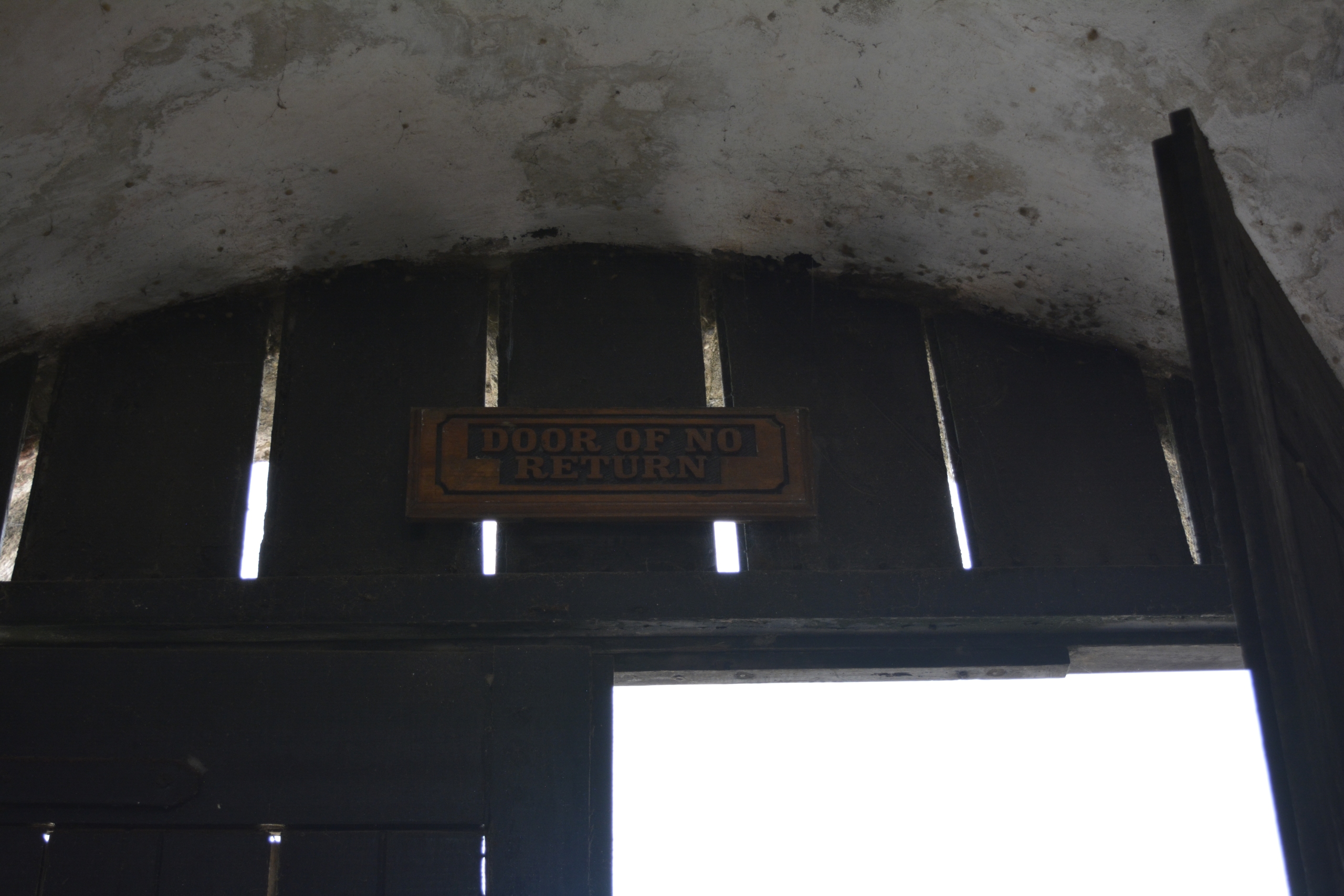
One of the most powerful images of this new tourism is the reinterpretation of the Door of No Return.
Historically, the door symbolises the forced departure of those who were shipped to the Americas never to return. In some contemporary ceremonies connected to the diaspora, that same space acquires the opposite meaning: to return, to be received, to symbolically recover a relationship with Africa.
The past, naturally, cannot be undone. But the way in which later generations relate to the places where it happened can change.
There lies much of what is singular about Cape Coast: the visitor is not contemplating only the ruins of a finished history. They find a space that continues to produce new meanings.
Those who left and those who return
The image that best explains the transformation of Cape Coast is discovered by contemplating the same ocean from two different historical moments.
During the era of the slave trade, many people saw it for the last time from the coast while waiting for a journey they had not chosen. Today other people cross that ocean voluntarily to arrive there.
Outside the castle, Oguaa remains: its inhabitants, its Asafo companies, its fishermen, its students, its churches, its ceremonies and its festivals. The great opportunity that Cape Coast offers the traveller lies precisely in enabling them to discover that richness too.
Because the future of this destination will depend less on how many people cross the old Door of No Return than on what happens after crossing it: whether they find only a monument to the past, or a living community with which to share the present.
AI Transparency Notice
PilgriMaps uses artificial intelligence tools to assist in the research, drafting and translation of editorial content. All AI-assisted content is reviewed, edited and verified by our editorial team before publication. We contrast information against primary sources, specialist literature and on-the-ground knowledge to ensure accuracy, cultural sensitivity and editorial integrity.
AI is one tool among many in our workflow. The judgement, curation and responsibility for everything published on this platform remain entirely human.
Viator Media S.L. — in compliance with the EU Artificial Intelligence Act (Regulation EU 2024/1689).
This post is also available in: