Stretching nearly 960 kilometers from San Diego to Sonoma, the Mission Trail follows the historic Camino Real, once marked by iron bells that still line parts of the route today. Established between 1769 and 1823, the chain of twenty-one missions was the first sustained European settlement project in Alta California.
Colonial Strategy and Foundations
In the mid-18th century, Spain sought to secure its northern Pacific frontier against competing powers such as Russia and Britain. After the expulsion of the Jesuits in 1767, the Crown entrusted the Franciscans with founding new settlements in California. Accompanying Gaspar de Portolá’s expedition, Junípero Serra oversaw the establishment of the first mission, San Diego de Alcalá, in 1769.
Over the next five decades, additional missions were founded roughly a day’s horseback ride apart. Each complex typically included an adobe church, workshops, and farmland. Indigenous communities were introduced to European crops, livestock, and agricultural practices, alongside religious instruction.
Transformation and Debate
The impact of the missions remains the subject of extensive historical debate. Their presence shaped California’s urban map—many towns and cities trace their origins to mission settlements—and introduced agriculture, livestock, and architectural styles that would inspire the later “Mission Revival.”
Yet the process carried high costs for Native communities. Contemporary research highlights cultural disruption, demographic collapse caused largely by disease, and the erosion of social structures. The missions thus represent both material transformation and profound loss, leaving a legacy marked by complexity and contested memory.
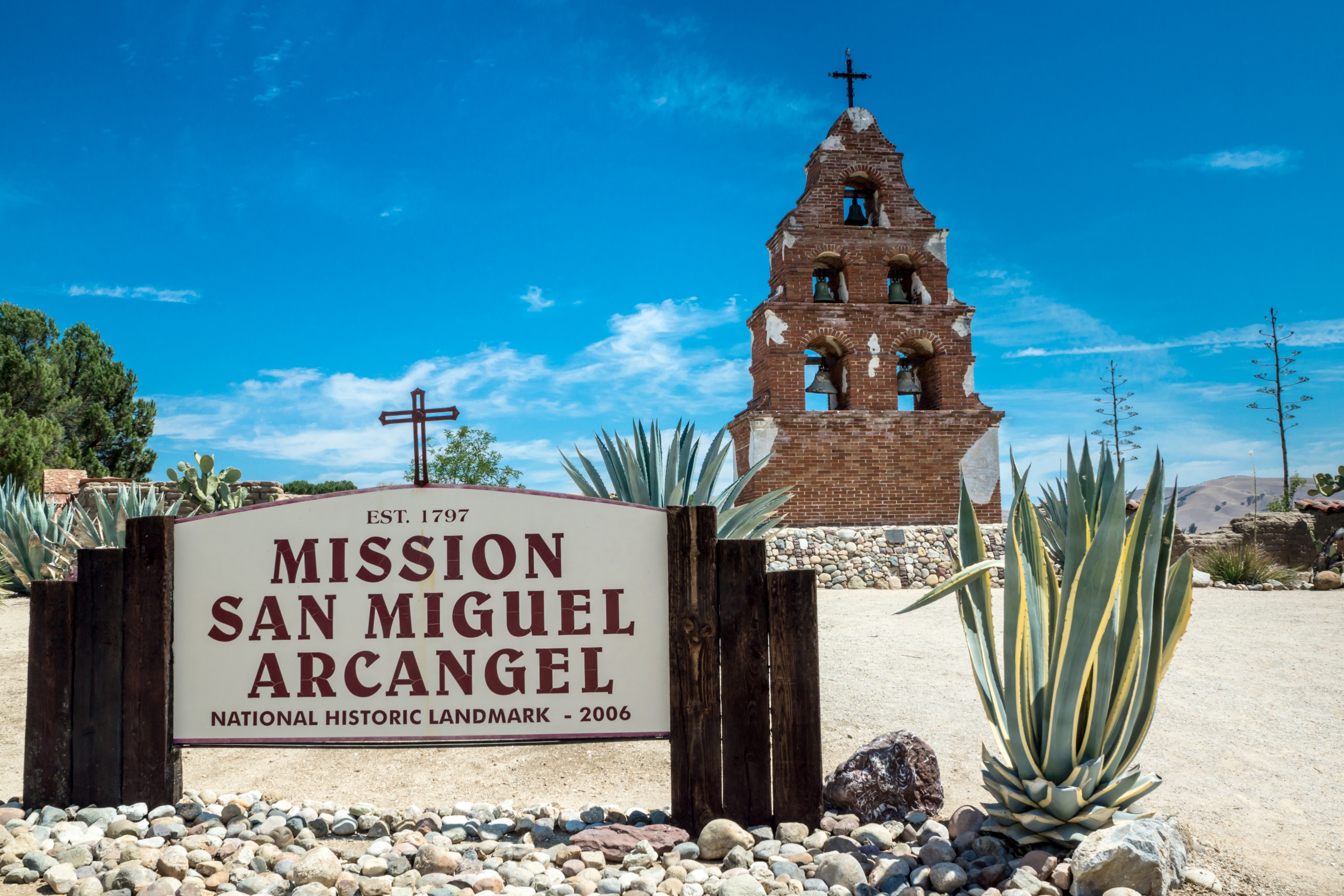
Secularization and Decline
By the early 19th century, missions had amassed significant landholdings, herds, and trade in hides and tallow. Following Mexican independence in 1821, the new government implemented the Secularization Act of 1833, redistributing mission property into private ranchos. Many Indigenous residents, no longer tied to the mission system, lost both land and support networks.
When California was annexed by the United States in 1848, most missions were in ruins. A symbolic turning point came in 1865, when President Abraham Lincoln returned several church buildings to Catholic ownership, a gesture that helped preserve them from complete disappearance.
Rediscovery and Romanticism
In the late 19th century, artists, writers, and preservationists brought renewed attention to the missions. Henry Chapman Ford painted their ruins; Helen Hunt Jackson’s 1884 novel Ramona popularized a romantic vision of “Old California”; and activists like Charles Lummis advocated early restoration efforts in the early 20th century.
These campaigns fostered both regional pride and nostalgia while also laying the groundwork for more critical scholarship. Over time, Indigenous perspectives began to inform reinterpretations of the mission legacy, broadening public understanding beyond earlier idealized portrayals.
Walking, Cycling, or Driving the Trail
Today, the Mission Trail is a cultural itinerary where heritage, tourism, and local life intersect. The twenty-one sites align closely with US-101, marked by iron bells installed in the 1920s to commemorate the Camino Real.
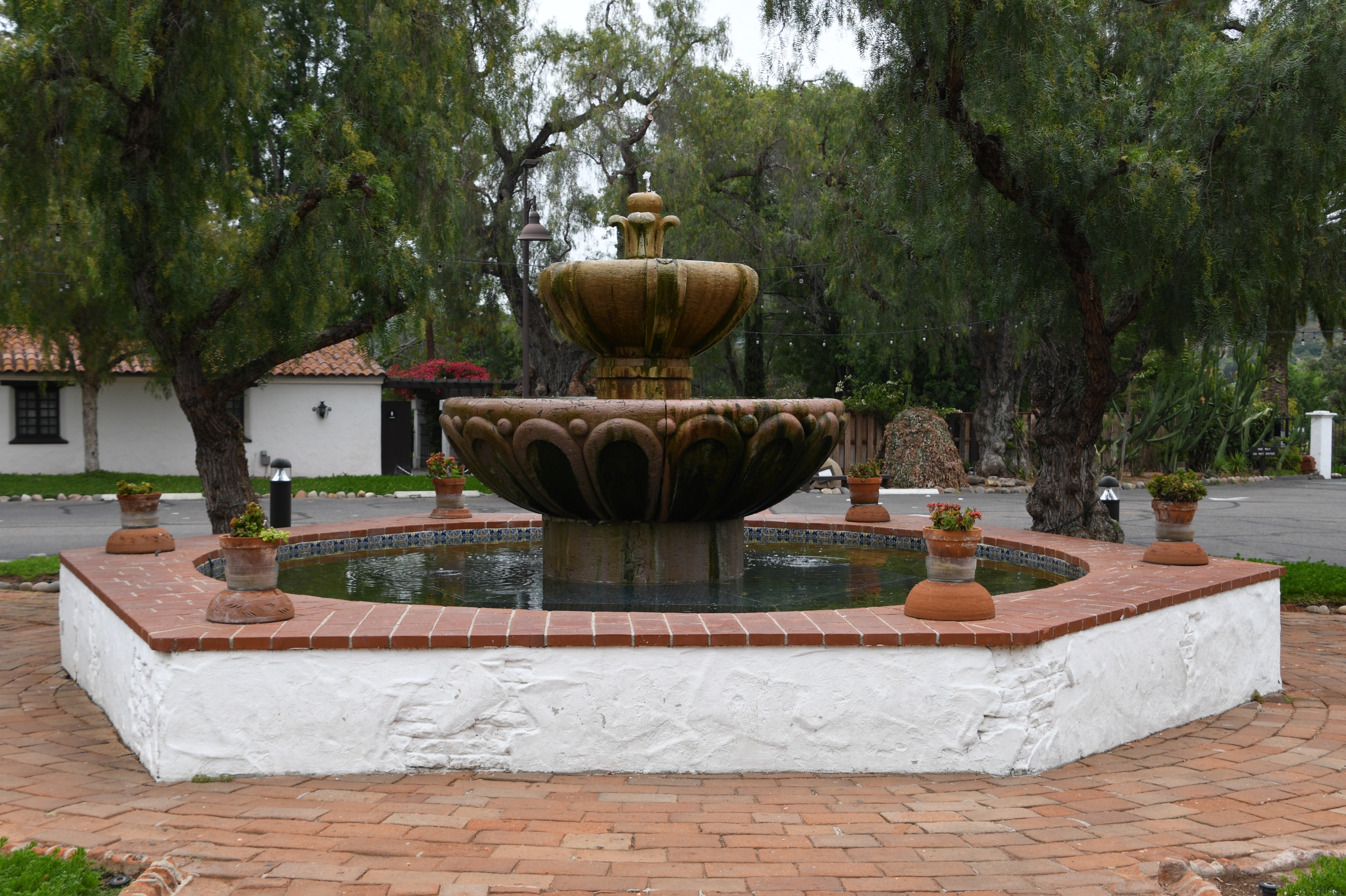
Travelers can explore the route by car in about eight to ten days, with ample time for detours along the coast. Increasingly, cyclists cover the trail in stages of 40–60 kilometers, while a dedicated group of California Mission Walkers completes the full route on foot in twenty-one stages, inspired by long-distance pilgrimage traditions.
Each mission presents a different character: some, such as San Diego de Alcalá, Santa Bárbara, and San Carlos Borromeo in Carmel, remain active parishes; others, like La Purísima Concepción, function as state historic parks. San Juan Capistrano attracts visitors with its annual return of swallows each March, while urban locations near Los Angeles and San Francisco require careful timing to avoid heavy traffic.
The trail also pairs well with nearby destinations: Napa and Sonoma vineyards, the cliffs of Big Sur, or coastal reserves like Point Lobos.
Architectural and Cultural Legacy
Beyond the missions themselves, their architectural language endures. The Mission Revival style—arched arcades, red-tile roofs, and adobe-like walls—still shapes hotels, courtyards, and railway stations across California. The Mission Trail thus offers a dual journey: through physical landscapes and through the layered memory of a formative era.
Complexity and Continuity
The Mission Trail is not only a sequence of adobe churches but also a lens onto California’s emergence as a modern state. It reflects competing narratives: expansion and innovation on one side, disruption and loss on the other.
Traveling the route today means engaging with both histories—admiring the beauty of arcades and bells while also recognizing the experiences of Indigenous communities. It is a journey that reveals how contested pasts continue to shape regional identity, offering travelers insight into the cultural dynamics that forged California.
AI Transparency Notice
PilgriMaps uses artificial intelligence tools to assist in the research, drafting and translation of editorial content. All AI-assisted content is reviewed, edited and verified by our editorial team before publication. We contrast information against primary sources, specialist literature and on-the-ground knowledge to ensure accuracy, cultural sensitivity and editorial integrity.
AI is one tool among many in our workflow. The judgement, curation and responsibility for everything published on this platform remain entirely human.
Viator Media S.L. — in compliance with the EU Artificial Intelligence Act (Regulation EU 2024/1689).
This post is also available in: