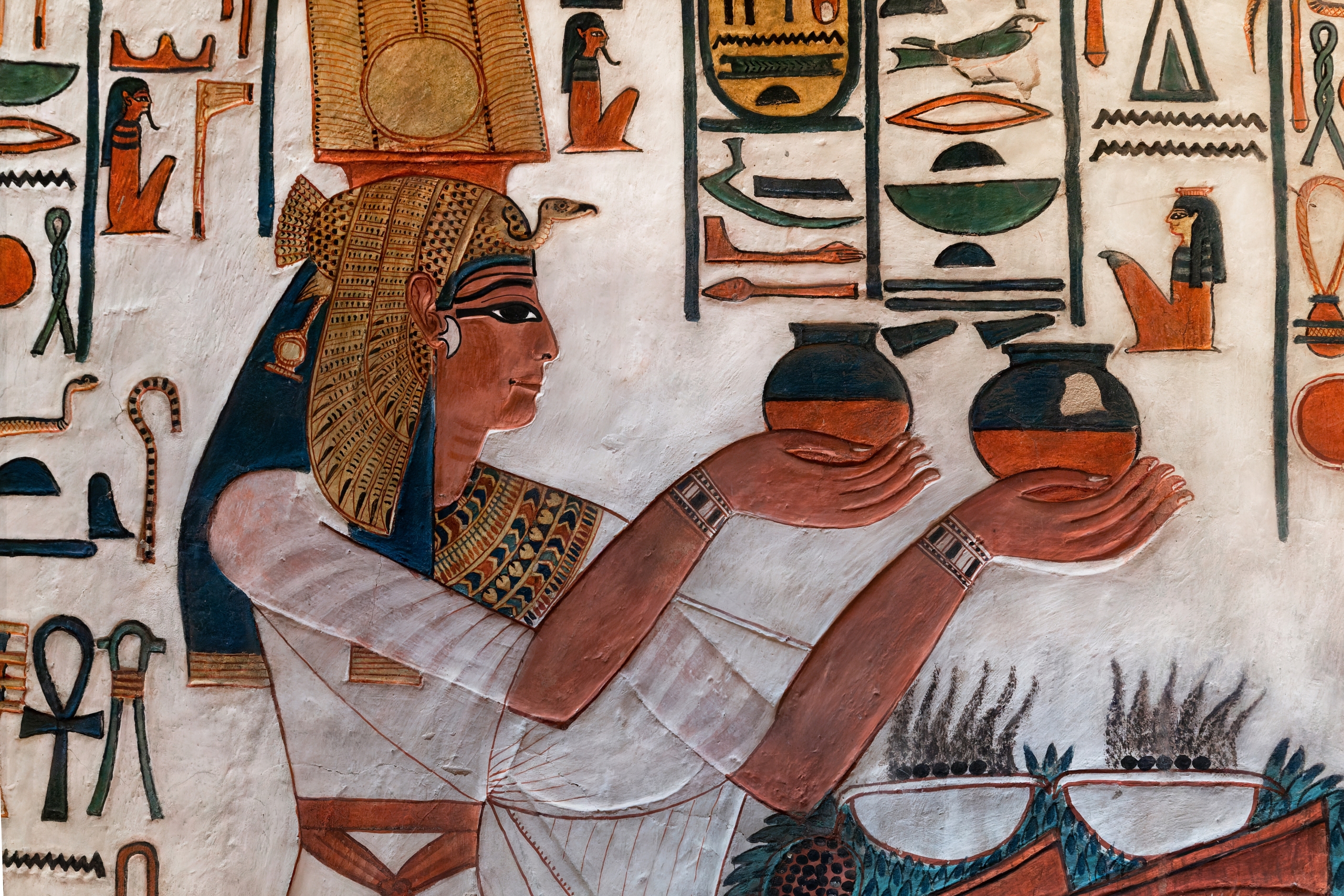
In 1988, the German archaeologist Günter Dreyer was working at Abydos, one of the great necropolises of Upper Egypt, when the excavation of a tomb older than the pharaohs and the pyramids began to reveal something extraordinary.
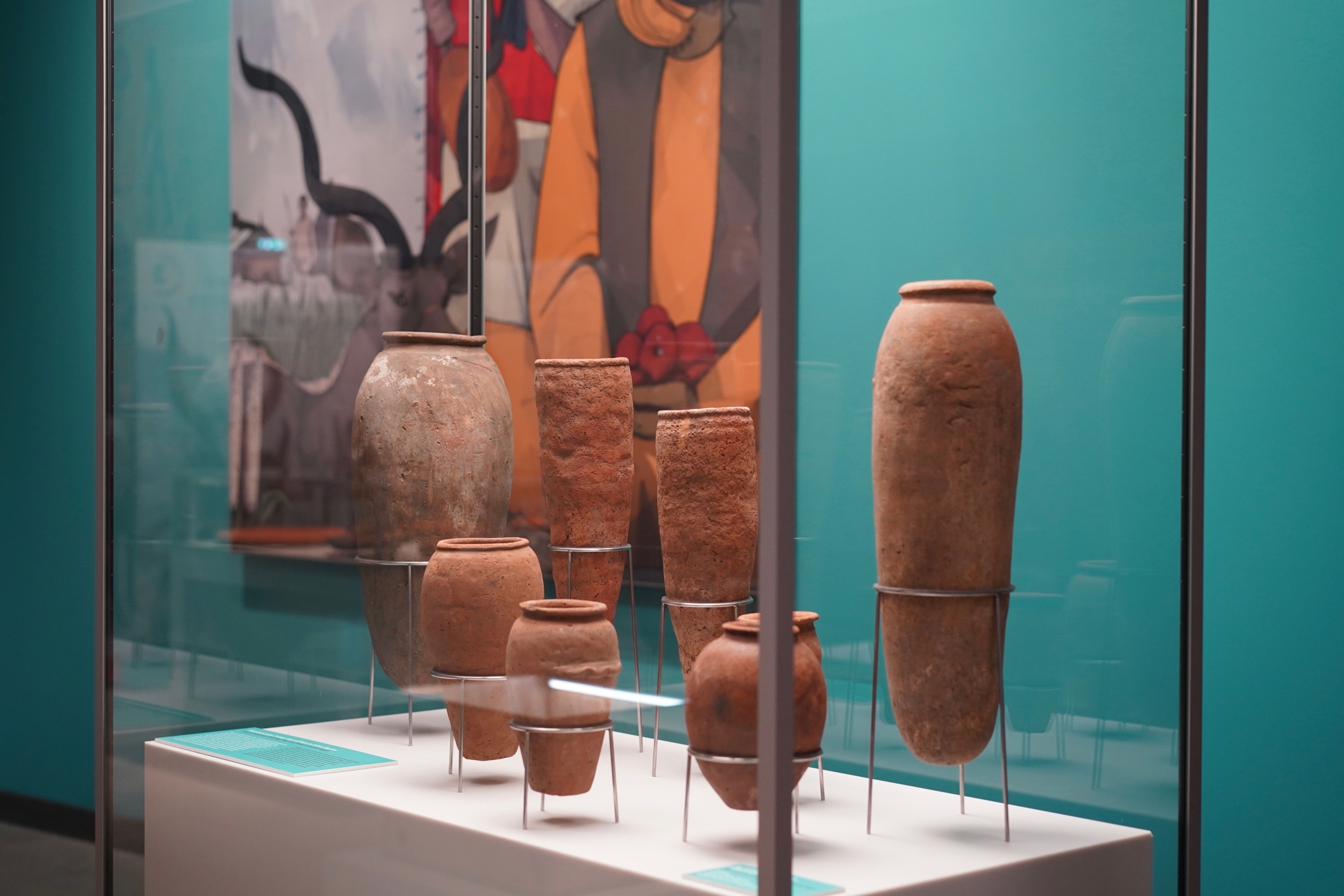
The burial, known as U-j and associated with the so-called King Scorpion I, belonged to a ruler who had lived around 3150 BC. Among the objects intended to accompany him in death were hundreds of wine jars: around 700 vessels, with a capacity of some 4,500 litres. But there was a further surprise: that wine was not Egyptian.
Analysis of the ceramics pointed toward the southern Levant, particularly the Jordan valley and neighbouring regions. Chemical residues confirmed the presence of grape-derived products, along with resins and other plant substances. More than five thousand years ago, then, someone had organised the transport of thousands of litres of wine across hundreds of kilometres to place them in the tomb of a ruler of the Nile.
A drink for this life and the next
To grasp the significance of this discovery, you have to set aside for a moment our own way of looking at a glass of wine. In pharaonic Egypt, wine could be food, a prestige product, an offering and an object laden with religious meaning. Unlike beer, far more widespread among the population, it was particularly associated with the court, the wealthy classes, the temples and the funerary world.
Its colour could also take on symbolic meanings. Red wine was linked to blood, to Osiris, to regeneration and to the possibility of a new life after death. In that context, finding thousands of litres of wine in a royal tomb seems less extravagant than it might appear: funerary provisions formed part of a conception of death as passage and continuity.
Egyptian culture around grape drinks was, moreover, more complex than was long believed. One word that appears in the texts is shedeh, a particularly prized drink whose nature intrigued researchers for years.
There was debate over whether it was made from pomegranates or from grapes. Chemistry provided a partial answer. Residue analysis of a jar from the tomb of Tutankhamun detected markers of Vitis vinifera and of red grapes. That shedeh, at least, had been produced from red grapes.
First Came the Wine; Then the Vines
The Scorpion jars reveal another story. Egypt was not the cradle of viticulture. The domesticated vine and the knowledge needed to turn its fruit into wine probably arrived from the Levant during the Predynastic period. But the Egyptians learned quickly. By around 3000 BC there was already domestic production in the Nile Delta.
From then on, the images preserved in tombs and other monuments allow us to follow the process almost step by step: harvest, transport of the grapes, treading, pressing, fermentation, filling of vessels, sealing and storage. And labelling, too.
At the palace of Amenhotep III at Malqata, around 1,400 hieratic inscriptions have been recovered from vessels. They indicated contents, year, estate of origin and the person responsible for production. One label preserved at the Metropolitan Museum identifies, for instance, a wine made in year 37 of the reign of Amenhotep III and originating from a royal estate in the western Delta.
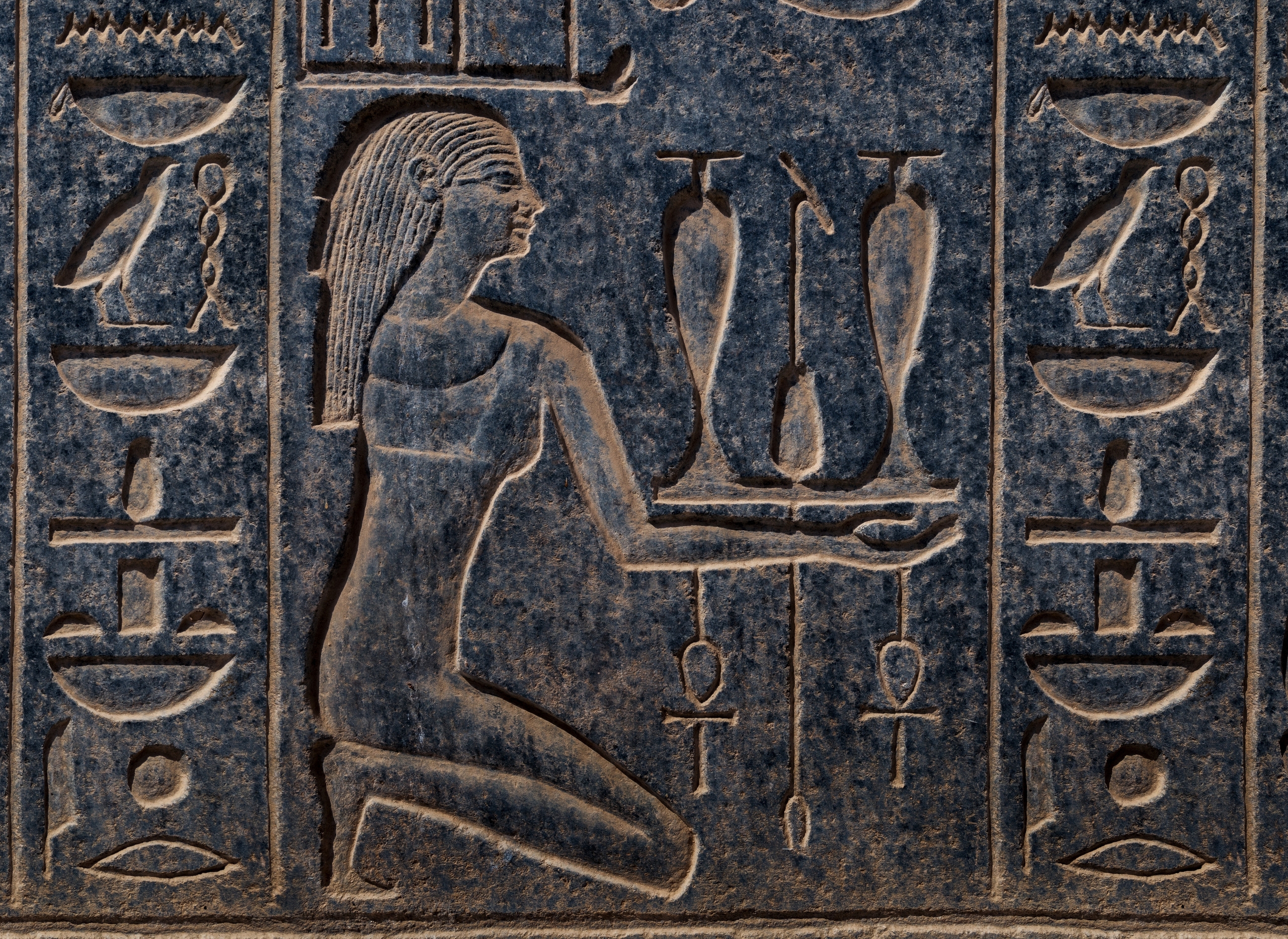
The roughly two dozen wine jars found in Tutankhamun’s tomb also carried information on vintage and provenance; almost all of them additionally bore the name of the chief vintner or overseer.
It would be anachronistic to speak of a denomination of origin in the modern sense. But the logic is surprisingly familiar: harvest, estate and producer. More than three thousand years ago, Egypt already considered it relevant to know where a wine came from.
Analysis of the Tutankhamun amphorae has revealed something more. Against the old assumption that pharaonic wine was fundamentally red, archaeometric research has demonstrated the existence of both red and white wines during the Eighteenth Dynasty.
When the wine began to travel the other way
Centuries later, the story that began with those Levantine imports took a turn. Egypt became an exporter. One of the great settings for that transformation was Mareotis, around the present-day Lake Mariout, near Alexandria. Viticulture in the region did not begin with the arrival of Alexander the Great: there is earlier evidence. What happened during the Ptolemaic, Roman and Byzantine periods was an extraordinary expansion of an activity that already existed.
The landscape came to hold vineyards, presses, pottery workshops, warehouses and ports. The amphorae allow us to trace the product’s journey: Egyptian vessels intended for wine have appeared in places as distant as Pompeii, Ostia, Cyprus and Anatolia. The direction of travel had reversed. The country that millennia earlier had received wine from the Levant was now sending its own across the Mediterranean.
Not even the Arab conquest brought an immediate end. During the first centuries of Islamic Egypt, production continued, particularly among Christian and Jewish communities. There were later prohibitions and destructions of vineyards — especially during certain periods, such as the rule of the Fatimid caliph al-Hakim at the beginning of the eleventh century — but it is more accurate to speak of a long transformation and contraction than of a sudden disappearance.
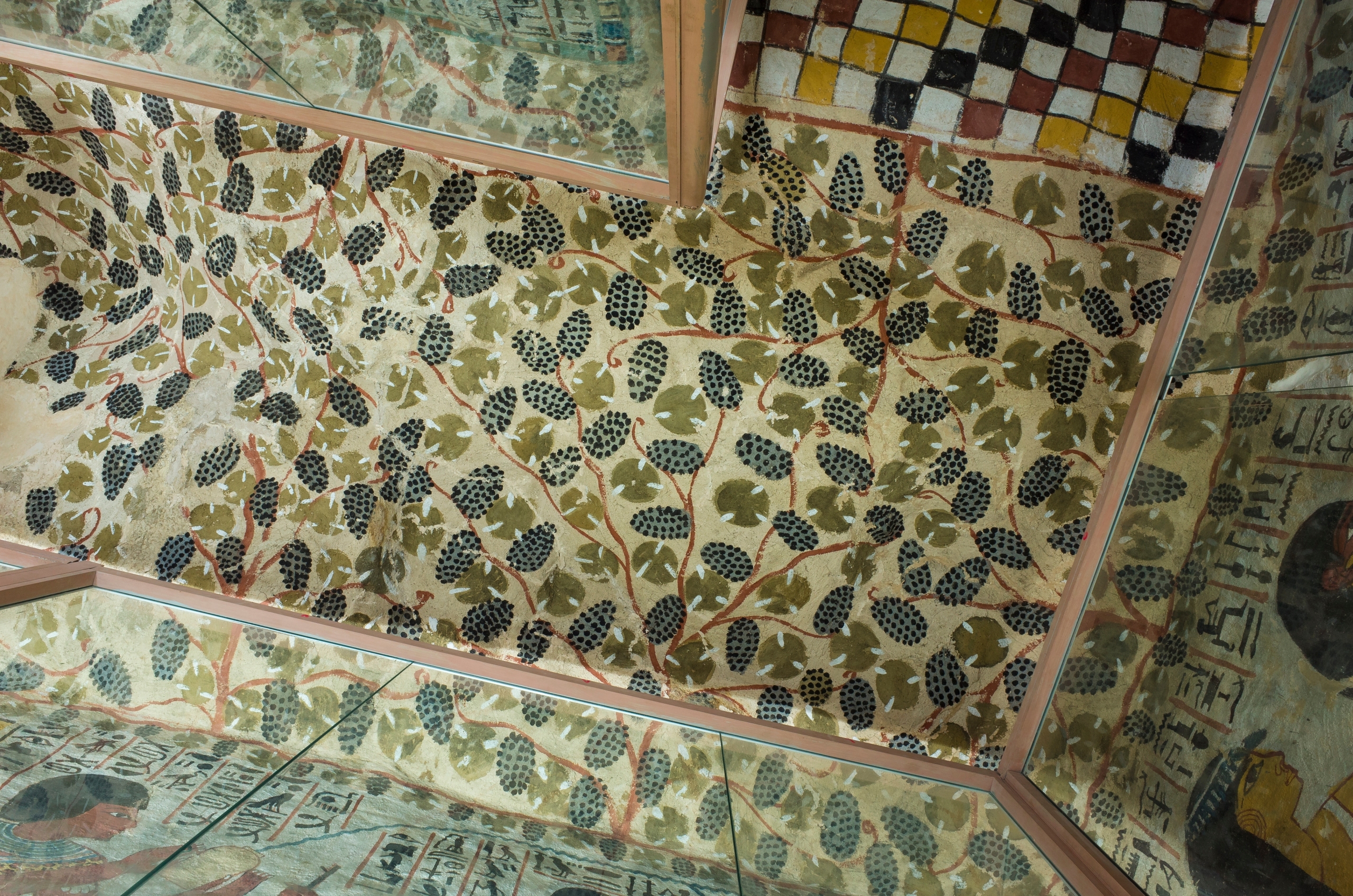
The return of the vines
The modern history begins in 1882 with Nestor Gianaclis, a Greek entrepreneur established in Egypt who launched a new winemaking project in the Delta, south of Alexandria. His wines would reach their period of greatest prestige during the 1930s and 1940s.
The industry then passed through nationalisations during the 1960s, state production and new privatisations. At the end of the 1990s another of the protagonists of the contemporary scene appeared: Kouroum of the Nile. Today the sector remains heavily concentrated around these large producers.
But making wine in Egypt poses a peculiar problem: it is not difficult there to get a grape to ripen. What is difficult is preventing it from ripening too fast. Extreme temperatures can accelerate ripening, reduce acidity and damage aromas.
The near-total absence of rain also makes irrigation necessary. For this reason some white grapes can be harvested as early as June and many others during July, while temperature control during fermentation is essential.
Many grapes, very little wine
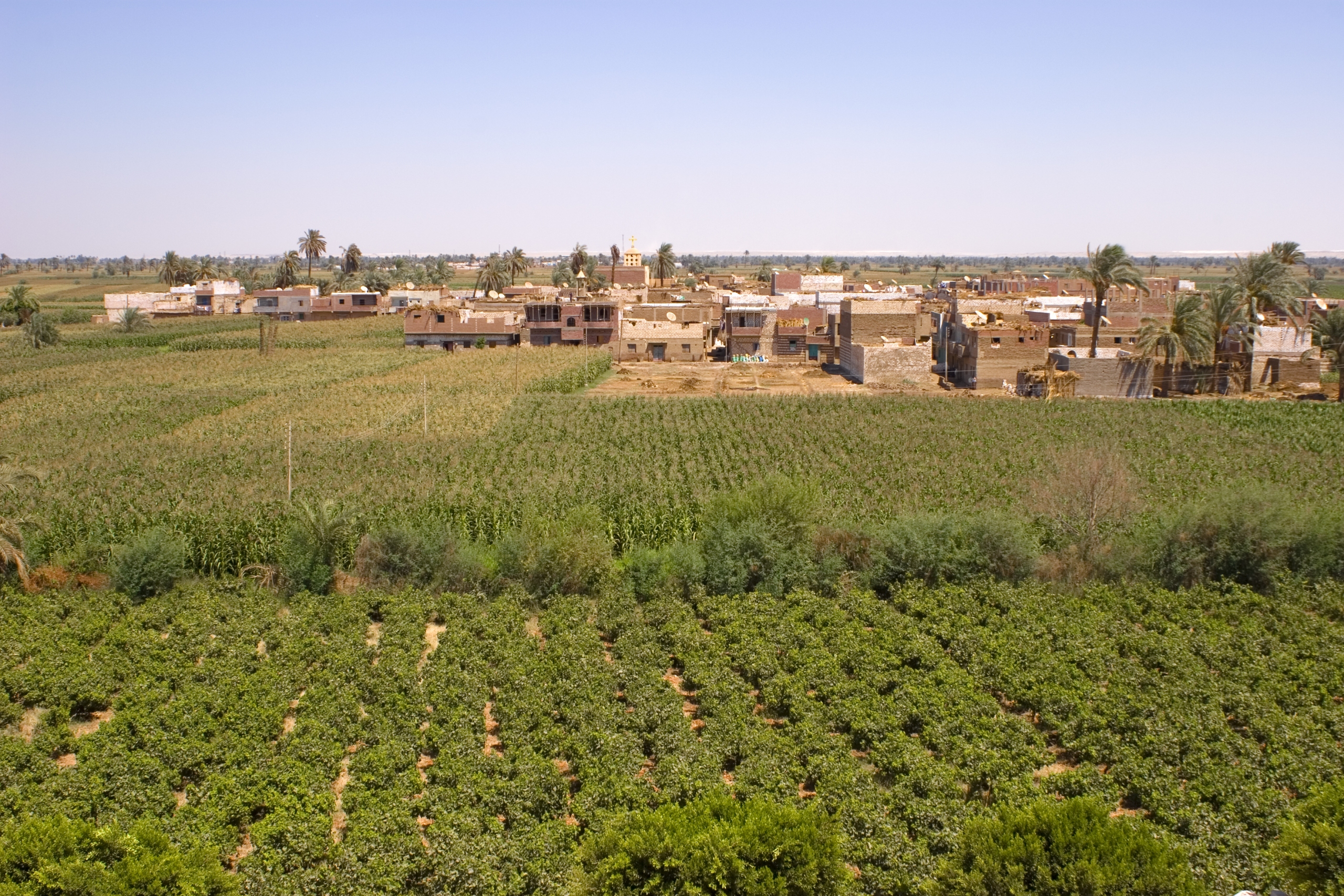
The greatest paradox appears when you look at the current figures. Egypt has around 86,000 hectares of vineyard and produced some 1.8 million tonnes of table grapes in 2024, around 6% of global production. It is, therefore, an important grape-growing country. But it is a very small wine-producing one: only a minimal fraction of its grapes ends up in a bottle of wine.
That does not mean there are no interesting experiments. Beausoleil d’Egypte Blanc, from Kouroum of the Nile, uses Banati, the Egyptian name for Sultanina or Thompson Seedless. It is a grape known internationally above all for table consumption and for drying, but one that in Egypt is also vinified. In this case it comes from the Samaloot area, in Minya.
Jardin du Nil points in another direction. Its white combines Vermentino and Viognier, while the red brings together Cabernet Sauvignon, Petit Verdot and Syrah. These are international varieties used to pursue contemporary styles under the extreme conditions of the Egyptian climate. The current range also includes rosés, sparkling wines and fortified wines.
In 2023, Egyptian wines won bronze medals at the International Wine Challenge for the first time. The competition has also registered vintages of Beausoleil d’Egypte Cabernet Sauvignon and Jardin du Nil. The fact does not make Egypt a new wine power — the industry remains tiny in international terms — but it shows that contemporary Egyptian wine can no longer be dismissed as a curiosity for tourists.
Then again, not all the wine produced in Egypt today necessarily comes from Egyptian grapes. Some ranges are made there with imported fruit. Château Byblos, for example, uses grapes from Lebanon that are then vinified in Egypt.
In a sense, the circle closes again. More than five thousand years ago, a ruler was buried at Abydos alongside hundreds of wine jars that had arrived from the Levant. Egypt then learned to grow its own vines, turned wine into a carefully identified product, loaded it with social and religious meaning, and ended up exporting it across the Mediterranean. The industry was transformed, shrank, and was rebuilt centuries later.
Perhaps that is why those jars discovered at Abydos are so suggestive. They are not merely the remains of a banquet that never took place. They are the first known chapter of a story in which, for more than five thousand years, wine has been entering, leaving and returning to Egypt.
AI Transparency Notice
PilgriMaps uses artificial intelligence tools to assist in the research, drafting and translation of editorial content. All AI-assisted content is reviewed, edited and verified by our editorial team before publication. We contrast information against primary sources, specialist literature and on-the-ground knowledge to ensure accuracy, cultural sensitivity and editorial integrity.
AI is one tool among many in our workflow. The judgement, curation and responsibility for everything published on this platform remain entirely human.
Viator Media S.L. — in compliance with the EU Artificial Intelligence Act (Regulation EU 2024/1689).
This post is also available in: