Morning light, hours spent outdoors, a day that comes to a proper close. On the Camino, rest can change along with the way we experience time.
The pilgrim’s evening often begins before sunset. Shoes are set down beside the bed, washed clothes wait to dry, the rucksack is almost ready for departure. After the shower and dinner, even a pleasant conversation can be interrupted by a yawn. The thought of bed arrives early.
For anyone who at home stretches the day out among messages, work and screens, this drowsiness can come as a surprise. Along the Camino, rest returns to a recognisable place: it comes after a day spent moving and before another departure.
This happens to some, while others must contend with unfamiliar beds, aching legs and neighbours who snore. Pilgrimage does not guarantee peaceful nights. What it offers is an interesting perspective on sleep: what happens during the daylight hours can count for something when the eyes close.
The Day Enters Through the Light
In the morning you set out as the village is waking. A shutter goes up, the bar serves its first coffees, someone checks the direction of the yellow arrow. Outside, the light changes as you walk: raking across façades, sharper in the fields, filtered through the woods.
In everyday life, the morning can pass almost entirely indoors. On the path, by contrast, the body stays exposed to daylight for long stretches. It is a difference that concerns the internal clock as well — the system that helps regulate the alternation of sleep and waking, and which takes one of its principal signals from light.
The pilgrim follows the passing of the hours more closely. Seeking shade as the sun climbs, arriving at the day’s stage in the afternoon, watching the brightness fade while preparing for evening. This greater exposure to natural light, together with regular hours, can help give continuity to the rhythm of the day.
When Tiredness Finds Its Place
After hours of walking, sitting down becomes a precise pleasure. Laces are loosened, legs stretched out, and you rediscover the value of a pause that does not have to be filled immediately with something else.
Regular movement can encourage sleep, but on the route you also learn to distinguish sustainable tiredness from excessive effort. Arriving exhausted does not necessarily mean sleeping well. A blister throbs at night too; a painful knee makes it hard to find a position; an over-ambitious stage can present its bill precisely when you finally stop.
The quality of rest thus enters into the decisions of the journey. How far to walk, what to carry, where to allow yourself a break: these are choices that accompany the pilgrim throughout the day. A stage suited to your capacities leaves room for recovery and for the possibility of setting out again.
An Evening With Fewer Loose Ends
At home, the end of work does not always coincide with the end of obligations. One message prompts another, a news item leads to a video, a quick glance at the inbox becomes half an hour. Bedtime retreats almost without our noticing.
On the Camino, at least on some days, the evening has clearer boundaries. You have arrived. You need to eat, sort out your things, decide what time to leave. The day’s destination has been reached, and the next one can wait until morning.
It is a concrete simplification, made of few necessities. It does not erase personal worries, which can travel in the rucksack along with everything else. But it can offer a pause from the continual overlapping of demands that occupies so many ordinary evenings.
The phone, too, can find a different place. It is useful for checking the route, letting someone know you have arrived, booking a bed. Then a shared dinner or the wish to rest can make it less interesting. When that happens, the time stolen from sleep before switching off the light is reduced as well.
The Less Romantic Side of the Night
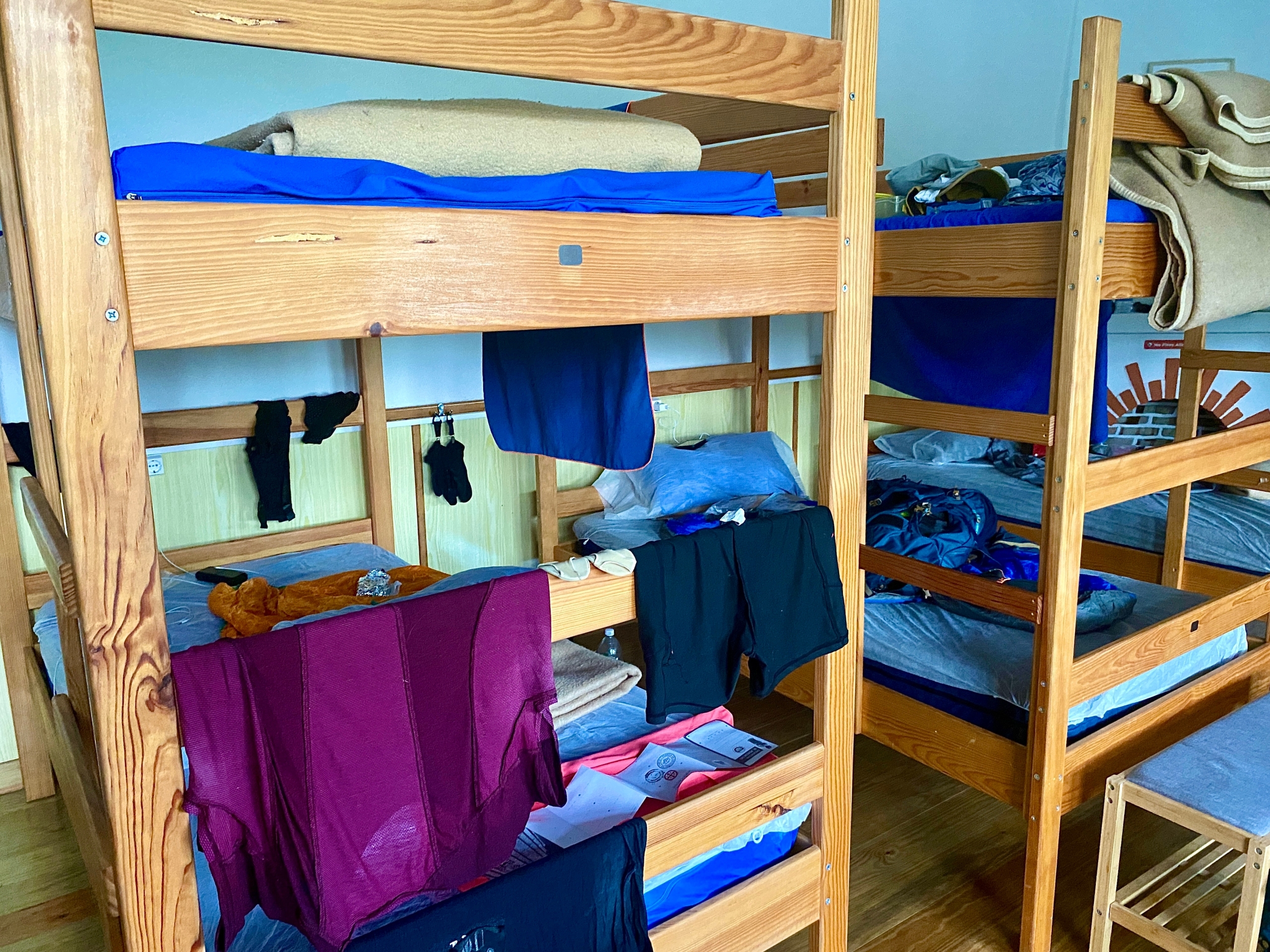
In a dormitory, the rustle of a plastic bag is enough to remind you that everyone keeps their own hours. Someone is looking for a torch, someone turns over in bed, someone begins getting ready while it is still dark outside. The pilgrim’s sleep includes this too.
For light sleepers, the choice of accommodation can matter as much as the choice of stage. A quieter room, when available, or a rest night can change the experience of the journey. The ability to adapt the plan to your own needs is part of the Camino.
The account of pilgrimage gains credibility here as well: in the interrupted nights, in the mornings when you set out later, in the decision to cover fewer kilometres. Recovery demands as much attention as distance.
What You Can Take Home
On returning, the yellow arrows disappear. What remains are working hours, commutes, days when going out seems complicated. Reproducing the pilgrim’s life would be difficult; some habits, however, can find a place.
Walking part of the way in the morning. Looking for opportunities to be outdoors. Giving the evening a more recognisable conclusion, setting the phone aside and keeping reasonably regular hours for rest. These are gestures that bring part of that rhythm back into the day.
Walking can accompany such habits; persistent insomnia and other sleep disorders, by contrast, require medical assessment. A journey on foot remains a personal experience, with effects that vary from one person to another.
Perhaps the most useful memory is precisely that of the evening: shoes beside the bed, a few things put in order, tomorrow’s route already decided. For a few days, going to sleep had a natural place in the day. And the day had begun much earlier, by stepping out into the light.
AI Transparency Notice
PilgriMaps uses artificial intelligence tools to assist in the research, drafting and translation of editorial content. All AI-assisted content is reviewed, edited and verified by our editorial team before publication. We contrast information against primary sources, specialist literature and on-the-ground knowledge to ensure accuracy, cultural sensitivity and editorial integrity.
AI is one tool among many in our workflow. The judgement, curation and responsibility for everything published on this platform remain entirely human.
Viator Media S.L. — in compliance with the EU Artificial Intelligence Act (Regulation EU 2024/1689).
This post is also available in: