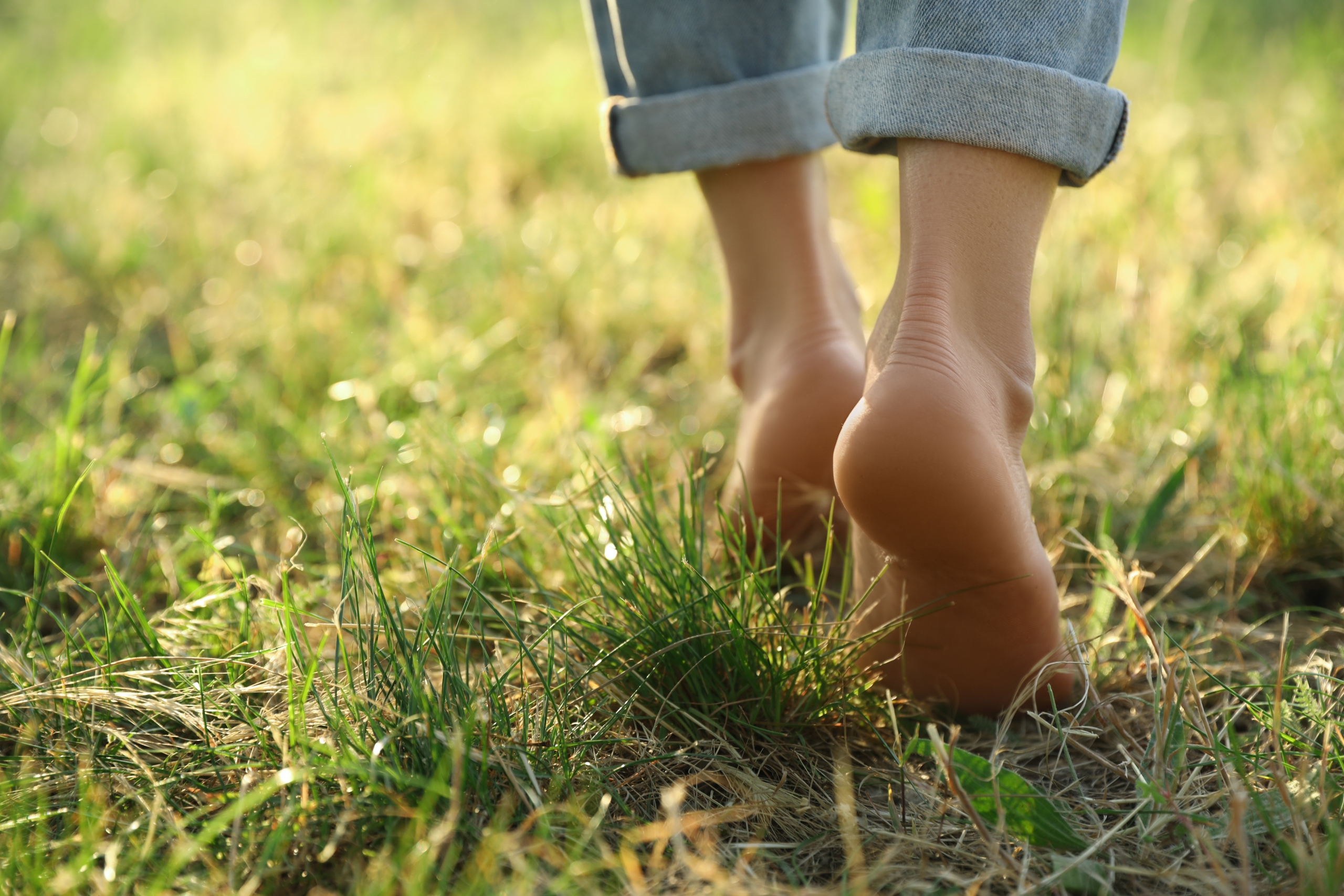
For much of human history, direct contact between feet and ground was the norm rather than the exception. Across cultures and centuries, walking barefoot—or with minimal footwear—was associated with physical resilience, sensory awareness, and endurance. In recent decades, this practice has re-emerged in health, sport, and travel contexts, prompting renewed attention to its historical foundations and potential benefits.
In fifth-century BCE Athens, a stocky man walked daily across dusty streets wearing a single woolen cloak in all seasons. He owned no shoes. This was not a sign of deprivation but of personal choice. That man was Socrates.
Ancient sources describe Socrates as convinced that walking barefoot strengthened the body and increased tolerance to heat and cold. He covered long distances on foot to reach the agora, where he engaged citizens in dialogue that would later shape Western philosophy. His student Antisthenes, founder of the Cynic school, followed similar habits, as did Diogenes, who viewed shoes as unnecessary intermediaries between humans and their environment.
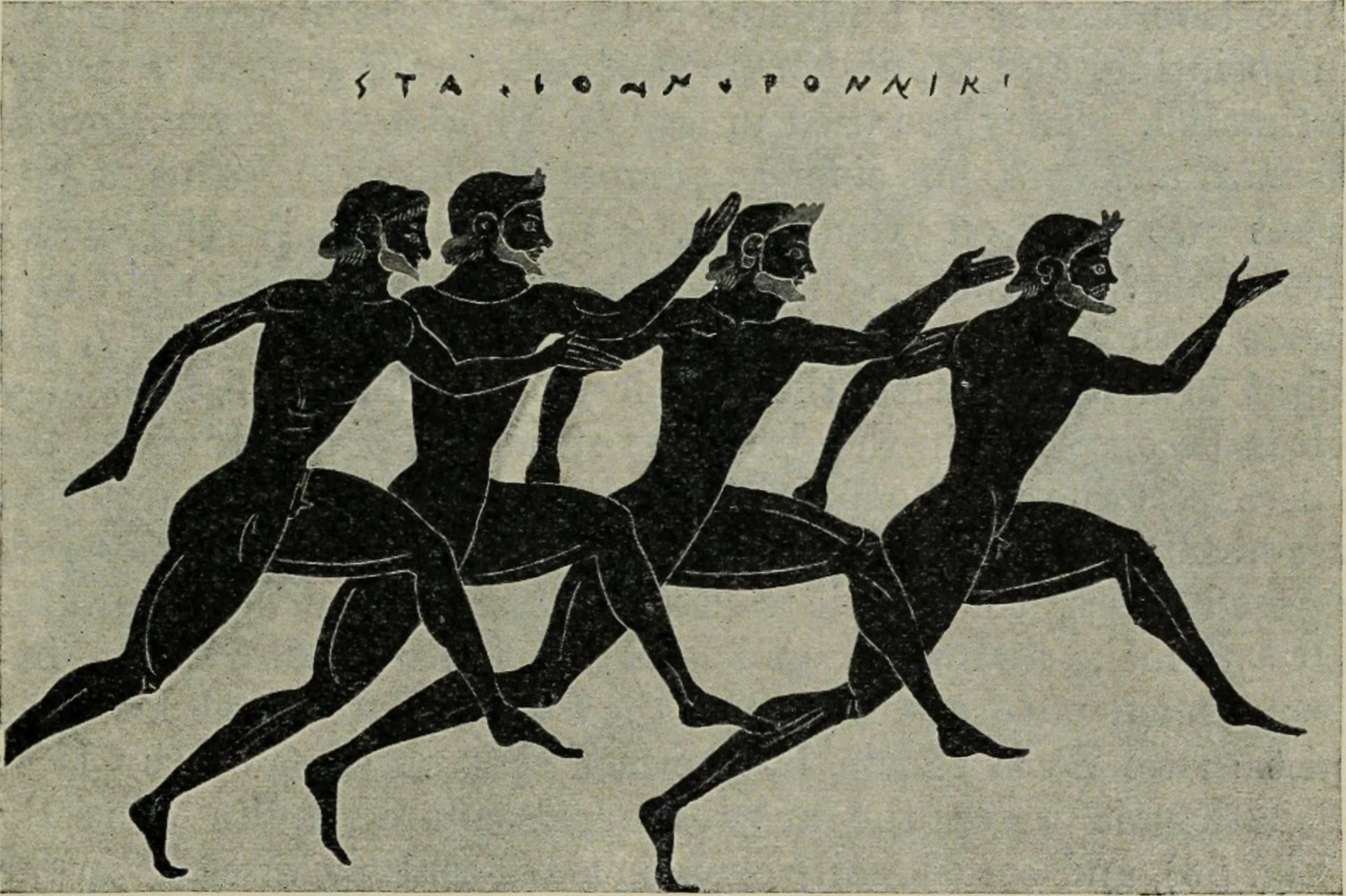
These figures were not isolated eccentrics. Greek athletes competed barefoot in the Olympic Games, believing that direct contact with the ground improved strength and balance. The Greek word gymnasion derives from gymnos, meaning “naked,” reflecting training practices that emphasized unmediated physical engagement with space and terrain.
Spartan discipline and Roman training
In Sparta, walking barefoot was not philosophical expression but institutionalized training. Boys entered the agōgē at the age of seven, a state-run system designed to produce soldiers. Footwear was forbidden. The goal was both physical hardening and the development of what modern science calls proprioception—the body’s ability to sense position, movement, and balance. Sensitive, resilient feet allowed silent movement and rapid adaptation on uneven ground.
Roman legionaries adopted similar methods. Training was often conducted barefoot to strengthen legs and improve balance; footwear was reserved for combat. The military sandal, the caliga, gave rise to the nickname of the future emperor Caligula, who wore miniature versions while accompanying his father on campaigns.
The Salt March and walking as political expression
On 12 March 1930, a sixty-one-year-old man left his ashram near Ahmedabad on foot, wearing a hand-woven shawl and thin sandals. Ahead lay nearly 240 miles to the Arabian Sea. Mohandas Gandhi could have traveled by train or car. Instead, he chose to walk.
Over twenty-four days, the march grew as villages joined along the route. Upon reaching Dandi, Gandhi symbolically produced salt in defiance of British colonial law. The Salt March functioned not only as political protest but also as a demonstration of embodied discipline. Walking became a method of communication, emphasizing simplicity, persistence, and collective participation.
Sebastian Kneipp and therapeutic barefoot walking

In nineteenth-century Germany, Sebastian Kneipp turned to cold-water immersion and barefoot walking while recovering from tuberculosis, contrary to prevailing medical advice. His recovery led him to develop a system later known as Kneipp therapy, in which walking barefoot over grass, stones, and through cold streams played a central role.
More than a century later, Germany hosts dozens of Barfußpfade—dedicated barefoot trails. The one in Bad Sobernheim attracts over 100,000 visitors annually, offering varied surfaces such as mud, gravel, wood, and water. What began as a therapeutic method has become a form of experiential tourism.
The Rarámuri of Northern Mexico
In the canyons of the Sierra Madre Occidental live the Rarámuri, often referred to as Tarahumara. Renowned for exceptional endurance running, they cover long distances over mountainous terrain wearing huaraches: sandals with thin soles tied at the ankle. Functionally, this is close to barefoot locomotion.
Biomechanical studies suggest that this style of running distributes impact differently from modern cushioned footwear, potentially reducing joint stress and injury rates. While cultural, environmental, and genetic factors all play a role, the Rarámuri illustrate how minimal footwear can support sustained movement over challenging terrain.
Contemporary science and the human foot
Modern anatomy confirms what earlier cultures inferred intuitively. The human foot contains 29 muscles and more than 100 specialized sensory receptors that continuously transmit information to the brain. When walking barefoot, these systems are fully engaged. Cushioned shoes, while protective, reduce sensory input and allow intrinsic foot muscles to weaken through disuse.
Research indicates that regular activity in minimal footwear or barefoot conditions can significantly increase foot strength within months. Improved foot function influences posture throughout the kinetic chain, affecting knees, hips, pelvis, and spine.
Interest has also grown in “grounding” or “earthing,” a hypothesis suggesting that direct contact with the Earth’s surface allows the body to absorb electrons, potentially influencing inflammation and sleep patterns. While research in this area is ongoing and debated, it has added another dimension to discussions around barefoot practices.
Returning to the ground
Transitioning from conventional footwear to barefoot walking requires time. Modern feet are often unconditioned, with weakened muscles and sensitive skin. Specialists recommend gradual exposure: beginning indoors, then progressing to grass, soil, or sand. Simple exercises, such as strengthening the arch without curling the toes, help restore natural function.
Across eras—from ancient Athens and Sparta to colonial India and contemporary Mexico—walking barefoot has served different purposes: training, expression, endurance, or therapy. What unites these examples is an understanding of the foot not merely as a structure to shield, but as an active organ of perception and movement.
Re-engaging with the ground, even briefly, reconnects the body with a sensory dialogue that shaped human mobility for millennia. For modern walkers and pilgrims alike, it offers a modest but meaningful way to rethink how we move through the world.
Barefoot Pilgrimage: A Radical Journey of Tradition, Challenge, and Transformation
AI Transparency Notice
PilgriMaps uses artificial intelligence tools to assist in the research, drafting and translation of editorial content. All AI-assisted content is reviewed, edited and verified by our editorial team before publication. We contrast information against primary sources, specialist literature and on-the-ground knowledge to ensure accuracy, cultural sensitivity and editorial integrity.
AI is one tool among many in our workflow. The judgement, curation and responsibility for everything published on this platform remain entirely human.
Viator Media S.L. — in compliance with the EU Artificial Intelligence Act (Regulation EU 2024/1689).
This post is also available in: