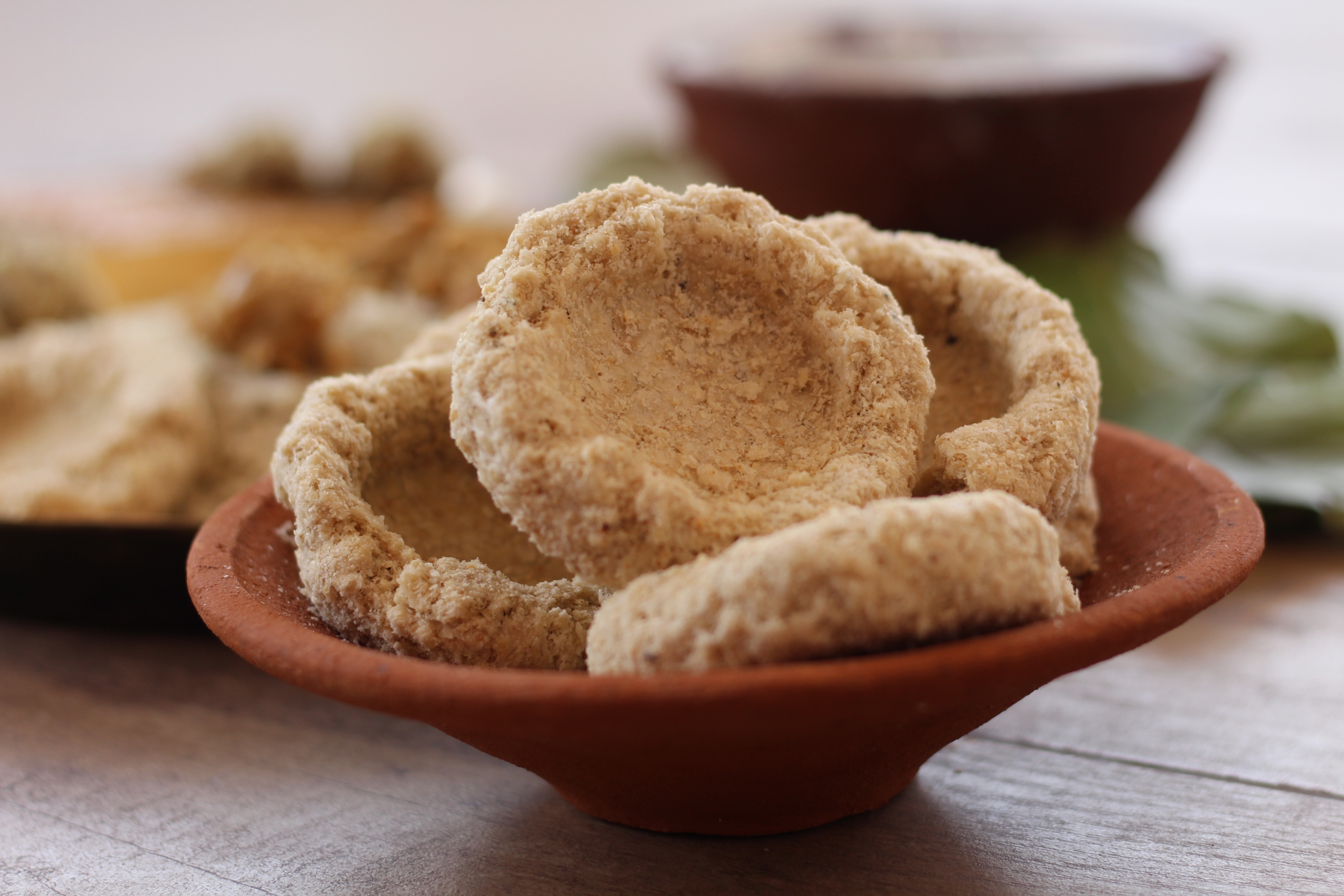
In a small workshop in Gaya, in the Indian state of Bihar, a craftsman lifts a heavy mallet and lets it fall onto a mass of sesame and sugar. He repeats the movement again and again. Each blow alters the mixture slightly, until it becomes a light, brittle dough that will finally take the form of small discs.
The result is tilkut, one of the most characteristic sweets of northern India, particularly prized during the winter celebrations. Its name describes the peculiarity of its making: til means sesame, and kut refers to the act of pounding or striking. Unlike other compact sweets, a good tilkut should crumble easily in the mouth, leaving the toasted flavour of the seeds and the sweetness of the sugar.
Behind this simple speciality lies a history far older than the workshops of Gaya. In India, sesame is a seed deeply bound to spirituality, to ceremonies for the dead, and to the festivals that mark the turning of the seasons.
Tilkut is not, properly speaking, a liturgical food, but its history reveals the extent to which cuisine, religious belief and family memory are interwoven in Indian culture.
A Sweet Born of a Thousand-Year Tradition
Tilkut is made essentially from toasted sesame seeds and sugar, although there are varieties that use gur, known internationally as jaggery, a traditional sweetener obtained principally from sugar cane.
Although it is a speciality closely associated with Gaya and the historic region of Magadh, the cultural roots of its ingredients reach much further back. Sesame, called tila in Sanskrit, appears in ancient Indian texts, including some belonging to the Vedic tradition. Its oil and its seeds were used both in food and in various ritual practices.
The ancient Sanskrit lexical repertories also record the term palāla, which can designate ground sesame and, in certain senses, a sweet preparation made from sesame and sugar. The cultural authorities of Bihar consider these ancient foods to be possible antecedents of tilkut.
There is not, however, sufficient evidence to affirm that the sweet sold in Gaya today was made in the same way two thousand years ago. The history of its commercial production is far more recent. According to the oral tradition of local confectioners, it began to develop during the second half of the nineteenth century.
By the beginning of the twentieth century, tilkut was already established in the commercial life of Gaya. In time it became one of the city’s most recognisable specialities, especially during the cold months, when the workshops multiply their output to meet the demand of the festivals. It is not a particularly striking sweet to look at: to understand its importance, one must know what sesame has come to mean in the religious traditions of India.
A Seed for Honouring the Ancestors
In Hinduism, death does not necessarily mean the disappearance of the bonds between generations. Various religious traditions maintain ceremonies through which descendants remember their dead relatives and fulfil certain duties toward them.
Among these practices is the śrāddha, a set of rites dedicated to the ancestors, known as pitṛs. The ceremonies may include prayers, offerings of food and libations of water, taking different forms according to community and family tradition.
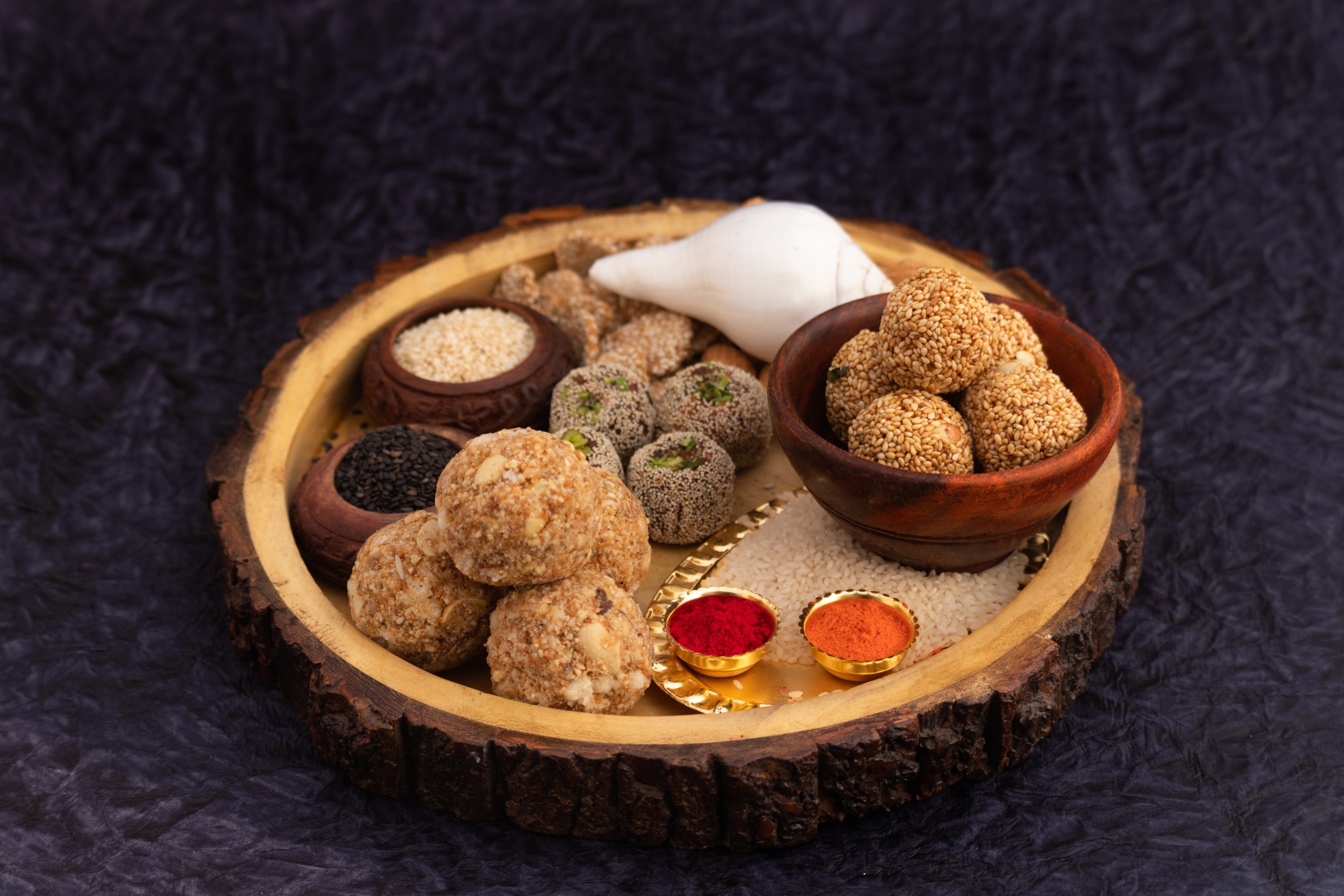
Sesame plays an important part in some of them. Traditional texts such as the Manusmṛti refer to tilodaka, water mixed with sesame seeds used in ritual contexts relating to the dead. The seeds may also form part of preparations offered during funerary and commemorative ceremonies. Few places in India allow a better understanding of the relationship between the afterlife and sesame than Gaya.
The City of Memory
Situated in Bihar, on the banks of the river Falgu, the city is one of the great centres of Hindu pilgrimage connected with ceremonies for the ancestors. Each year, numerous pilgrims arrive from different regions of India to perform the piṇḍadāna, a rite that includes food offerings dedicated to dead relatives.
One of the most important sites is the temple of Vishnupad, dedicated to the god Vishnu. Its religious tradition is bound to a footprint of the deity venerated in the sanctuary.
In its surroundings and in other sacred spaces of Gaya, such as the river Falgu and Akshay Vat, pilgrims perform ceremonies accompanied by priests who specialise in these rituals.
Religious activity reaches a particular intensity during Pitrapaksha, a period of the Hindu calendar dedicated to honouring the ancestors. During those days, Gaya receives pilgrims who come to fulfil a family and religious obligation handed down across generations. In some of these ceremonies sesame seeds are used, together with water, rice and other ritual elements.
But sesame does not have only this funerary connection: it also appears in the family celebrations that announce a new cycle of the year.
Makar Sankranti: the Sesame That Celebrates Life
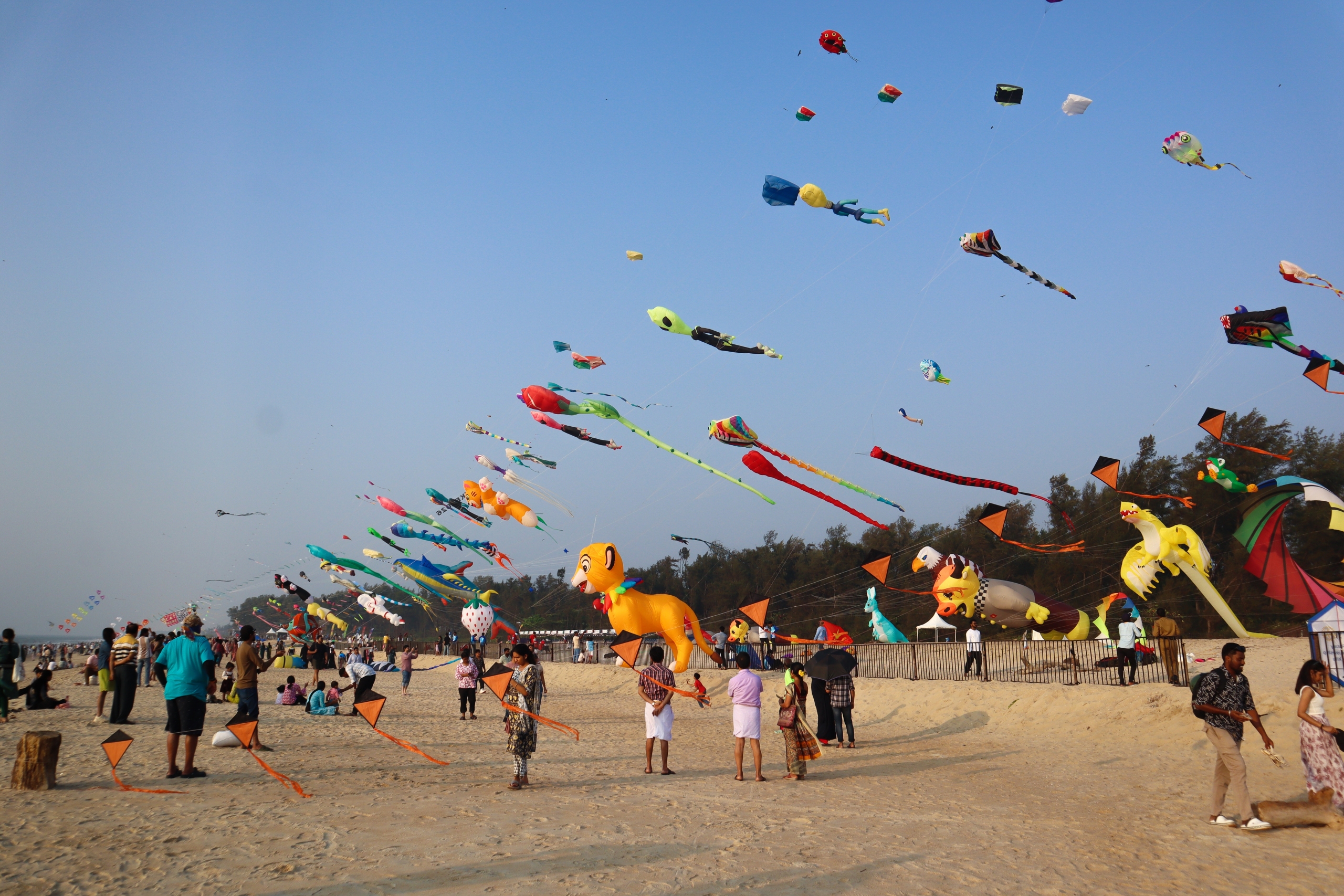
Every January, when Makar Sankranti arrives, sesame seeds take on a special prominence in countless Indian homes. The festival, usually celebrated around 14 January, relates to the passage of the Sun into Makara, Capricorn, in traditional Indian astronomy. Its significance is associated with the solar calendar and with a new stage of the seasonal cycle.
In Bihar, where it is also known as Sakraat, the celebration brings together religious customs, family gatherings and a characteristic cuisine. One of the most representative foods is precisely tilkut.
During those days, the markets of Gaya fill with sesame discs prepared with different kinds of sugar. They are bought to be eaten with family, shared with guests, or taken as a gift. The sweet forms part of a festive table that also features dahi-chura, made with yoghurt and flattened rice, and gur. Another dish common to these celebrations is khichdi, a preparation of rice and pulses.
The presence of sesame at these festivals has religious roots, but also agricultural and seasonal ones. Its seeds have traditionally been associated with eating during the cold months, while cane sugar and jaggery form part of the season’s production.
So the small seed that in some contexts serves to remember the dead serves in others to express hospitality, to share food and to strengthen the bonds between the living.
Gaya, Where Spirituality Is Also Tasted
To discover tilkut in its place of origin, one of the best experiences is to walk the commercial streets of Gaya during December and January. On Ramna Road, traditionally linked to the sweet’s workshops, the shops display different varieties of tilkut alongside other local specialities. In some workshops it is still possible to watch the craftsmen working the dough with the blows that give the product its name.
Among the traditional varieties are white tilkut, made with refined sugar; shakkar tilkut, which uses less refined sugar; and gur tilkut, made with jaggery. The quality of these small pieces is appreciated above all in their texture. A good tilkut should be light and brittle, the result of the balance between the seeds and the sugar and of the confectioners’ work. Gaya tilkut has an application for recognition as a Geographical Indication, submitted in 2022 and still under examination as of November 2026.
But a visit to Gaya offers far more than a gastronomic experience. The traveller can visit the temple of Vishnupad, see the spaces along the river Falgu associated with the rites for the ancestors, and discover a city whose identity is deeply marked by religious pilgrimage.
A few kilometres away, moreover, lies Bodh Gaya, one of the foundational sites of Buddhism. According to Buddhist tradition, it was there that Siddhartha Gautama attained enlightenment beneath the Bodhi tree. The Mahabodhi Temple, inscribed on the UNESCO World Heritage List, commemorates that event and receives Buddhist pilgrims from many countries.
The Connection Between Death and Life
Walking through a market in Gaya, it is possible to find within a few metres a centuries-old craft tradition and a food that points back to far older religious practices.
Tilkut is bought, given and shared during the winter festivals. Meanwhile, in the sacred places of the city, sesame seeds continue to form part of ceremonies through which pilgrims honour their ancestors.
These are different uses of a single ingredient, present in a culture where food, religious rite and family relationships have shaped one another for centuries.
And so, behind a small disc of pounded sesame, a history appears that goes far beyond gastronomy: that of a seed which accompanies the people of India both in the memory of those who have died and in the celebrations of those who go on living.
AI Transparency Notice
PilgriMaps uses artificial intelligence tools to assist in the research, drafting and translation of editorial content. All AI-assisted content is reviewed, edited and verified by our editorial team before publication. We contrast information against primary sources, specialist literature and on-the-ground knowledge to ensure accuracy, cultural sensitivity and editorial integrity.
AI is one tool among many in our workflow. The judgement, curation and responsibility for everything published on this platform remain entirely human.
Viator Media S.L. — in compliance with the EU Artificial Intelligence Act (Regulation EU 2024/1689).