An interview with Mr. Adel El Gendy, the visionary behind Egypt’s most ambitious spiritual tourism project
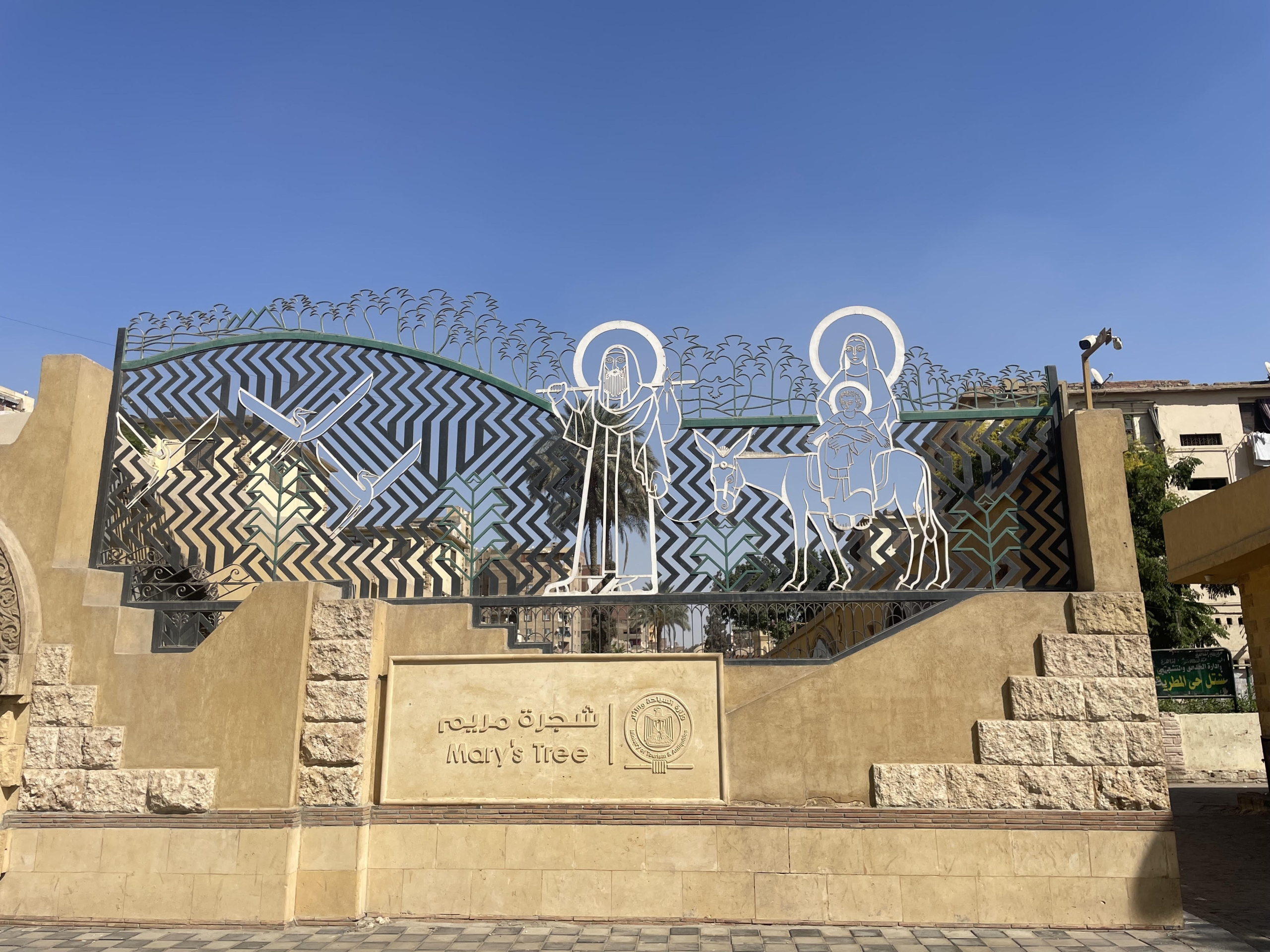
In the soft light of Cairo’s late afternoon, Mr. Adel El Gendy, Head of the Strategic Department at the Ministry of Tourism and Antiquities, speaks with the calm intensity of someone who carries both history and hope in his voice. A Muslim by faith, yet the architect behind what is set to become one of the world’s great Christian routes, he has spent more than twelve years shaping Egypt’s Holy Family Trail — an ambitious plan to revive the path the Virgin Mary, Joseph, and the infant Jesus are believed to have taken during their exile.
Supported by the Egyptian government and recognized by UNESCO, the project aims to transform a biblical journey into a model of cultural unity, ecological balance, and spiritual renewal. A perfect example of a comprehensive tourism experience.
The Holy Family and its enduring message
“Egypt is not only the land where civilizations were born,” says Mr. El Gendy, leaning forward with conviction. “It’s also the land that gave refuge to the Holy Family — the land that protected the child Jesus. This makes Egypt not just part of Christian history, but part of the very history of humanity.”
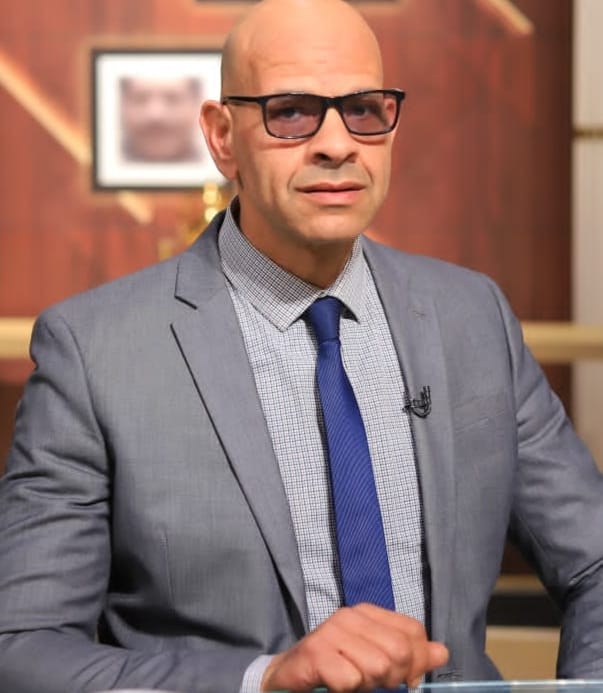
For years, he has worked to turn this sacred legacy into a living, breathing journey. “We are promoting spirituality. Egypt’s goal is to present this trail as a universal story — one of refuge, faith, and peace. It’s a national project for all Egyptians, Muslims and Christians alike.”
Experience of authenticity
The restoration and development of the trail are being organized in carefully planned phases, each corresponding to clusters of sites that can be easily visited together.
“Readiness is everything,” Mr. El Gendy explains. “We evaluate each stop based on three main criteria: physical evidence, accessibility, and services.”
One of the most emblematic clusters, Wadi El Natrun, includes four monasteries among the oldest in the Christian world. “You can walk from one monastery to another,” he says. “It’s a living reenactment of the Holy Family’s journey — similar to the spirit of the Camino de Santiago.”
Future plans even include sustainable forms of travel: “One day, visitors might move between monasteries in donkey carts or horse carriages, just as the Holy Family did. It’s about authenticity, not luxury.”
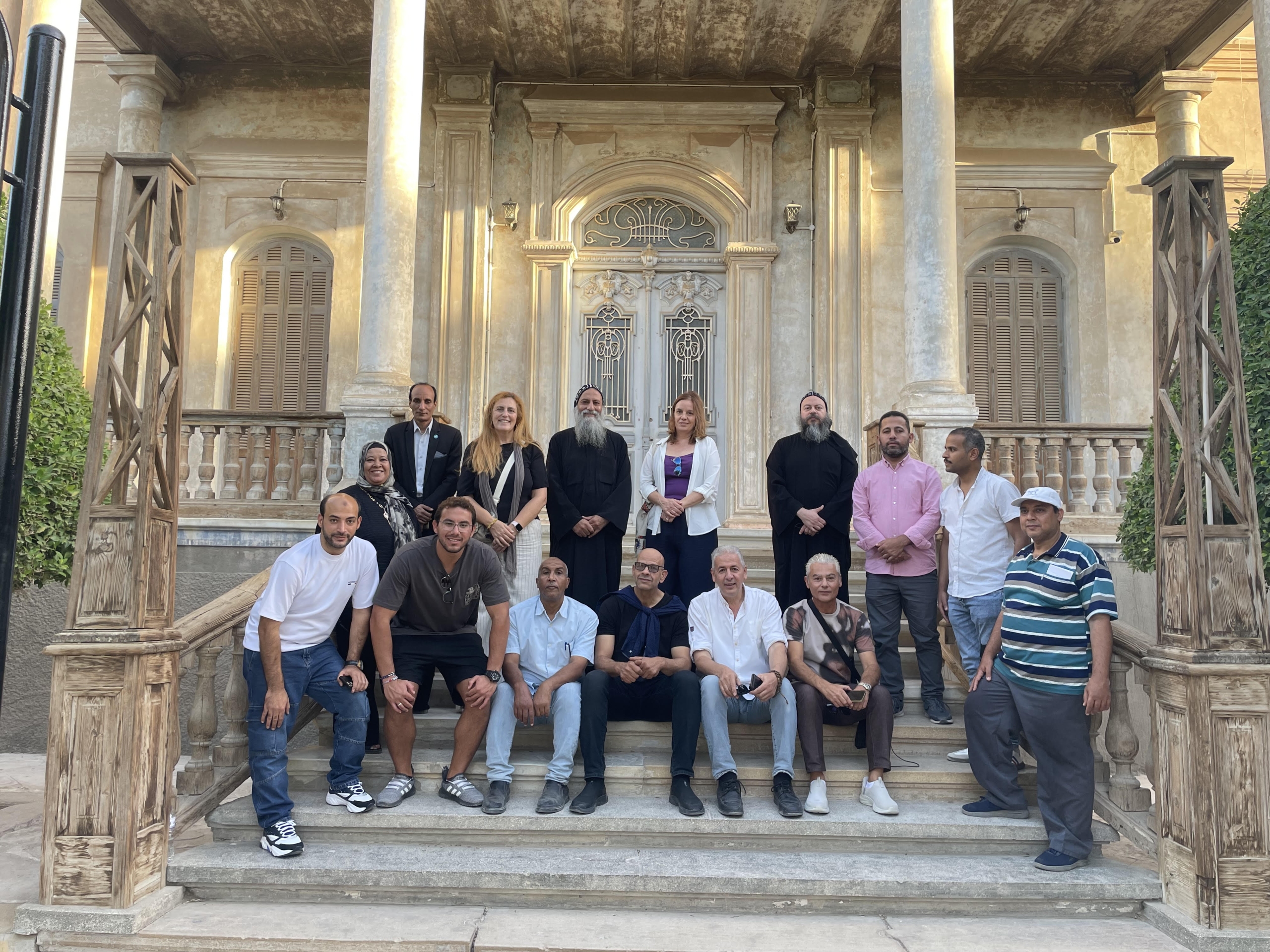
An universal message
“The Holy Family Trail is not only for believers,” Mr. El Gendy underlines. “It’s for every soul seeking peace.”
The project is designed to welcome visitors from all backgrounds. “The message is universal,” he adds. “The trail speaks to the soul, not to the denomination.”
Egypt’s vision is to offer a total experience that fuses pilgrimage with culture: archaeological sites, local communities, eco-lodges, and Nile cruises. “The journey should touch every sense,” he says. “Visitors will not only see churches; they’ll hear stories, meet people, taste Egyptian food, and feel the calm rhythm of the Nile.”
One nation, one heart
Perhaps the most striking element of the Holy Family Trail is its message of unity.
“I’m a Muslim,” Mr. El Gendy l says quietly. “Yet I am responsible for coordinating a Christian pilgrimage route. That’s the essence of Egypt — one nation, one heart.”
He sees the project as a reflection of the country’s shared soul: “The Holy Family Trail is not a religious project; it’s a national identity project.” This is why the initiative has become a symbol of coexistence — and a cornerstone of Egypt’s broader vision for inclusive tourism in the 21st century.
From the Nile to UNESCO
The Holy Family Trail was recognized by UNESCO as part of Egypt’s Intangible Cultural Heritage in November 2022. This recognition, almost unanimously supported by the Intergovernmental Committee, celebrates the spiritual, cultural, and human values of the traditional festivities across Egypt’s Coptic Christian and Muslim communities.
Among its most evocative stops is Deir Dronka, a vast cave monastery in Assiut, where the Holy Family is believed to have lived for six months. “Every year, over three million pilgrims gather there,” Mr. El Gendy says proudly. “It’s a living miracle — a celebration of faith and continuity.”
Other landmarks, like the Church of Gabal El-Teir, dramatically perched above the Nile, and the Monastery of Al-Muharraq, believed to have been blessed by Jesus himself, create what Mr. El Gendy calls “a tapestry of hope and blessing that unites time and belief.”
Where history meets spirituality
At its deepest level, the Holy Family Trail is not only about history — it’s about humanity and common values. “This is not just Egypt’s story,” Mr. El Gendy concludes. “It’s humanity’s story. The Holy Family came to Egypt seeking safety — and they found peace here.”
He pauses for a moment, his eyes shining.
“When visitors come here, they don’t just see monuments. They feel something deeper. Because Egypt is still the land of refuge, the land of blessing — the land where love and faith and humanity meet.”
From Five Verses to Twenty-Five Milestones: How Egypt’s Holy Family Trail Was Born
This content is brought to you in partnership with Synergy and the Egyptian Tourism Authority (ETA)
AI Transparency Notice
PilgriMaps uses artificial intelligence tools to assist in the research, drafting and translation of editorial content. All AI-assisted content is reviewed, edited and verified by our editorial team before publication. We contrast information against primary sources, specialist literature and on-the-ground knowledge to ensure accuracy, cultural sensitivity and editorial integrity.
AI is one tool among many in our workflow. The judgement, curation and responsibility for everything published on this platform remain entirely human.
Viator Media S.L. — in compliance with the EU Artificial Intelligence Act (Regulation EU 2024/1689).
This post is also available in: