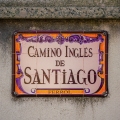
Every seven years, the German city of Aachen revives a tradition that connects the present with more than seven centuries of European history. For several days, thousands of pilgrims and visitors walk its streets as part of the Heiligtumsfahrt—the Pilgrimage of the Relics—one of the continent’s most distinctive religious and cultural events.
Those arriving in Aachen during this period encounter far more than a ceremony centered on historical relics. The entire city becomes a space of hospitality, encounter, and movement. Churches, squares, museums, and historic streets become part of an experience that combines heritage, spirituality, and collective memory.
The next edition is already scheduled: from 17 to 25 June 2028. For travelers seeking cultural experiences that reveal Europe’s deeper history, few opportunities are as compelling as this one.
A tradition that survived wars and epidemics
The Heiligtumsfahrt is one of Europe’s oldest pilgrimages still celebrated on a regular basis. Its documented origins date to 1312, while its seven-year cycle was established in 1349, during the era of the Black Death that devastated Europe. From that point onward, Aachen joined the select group of major medieval pilgrimage destinations alongside Rome, Jerusalem, and Santiago de Compostela.
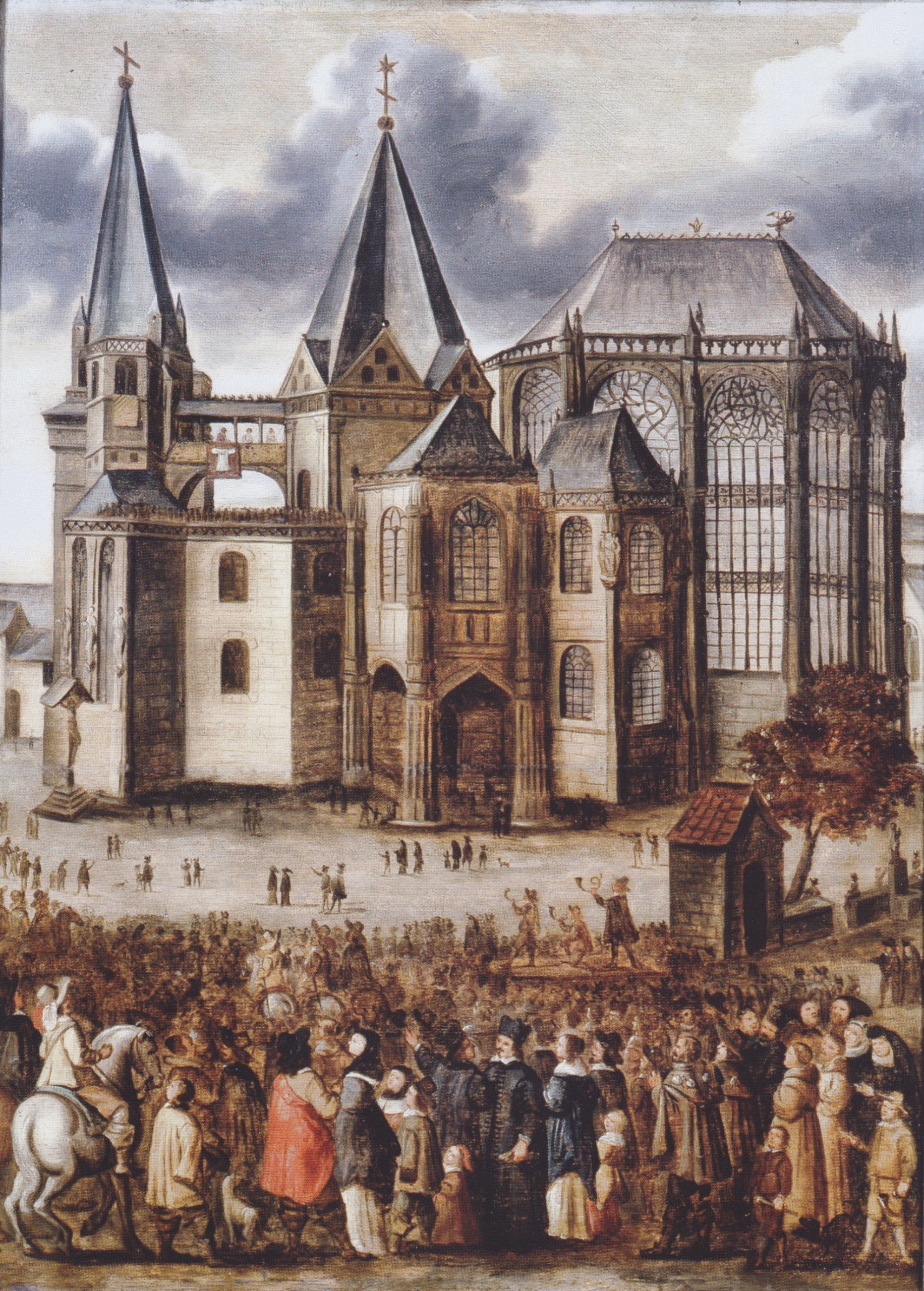
The decision to hold the event every seven years permanently shaped the city’s identity. Unlike other shrines that welcome large numbers of pilgrims year-round, Aachen became associated with an exceptional gathering that occurs only once every seven years.
The continuity of this tradition is particularly remarkable given the upheavals Europe experienced in subsequent centuries. Epidemics, wars, and military occupations forced occasional cancellations. The Thirty Years’ War led to the suspension of the 1636 pilgrimage. The Revolutionary and Napoleonic Wars disrupted the schedule at the end of the eighteenth century. Both World Wars also interrupted the event.
Especially significant was the 1937 edition. In Nazi Germany, the pilgrimage attracted more than 800,000 participants. Various sources describe it as the “pilgrimage of silent protest,” reflecting how many Catholics interpreted the gathering as a public affirmation of identity amid growing ideological pressures from the regime. Without explicit political declarations, the simple presence of hundreds of thousands of people assembled around a centuries-old religious tradition acquired a meaning that extended well beyond the spiritual sphere.
The Second World War again interrupted the normal cycle. Yet in 1945, shortly after hostilities ended, a smaller Heiligtumsfahrt symbolized the return of religious and communal life to a city deeply marked by destruction. From 1951 onward, the seven-year cycle resumed and has continued almost uninterrupted to the present day.
More recently, the COVID-19 pandemic forced the postponement of the pilgrimage planned for 2021, which ultimately took place in 2023. It was the first major modern interruption of a tradition accustomed to surviving historical crises.
Aachen: A city designed for walking
One of the first surprises for visitors is that the Heiligtumsfahrt does not take place solely within the cathedral. In reality, the entire city participates in the pilgrimage. Aachen’s historic center is ideally scaled for exploration on foot. Its principal monuments are concentrated around the cathedral, but the pilgrim’s experience begins long before reaching it.
Today’s organizers propose several approach routes that allow visitors to rediscover the city from both historical and spiritual perspectives. There is no single mandatory path. Instead, a network of converging routes gradually leads toward the heart of the event.
This characteristic is one of the most appealing aspects of the contemporary pilgrimage. Visitors are not merely spectators attending a ceremony; they experience the city through movement and walking.
Arriving from the Central Station
For most modern travelers, the experience begins at Aachen Hauptbahnhof, the city’s main railway station. From there, the recommended route passes through some of the most representative spaces in the urban center. The path follows Leydelstraße and Wallstraße toward Marienplatz and St. Marien Church, one of the first places of pause and reflection for many pilgrims.
As visitors move toward the historic center, the atmosphere gradually changes. Organized groups appear, volunteers welcome newcomers, and spaces associated with the pilgrimage become increasingly visible.
Before reaching the cathedral, the route passes St. Foillan Church, historically regarded as Aachen’s first parish church. Its proximity serves as a symbolic announcement of arrival at the principal sanctuary. Eventually, the streets open into the monumental ensemble formed by the cathedral, Münsterplatz, and the Katschhof.
Although the walk takes only a few minutes, it illustrates a fundamental idea of the Heiligtumsfahrt: the pilgrimage begins on the road.
The St. Jakob Route: A link to Santiago
A second approach is particularly interesting for those wishing to explore the European dimension of medieval pilgrimage.
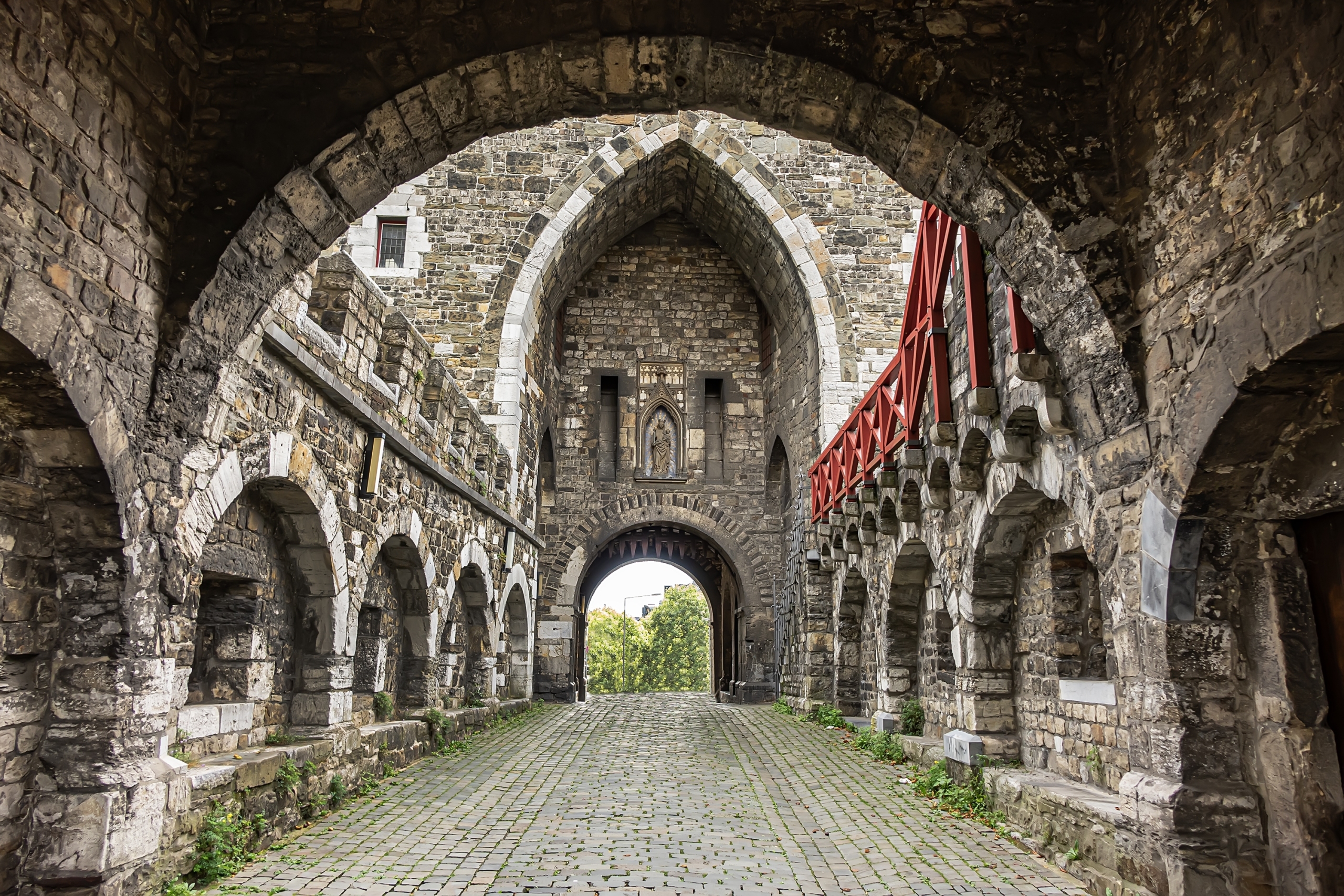
The route begins at Bahnhof Schanz in the western part of the city, where the historic Jakobstor once stood as one of the gates in Aachen’s medieval walls. From here, the path leads to St. Jakob Church, whose history is closely connected with the routes to Santiago de Compostela. The presence of Compostela symbols recalls Aachen’s role within a broader network of pilgrimage roads linking Europe’s principal sacred destinations.
The route continues through Jakobsplatz, Mühlenberg, Roskapelle, and Annakirche, following quieter streets that reveal a more everyday and tranquil image of the city.
For many visitors, this itinerary offers one of the best ways to connect with the historical spirit of the pilgrimage.
The Pilgerrundgang: The City as a Sanctuary
For those visiting Aachen during the Heiligtumsfahrt, one experience stands out above all others: the Pilgerrundgang, or Pilgrim’s Walk. This route, consisting of seventeen stations, proposes a different way of reading the city.
Beginning at the Fischmarkt, where a scallop shell commemorates Aachen’s historic European connections, it gradually advances toward the cathedral through sites rich in historical significance.
Unlike a conventional sightseeing tour, the Pilgerrundgang encourages visitors to pause, observe, and reflect. Each station offers an opportunity to understand some aspect of Aachen’s urban, religious, or cultural history. Among the highlights are several churches that serve as places of rest and welcome: St. Jakob, St. Marien, St. Peter, and Heilig Kreuz.
The route’s significance lies in how it transforms perceptions of the city. The cathedral no longer appears as an isolated monument but as the center of a network of places converging toward it.
The heart of the pilgrimage: The cathedral and the Katschhof
Everything ends—and at the same time begins—at Aachen Cathedral. Few European buildings possess comparable symbolic significance. Originally built as Charlemagne’s Palatine Chapel, later serving as the coronation church of German kings, and now recognized as a World Heritage Site, it remains the true heart of the city.
During the Heiligtumsfahrt, the building takes on a special intensity. Thousands pass through its doors to participate in ceremonies or simply to contemplate one of Europe’s most important historic spaces. Yet the contemporary experience unfolds outdoors as well.
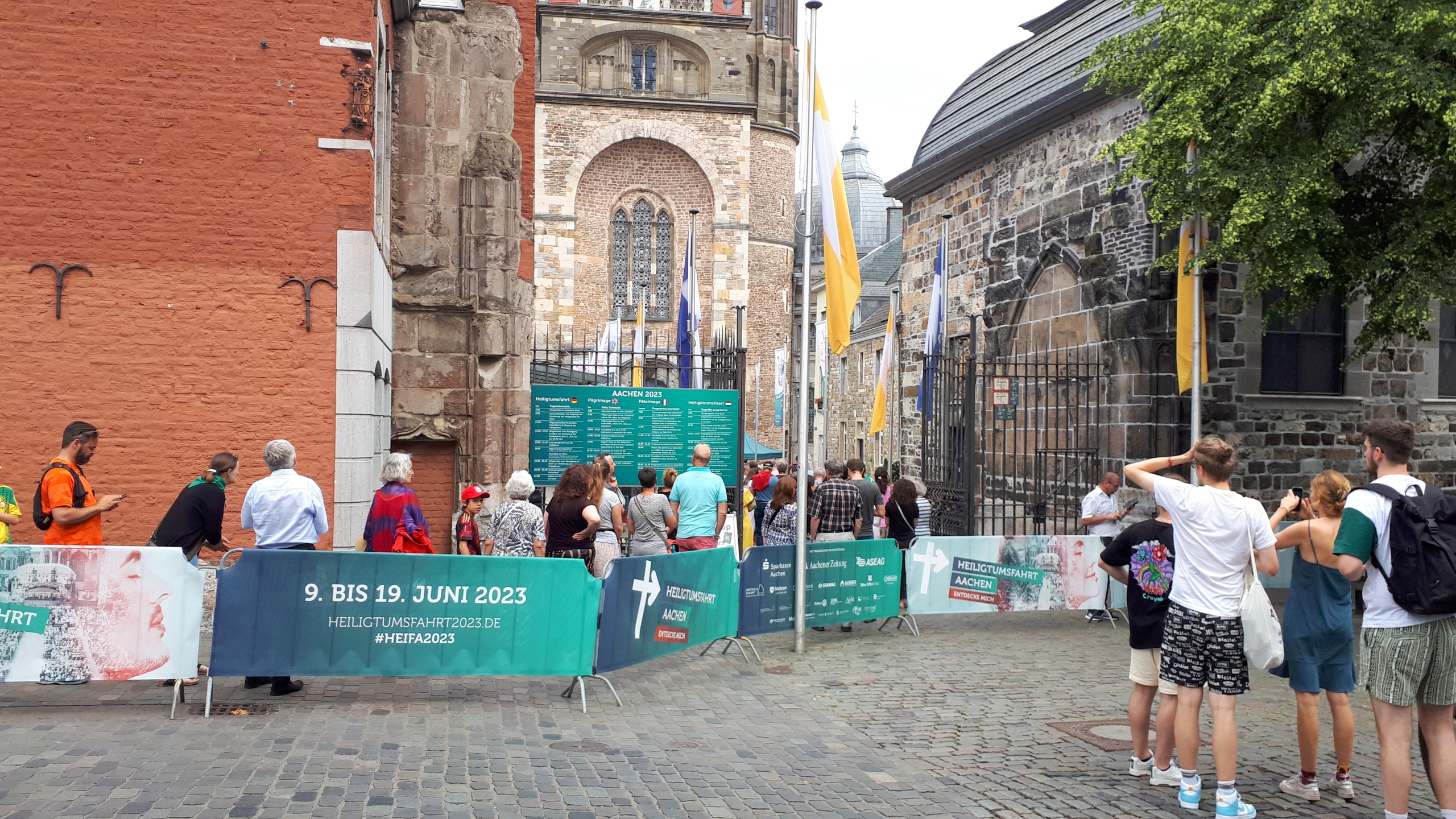
The Katschhof, the large square beside the cathedral, becomes an immense open-air gathering space where major celebrations, meetings, and cultural activities take place. Together, these two spaces perfectly encapsulate the contemporary spirit of the Heiligtumsfahrt: religious tradition and urban life integrated into a single experience.
A day during the Heiligtumsfahrt
The daily rhythm of the pilgrimage follows a carefully organized pattern. The celebration begins with the opening ceremony of the Marienschrein, the great reliquary shrine that houses the relics. This event brings together representatives of both the cathedral and the city, recalling an ancient tradition of shared custodianship. From that point onward, each day revolves around a sequence of celebrations and gatherings.
The morning hours are devoted to prayer and services in the cathedral, followed by large communal events in the Katschhof. Throughout the day, pilgrims explore the city, visit churches, attend lectures, or participate in cultural activities.
Evenings have their own distinctive atmosphere. Concerts, musical performances, and cultural programs extend activity well beyond the hours associated with ordinary sightseeing. The overall impression is that of a city fully engaged in the celebration.
Much more than relics
One of the greatest misconceptions is that the Heiligtumsfahrt is of interest only to believers. Recent editions have featured more than 140 parallel activities, including exhibitions, guided tours, theatrical performances, concerts, and cultural gatherings.
Institutions such as the Centre Charlemagne and the Cathedral Treasury organize dedicated programs that place the pilgrimage in historical context and showcase the city’s remarkable heritage.
As a result, visitors come from a wide variety of backgrounds. Alongside pilgrims are medieval art specialists, cultural travelers, photographers, history students, and tourists interested in experiencing a tradition unique in Europe. The Heiligtumsfahrt thus functions as a meeting point between past and present, heritage and experience, historical memory and contemporary life.
A European experience
In an age dominated by fast-paced tourism, Aachen’s Pilgrimage of the Relics offers something different: the opportunity to move through a city according to the measured rhythm of a tradition that has remained alive for centuries.
Perhaps that is its greatest attraction. It offers not only the chance to see exceptional monuments or participate in a rare event, but also an opportunity to understand how a European city has preserved a collective memory capable of surviving epidemics, world wars, political change, and cultural transformation without losing its essence.
Every seven years, Aachen reminds visitors that pilgrimages were never merely about reaching a destination. Above all, they were a way of walking through history. Few cities allow that experience to be felt as clearly today as this one.
The collector collected: Charlemagne’s relics and the pilgrim city of Aachen
AI Transparency Notice
PilgriMaps uses artificial intelligence tools to assist in the research, drafting and translation of editorial content. All AI-assisted content is reviewed, edited and verified by our editorial team before publication. We contrast information against primary sources, specialist literature and on-the-ground knowledge to ensure accuracy, cultural sensitivity and editorial integrity.
AI is one tool among many in our workflow. The judgement, curation and responsibility for everything published on this platform remain entirely human.
Viator Media S.L. — in compliance with the EU Artificial Intelligence Act (Regulation EU 2024/1689).
This post is also available in: