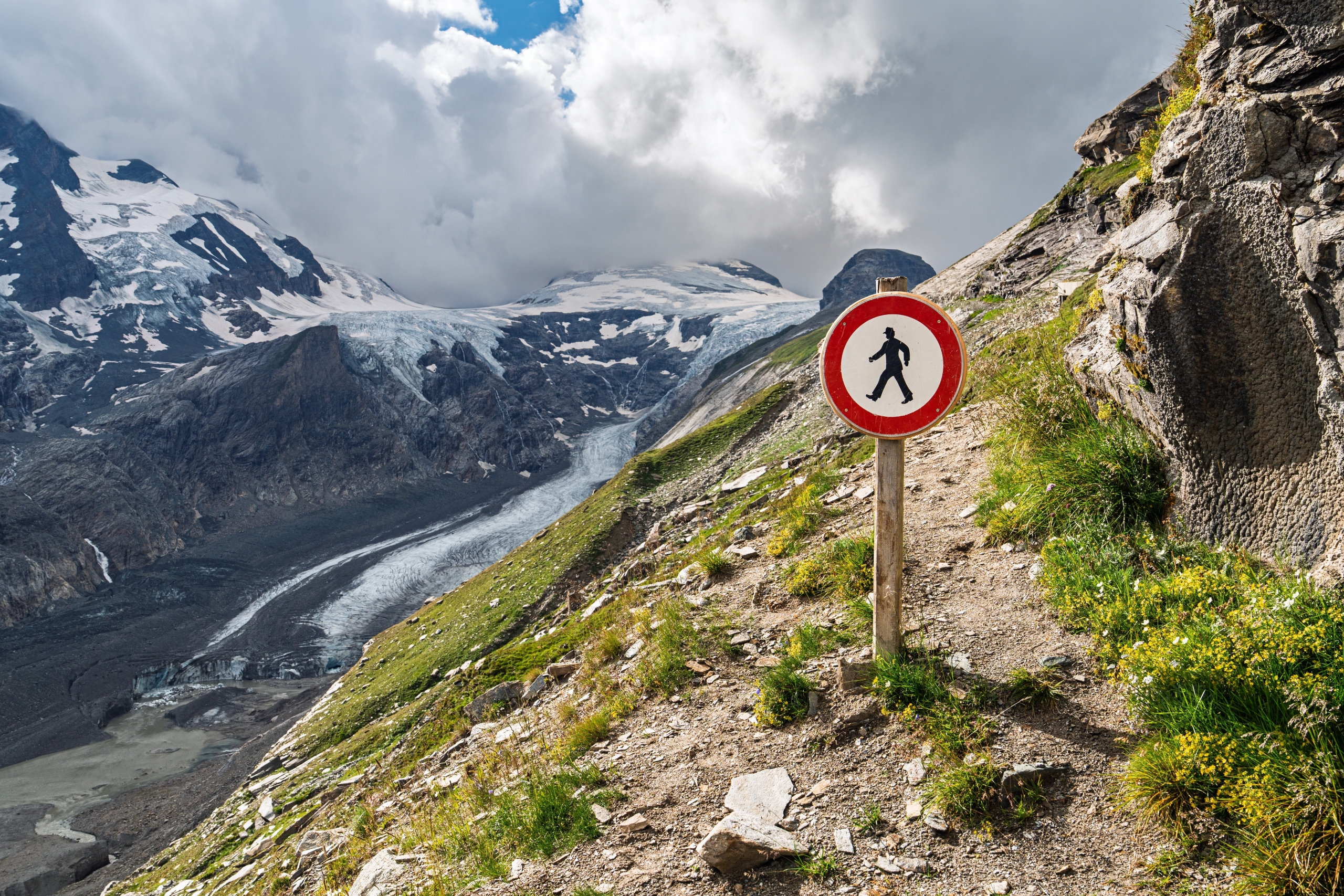
In the heart of the Apennines, as the first winter snow transforms the landscape into a striking white expanse, a quiet tragedy unfolds year after year. In 2022, 504 people died in challenging natural environments in Italy—an increase of 13.5% compared to the previous year. It is a figure that demands attention and reveals a worrying trend that receives limited public discussion.
The situation remains severe. In 2024, Italian mountains recorded 466 fatalities, alongside 1,431 people seriously injured and 5,288 with minor injuries. Behind these numbers lie individual lives, families permanently affected, and thousands of volunteers from the Corpo Nazionale Soccorso Alpino e Speleologico, who put their own safety at risk every day to assist those in trouble.
These data underscore a basic but often neglected principle: undertaking any walk—whether simple or complex—requires accurate preparation and consultation of official, reliable sources. In an era when anyone can present themselves as an “expert,” responsibility for accidents does not rest solely with the imprudent or inexperienced, but also with those who circulate incomplete or misleading information.
Some media outlets and digital platforms promote routes with vague or partial descriptions. The result is that unprepared visitors venture into environments that, especially in winter, demand technical equipment and experience, treating them as if they were casual outings. This is how preventable tragedies take shape.
A distorted perception of risk
Why do people repeatedly enter hazardous terrain without adequate preparation? Research points to the psychology of risk perception. A study conducted by Eurac Research involving more than 3,800 participants revealed that nearly one third of tourists interviewed in Sesto Pusteria believed the probability of suffering an accident during a hike was zero.
This underestimation is compounded by another discrepancy. While experienced respondents—often members of associations—correctly identify hiking as one of the activities most frequently requiring rescue interventions, tourists consistently downplay its risks. The gap between perception and reality is central to the problem.
Scientific research further shows that risk perception varies with age and experience. As both increase, a heightened sense of confidence can paradoxically lead to riskier behavior. Even more concerning is the tendency to prioritize psychological risk—fear of embarrassment or admitting limitations—over physical danger. In such cases, individuals proceed into objectively unsafe situations to preserve their self-image.
What the numbers show
Italy provides a clear example. In 2022, the mountain rescue service carried out 10,367 rescue missions, a 9.8% increase over the previous year. High levels persisted: in 2024, 12,063 missions assisted 11,789 people.
The typical profile of those involved is revealing: predominantly Italian men between 50 and 60 years old, often sustaining minor injuries after slipping during hikes, particularly in August. Hiking accounts for 50.2% of incidents, followed by mountain biking (9%), alpine skiing (7.8%), and traditional mountaineering (5.4%).
Another significant factor is affiliation with outdoor or alpine clubs. The majority of rescued individuals are not members of any association, missing structured opportunities for training in risk prevention that such organizations routinely provide.
The summer of 2025 marked one of the most tragic periods in recent years: between 21 June and 23 July alone, 83 fatalities occurred as a result of mountain accidents.
The growing appeal of long-distance routes
Alongside traditional mountain tourism, recent years have seen a sharp rise in long-distance walking routes and pilgrimages. The Via Francigena, the Cammino di San Francesco, the Via degli Dei, and the Camino de Santiago attract thousands of walkers each year, Italian and international alike, seeking an experience that combines landscape, reflection, and personal challenge.
Slow walking in natural settings has been widely shown to produce physical and psychological benefits. Multiple studies indicate that outdoor walking can significantly support people recovering from intense emotional stress.
However, the popularity of these routes should not obscure a basic reality: paths labeled as “spiritual” or “contemplative” can still present serious challenges and require appropriate preparation.
The Via Francigena, for instance, crosses sections of the Apennines that become hazardous in certain seasons. The Cammino di San Benedetto extends for 300 kilometers through Umbria, Lazio, and Campania, with substantial elevation changes. Even routes perceived as easy can become dangerous when tackled without adequate physical, technical, and mental readiness.
Walking with awareness
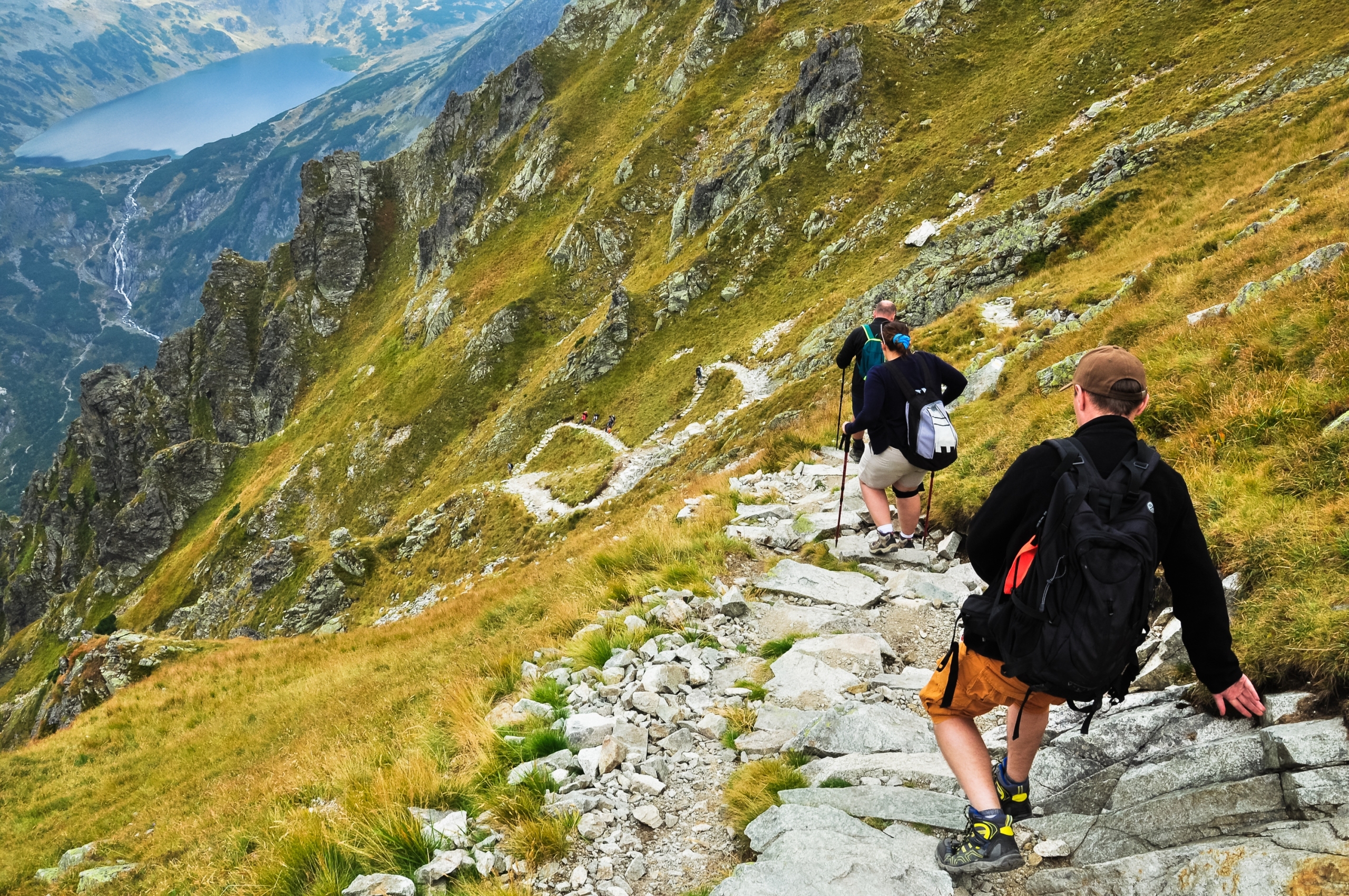
The answer is not to discourage engagement with mountains or long-distance routes. On the contrary, these journeys offer significant opportunities for personal, physical, and cultural growth. They simply require preparation and awareness.
Before setting out, several principles are essential:
- Rely on accurate information. Consult official and up-to-date sources. Be cautious of generic descriptions that fail to distinguish between seasonal conditions. Check publication dates and seek recent reports on trail status.
- Assess personal abilities realistically. Choose routes aligned with one’s physical and technical capacity. Avoid pressure to keep pace with others or to pursue overly ambitious goals. Elevation, exposure, and weather can rapidly transform an apparently simple route into a demanding one.
- Use appropriate equipment. Each season and terrain demands specific gear. Snowshoes, for example, are suitable on certain routes but dangerous on ice or steep slopes. Many rescues occur on trails turned into sheets of ice because walkers selected unsuitable equipment or ignored weather forecasts.
- Invest in training. Courses offered by recognized associations teach essential skills: map reading, interpreting forecasts, and identifying hazards such as avalanche risk or icy conditions. Training can be lifesaving.
- Accept limitations. Knowing when to turn back is critical. The ability to renounce a goal under unfavorable conditions is a form of responsibility, not weakness.
- Plan carefully. Study routes in advance, calculate realistic timings with safety margins, inform someone of the planned itinerary, and carry essentials such as a map, headlamp, first-aid kit, and sufficient food and water.
A cultural responsibility
What is ultimately needed is a cultural shift. Mountains and long-distance routes are not amusement parks or backdrops for social media. They are environments that demand respect, preparation, and informed decision-making.
Each year, thousands of mountain rescue volunteers contribute vast amounts of time to saving lives. In 2024 alone, 42,589 volunteer technicians devoted 183,846 hours to rescue operations. Many of these interventions could be avoided through better information and preparation.
Life is not expendable. It is too valuable to be risked through superficial planning, unreliable online advice, or the desire to imitate others. Walking is deeply rewarding, long-distance routes can be transformative, and mountain landscapes offer powerful experiences. None of this has meaning unless we walk not only with our feet, but with our judgment as well.
Article inspired by “Gran Sasso, le pericolosissime ‘ciaspolate’ di Repubblica e AllTrails” by Stefano Ardito, published in Luoghi Misteriosi, 5 January 2026.
AI Transparency Notice
PilgriMaps uses artificial intelligence tools to assist in the research, drafting and translation of editorial content. All AI-assisted content is reviewed, edited and verified by our editorial team before publication. We contrast information against primary sources, specialist literature and on-the-ground knowledge to ensure accuracy, cultural sensitivity and editorial integrity.
AI is one tool among many in our workflow. The judgement, curation and responsibility for everything published on this platform remain entirely human.
Viator Media S.L. — in compliance with the EU Artificial Intelligence Act (Regulation EU 2024/1689).
This post is also available in: