Most people assume they know Swedish food thanks to IKEA: meatballs with lingonberry jam, smoked salmon, crispbread stacked neatly beside a plate. Yet Sweden’s gastronomic landscape extends far beyond that familiar showroom menu. It is curious, shaped by climate, at times disconcerting—and undeniably compelling.
As for whether it is delicious, that depends on the palate.
Some dishes tell stories of survival in prolonged winters. One fermented fish once led to eviction proceedings. A structured coffee break has influenced workplace culture well beyond Scandinavia.
Let us begin at the beginning.
Lutefisk: Fish in lye
Before it reaches a set table, lutefisk (lutfisk in Swedish) undergoes a transformation that seems chemically improbable.
The process starts with dried cod. It is soaked in water for five or six days. Then it is immersed in an alkaline lye solution—yes, lye—for another two days. At this stage, the fish swells; its protein and fat content decreases by more than half, and its texture becomes gelatinous. The pH rises to 11 or 12. The fish turns caustic.
It is not edible. Not yet.
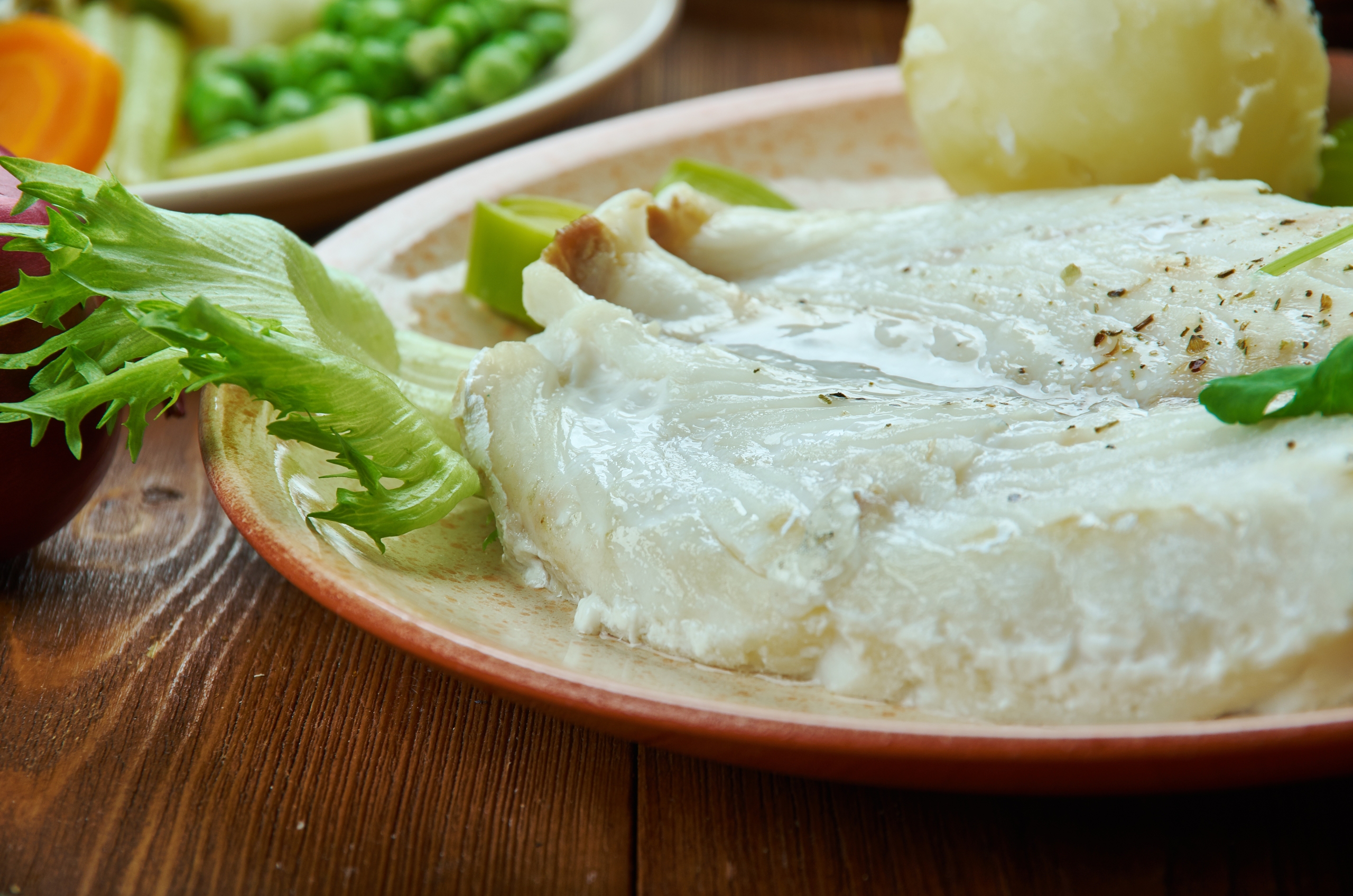
It must then be soaked again in cold water for four to six days until it returns to a safe chemical balance. Only then is it cooked—traditionally baked or steamed very slowly to preserve its delicate, translucent structure.
Why such effort? The precise origins remain uncertain, though traditional stories circulate. One tells of a pot of cod overturned by lightning, the fish falling into alkaline ashes later soaked by rain. Rather than waste scarce food, someone washed and cooked it.
Necessity as the mother of invention—and of gelatinous fish.
Surströmming: Opening the can as an act of resolve
If lutefisk is unusual, surströmming belongs to another category entirely. Its history once reached a courtroom.
In 1981 in Germany, a landlord evicted a tenant without notice after brine from a can of surströmming spilled into the building’s stairwell. The court sided with the landlord.
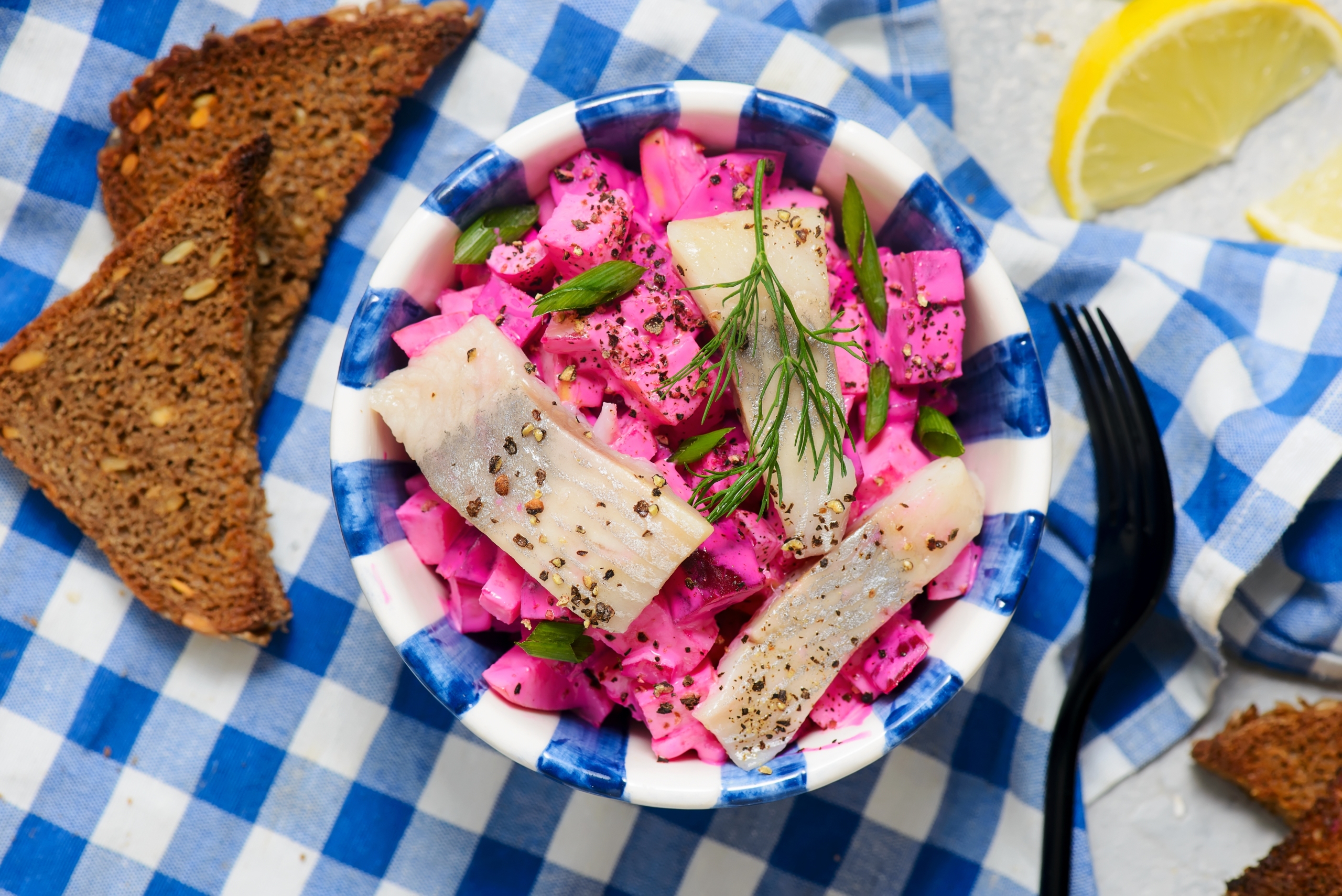
Surströmming consists of Baltic herring fermented in barrels for one or two months, then canned in a light brine so fermentation continues. Within a year, gases produced by the process cause the can to bulge. A swollen tin in the supermarket is not defective packaging. It is chemistry at work.
Food critic Wolfgang Fassbender observed that “the greatest challenge in eating surströmming is to vomit only after the first bite, not before.”
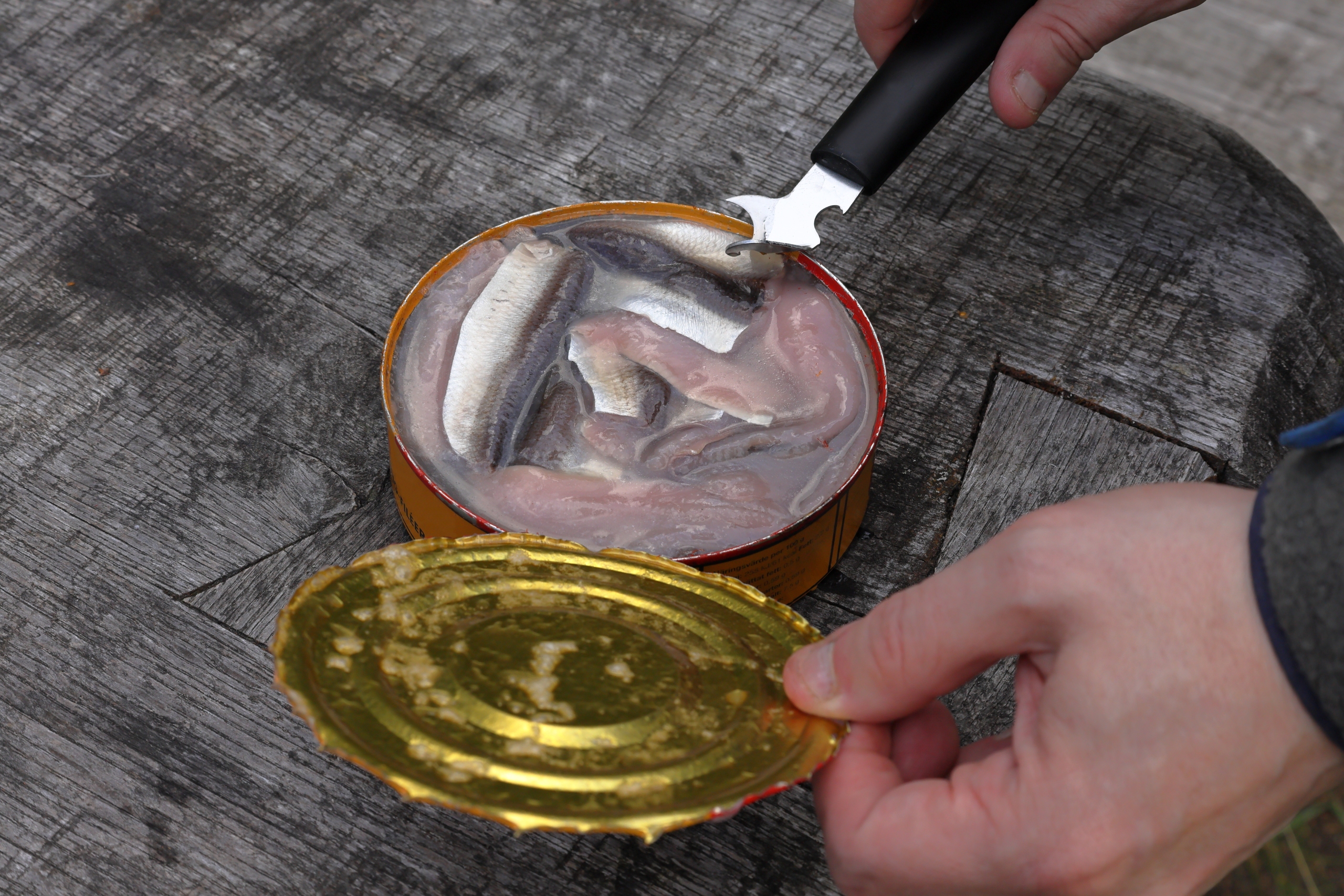
And yet it remains part of Swedish food culture. It is served outdoors—always outdoors—to mitigate the intensity of its aroma, placed on thin bread with potatoes, onion, and sour cream. It functions as nourishment, but also as marker of identity. According to Professor Mathias Ephraim Nygaard of the Newman Institute in Uppsala, consuming it expresses cultural values of simplicity, naturalness, belonging, community, and a measure of rural counterculture.
A fish that borders on manifesto.
Pyttipanna: Monday philosophy
There is a Swedish dish that conveys something deeply human. Pyttipanna literally means “small pieces in the pan.” It is traditionally associated with Monday mornings: the meal prepared from whatever remains in the refrigerator.
The most common version combines diced meat sautéed with potatoes and onions, accompanied by pickled beetroot and gherkins, and topped with a fried egg.
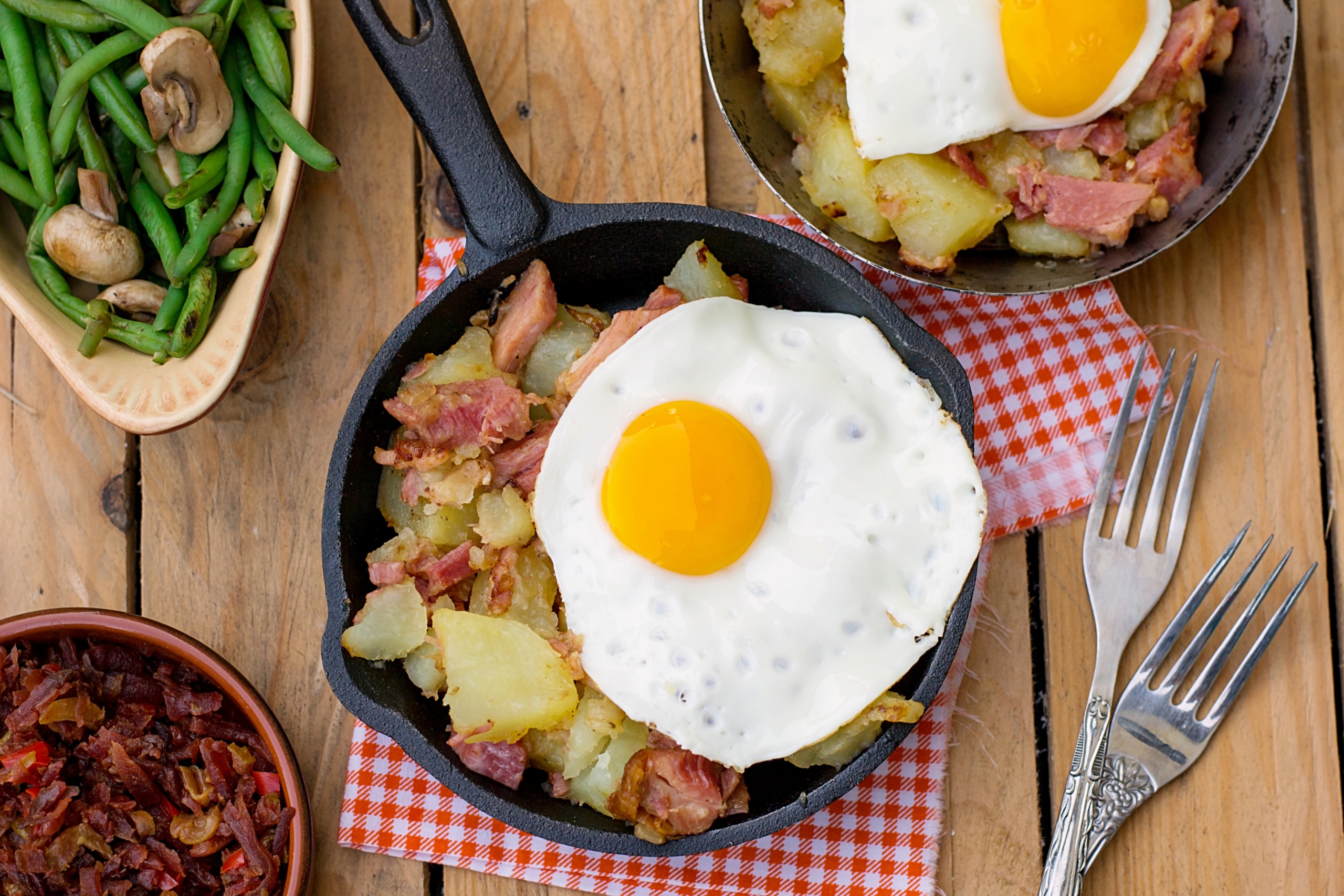
There is no official recipe. Each household prepares its own variation. Each Monday differs from the last. Paradoxically, many now cook it from scratch rather than from leftovers, because its flavor has become indispensable.
Waste reduction transformed into culinary philosophy—long before it became fashionable.
Gravlax: Buried salmon
The name is descriptive. Grav means “to bury.” Lax means “salmon.”
Historically, Scandinavian fishers literally buried salmon in sand to ferment. Today the preparation involves curing the fish with salt, sugar, and dill, allowing it to marinate without heat. The transformation is chemical and gradual.
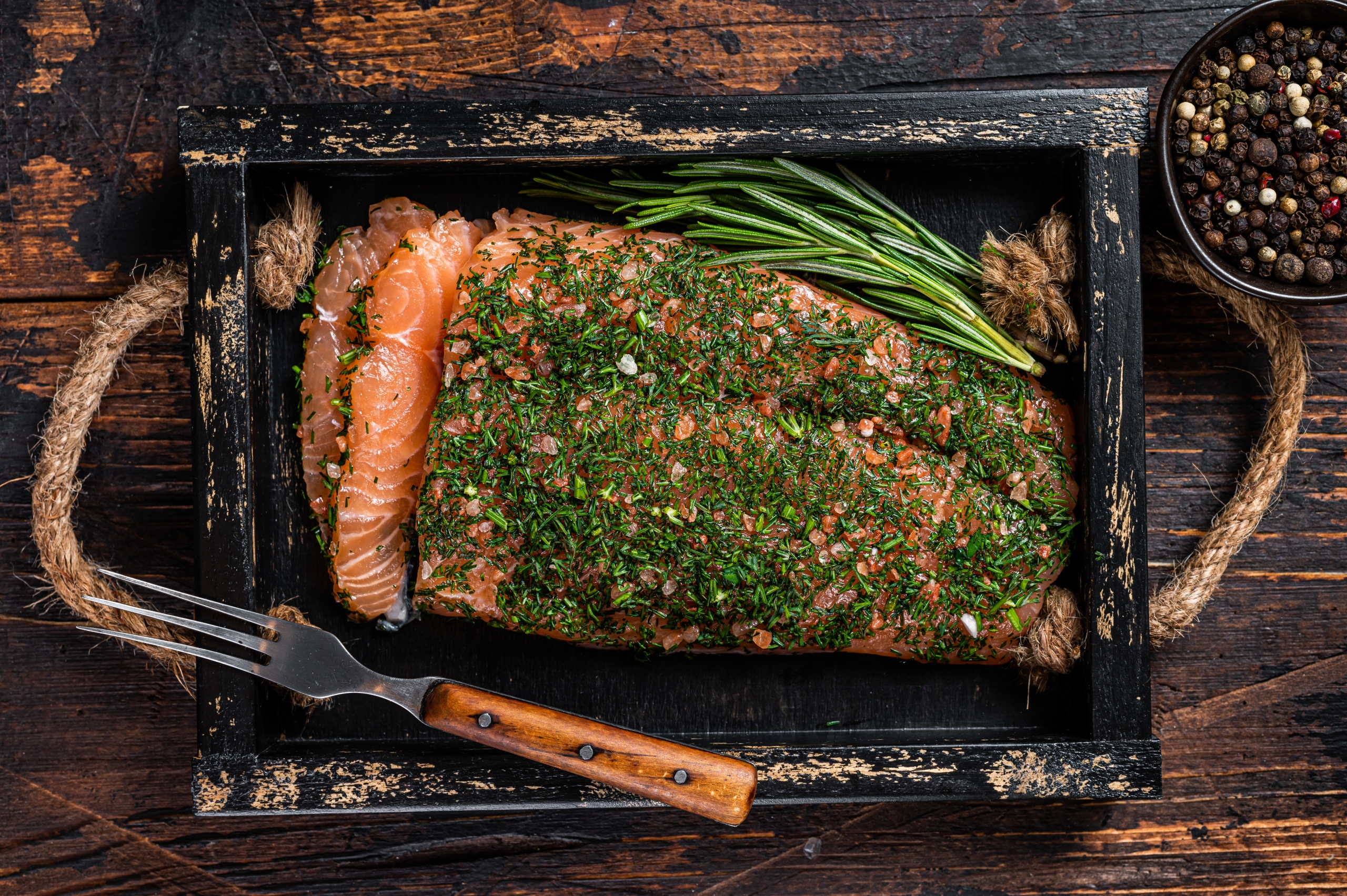
The result is silk-like in texture, deep red in color, aromatic yet restrained.
Gravlax may be the most internationally recognizable ambassador of Swedish cuisine. It does not intimidate, does not overwhelm with scent, does not require resolve. It needs only a white plate.
Ärtsoppa: Thursday soup
Every Thursday. For centuries.
Swedish yellow pea soup, prepared with pork, onion, clove, and herbs such as thyme, marjoram, and dill, has traditionally been eaten that day in preparation for the former Christian fast on Friday. In the Middle Ages, Friday was meatless; Thursday offered a final opportunity.
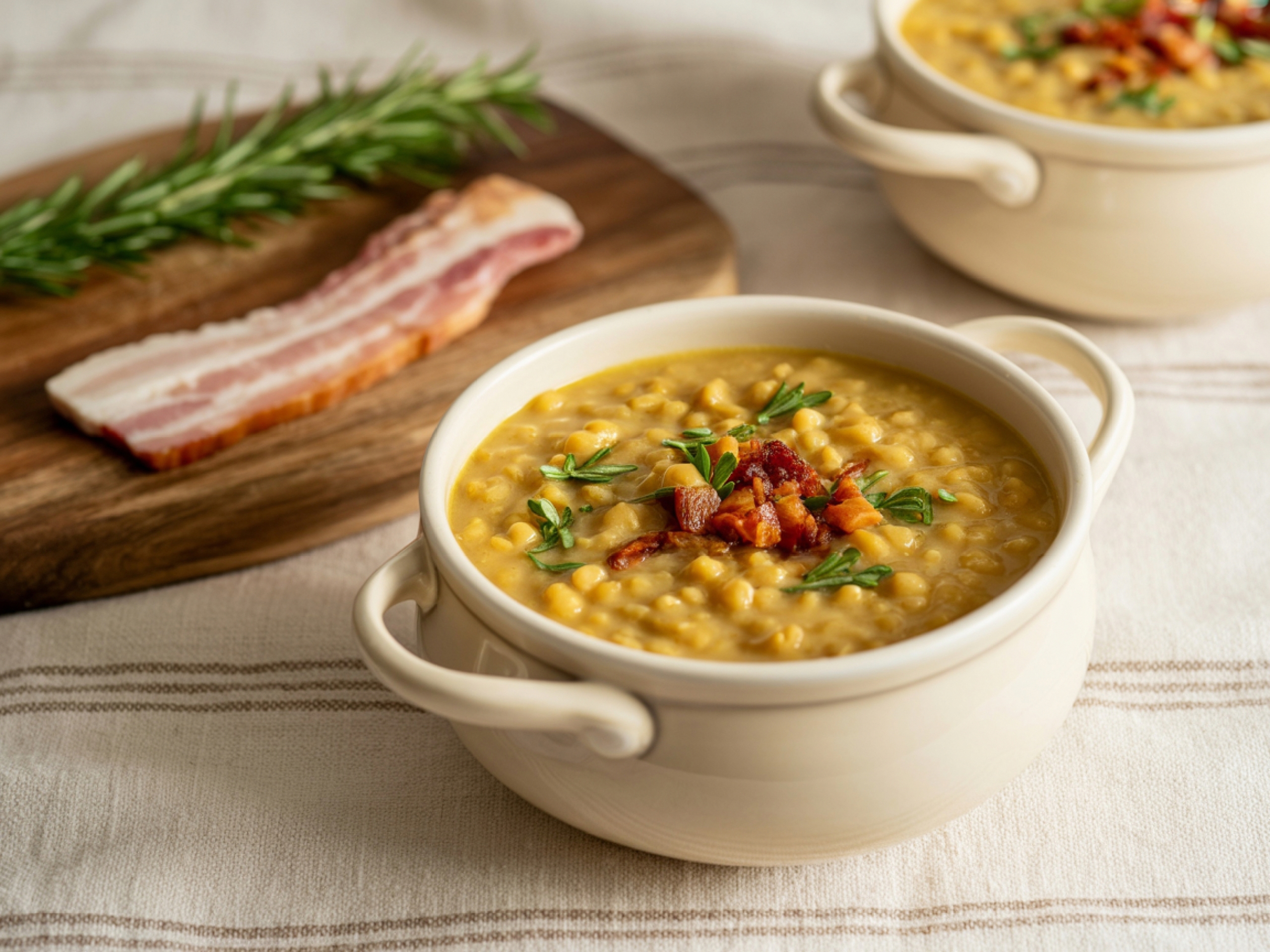
The fast faded. The soup endured.
It is served with grainy mustard and dark toasted bread. In many traditional restaurants it remains the dagens rätt—the dish of the day—on Thursdays. Consistently.
Fika: A ritual that shaped productivity
It is not a dish. It is a social structure.
Fika is commonly translated as a coffee break. The phrase is insufficient. The practice involves a structured pause, usually mid-morning and mid-afternoon. Work stops. Coffee is poured. Something sweet—often a kanelbulle, or cinnamon roll—is shared. Conversation follows.
Research in organizational well-being supports what Swedish workplaces have long practiced: structured breaks reduce stress hormones, improve concentration, and reinforce social bonds. Fika reflects applied behavioral insight as much as custom.
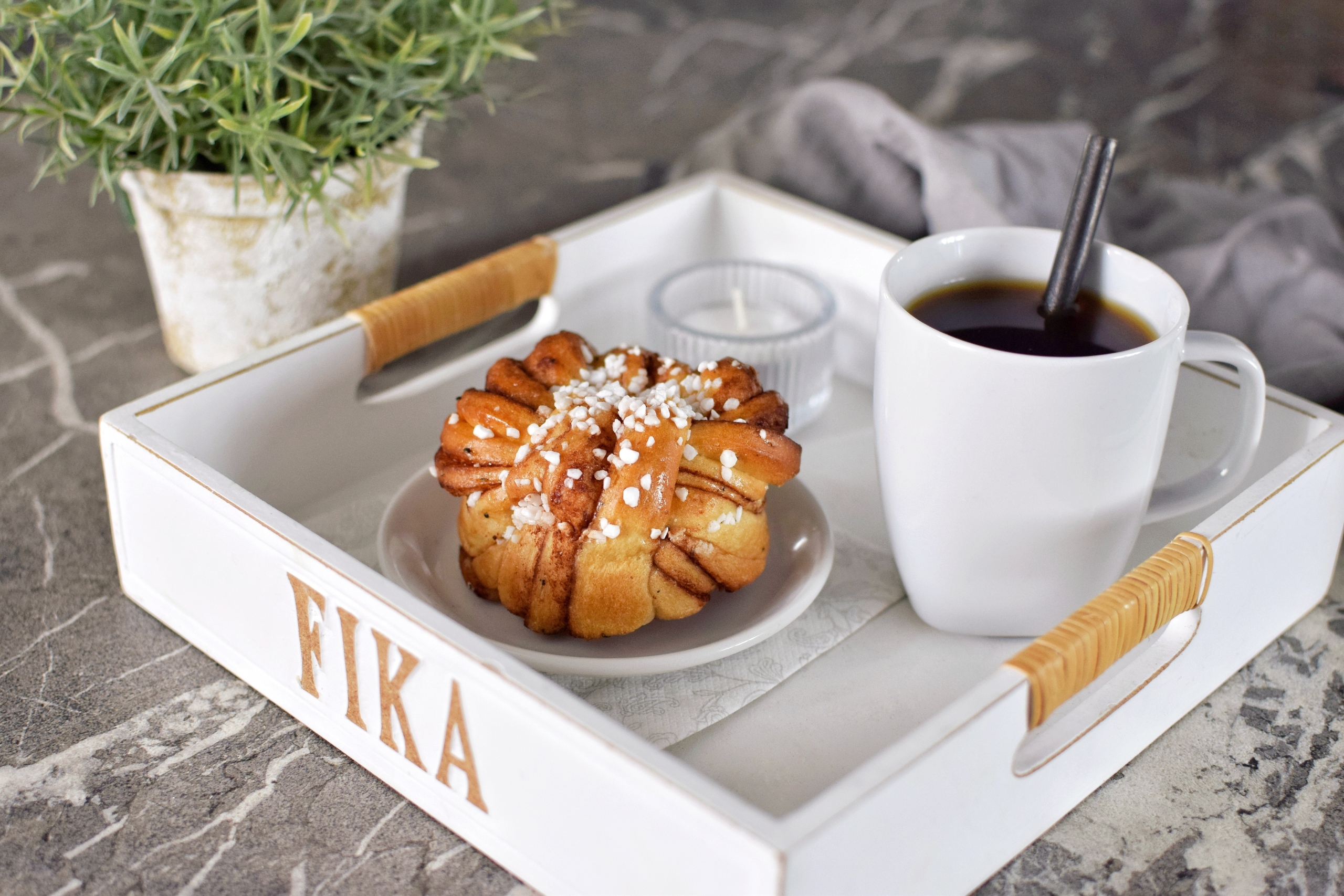
The kanelbulle emerged in the 1920s. Sweden even observes Kanelbullens Dag—Cinnamon Roll Day—each 4 October.
A country that designates a national day for a pastry demonstrates a particular confidence in everyday ritual.
What remains
Swedish cuisine records the experience of a society that preserved food to survive winter, transformed necessity into ritual, ritual into identity, and identity into culture.
Lutefisk carries the memory of lye. Surströmming has led to eviction. Pyttipanna begins with leftovers.
Together they suggest a simple truth: enduring cuisine does not always arise from abundance. It often emerges from scarcity—and from the ingenuity of those who choose not to waste what they have.
Not even a fish that once fell into ashes after a lightning strike.
AI Transparency Notice
PilgriMaps uses artificial intelligence tools to assist in the research, drafting and translation of editorial content. All AI-assisted content is reviewed, edited and verified by our editorial team before publication. We contrast information against primary sources, specialist literature and on-the-ground knowledge to ensure accuracy, cultural sensitivity and editorial integrity.
AI is one tool among many in our workflow. The judgement, curation and responsibility for everything published on this platform remain entirely human.
Viator Media S.L. — in compliance with the EU Artificial Intelligence Act (Regulation EU 2024/1689).
This post is also available in: