From mid-January to late February 2026, the Rabat Agape Festival unfolds as one of Malta’s most sustained cultural and pilgrimage-oriented programs dedicated to the Pauline heritage of the islands. Curated by Fondazzjoni Paulus, the festival positions Malta not only as a site of memory associated with Paul’s Mediterranean journeys, but as a contemporary pilgrimage destination where scholarship, music, art, landscape, and civic life intersect.
Anchored primarily in Rabat, with key events in Valletta and San Anton Palace, the festival reflects the foundation’s broader mission: to foster research, cultural production, and international cooperation around the Pauline legacy, while situating Malta within a growing European framework of pilgrimage routes and cultural itineraries.
Opening the Festival: Civic, cultural, and scholarly engagement
The festival formally opens on Friday 16 January 2026 with a press conference held in the cloister of the Wignacourt Museum, presided by Dr Mark Fenech Vella, President of Fondazzjoni Paulus, alongside Minister Julia Farrugia, Minister for the Voluntary Sector. The choice of venue is emblematic: the museum stands adjacent to sites traditionally associated with Paul’s presence on the island, embedding institutional leadership within a historically layered urban setting.
This opening gesture establishes the festival’s approach, combining academic inquiry, public participation, and cultural policy within a shared civic space.
Archaeology, landscape, and the question of Paul in Malta
A central intellectual pillar of the festival is its public lecture series. On Friday 23 January, Prof. Timmy Gambin delivers a lecture at the St Paul’s Shipwreck Church, addressing archaeological and cultic landscapes connected to the shipwreck narrative. Rather than reiterating fixed conclusions, the lecture foregrounds methodology, material evidence, and the evolving nature of archaeological interpretation in a Mediterranean context.
This approach reflects broader currents in pilgrimage studies, where sacred geographies are examined as dynamic constructs shaped by texts, terrain, and human movement over time.
Music, text, and material culture
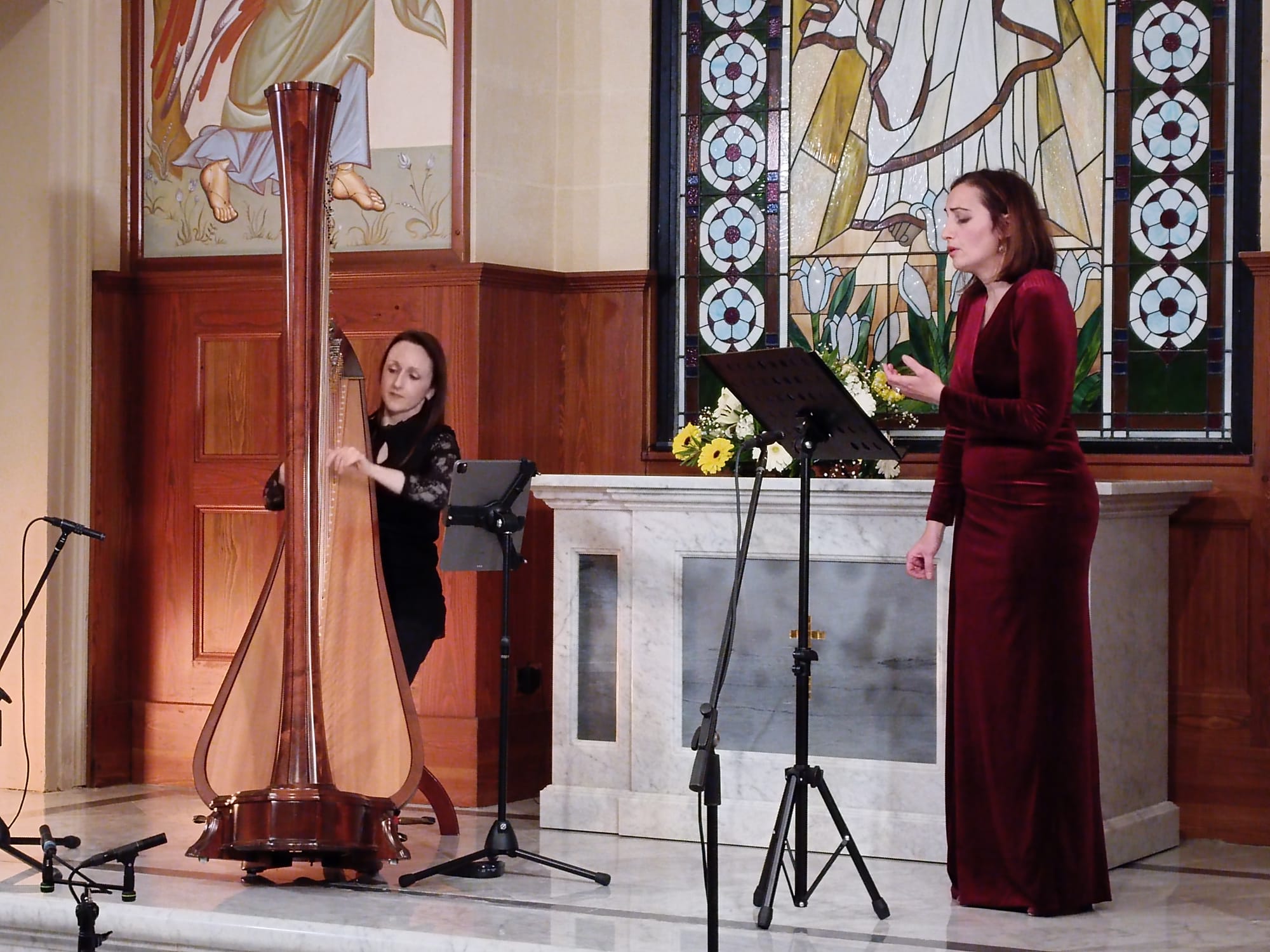
The festival’s artistic program highlights Fondazzjoni Paulus’s commitment to contemporary cultural production rooted in Maltese contexts. On Saturday 31 January, the St Paul’s Basilica hosts a music-literary evening combining a book launch on Pauline studies with the first organ recital following the restoration of its historic Mascioni organ. The event bridges scholarship and sonic heritage, underscoring the basilica’s role as both cultural venue and architectural landmark.
Later that evening, the inauguration of an art exhibition at the Wignacourt Museum extends the festival’s visual dimension. Across painting, music, and literature, Pauline themes function as points of reference for contemporary interpretation rather than fixed devotional frameworks.
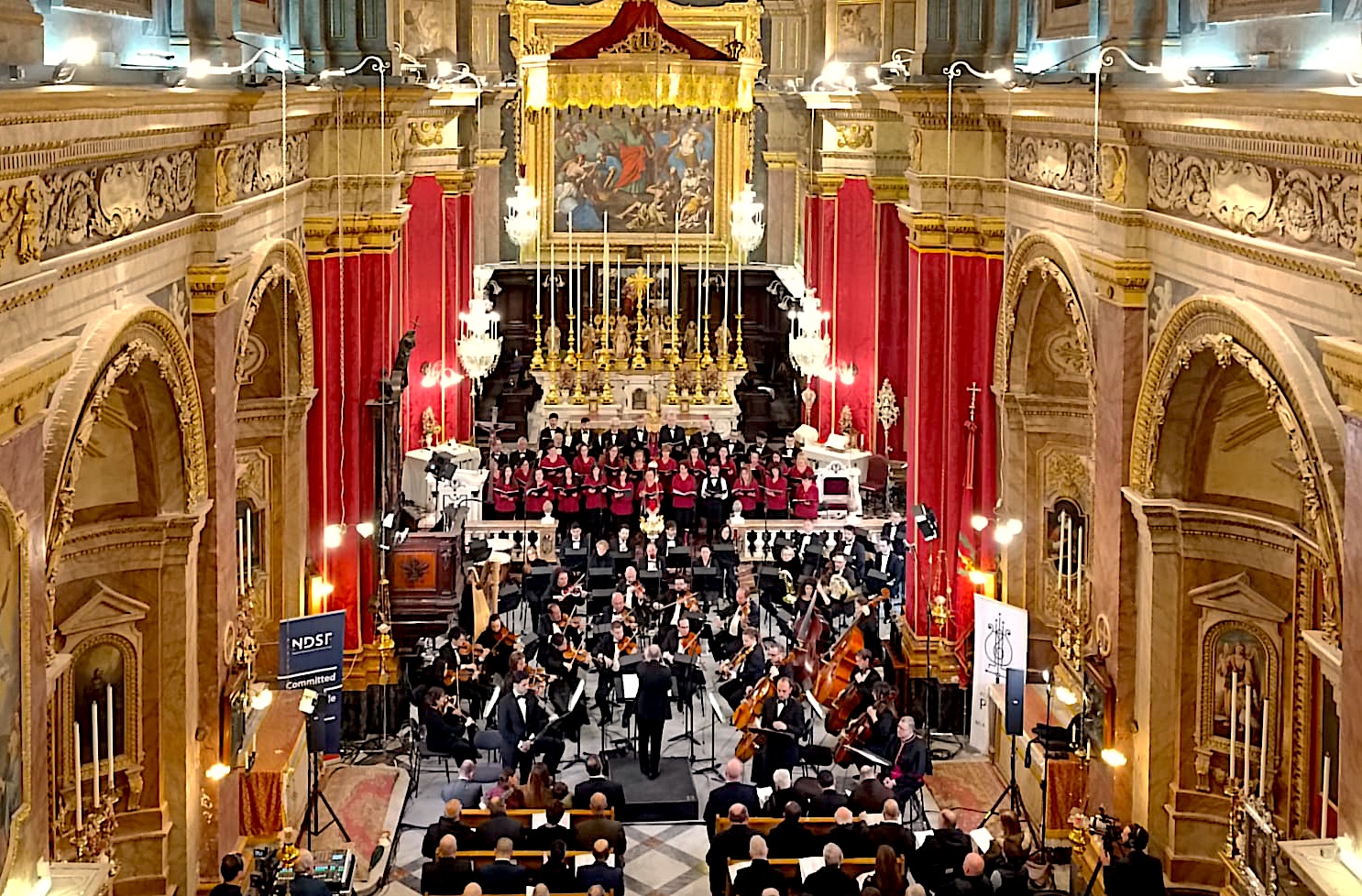
The festival’s largest musical event takes place on Friday 6 February, when the Malta Philharmonic Orchestra performs five newly commissioned works inspired by Pauline motifs. Broadcast nationally, the concert situates Malta’s orchestral tradition within a wider European conversation on memory, travel, and cultural exchange.
Malta within the European Pauline Camino
One of the festival’s most strategically significant moments occurs on Saturday 7 February with a lecture and film presentation devoted to the development of a pan-European Saint Paul route. Speakers from Greece and Cyprus join Maltese partners to discuss the Cultural Route of St Paul’s Footsteps, an international initiative working toward recognition by the Council of Europe.
Within this context, Fondazzjoni Paulus is collaborating with XirCammini to further develop the Saint Paul Route in Malta as a structured cultural and walking itinerary. Originally designed by XirCammini, the route was developed in collaboration with and sponsored by VisitMalta, ensuring from the outset that it combined historical research, landscape accessibility, and sustainable tourism principles.
Fondazzjoni Paulus’s current involvement represents a new phase, linking the Maltese route to an international network working toward a coherent, pan-European Saint Paul itinerary. Through its International Pauline Network, the foundation connects local sites, researchers, and civic partners with counterparts across the Mediterranean and mainland Europe, reinforcing Malta’s position as both a destination and a structural node within a transnational pilgrimage landscape.
To this end, after the 9am High Mass followed by prayers at St Paul’s Grotto, there will be guided tours around the Rabat Basilica of St Paul complex during the forenoon of the commemoration of St Paul’s Shipwreck on the 10th of February, while St Peter in chains Band of Birżebbuġa will hold a short festa band march around various Rabat streets, during which various activities will take at St Paul’s Basilica square, having the aim of celebrating Malta’s baptism to Christianity whilst reaching out to socially disadvantaged persons. This mini-Maltese festa will not be complete without the letting-off of Maltese fireworks murtali and murtaletti.
Walking the landscape: Routes, nature, and community
Pilgrimage during the Rabat Agape Festival extends beyond lecture halls and concert venues. On Sunday 8 February, participants are invited to experience sections of the Maltese Saint Paul Route by minibus, linking San Pawl San Pawl tal-Ħġejjeġ chapel, San Pawl Milqi, the Shipwreck Church in Valletta, San Pawl Tat-Tarġa, and St Paul’s Grotto. The itinerary reflects ongoing work by Fondazzjoni Paulus and XirCammini to translate research and landscape into a coherent route experience connected to wider European networks.
This embodied engagement continues in the afternoon of Sunday 15 February with a countryside walk organised in collaboration with BirdLife Malta. Traversing chapels, valleys, and rural paths around Chadwick Lakes, the walk integrates ecological awareness into the pilgrimage experience, highlighting how natural environments shape cultural routes, followed by a choir and organ concert by the Byron Consort of Harrow School of North West London, Middlesex, at the Basilica, Collegiate and Proto-Parish of St Paul, Rabat, Malta, at 18.45hrs
Heritage, language, and closing perspectives
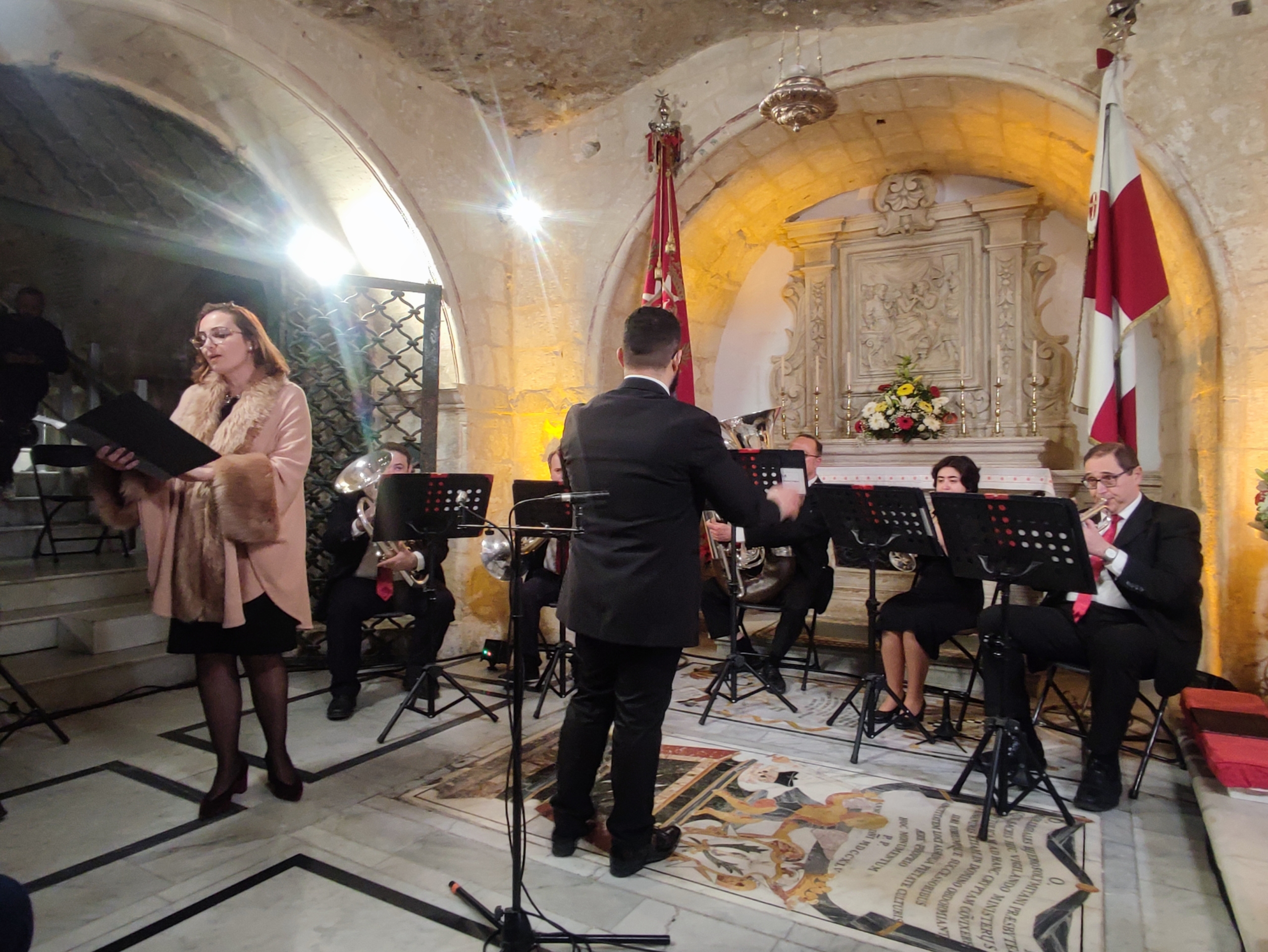
The festival concludes on Saturday 21 February at San Anton Palace – the official residence of the President of the Republic of Malta, with a recital dedicated to Il-Kantilena, the oldest known literary text in the Maltese language. Combining scholarly commentary and musical performance, the event situates Pauline Malta within a broader continuum of linguistic and cultural history.
Malta as a contemporary pilgrimage destination
Taken as a whole, the Rabat Agape Festival 2026 presents Malta as a pilgrimage destination defined by continuity: between scholarship and community, landscape and text, local initiative and European cooperation. Through the curatorial vision of Fondazzjoni Paulus and its partnerships with XirCammini and international networks, the festival demonstrates how pilgrimage today can function as a platform for cultural exchange, critical inquiry, and sustainable tourism—anchored in place while oriented toward a shared Mediterranean and European horizon.
For more information do not hesitate to contact Fondazzjoni Paulus on www.fondazzjonipaulus.org, [email protected] and via facebook on @fondazzjoni paulus
This festival is being organized with the support of the Social Causes Fund, the National Development Social Fund (NDSF), Malta Tourism Authority, APS Bank, Janatha Stubbs Foundation, Ir-Rabat Local Council, Wignacourt Museum, and The Plaza. The festival is being organized with the cooperation of the Reverend Archpriest and Chapter of the Basilica, Collegiate and Proto-Parish of St Paul, Rabat, Malta.
This content comes to you in collaboration with VisitMalta
Malta’s Christian legacy: From Paul’s shipwreck to modern pilgrimage
AI Transparency Notice
PilgriMaps uses artificial intelligence tools to assist in the research, drafting and translation of editorial content. All AI-assisted content is reviewed, edited and verified by our editorial team before publication. We contrast information against primary sources, specialist literature and on-the-ground knowledge to ensure accuracy, cultural sensitivity and editorial integrity.
AI is one tool among many in our workflow. The judgement, curation and responsibility for everything published on this platform remain entirely human.
Viator Media S.L. — in compliance with the EU Artificial Intelligence Act (Regulation EU 2024/1689).
This post is also available in: