In the summer of 2017, a group of paddlers undertook a long-distance canoe journey along one of the most historically significant water corridors in northeastern North America. Known as the Canadian Canoe Pilgrimage, the voyage traced ancient Indigenous routes linking Georgian Bay to Montréal. Organized by the Jesuits in English Canada, the initiative framed canoe travel as a contemporary practice of encounter—one shaped by historical memory, intercultural exchange, and public engagement with reconciliation.
The timing of the pilgrimage was deliberate. Taking place during the 150th anniversary of Canadian Confederation, the journey coincided with a national moment of reflection. In the years immediately preceding it, the Truth and Reconciliation Commission of Canada had brought sustained public attention to the legacy of the residential school system and its enduring effects on Indigenous communities. The canoe pilgrimage positioned itself within this context, not as a symbolic reenactment, but as a lived process of shared travel and dialogue.
An Indigenous route
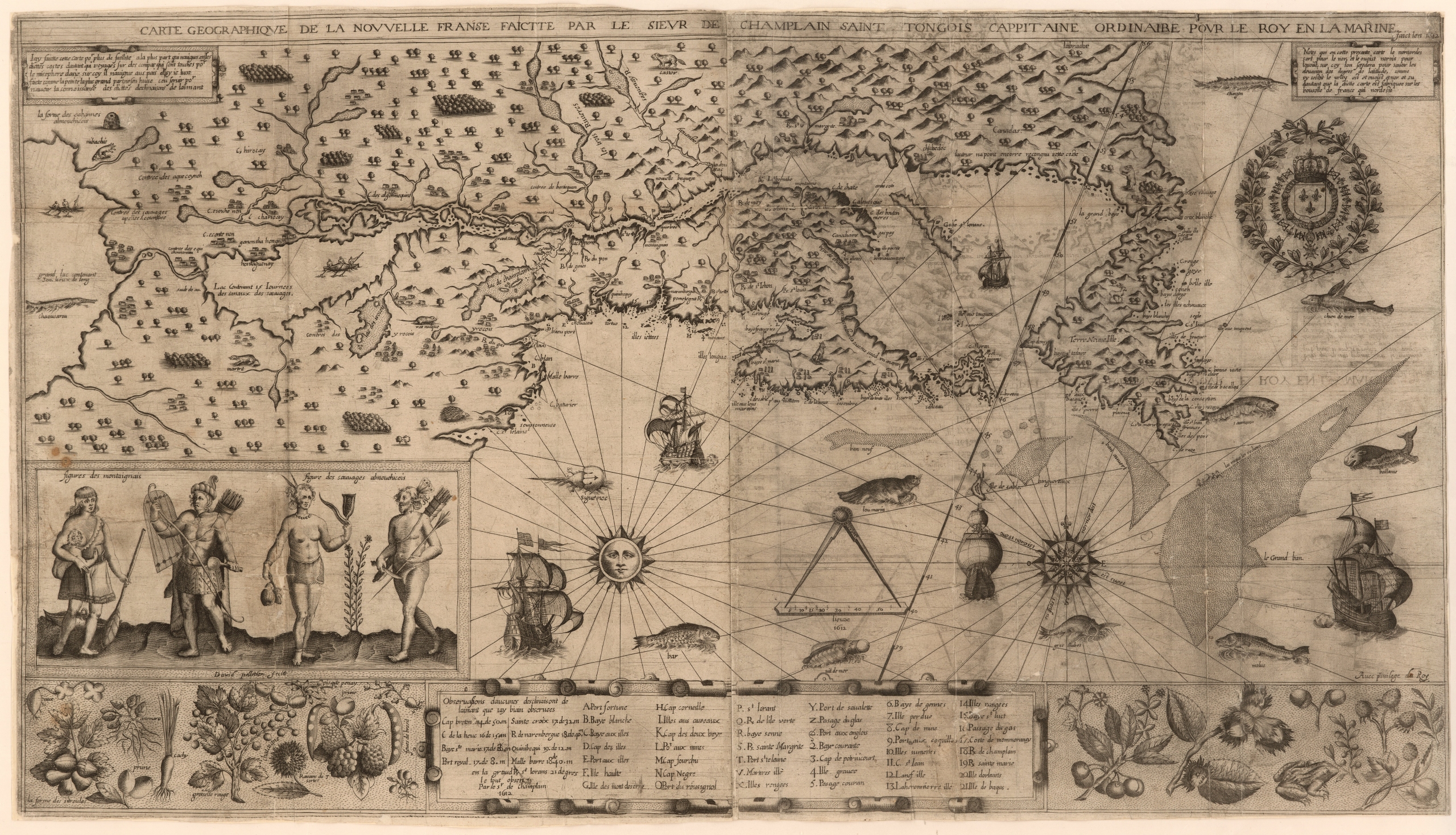
The waterways followed by the paddlers were never neutral corridors. Long before European arrival, Indigenous nations used this interconnected system of rivers, lakes, and portages for trade, diplomacy, seasonal movement, and knowledge exchange. The route—from Georgian Bay through the French River, Lake Nipissing, the Mattawa River, the Ottawa River, and finally the St. Lawrence—formed a vital east–west axis across the region.
European explorers and missionaries later relied on this Indigenous infrastructure. Figures such as Samuel de Champlain and Jean de Brébeuf traveled these waterways in the early 17th century, guided by First Nations navigators whose expertise made such journeys possible. The 2017 pilgrimage explicitly acknowledged this dependence, emphasizing that these routes were shared, not discovered, and that their continued use reflects Indigenous continuity rather than colonial nostalgia.
The journey on the water
The pilgrimage began on 20 July 2017 at Sainte-Marie among the Hurons in Midland, Ontario, the site of a former 17th-century Jesuit mission to the Wendat Nation. From there, paddlers followed the eastern shoreline of Georgian Bay before entering the French River, a complex system of channels and rapids historically central to inland travel. After crossing Lake Nipissing, the group proceeded along the Mattawa River to the Ottawa River, then downstream to the St. Lawrence River, concluding in Montréal on 15 August.
While a small group of core paddlers completed the entire route, the structure of the journey remained intentionally open. Participants were invited to join for shorter segments at key locations such as the French River Provincial Park, North Bay, Mattawa, and Ottawa. This approach echoed historical patterns of river travel, where journeys were often communal and modular, shaped by local participation rather than fixed itineraries.
Who paddled
The composition of the paddlers was central to the project’s aims. Indigenous participants, Jesuits from both French- and English-speaking communities, and lay collaborators traveled together. Men and women of different ages joined the pilgrimage, some for days, others for weeks. Rather than presenting a uniform group, the organizers emphasized plurality, reflecting the cultural and linguistic diversity that has shaped Canada’s history.
Canoeing itself required cooperation and attentiveness. Daily decisions—how far to travel, when to portage, how to respond to weather and water conditions—demanded shared responsibility. These practical dynamics reinforced the pilgrimage’s broader emphasis on listening, adaptability, and mutual reliance.
Reconciliation and public accountability
The Canadian Canoe Pilgrimage took place amid ongoing national conversations about reconciliation. The Jesuits involved in the project publicly acknowledged their historical role in the residential school system, including their administration of the school in Spanish, Ontario. Participation in the pilgrimage formed part of a wider set of commitments that included public statements, educational initiatives, and engagement with Indigenous communities.
While the journey itself could not address structural injustices or historical harm, it aimed to foster conditions for dialogue. Community gatherings along the route often included shared meals, storytelling, and discussions about local history. These encounters emphasized presence over performance: arriving by water, being received by communities, and taking time to listen before moving on.
Canoe travel and historical perspective
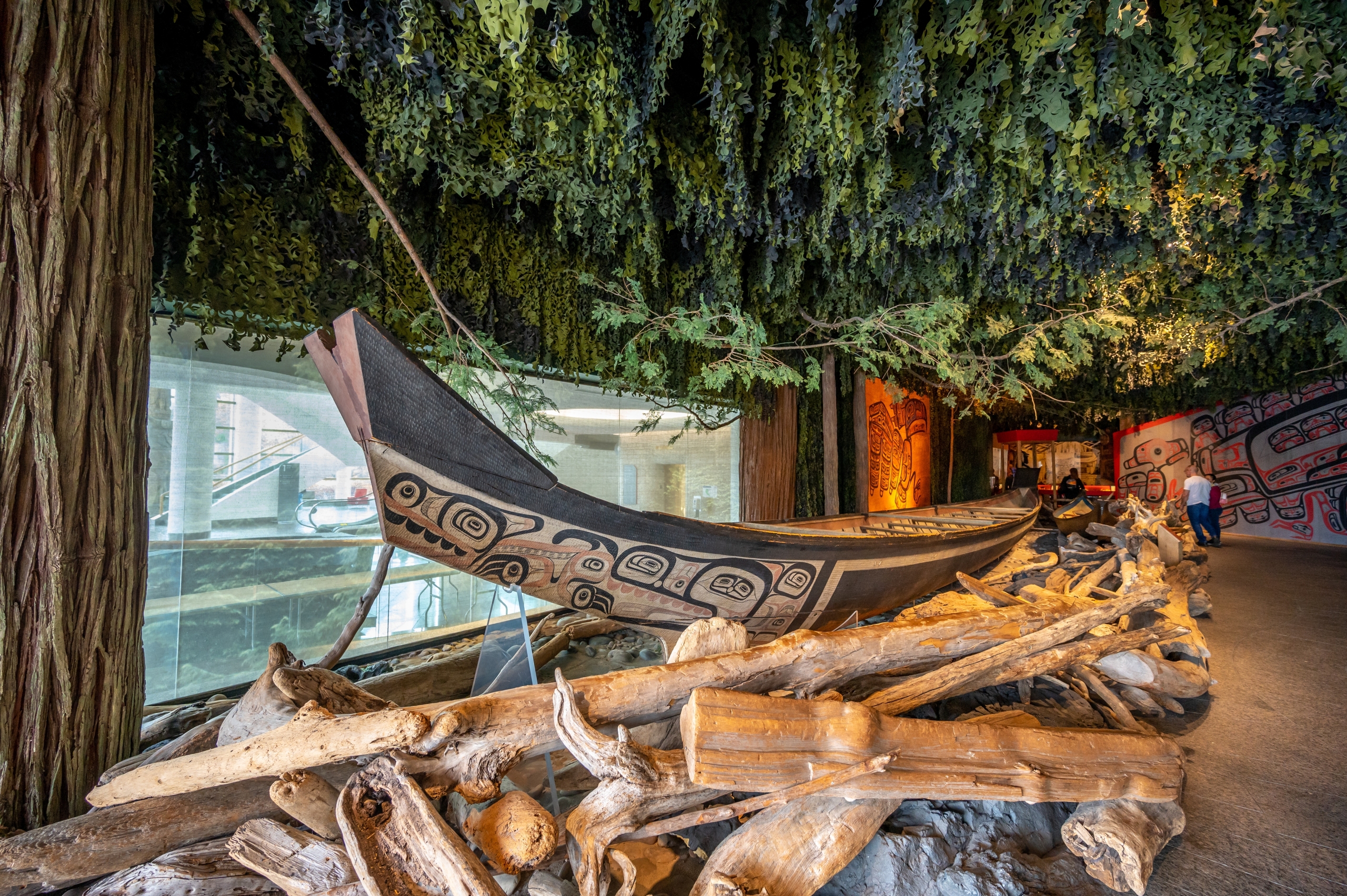
Canoeing occupies a prominent place in Canadian historical imagination, often framed as a symbol of exploration or wilderness recreation. The pilgrimage challenged simplified narratives by foregrounding Indigenous continuity and contemporary relevance. Traveling at water level offered a different sense of scale and geography, highlighting the physical demands of routes that are often abstracted on maps.
Portages, in particular, underscored the labor embedded in historical movement. Carrying canoes and supplies between waterways transformed distance into an embodied experience, reinforcing how travel shaped social relationships and knowledge exchange over centuries.
A contemporary pilgrimage
By the time the paddlers reached Montréal, the journey had covered several hundred kilometers, but its significance extended beyond the final landing. The Canadian Canoe Pilgrimage functioned as an open-ended process rather than a closed commemoration. It invited participants and observers alike to reconsider how history is remembered, how responsibility is acknowledged, and how shared movement through landscape can prompt reflection.
On waterways shaped by generations of passage, the act of paddling together offered a restrained but tangible gesture toward dialogue. The pilgrimage did not claim resolution or closure. Instead, it demonstrated how travel—grounded in Indigenous routes and contemporary collaboration—can create space for sustained conversation about the past and its ongoing presence in Canada today.
AI Transparency Notice
PilgriMaps uses artificial intelligence tools to assist in the research, drafting and translation of editorial content. All AI-assisted content is reviewed, edited and verified by our editorial team before publication. We contrast information against primary sources, specialist literature and on-the-ground knowledge to ensure accuracy, cultural sensitivity and editorial integrity.
AI is one tool among many in our workflow. The judgement, curation and responsibility for everything published on this platform remain entirely human.
Viator Media S.L. — in compliance with the EU Artificial Intelligence Act (Regulation EU 2024/1689).
This post is also available in: