Imagine standing along the Maltese coast as the Mediterranean sun descends, painting the horizon in shades of rose, amber, and blue. Church bells ring out for the Feast of the Assumption—it is August 15th. Yet, beneath the calm surface of the sea, another long-awaited event begins: the lampuki season. Known locally as lampuki and sometimes called the “Maltese dorado,” this fish has symbolized the rhythm of island life for millennia.
The enigmatic Coryphaena hippurus
The lampuki (Coryphaena hippurus), known as mahi-mahi in Hawai‘i, dorada in Latin America, and dolphinfish in English, is among the most captivating species of the Mediterranean. Its Maltese name likely derives from the Sicilian lampuga, evidence of centuries of maritime exchange between the islands of the central Mediterranean.
Taxonomically, it belongs to the family Coryphaenidae. The species name, coined by Linnaeus in 1758, comes from the Greek koryphe (“crest” or “summit”), a reference to the male’s distinctive, steep forehead. This epipelagic fish inhabits warm surface waters in tropical and subtropical seas worldwide, favoring temperatures above 19 °C.
Its appearance is striking: a laterally compressed body with a long dorsal fin stretching almost the entire length, iridescent blue-green flanks, and golden hues that shimmer when caught in sunlight. Sexual dimorphism is clear—males over 50 cm develop the characteristic squared head, while females retain a sleeker profile. Out of water, the fish’s color fades quickly, shifting from metallic brilliance to dull gold-grey—hence the name dorado, or “golden.”
A biology of speed and adaptation
Biologically, the lampuki is extraordinary for its rapid life cycle. One of the fastest-growing fish known, it reaches sexual maturity within 4–5 months and rarely lives beyond four years. Mature specimens typically measure about a meter and weigh between 7 and 13 kilograms, though exceptional individuals may exceed 18 kilograms.
The lampuki is also one of the ocean’s swiftest predators, capable of reaching speeds of up to 92 km/h. Its varied diet includes flying fish, mackerel, squid, crustaceans, and zooplankton, positioning it near the top of the pelagic food web.
Migration across the Mediterranean
The species’ migration through Maltese waters follows a remarkably precise seasonal rhythm. After spawning in the warm eastern Mediterranean—particularly near Cyprus—juvenile lampuki migrate westward, passing Malta and Sicily between August and December before continuing across the Atlantic toward the Americas.
The central and western Mediterranean, including Maltese waters, serve as key breeding and feeding grounds, making this migration both biologically and economically vital to the region.
The ancient art of kannizzati
Malta’s traditional fishing method, known as kannizzati, exemplifies centuries-old ecological knowledge. Some historians trace it back over 2,000 years to the Roman period. The technique is ingenious in its simplicity and sustainability.
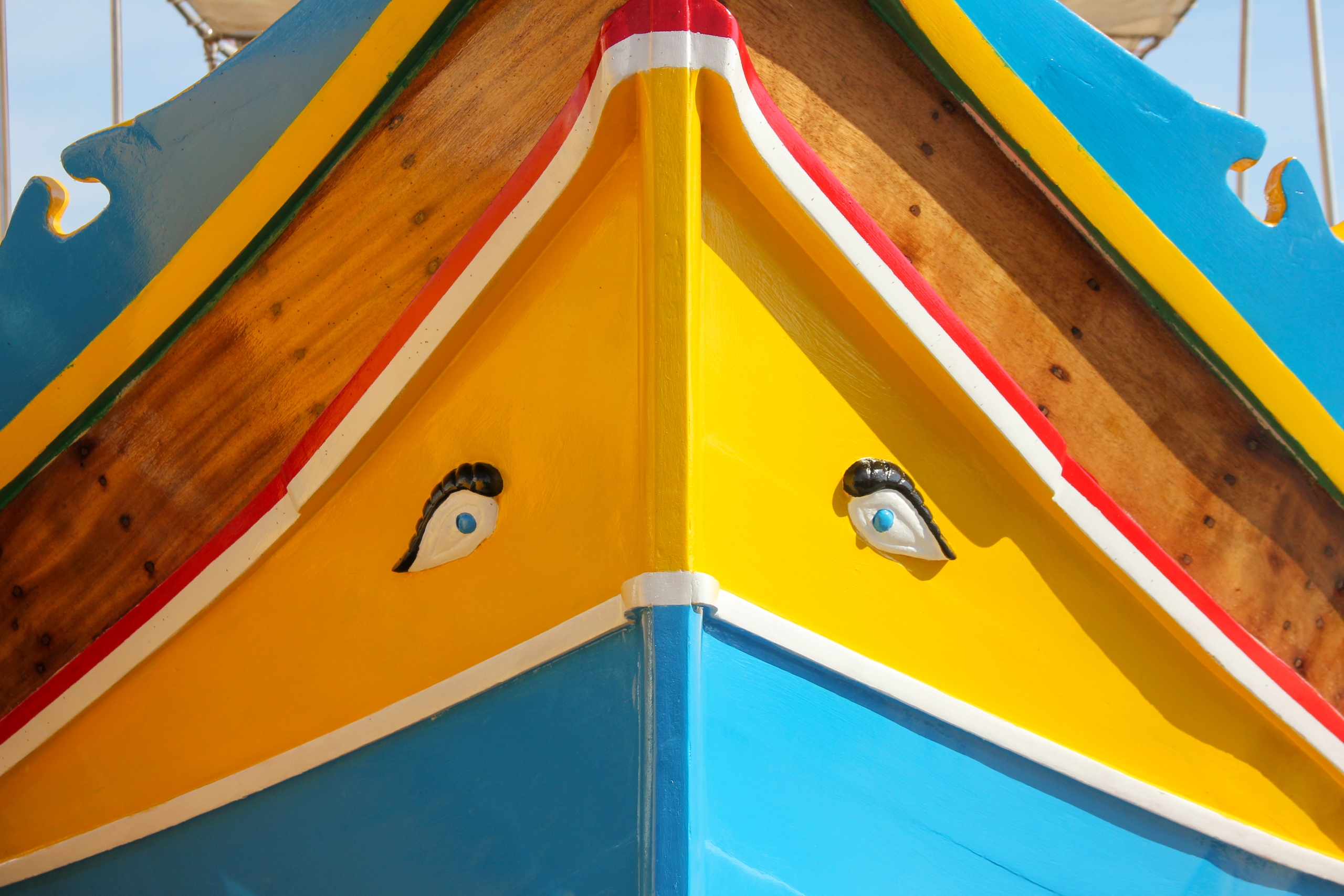
Fishers weave palm fronds into large floating rafts, which they tow offshore using their vividly painted wooden boats, the luzzu—recognizable by the painted “Eyes of Osiris” on their prows, believed to ward off misfortune. Anchored at sea, these rafts cast shadows on the surface, creating shelter for lampuki, which instinctively gather beneath floating objects to avoid predators such as dolphins.
Fishing typically takes place from sunrise to sunset. Once a school has gathered, the crew circles it with a surrounding net in a coordinated maneuver that lasts about twenty minutes. The process combines observation, patience, and deep familiarity with the sea’s rhythms—a heritage of artisanal knowledge passed from generation to generation.
Culinary heritage
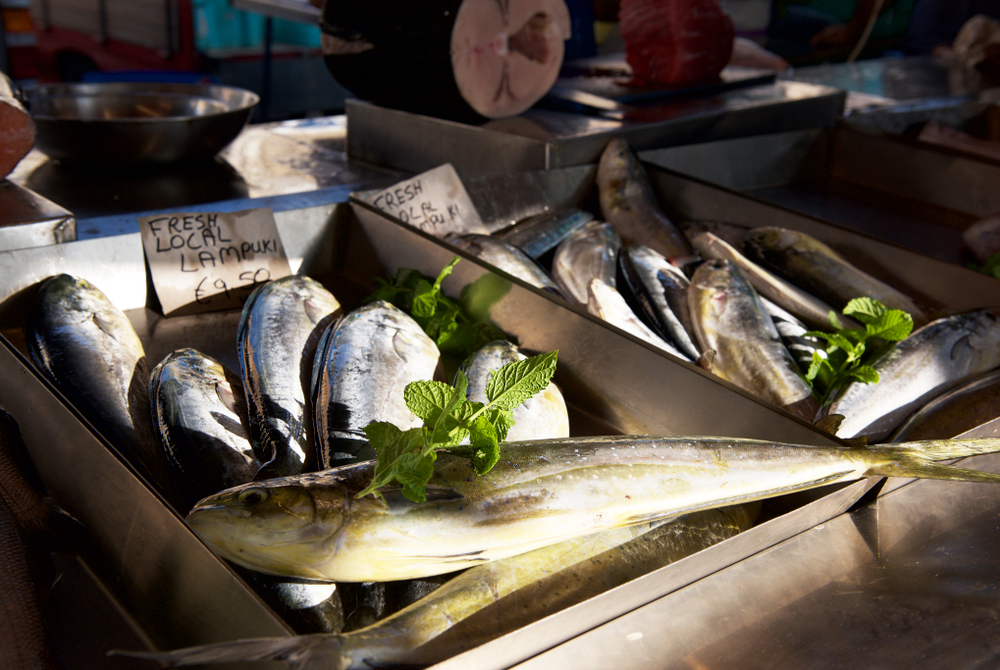
In Malta, the lampuki is more than a fish—it marks the arrival of autumn and serves as a cultural emblem. At dawn during the season, vendors drive through village streets calling “lampuki ħajjin!” (“fresh lampuki!”), selling the day’s catch straight from their trucks.
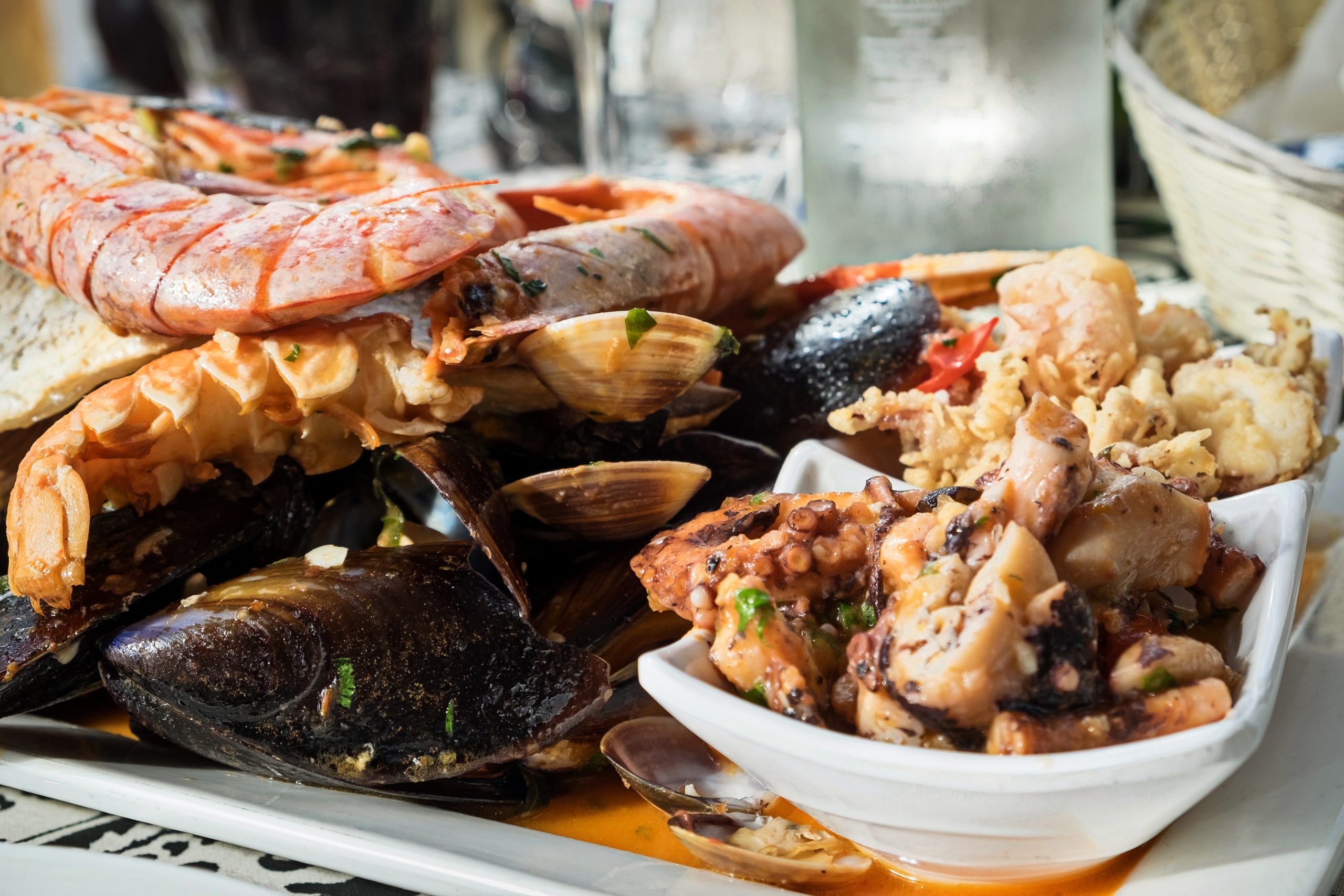
Traditional Maltese cuisine celebrates the fish in several beloved dishes. The torta tal-lampuki, a savory pie of lampuki, spinach, olives, capers, onions, and tomatoes, reflects the archipelago’s blend of Mediterranean and North African influences. Lampuki il-forn, baked with potatoes, olives, garlic, capers, and fennel, is a rustic favorite, while aljotta, a fragrant fish soup enriched with lemon and herbs, evokes Malta’s maritime simplicity.
Nutritionally, lampuki is valued for its lean, high-protein content—about 100 calories and 1 gram of fat per serving—rich in B vitamins and omega-3 fatty acids, contributing to cardiovascular and general health.
Sustainability and regulation
Lampuki fishing in Malta is regulated by both national and European frameworks. The official season runs from 15 August to late December. Since 2024, recreational fishers are limited to a daily catch of 10 kilograms or five fish over 35 cm in length.
The kannizzati method remains an exemplary model of low-impact, selective fishing. It causes minimal disruption to marine ecosystems and ensures that local demand is met sustainably. So high is the domestic appetite for lampuki that most of the catch stays within the islands, rarely entering export markets.
A symbol of continuity
The lampuki embodies a unique convergence of science, tradition, and identity. Each year, when Maltese fishers bless their boats during the Feast of the Assumption before heading to sea, they renew an ancient pact with the Mediterranean—a balance between livelihood and reverence for nature’s cycles.
In an era of climate change, the lampuki also serves as an ecological indicator. Studies suggest that the species practices “behavioral thermoregulation,” remaining within waters of 27–28 °C and reducing activity at higher temperatures. Such sensitivity makes it a sentinel for shifting oceanic conditions.
Ultimately, the Maltese dorado reminds us that marine conservation is not only a scientific concern but also a cultural one—interwoven with tradition, local economies, and shared heritage.
To taste lampuki—perhaps in a warm pastizz from a bakery in Marsaxlokk—is to taste more than a delicacy. It is to experience millennia of Mediterranean history, layered like the palm fronds of the kannizzati still floating across Malta’s luminous blue waters.
AI Transparency Notice
PilgriMaps uses artificial intelligence tools to assist in the research, drafting and translation of editorial content. All AI-assisted content is reviewed, edited and verified by our editorial team before publication. We contrast information against primary sources, specialist literature and on-the-ground knowledge to ensure accuracy, cultural sensitivity and editorial integrity.
AI is one tool among many in our workflow. The judgement, curation and responsibility for everything published on this platform remain entirely human.
Viator Media S.L. — in compliance with the EU Artificial Intelligence Act (Regulation EU 2024/1689).
This post is also available in: