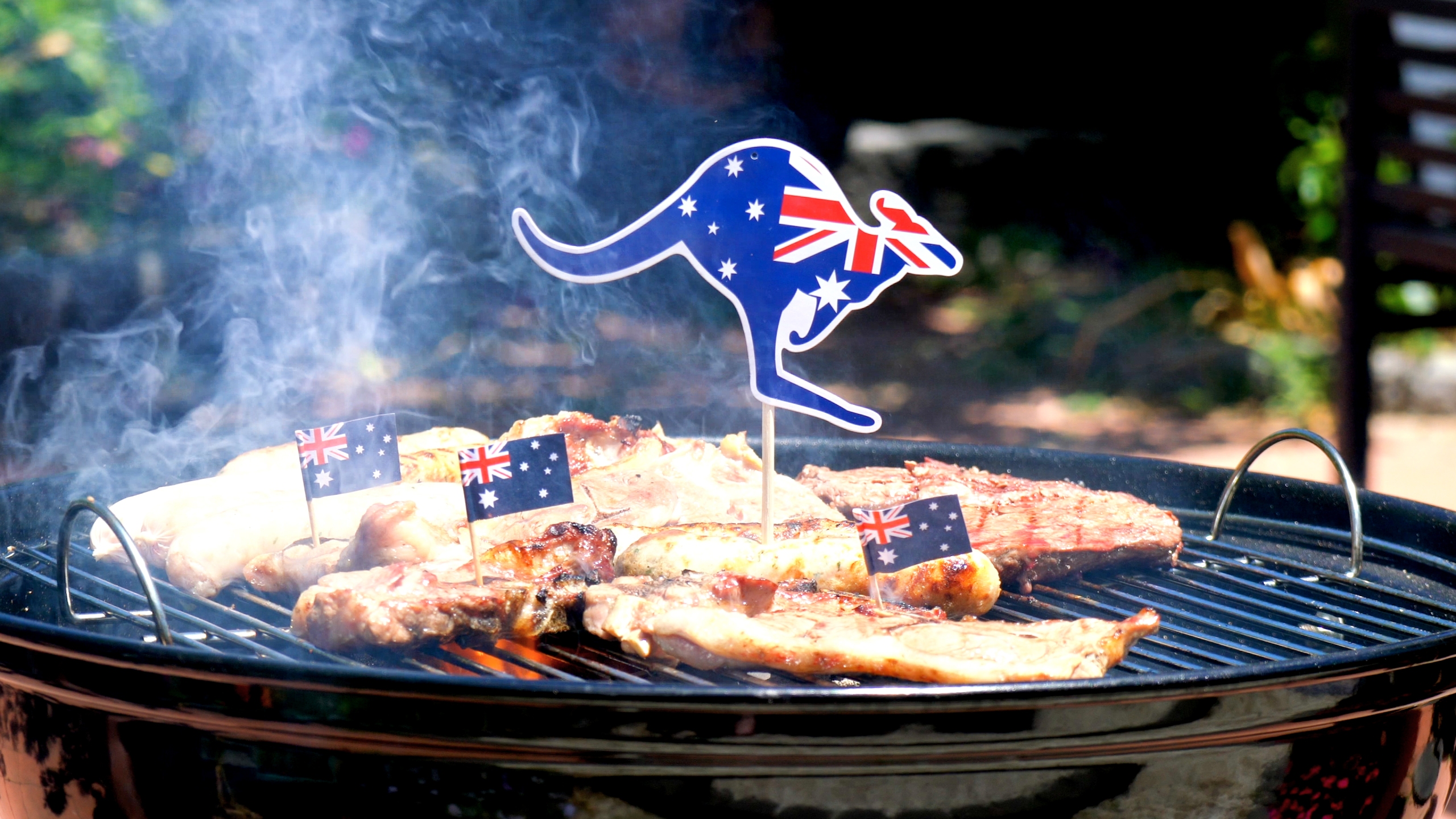
In Australia, lighting a barbecue is not a cooking technique. It is a statement of principles. Public parks provide free grills because someone recognized that democracy, at times, begins there.
There exists in Australia an unwritten rule, universally observed, never codified because no one has felt the need. The rule holds that any gathering of more than four people outdoors, on any day when the temperature allows – and in Australia, it allows for much of the year – will sooner or later, usually sooner, require lighting something to cook on. No specific occasion is necessary. No formal invitation is required. No planned menu is expected. What is required is a grill, something to place on it, and someone willing – never appointed, always self-selected with a quiet sense of civic duty – to ensure nothing burns.
Public barbecues
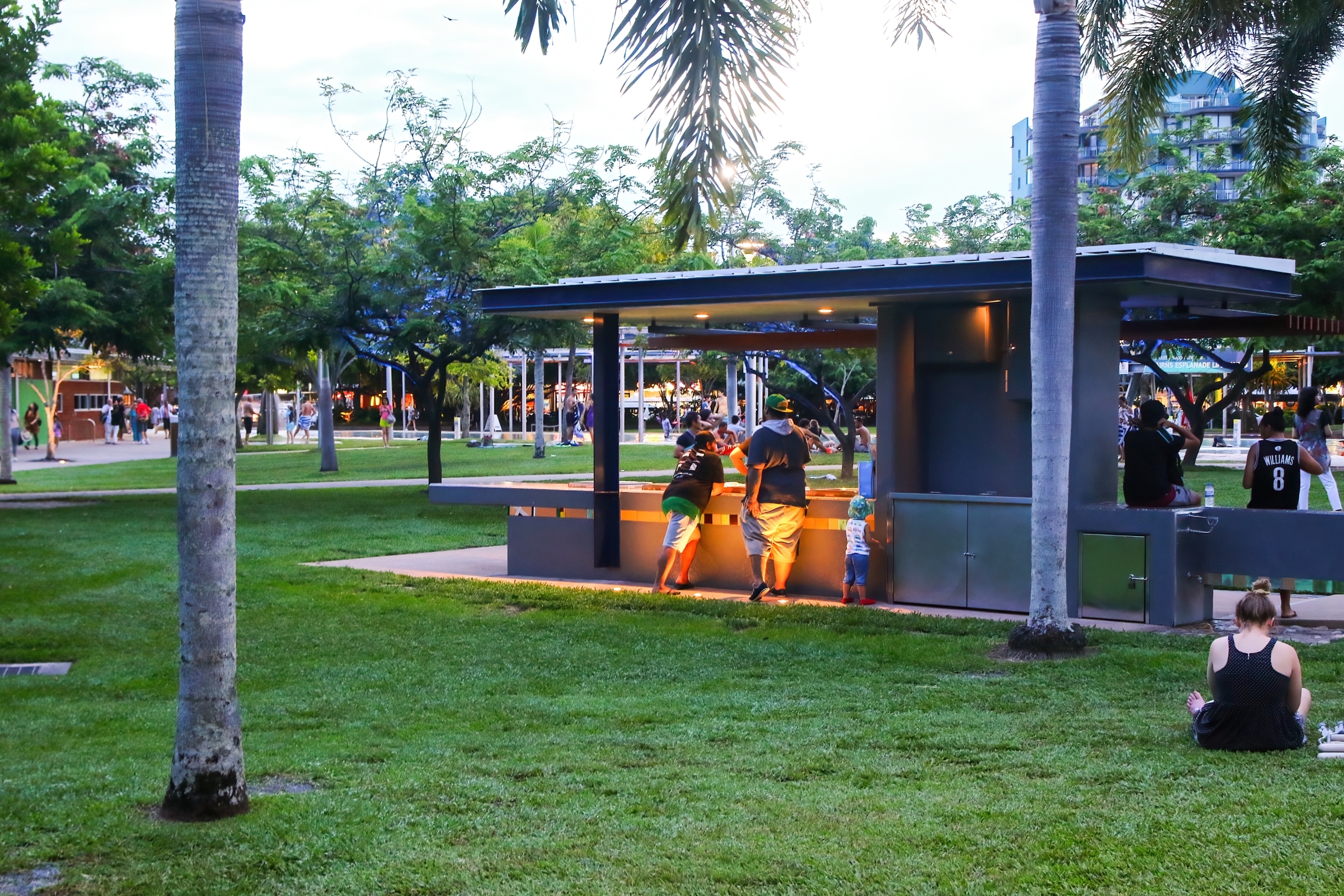
Public parks in Australia’s major cities include barbecues as standard fixtures, alongside benches, bins, and water fountains: electric or gas grills, free, clean, and available to anyone who arrives with a steak, sausages, or prawns and intends to cook outdoors. This is not a tourist curiosity. It is a political and cultural choice that signals how a society organizes public space and shared life. In many countries, parks are places for walking, dog-walking, or watching a pond. In Australia, they are also places for collective cooking. The distinction is consequential.
The barbie – the affectionate contraction Australians apply to nearly everything they value—has a history rarely conveyed with sufficient depth in tourism narratives. The fuller account is more complex and more revealing than the simplified image of a sunlit population eating outdoors.
Tens of thousands of years
The oldest and most frequently overlooked tradition is that of Aboriginal Australians. For approximately 50,000 years, fire-based cooking has been practiced on the continent: the longest continuous culinary tradition documented on Earth, and one of the most sophisticated in terms of ecological knowledge, local ingredients, preservation, and preparation techniques.
The kup murri – an underground oven dug into the earth, lined with heated stones, where meat, vegetables, and roots cook for hours – produces results that open grilling does not replicate: internal tenderness, even heat distribution, and an aroma shaped by the earth itself as much as by the ingredients. For generations, this tradition was marginalized or dismissed by colonial culture. Today, some of Australia’s most notable restaurants study it with renewed attention, while Aboriginal chefs bring these techniques into contemporary culinary contexts.
British Sunday roast
The second tradition derives from nineteenth-century British settlers, who arrived carrying the memory of the Sunday roast and encountering, in Australia, an unexpected abundance of red meat – accessible and affordable at levels reserved for the affluent in Britain. Barbecue – open-air grilling over direct heat – became the natural expression of this abundance within a climate that discourages indoor cooking except when necessary. The Sunday roast evolved into the weekend barbie. A middle-class British privilege became an Australian democratic norm.
Global fire culture
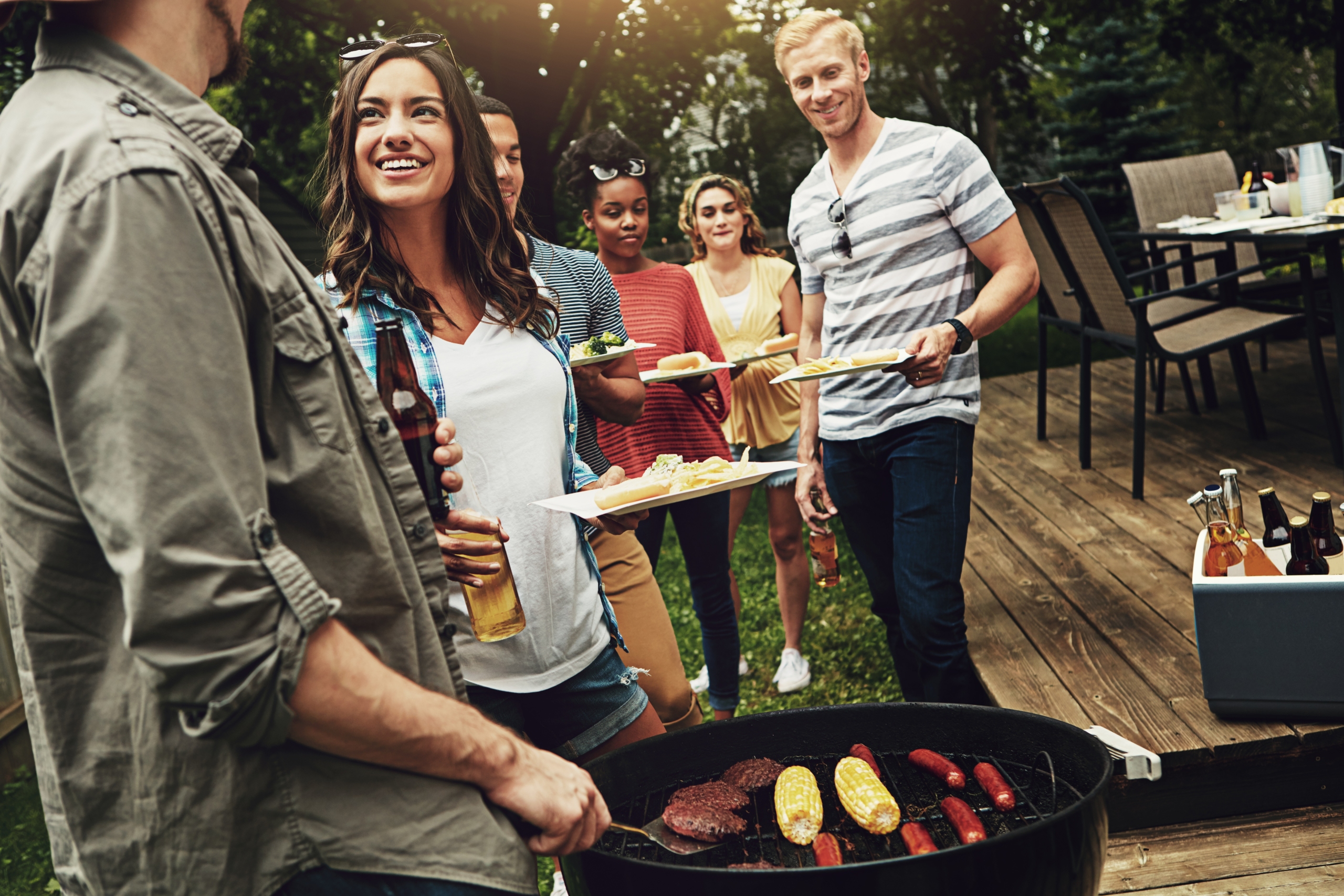
The third tradition, which shapes the contemporary barbecue in its most diverse form, emerged through twentieth-century migration. Italian and Greek communities introduced marinades of lemon and oregano, sausages scented with fennel and chili, and an approach to food as a prolonged, sociable event. Lebanese migrants contributed spiced kofta skewers, tahini sauces, and flatbreads.
Vietnamese and Chinese communities added soy, ginger, sesame, bao, and grilled vegetables marked by umami. Latin American influences brought the Argentine and Uruguayan asado, a slower, process-oriented method centered on patience and high-quality meat, alongside chimichurri scented with parsley, garlic, and vinegar. These elements converge on shared grills in parks across Sydney and Melbourne, often within the same afternoon, without prior coordination.
Delicious chemistry
The Maillard reaction—the chemical process through which proteins and natural sugars transform under high heat – accounts for the distinctive aromas of grilled meat. Chemistry, however, does not explain why conversations around a grill tend to be more immediate and less structured than those at a formally set table. One possibility lies in the visibility of the process: food is prepared in front of everyone, dissolving the boundary between production and consumption. Another lies in the intervals of waiting – the minutes spent observing heat and timing – creating unstructured conversational space without agenda or expectation.
What distinguishes the Australian barbie from other barbecue traditions – such as competitive brisket culture in Texas, the ceremonious Argentine asado, or specialized Korean galbi – is the absence of hierarchy. Participation requires no demonstration of expertise. A politician and a construction worker stand at the same grill in the same public park, performing the same task. “Grab a plate, mate.” The logic is structurally inclusive. The decision to embed it in public infrastructure – to install grills as routinely as water fountains – indicates a specific vision of coexistence.
AI Transparency Notice
PilgriMaps uses artificial intelligence tools to assist in the research, drafting and translation of editorial content. All AI-assisted content is reviewed, edited and verified by our editorial team before publication. We contrast information against primary sources, specialist literature and on-the-ground knowledge to ensure accuracy, cultural sensitivity and editorial integrity.
AI is one tool among many in our workflow. The judgement, curation and responsibility for everything published on this platform remain entirely human.
Viator Media S.L. — in compliance with the EU Artificial Intelligence Act (Regulation EU 2024/1689).
This post is also available in: