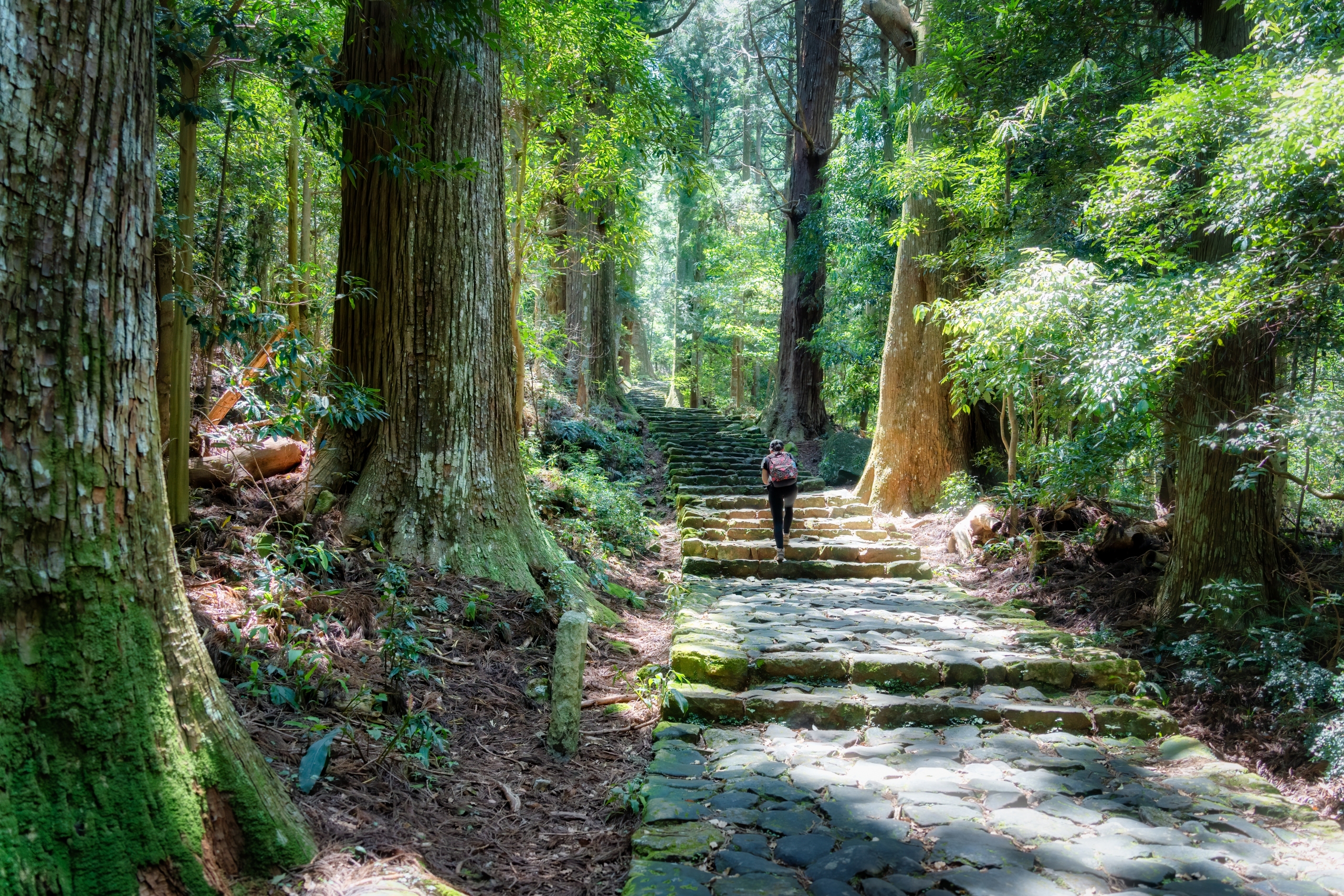
A misty morning on the Camino de Santiago. Dew gathers on the grass, birds begin their calls, and the sound of footsteps carries across damp gravel paths. For many walkers, this is more than a journey across regions—it’s a movement inward. The physical effort intertwines with mental clarity, creating space for psychological restoration. Scientific research increasingly points to one key contributor: nature.
Walking Through Nature as an Antidote to Anxiety
A 2024 study involving 444 Camino pilgrims compared their mental wellbeing with that of 124 leisure tourists. Conducted by Feliu-Soler et al., the Ultreya Study found that pilgrims experienced significantly lower levels of anxiety and depressive symptoms, and greater life satisfaction—both immediately after completing the walk and even three months later. Researchers described the experience as “highly therapeutic” in managing stress.
What distinguishes pilgrimage from conventional vacations, the study suggests, is prolonged exposure to natural environments. Walking for extended periods in green landscapes appears to trigger measurable physiological changes: stress hormone levels (notably cortisol) decrease, and brain regions associated with rumination—repetitive, negative thinking—become less active. This aligns with earlier findings by Bratman et al. (2015), emphasizing the psychological benefits of nature immersion.
Unforced Mindfulness: Grounded in the Present
Among the most examined outcomes of pilgrimage is an increase in mindfulness—sustained attention to the present moment. A separate study involving over 800 Camino participants (Feliu‑Soler et al., 2021) found that the rhythm of walking, the texture of gravel underfoot, and the ambient sounds of forest or field naturally draw attention away from distractions. In clinical psychology, this state of presence is associated with reduced stress and improved emotional regulation.
Three Therapeutic Elements: Movement, Landscape, and Community
Further insight comes from northern Europe. Research on the St. Olav Ways in Norway (Jørgensen et al., 2020) identified three consistent wellbeing factors reported by pilgrims: walking as a physical practice, engagement with natural settings, and the communal experience of the journey. Nature, in this context, is not merely a backdrop. It is a participant—active in shaping emotion and memory.
Pilgrims described open vistas that foster contemplation, wooded paths that provide a sense of shelter, and sunrise moments that evoke wonder and a deepened sense of awareness. These emotional responses—sometimes likened to “mental medicine” by participants—mitigate emotional distress and support psychological resilience.
A Journey with Meaning—For All Walkers
Though rooted in religious traditions, modern pilgrimage has expanded well beyond doctrinal motivations. Studies in Lourdes, France (Klimiuk & Moriarty, 2021), show that individuals living with illness report improved perceptions of their health after the pilgrimage experience—not necessarily due to beliefs in miraculous healing, but because of the ambient spirituality and strong social support. The beneficial effects, in many cases, arise from shared vulnerability, intentional movement, and immersion in a reflective environment.
In contemporary contexts, many choose pilgrimage routes to step away from urban rhythms or digital saturation. The journey becomes a space for reorientation—without requiring specific beliefs or rituals. The restorative impact of nature, coupled with the deliberate act of walking, helps explain why so many finish with a sense of inner renewal
A Research-Based Path to Wellbeing
Across medical and psychological disciplines, there is growing advocacy for nature-based interventions. “Nature prescriptions” are now being explored as practical tools against stress, burnout, and mood disorders. Pilgrimage, from this standpoint, brings together key elements endorsed by preventive medicine: moderate physical activity, sustained natural exposure, and mental disengagement from daily pressures.
As the Ultreya Study concludes, “pilgrimage may be considered an accessible wellbeing intervention with lasting effects” (Feliu‑Soler et al., 2024). Each journey remains deeply personal, yet the data affirms a centuries-old intuition: the landscape is not passive. It actively contributes to healing.
AI Transparency Notice
PilgriMaps uses artificial intelligence tools to assist in the research, drafting and translation of editorial content. All AI-assisted content is reviewed, edited and verified by our editorial team before publication. We contrast information against primary sources, specialist literature and on-the-ground knowledge to ensure accuracy, cultural sensitivity and editorial integrity.
AI is one tool among many in our workflow. The judgement, curation and responsibility for everything published on this platform remain entirely human.
Viator Media S.L. — in compliance with the EU Artificial Intelligence Act (Regulation EU 2024/1689).
This post is also available in: