On this Maundy Thursday, as millions of Christians around the world turn their attention toward Jerusalem, the city once again occupies a symbolic center within the faith. The celebrations of Holy Week, commemorating the final days of Jesus’ life, transform its streets into a living setting where liturgy, history, and memory intersect.
Yet Jerusalem does not begin at its walls.
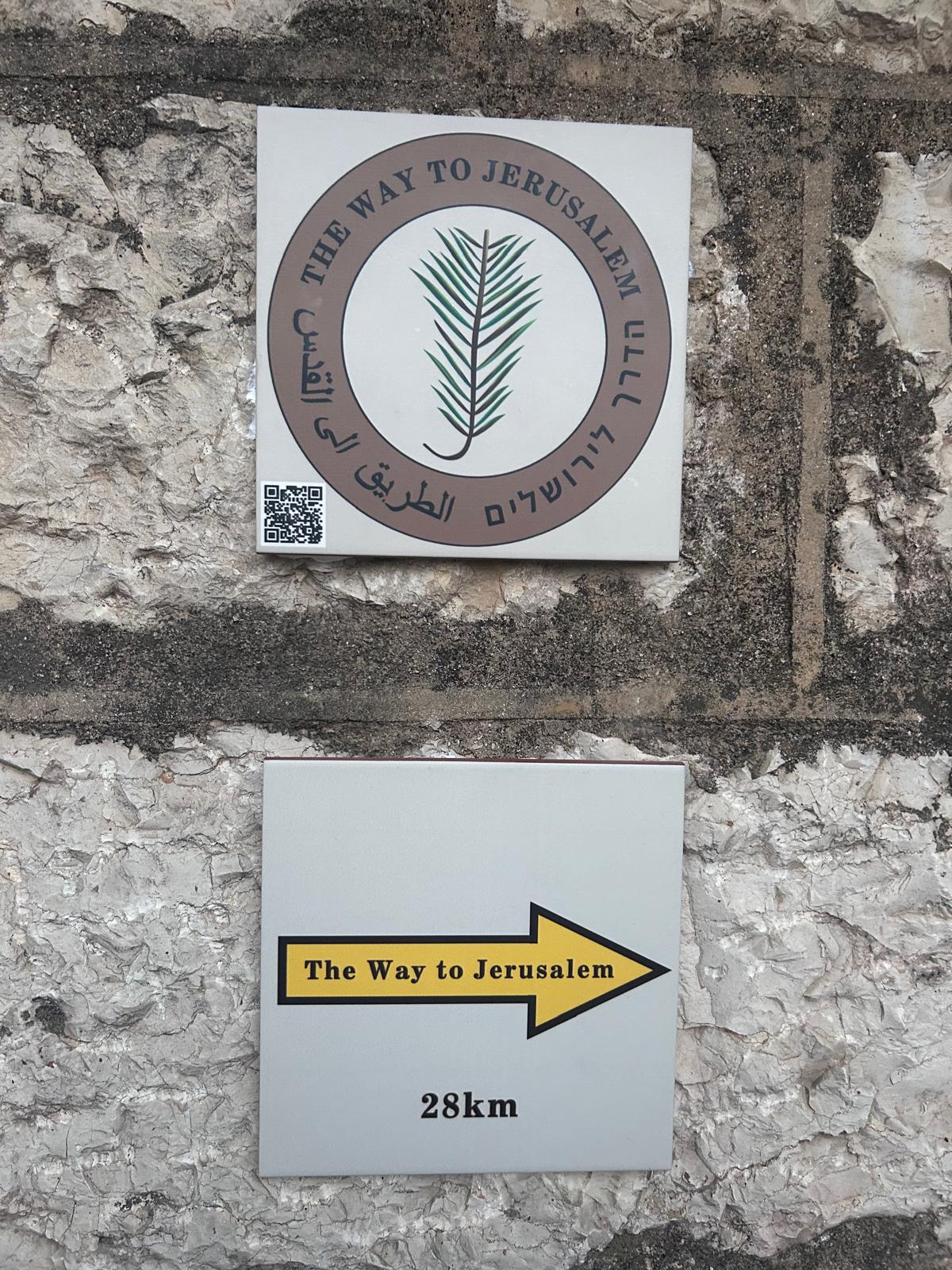
Long before reaching the Jaffa Gate, there is a road. A 111-kilometer route that begins on the Mediterranean coast, in Jaffa, and stretches inland until it reaches the city. For centuries, this path was traveled by pilgrims, travelers, and merchants. It did not belong to a single tradition: Jews, Christians, and Muslims walked it, as did notable figures and unnamed individuals driven by faith, necessity, or hope.
This route, now known as the Jerusalem Pilgrimage Way, is not a contemporary invention. It is, fundamentally, a recovery.
A road shared by history
Before the existence of modern roads or borders as they are understood today, Jerusalem was already a destination. Jewish communities traveled there during their festivals, Christian pilgrims arrived from Europe and the East, and Muslim travelers moved along the network of routes connecting cities and territories across the Levant.
The road from Jaffa—long the natural gateway from the Mediterranean—served for centuries as one of the principal access routes to the city. Saints, monks, merchants, diplomats, and rulers passed along it. So did those whose names were never recorded: anonymous men and women whose journeys formed part of a broader collective history.
This was not only a physical route. It functioned as a space of cultural, linguistic, and religious exchange—a setting where diversity was not an abstract idea but an everyday condition.
From disappearance to reconstruction
Like many historic routes, this road gradually fragmented. Political changes, territorial transformations, and evolving modes of travel eroded its continuity. For decades, it ceased to exist as a recognizable itinerary.
Today, that trajectory is beginning to re-emerge.
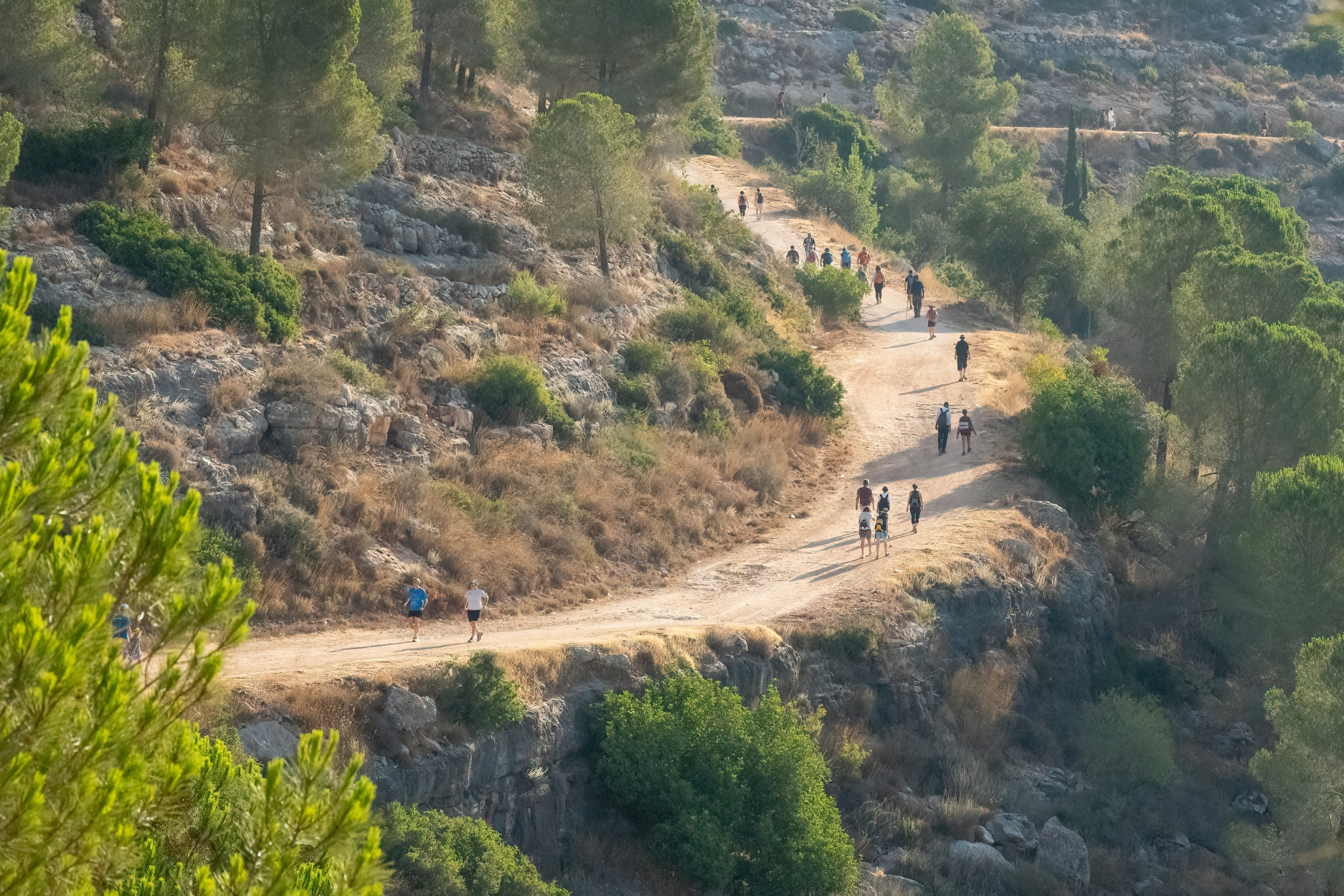
The Way to Jerusalem Association has led this process, working in recent years to reconstruct the route, mark its stages, and restore its meaning. Its founders, Golan Rice and Yael Tarasiuk, have focused not only on mapping a path but on reactivating its human dimension: building networks of hospitality, engaging local communities, and making it possible for the road to be walked once again.
At present, roughly one-third of the route has been marked and prepared to receive pilgrims, while work continues in collaboration with local authorities and regional stakeholders.
Walking today: an experience in progress
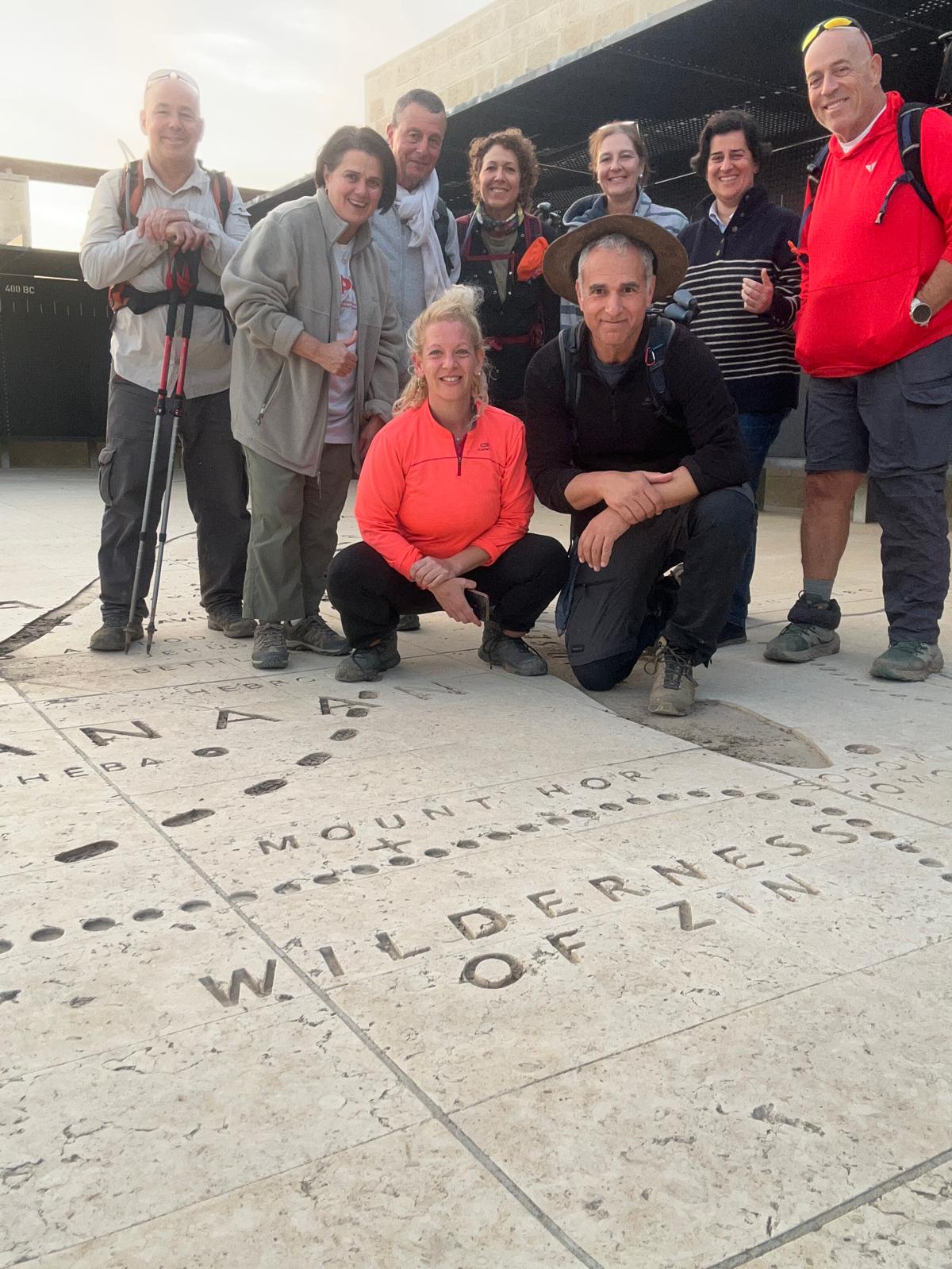
Those who set out on the Jerusalem Pilgrimage Way today do not encounter a fully consolidated infrastructure. This remains one of its defining characteristics.
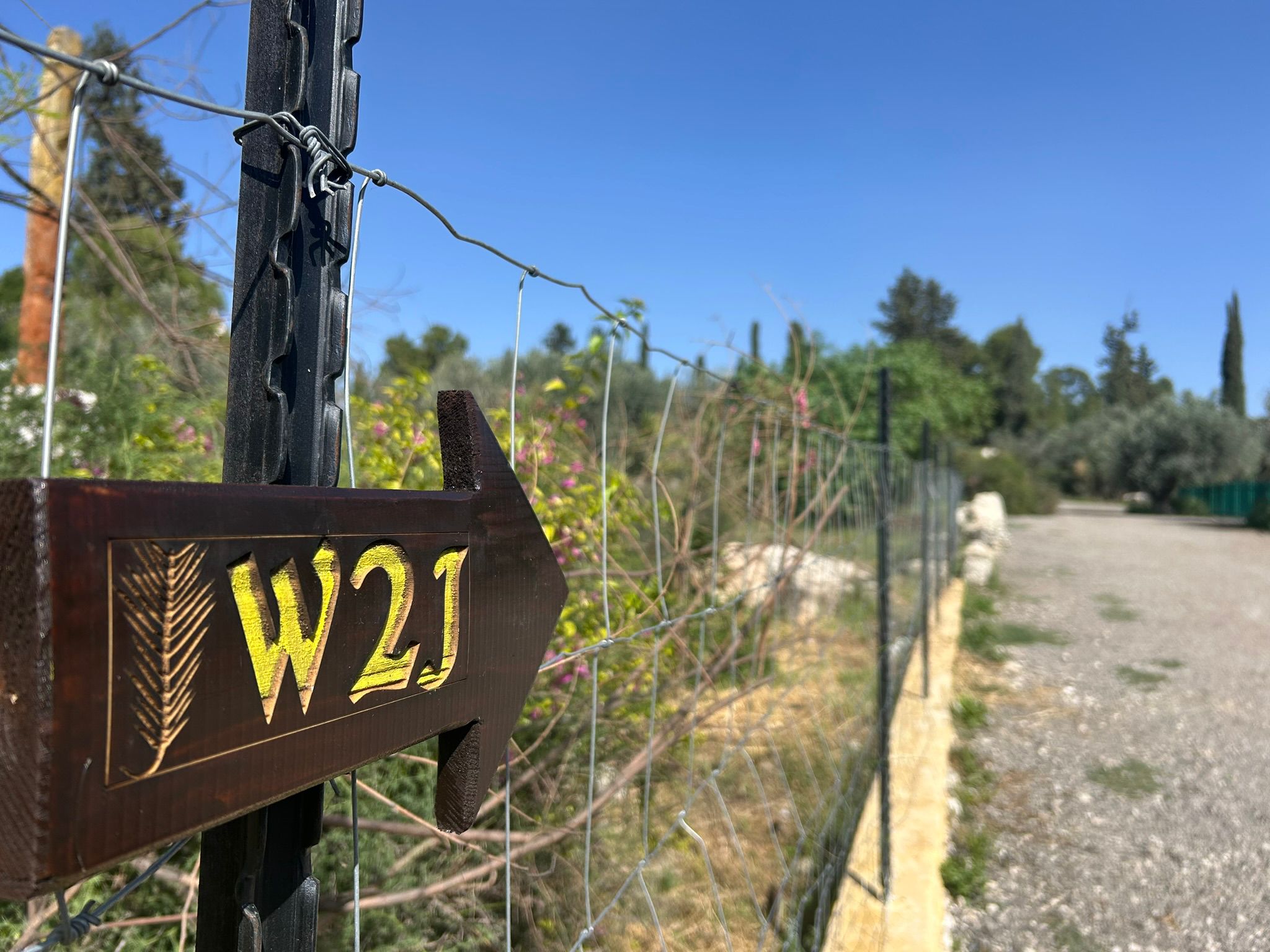
Along the route, pilgrims stamp their credentials at various points—known as “pearls”—which mark stages of the journey and connect walkers with local communities. These are not merely logistical stops but spaces of encounter: places where one might receive water, a greeting, or a place to rest.
The experience is not fully defined. It takes shape through the act of walking.
“We know that the road is made by walking,” says Golan. “We also know that those who walk it return somewhat changed, because the experience along the way transforms lives and perceptions. We believe the road can foster real change in patience and tolerance among people.”
Ramla: a microcosm of the route
At kilometer 80 of the journey, the city of Ramla has become one of the key points in this revival. The route has recently been fully marked there, and the first hostel for pilgrims has been inaugurated.
Ramla represents more than a stage. In many respects, it reflects the nature of the road itself.
Jewish, Christian, and Muslim communities coexist in the city. Diversity is not rhetorical; it is embedded in daily life. For those leading the project, this social fabric forms an essential part of the pilgrim experience: the journey is not only about moving toward a destination, but about passing through places where coexistence is actively practiced.
“What a pilgrim truly needs is for someone to smile, wish them well on their journey, acknowledge their path, and give it legitimacy. Then, at the end of the day, to rest in a comfortable bed, take a shower, and enjoy a nourishing meal that restores energy for the next stage. That is the work we are advancing together with our partners in local authorities. Because everyone wants to be part of something larger than themselves. Everyone seeks a sense of belonging and meaning,” explains Yael.
The first to walk it
One of the most distinctive aspects of the project is the creation of what are known as “Pioneer Groups”: the first international groups to walk the route while it is still under development.

They are not only pilgrims. In a sense, they actively participate in shaping the road itself. Their experiences help define the route, identify needs, and strengthen the network that sustains it.
Rather than encountering a fully established itinerary, these walkers engage with an open process. They walk knowing they are part of something unfolding in the present.
A road beginning again
At a time when Jerusalem draws the spiritual attention of millions, the rediscovery of this route offers a different perspective: that of the journey preceding arrival.
Jerusalem functions not only as a destination, but as a process.
That process—formed by footsteps, encounters, and shared memory—now takes shape once more along an ancient path. A road once traveled by people of multiple traditions, now reopening within a contemporary context to those who choose to follow it as a story that, step by step, begins again.
AI Transparency Notice
PilgriMaps uses artificial intelligence tools to assist in the research, drafting and translation of editorial content. All AI-assisted content is reviewed, edited and verified by our editorial team before publication. We contrast information against primary sources, specialist literature and on-the-ground knowledge to ensure accuracy, cultural sensitivity and editorial integrity.
AI is one tool among many in our workflow. The judgement, curation and responsibility for everything published on this platform remain entirely human.
Viator Media S.L. — in compliance with the EU Artificial Intelligence Act (Regulation EU 2024/1689).
This post is also available in: