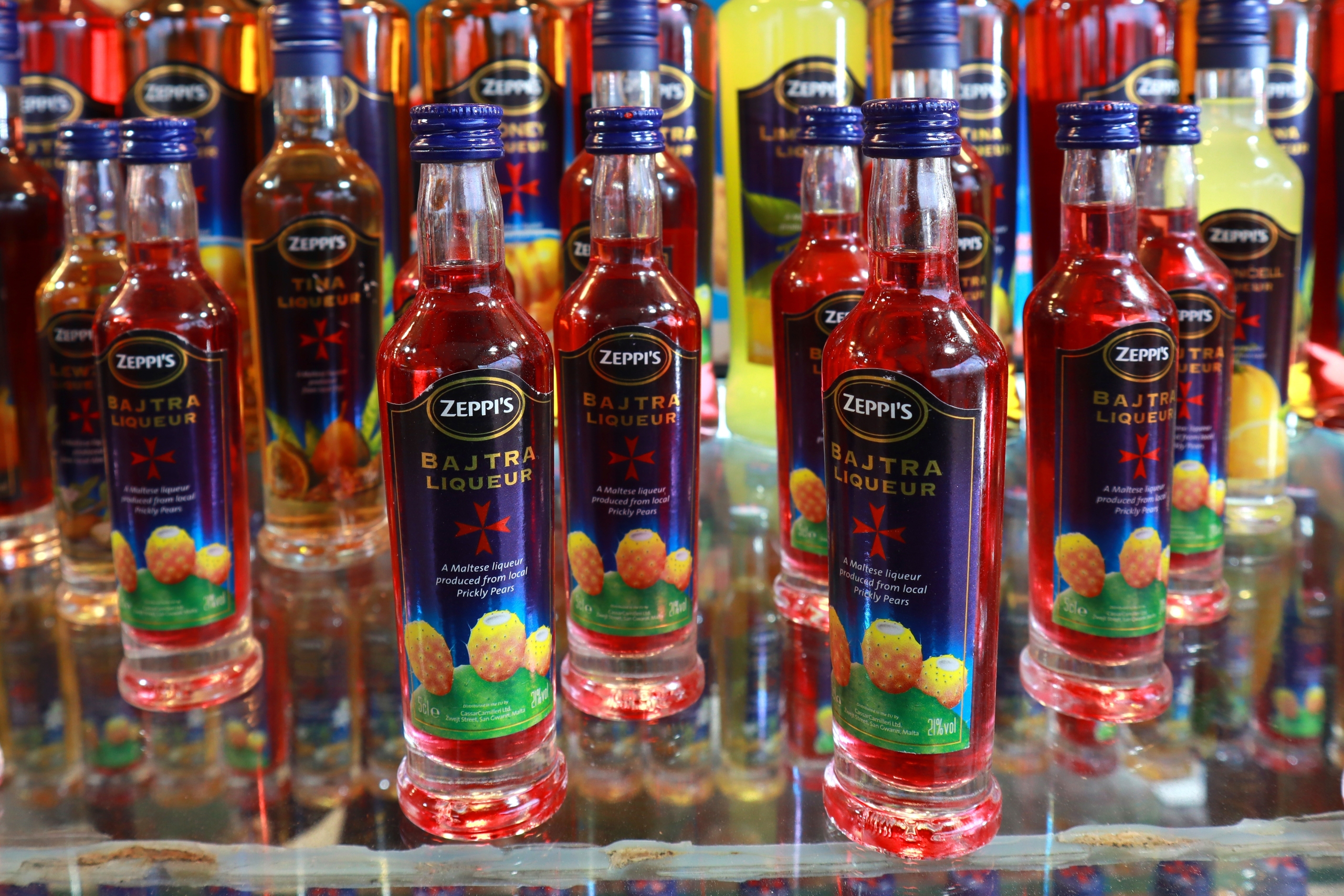
When Columbus sailed into the unknown in 1492, he carried with him a consequence that would transform the Mediterranean. We call it the Columbian Exchange – the movement of goods, plants, animals, and cultures that permanently reshaped continents. The prickly pear cactus, Opuntia ficus-indica, originated in Mexico and the Southwestern United States. It was a plant suited to arid climates, highly productive, and nearly indestructible. It was hardly the first fruit to migrate between continents, yet it would become the unintended protagonist of a story rooted in the interstices of Mediterranean civilization.
In the fifteenth century, when this thorny plant reached the shores of Malta, the archipelago was under the control of the Order of the Knights Hospitaller. These military aristocrats, expelled from Rhodes by the Ottoman Turks in 1522, found refuge in Malta and built an imperial complex there that endured for two centuries. The Knights were men of culture, strategy, and necessity, but they could not afford European luxuries such as the spirits they had consumed in their castles on Rhodes. Fresh water was a precious rarity on the island. In those torrid climates, thirst was a constant enemy.
Thus Bajtra was born.
The invention of necessity
The official history places the creation of the liqueur in the fifteenth century, during the occupation of the Knights, somewhere between romantic legend and elegant pragmatism. The Knights discovered that the prickly pear possessed properties extending beyond simple nourishment. The fruit’s internal mucilage—the gelatinous substance protecting its seeds—helped accelerate wound healing. In the frequent naval conflicts of the Mediterranean, this life-saving property held genuine value. Yet it was abundance that catalyzed innovation: from the plant’s spiny pads emerged fruit so prolific that cultivating it solely for subsistence would have been a logistical waste.
Someone in the Knights’ workshops had an insight. By fermenting prickly pears with alcohol and sugar, they obtained a beverage that solved three problems simultaneously: it quenched thirst under the blazing sun, preserved medicinal qualities, and transformed a source of nourishment into something aristocratic. Bajtra was therefore not the result of abstract experimentation, but of applied engineering—the kind that emerges when intelligent people confront real constraints.
The Knights of Malta valued the prickly pear for its hydrating and healing properties, and in the fifteenth century developed Bajtra as a response to the island’s thirst and medical needs.
The technique that remains unchanged
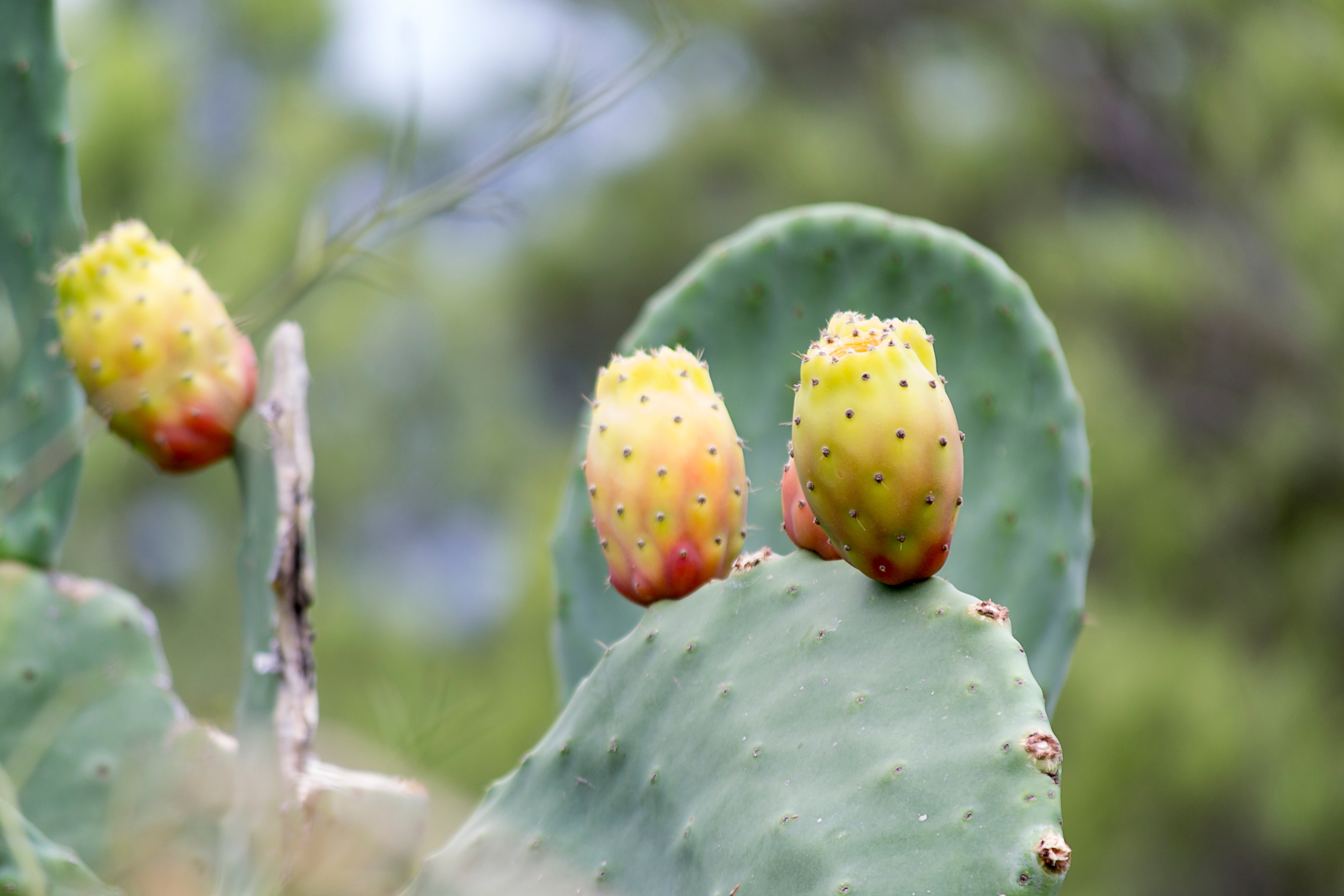
Although the Bajtra recipe has long been guarded by Maltese families who produce it, the process itself is not especially mysterious because it follows immutable chemical laws. The prickly pears are harvested in summer when the cactus flowers; the fruits are stripped of their external spines and crushed, then left to ferment in alcohol until the liquid acquires its characteristic pink hue.
Precision in timing is crucial. Maltese farmers, between August and September, harvest the fruit only when it has reached full ripeness. A week earlier, the sugar content would be insufficient for optimal fermentation. A week later, the fruit begins losing cellular structure.
Once harvested, growers meticulously remove the spines—a process requiring both experience and speed. The fruit is then finely crushed and placed in fermentation containers. The alcohol used is typically a neutral spirit base, often produced locally. At this stage, chemistry takes control. Natural yeasts and beneficial bacteria begin the process of anaerobic fermentation. During this period, the fruit’s cellular structure gradually breaks down, releasing the red pigments (anthocyanins) and violet compounds (flavonoids) that give Bajtra its distinctive color.
After about a week of primary fermentation, the liquid is filtered through cotton cloth. Sugar dissolved in warm water is then added. This practice stabilizes the color and increases density. The resulting mixture rests further, hermetically sealed in darkness, for about a month. During this time esterification occurs: the fruit’s organic acids combine with alcohols to produce esters that create aromatic complexity.
The final result is a liqueur between 24 and 26 percent alcohol by volume, with a syrupy density and a flavor reminiscent of honeydew melon with floral notes. It is a delicate and sweet liqueur, usually served chilled, especially during Malta’s hot summer days.
The ritual role: Digestif as cultural institution
Within Maltese culinary geography, Bajtra occupies a clearly defined ritual space. In many Maltese restaurants, it is served at the end of a meal, in that liminal zone between eating and conversation, when the body digests and the mind relaxes.
This placement within the ritual of dining is far from accidental. It has roots in the practices of the Knights themselves, who understood digestive pharmacology in practical terms. Prickly pear contains pectin, a soluble fiber that slows fat absorption. It also contains flavonoids with hepatoprotective properties, meaning they help protect the liver during metabolic processing of the recently consumed meal. The Knights may have ignored molecular biochemistry, but they empirically recognized that Bajtra could aid digestion.
This ritual function has preserved the product across centuries. While many traditional liqueurs disappear from cultural memory, Bajtra remains rooted in everyday Maltese practice. It serves a genuine bodily function rather than a purely decorative one.
The quiet evolution
From the fifteenth to the twenty-first century, the recipe has not undergone dramatic transformation. The Knights departed Malta in 1798 when Napoleon conquered the archipelago. The technical foundations remained identical – prickly pears, fermentation, time, patience.
What changed was the cultural and commercial context. In the nineteenth century, Bajtra was still the everyday digestif of the Maltese population, consumed in households with a frequency comparable to Italian amaro. In the twentieth century, international tourists discovered the product during visits to Malta, carrying it from domestic kitchens to souvenir shop windows. Bajtra nevertheless remains a deeply local product.
All that remains is to taste Bajtra chilled, in a bar in Valletta, like a true local.
Methodological note: This article integrates verified historical sources on the Knights of Malta (14th–18th century), contemporary documentation on Maltese agricultural practices of harvesting and fermentation, and ethnographic testimony regarding Bajtra’s ritual role in contemporary Maltese cuisine. The botanical properties and chemical composition are documented in established scientific literature on Opuntia ficus-indica.
AI Transparency Notice
PilgriMaps uses artificial intelligence tools to assist in the research, drafting and translation of editorial content. All AI-assisted content is reviewed, edited and verified by our editorial team before publication. We contrast information against primary sources, specialist literature and on-the-ground knowledge to ensure accuracy, cultural sensitivity and editorial integrity.
AI is one tool among many in our workflow. The judgement, curation and responsibility for everything published on this platform remain entirely human.
Viator Media S.L. — in compliance with the EU Artificial Intelligence Act (Regulation EU 2024/1689).
This post is also available in: