Each December, Austria becomes a landscape of winter aromas, illuminated squares, and music drifting through historic streets. From Vienna’s imperial avenues to the foothills of the Alps, Christmas markets turn plazas and courtyards into seasonal meeting points. Their appeal is immediate, yet their significance reaches back centuries, linking contemporary festivities with long-standing European traditions.
Medieval roots of Europe’s Christmas markets
The modern Christmas market descends from medieval winter fairs known as Dezembermärkte, which allowed residents to prepare for the cold months by purchasing durable foods, clothing, and household tools. Over time, these utilitarian fairs aligned with Advent, absorbing decorative elements, gingerbread, handcrafted toys, and small gifts. By the 14th and 15th centuries, cities across the Holy Roman Empire hosted lively markets that reflected changing urban tastes and the expanding cultural weight of the season.
The 16th century brought religious and social shifts across northern Europe. In many Protestant regions, the Christkind became a symbolic gift-bringer, and winter fairs adopted names such as Christkindlmärkte or Weihnachtsmärkte, signaling a growing association with seasonal celebration rather than simple trade. Between the 17th and 19th centuries, these markets spread from German-speaking Europe into neighboring regions, adapting to local customs. Strasbourg’s long-running winter market, recorded in 1570, is one prominent example of this diffusion.
After the Second World War, Christmas markets underwent renewed interest as communities sought spaces for public gathering, cultural continuity, and winter tourism. Some events expanded commercially, while others preserved a strong emphasis on community identity, craftsmanship, and regional heritage.
Austria’s distinctive contribution
Austria occupies a central place in this history. Vienna’s earliest documented December fair dates to 1296, when Duke Albert I granted the city the right to host a winter market. Although not yet explicitly seasonal in the modern sense, it established a precedent for later developments.
As markets evolved, Austrian versions maintained a close connection to local religious calendars and regional folklore. Many opened around 6 December, coinciding with St. Nicholas Day, when figures representing St. Nicholas visited public squares. In some areas, performers portraying Krampus joined the event, merging winter folklore with urban festivity.
By the 17th and 18th centuries, Christmas markets had become established features of Vienna, Salzburg, Innsbruck, and Graz. Market squares such as Freyung (documented in 1722) and Am Hof (active from the mid-19th century) offered seasonal goods, handcrafted ornaments, and nativity displays. While these markets reflected the religious culture of their time, they also functioned as civic gatherings shaped by artisan production and urban life.
The 20th century brought disruptions—including wartime restrictions and later cultural realignments—but Austria revived its seasonal markets in the postwar decades. By the 1970s and 1980s, the tradition regained prominence, ultimately becoming a defining feature of the country’s winter identity.
Krampus: Myth, fear, and winter festivity in the Austrian Alps
Vienna: A capital of Winter festivities
Vienna hosts a diverse network of markets, each shaped by its architectural setting and cultural profile. Five stand out for visitors exploring the city during the Advent season.
1. Wiener Christkindlmarkt (Rathausplatz)
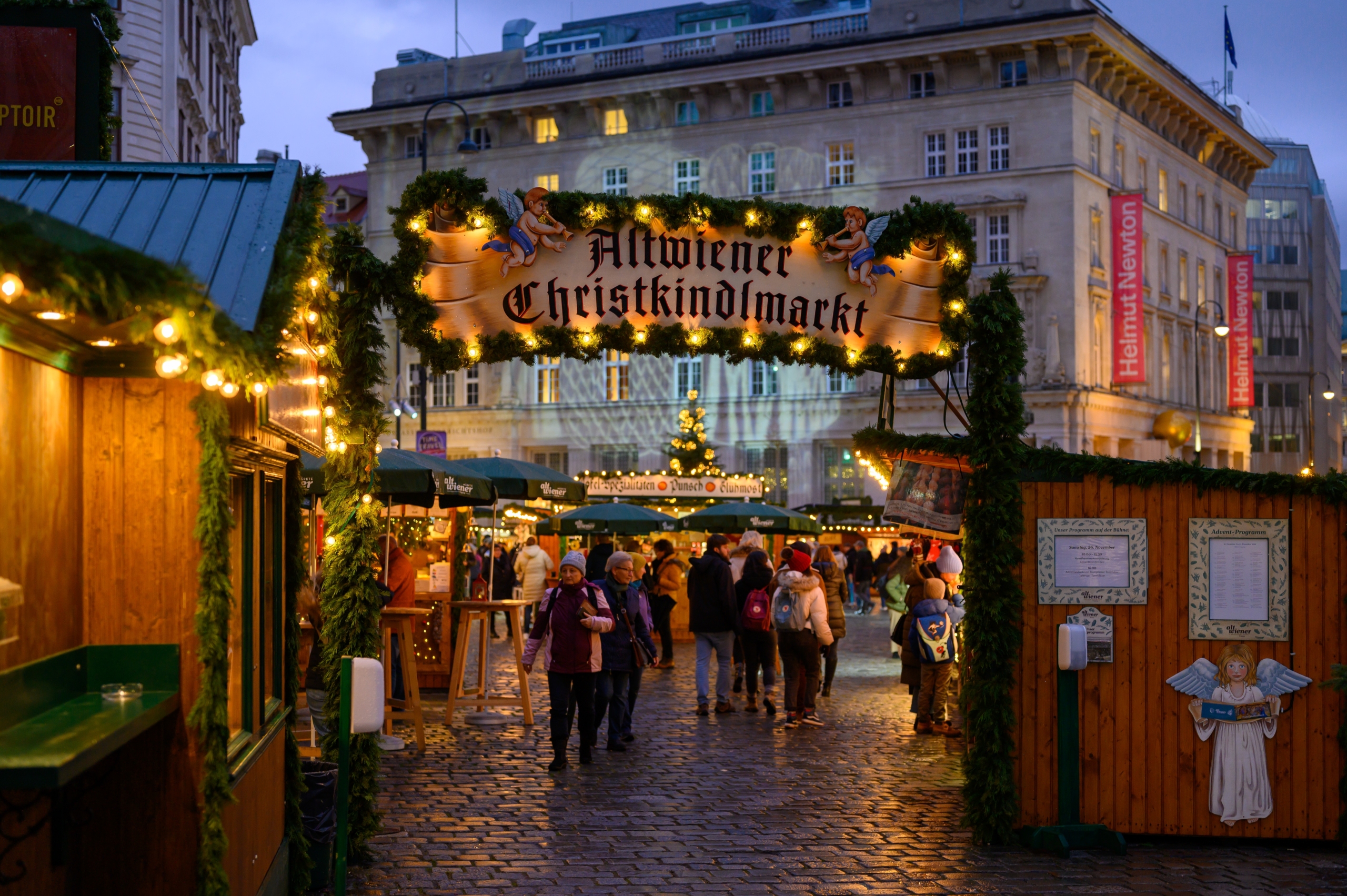
Held before the city’s neo-Gothic town hall, this is Vienna’s most photographed winter market. A large park becomes an illuminated seasonal landscape that attracts millions of visitors. Although its origins differ from medieval precedents, the modern event has become synonymous with Vienna’s December atmosphere.
2. Schönbrunn Palace Christmas market
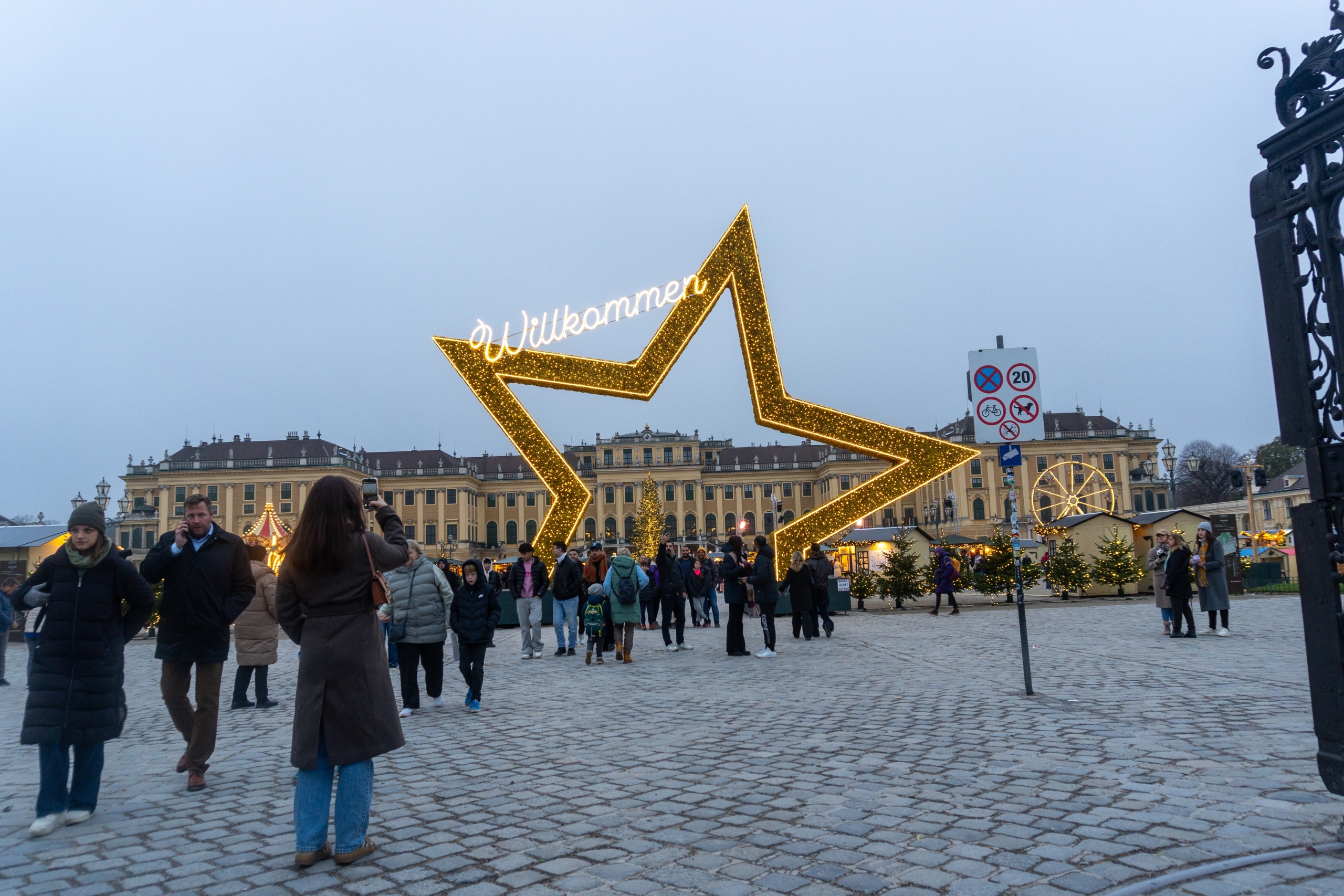
Set before the former Habsburg summer residence, this market uses the palace’s Baroque façade as a monumental backdrop. Many visitors combine it with a palace tour or a walk through the gardens, which take on a quiet winter character at dusk.
3. Belvedere “Christmas Village”
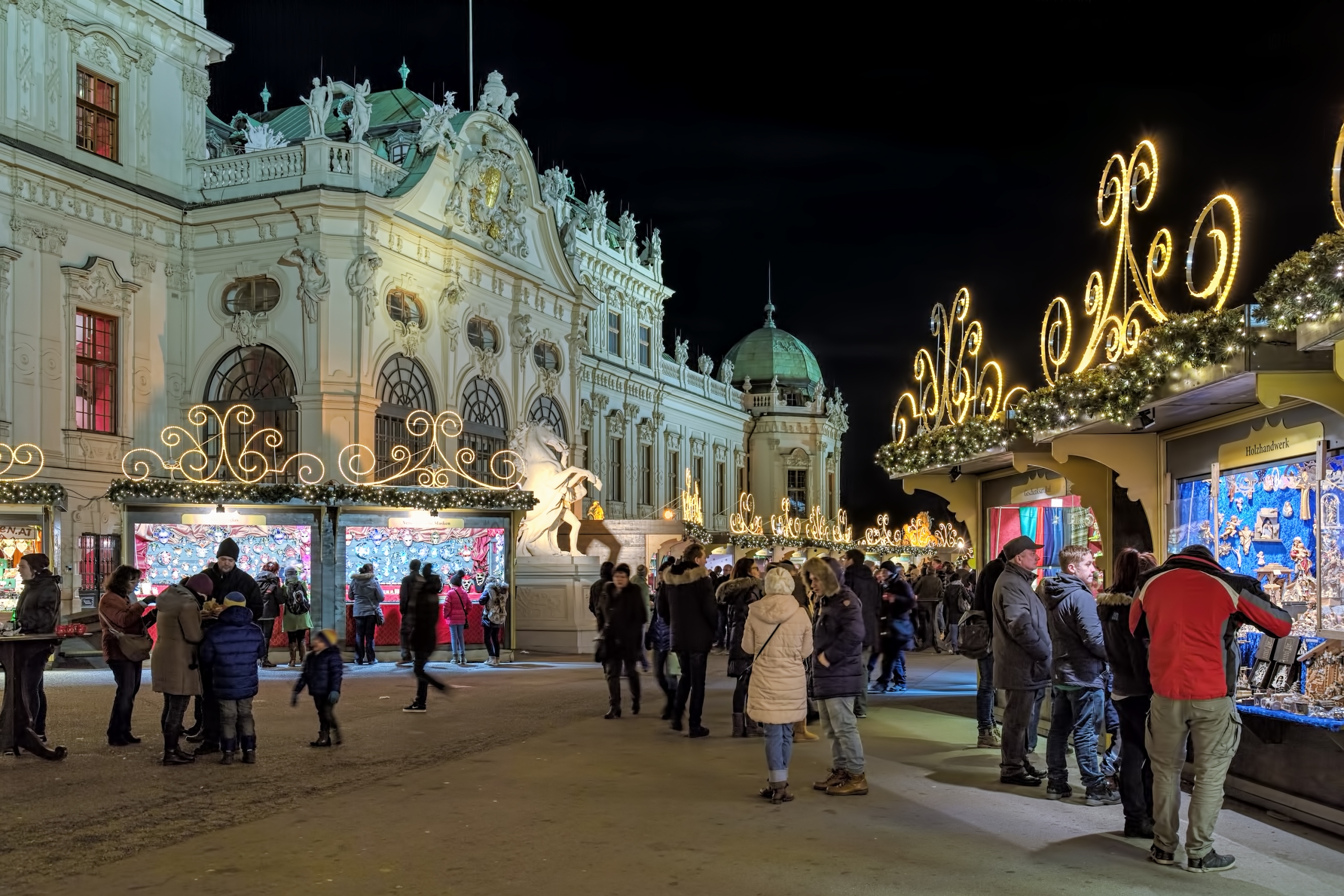
Located at the Lower Belvedere, this smaller market features about forty stalls arranged beside Baroque architecture and near one of Vienna’s major art collections. The scale is more intimate, offering a quieter alternative to the city’s larger events.
4. Spittelberg Christmas market
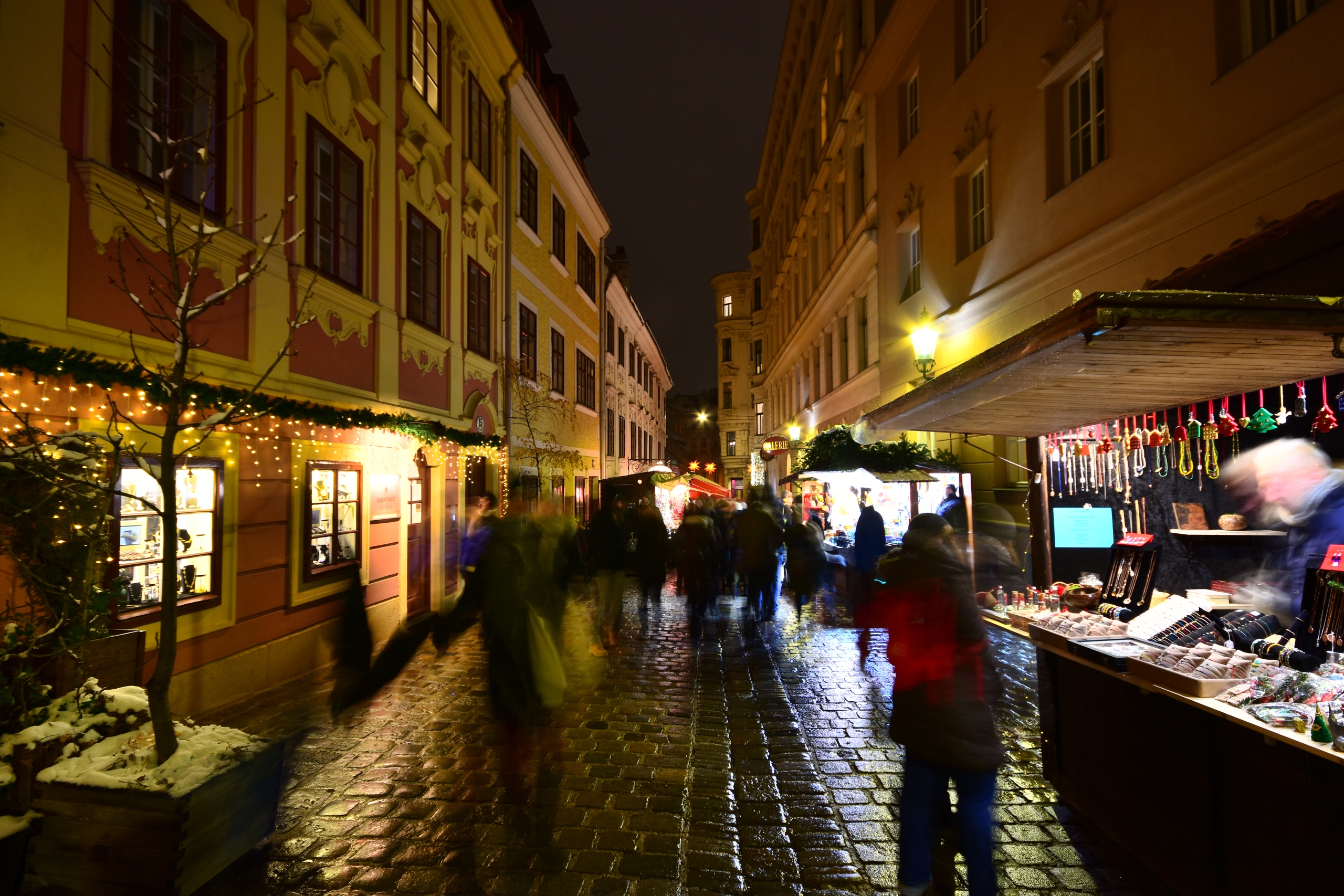
In the 7th district, narrow 19th-century lanes form an atmospheric setting for this community-driven market. Established in the 1990s, it is known for contemporary crafts, textiles, jewelry, and small-batch culinary products. Its compact layout and subdued lighting create a distinct neighborhood ambiance.
5. Art Advent (Karlsplatz)
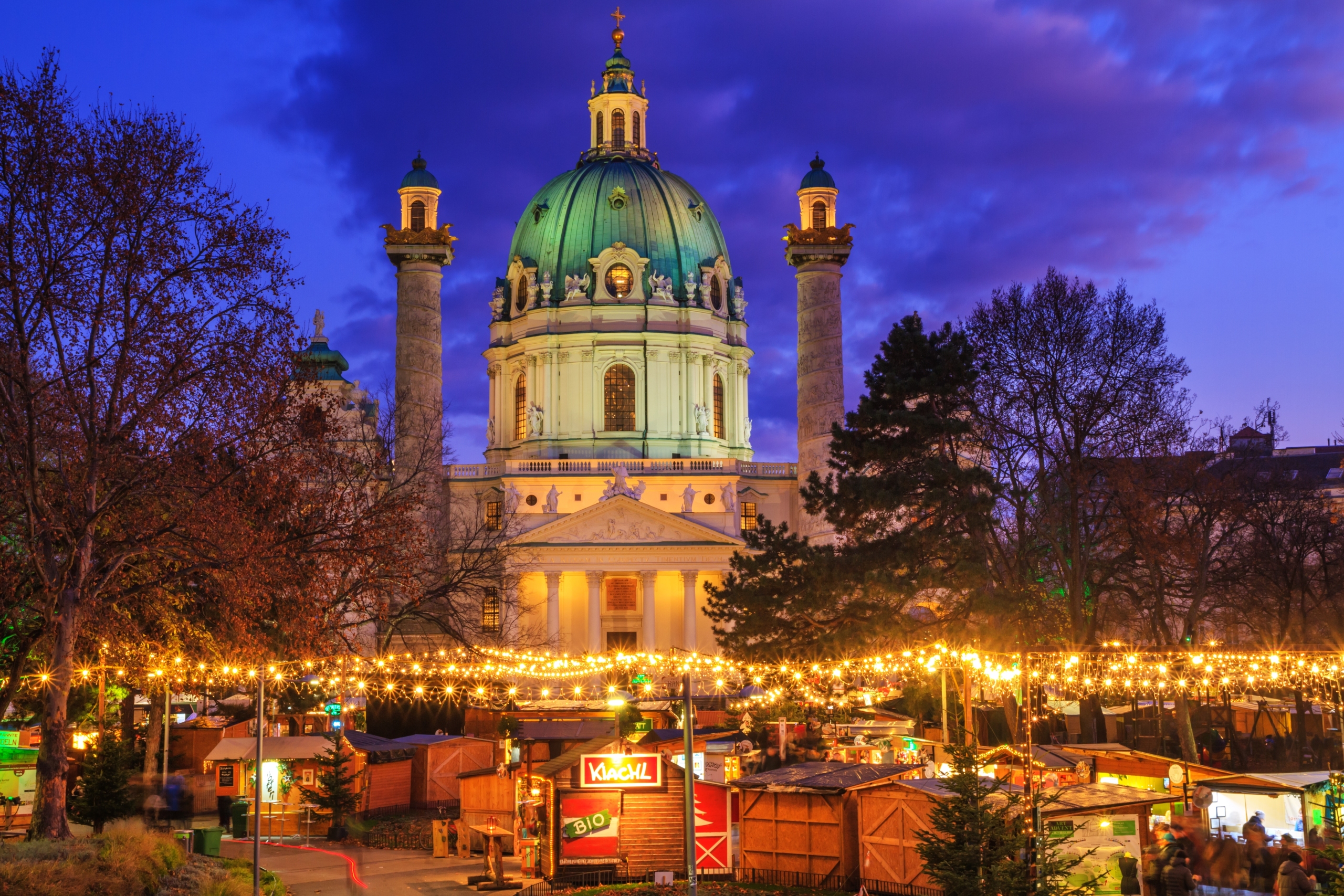
Karlsplatz hosts a market dedicated to creative production and sustainable practices. Stalls undergo an artistic selection process, presenting design pieces, ceramics, installations, and organic food offerings. The setting in front of the Karlskirche provides one of Vienna’s most recognizable vistas.
Across Austria: Five Highlights Beyond Vienna
1. Salzburg Cathedral Market
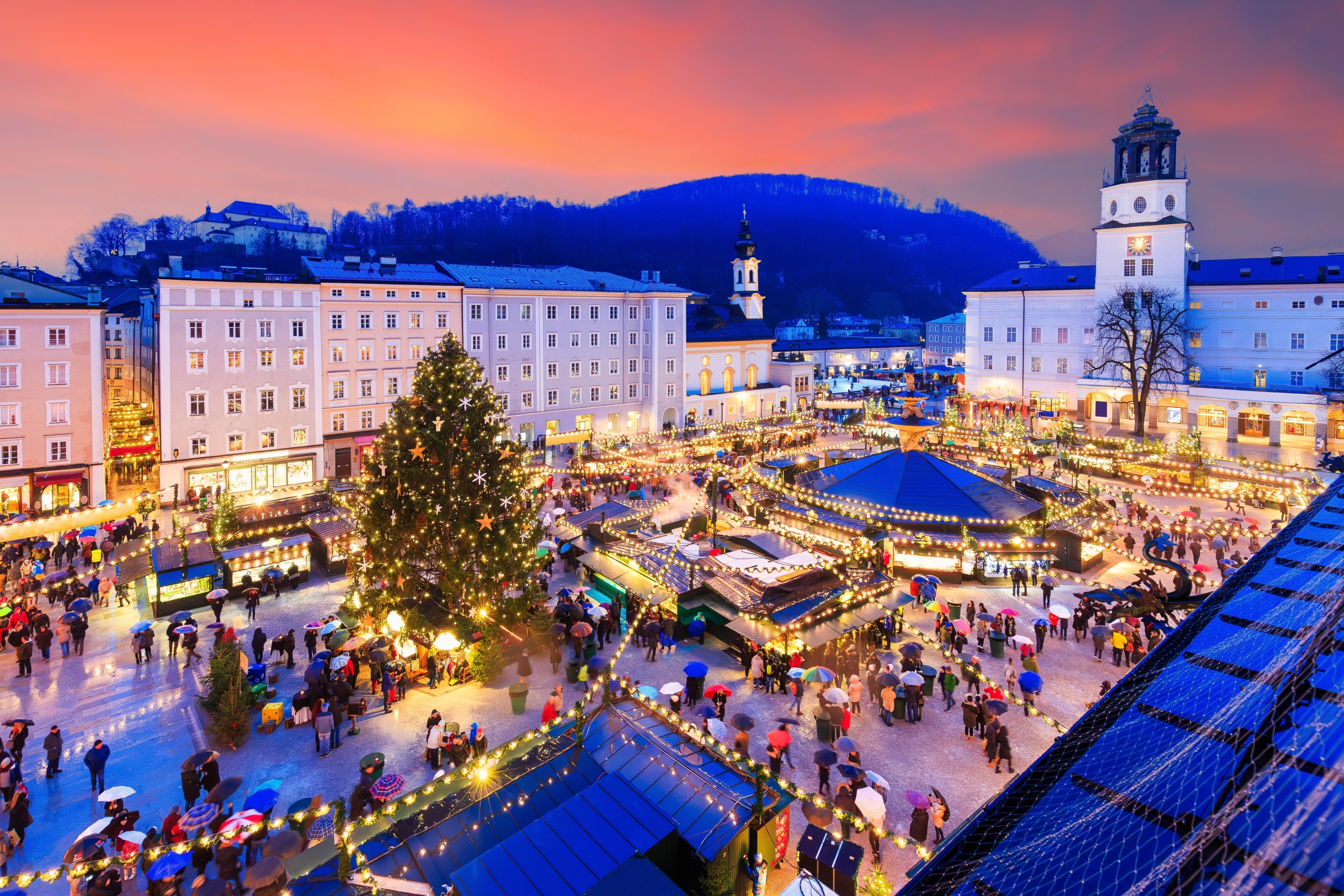
Held in Domplatz and Residenzplatz, this market has documentation dating to 1491, placing it among the oldest in Europe. High-quality regional crafts and performances from church towers create a distinctive historic atmosphere.
2. Innsbruck Altstadt Christkindlmarkt
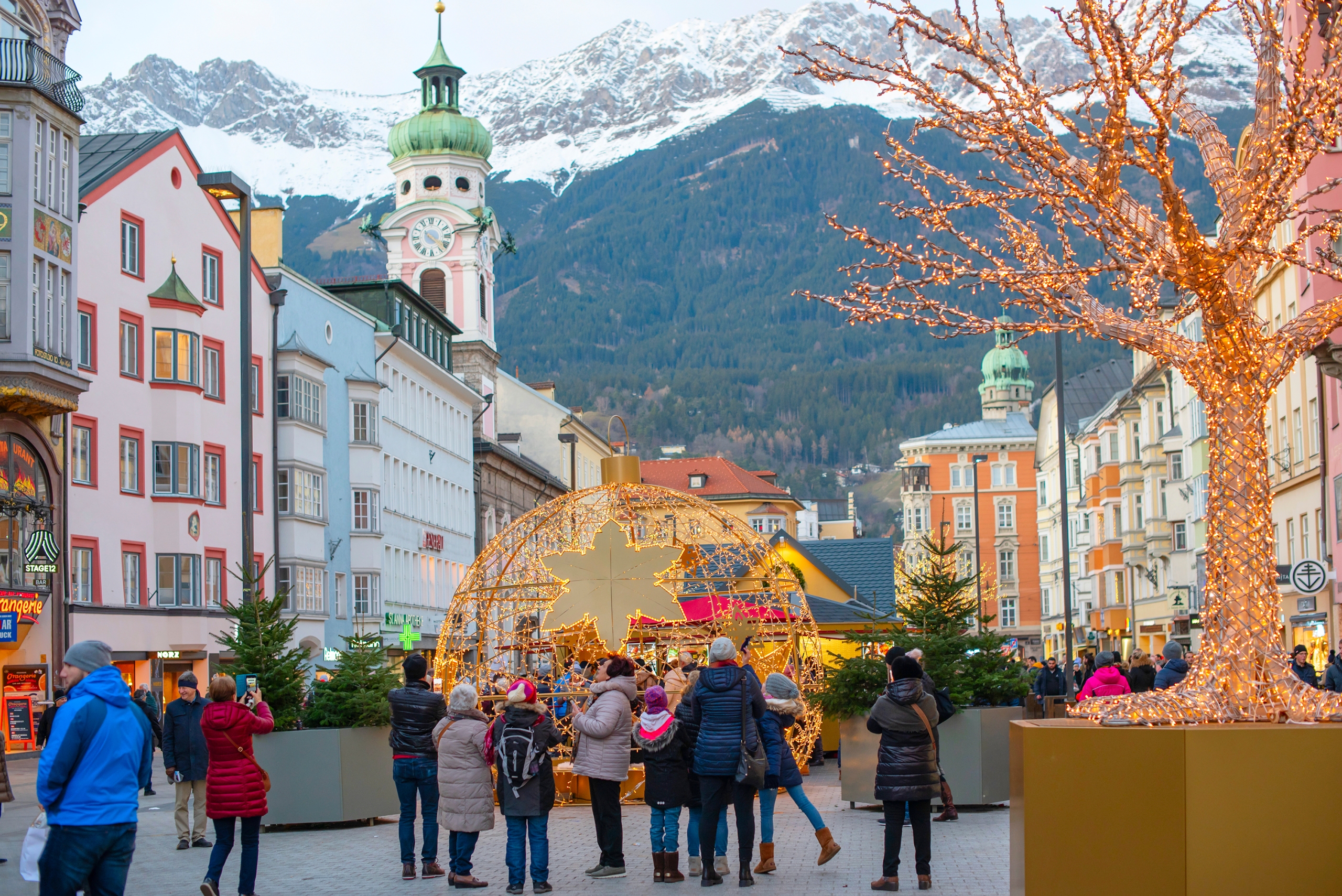
In the Alpine city of Innsbruck, the medieval quarter hosts a market framed by the Golden Roof and the surrounding mountains. The Märchengasse—“Street of Fairy Tales and Giants”—is particularly engaging for families.
3. Graz Hauptplatz Christmas Market
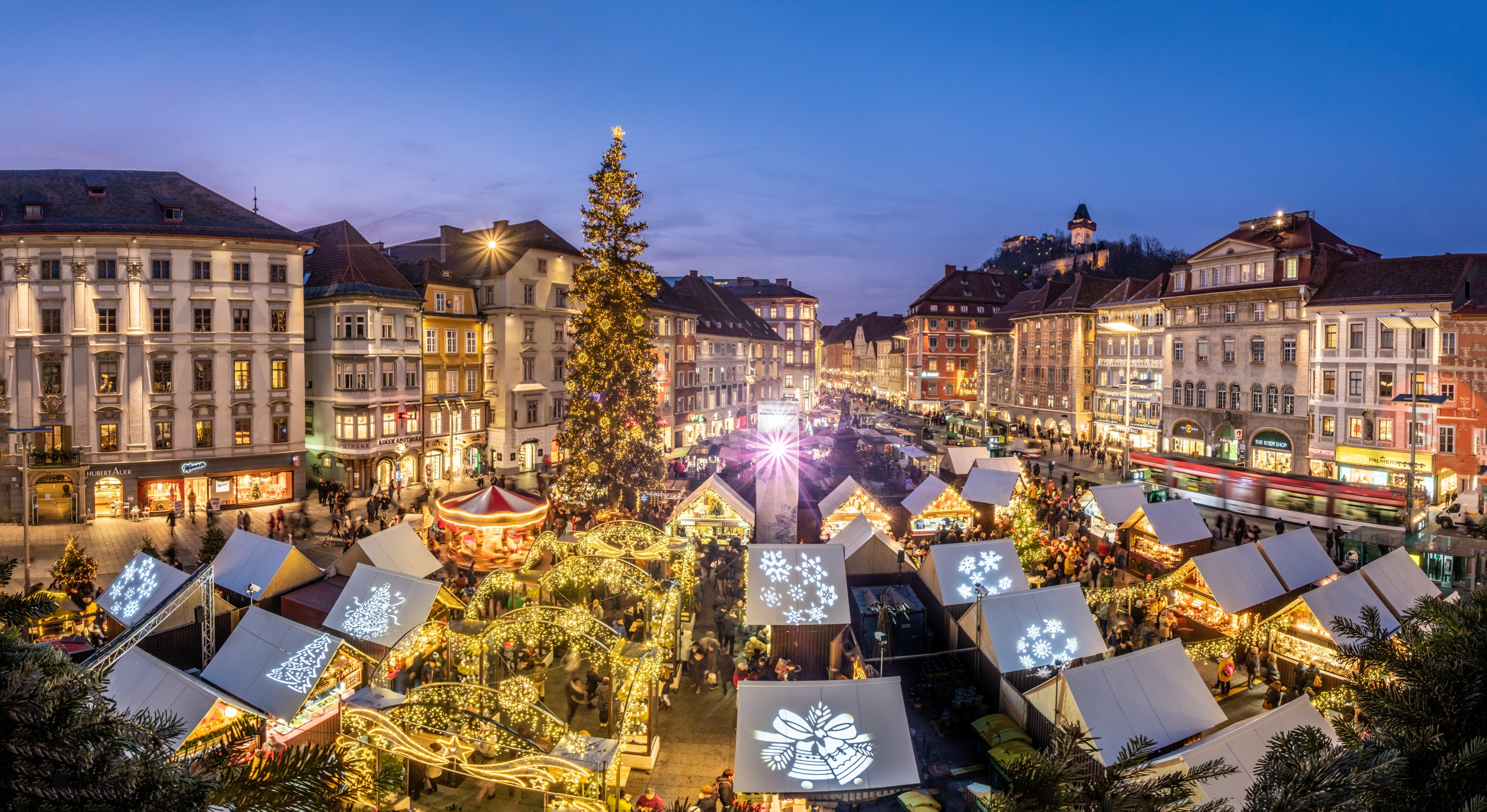
Styria’s capital combines traditional stalls with contemporary events. A seasonal ice nativity scene in the Landhaushof and several satellite markets across the old town complement the main square.
4. Linz Volksgarten Market
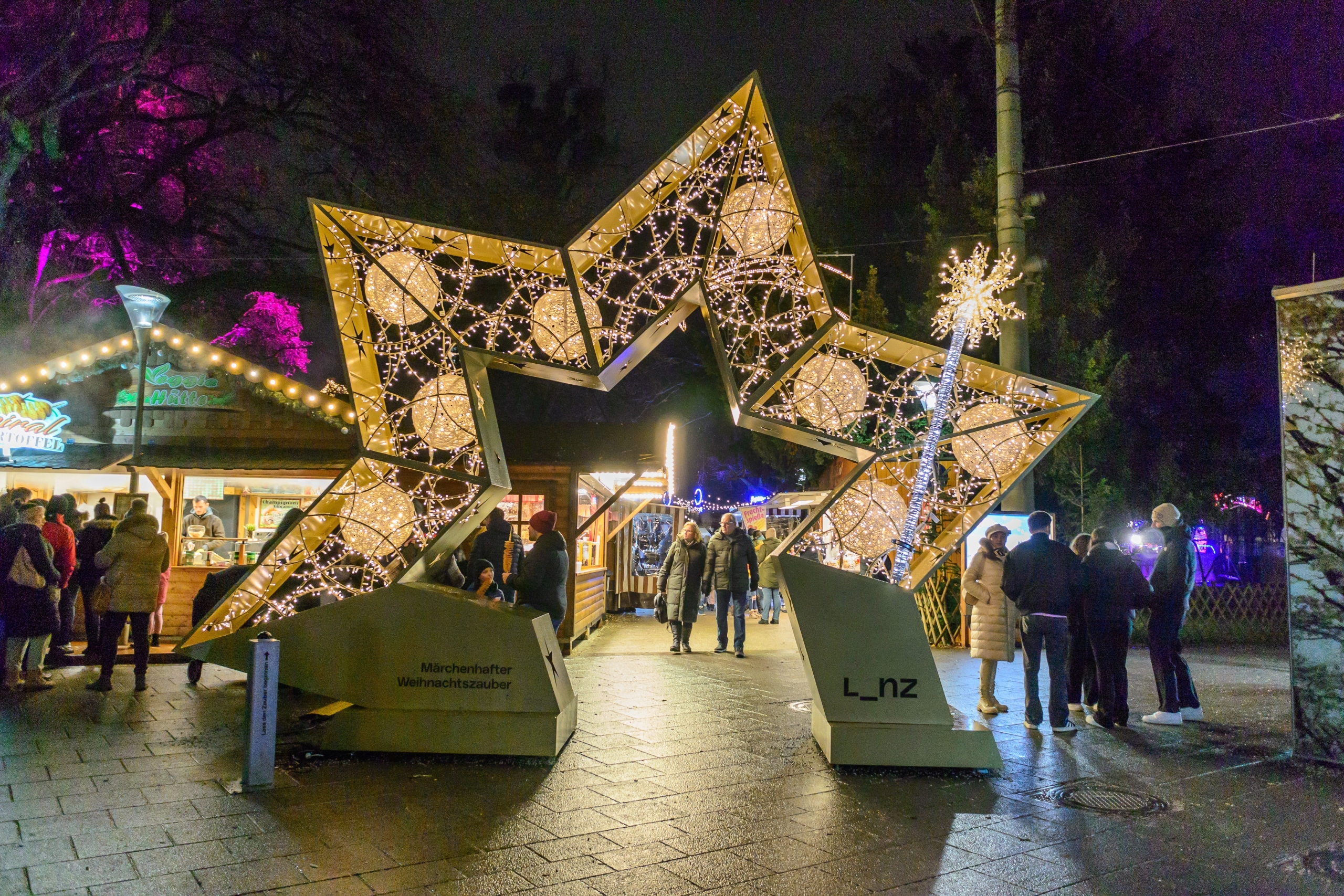
Set within a public park, Linz’s market emphasizes family-friendly activities: a carousel, small train, and live demonstrations of artisan work.
5. Klagenfurt Neuer Platz Market
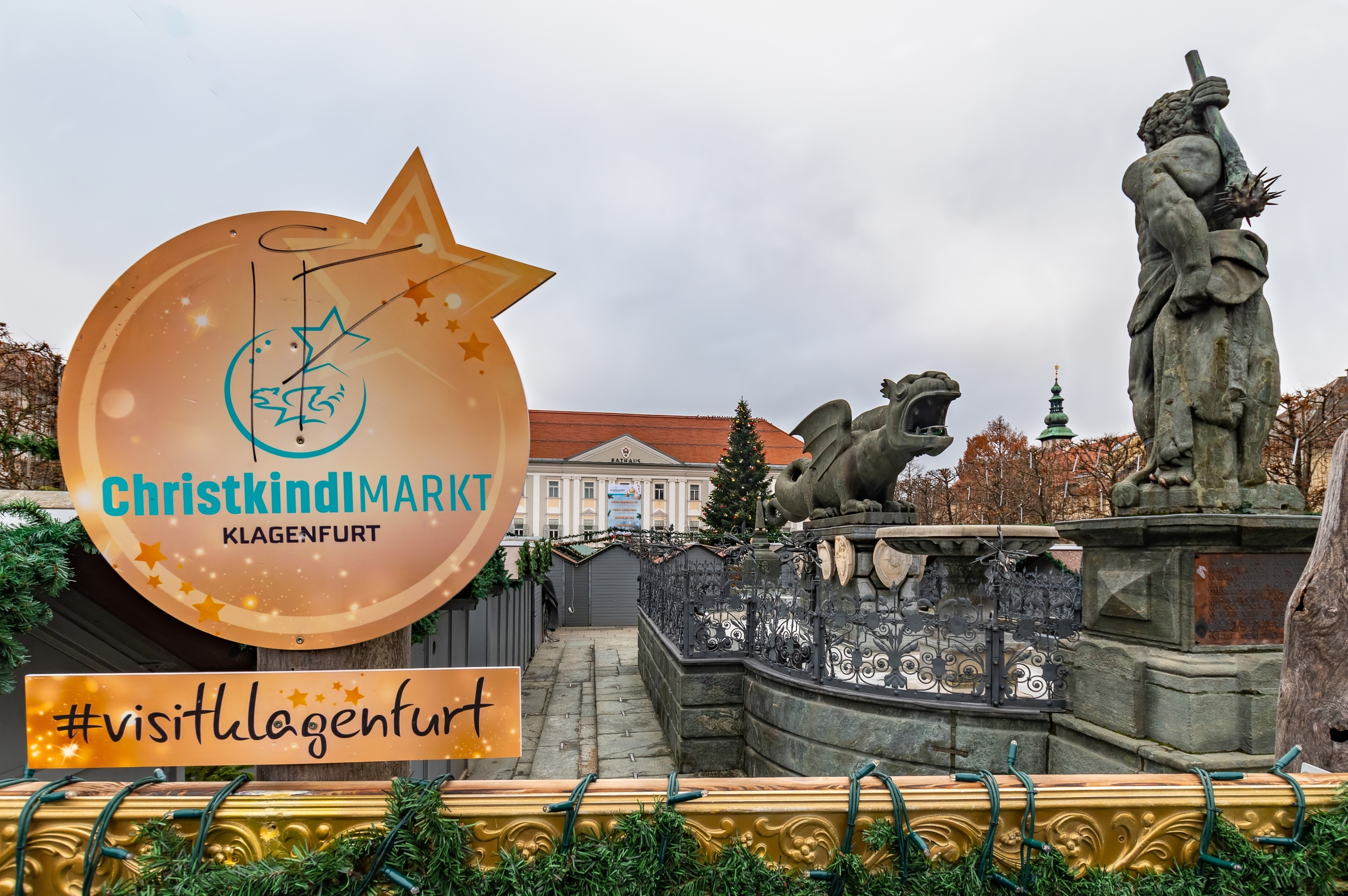
Carinthia’s capital hosts a regional market known for local crafts and culinary traditions. A secondary market near the Lendhafen and Advent boat rides on the nearby Wörthersee add to the experience.
Planning a Winter Market Route in Austria
- Season and Hours: Most markets open from mid-November until 24–26 December, with some extending to New Year.
- Transport: Austria’s rail network connects major cities efficiently. Vienna offers the most flight options from abroad.
- Clothing: Winter temperatures can be low; insulated footwear and layers are essential.
- Suggested Itinerary: Four to five days in Vienna, plus two to three days in Salzburg or Innsbruck, allow a balanced route between major and smaller markets.
- Budget: Many vendors accept cards, though smaller stalls may prefer cash.
- Crowd Management: Visit early in the day, then return at night to experience the lighting without the heaviest crowds.
- Accommodation: Book well in advance; winter demand is high.
- Cultural Pairings: Museums, Advent concerts, and seasonal displays—such as illuminated palace gardens—offer complementary activities.
- Authenticity and Sustainability: Markets like Spittelberg, Linz, or Klagenfurt provide smaller-scale environments and, in some cases, recognized eco-certification.
- Atmosphere: Cold evenings are part of the experience; cafés and warm drinks offer welcome pauses between visits.
Austria’s Christmas markets are not only festive gatherings but also windows into the country’s urban history, craftsmanship, and winter traditions. Moving among wooden stalls, lighted façades, and the scent of warm spices offers a form of travel shaped by memory, design, and seasonal ritual—an experience that continues to evolve while maintaining deep cultural roots.
AI Transparency Notice
PilgriMaps uses artificial intelligence tools to assist in the research, drafting and translation of editorial content. All AI-assisted content is reviewed, edited and verified by our editorial team before publication. We contrast information against primary sources, specialist literature and on-the-ground knowledge to ensure accuracy, cultural sensitivity and editorial integrity.
AI is one tool among many in our workflow. The judgement, curation and responsibility for everything published on this platform remain entirely human.
Viator Media S.L. — in compliance with the EU Artificial Intelligence Act (Regulation EU 2024/1689).
This post is also available in: