When fatigue and low spirits take hold, older cultural practices and contemporary research point to practical paths back to balance—often discovered while walking
There are days when walking feels unusually demanding. The fatigue is physical, but also mental. Attention dulls. Thoughts grow heavy. This state, sooner or later, crosses most lives.
The data are unequivocal. According to the World Health Organization, depression is currently the leading cause of disability worldwide. Yet long before distress becomes a clinical condition, there are accessible strategies that can help shift direction. Many draw on practices refined over centuries and now examined through neuroscience and behavioral science.
The breath of the forest: The restorative logic of Japanese shinrin-yoku
In 1982, Japan’s Forestry Agency introduced a term that would later gain global attention: shinrin-yoku, literally “forest bathing.” The concept describes a slow, sensory immersion in wooded environments rather than a goal-oriented hike.
Four decades on, research has substantiated the original intuition. Studies led by Qing Li at the Nippon Medical School show that spending approximately two hours among trees can alter measurable physiological markers. Serotonin levels rise, while indicators of anxiety, anger, and mental fatigue decline. Immune function improves. Volatile organic compounds released by trees – known as phytoncides – are inhaled and interact with the nervous system.
Pristine wilderness is not required. Urban parks produce comparable effects. What matters is pace and attention: walking slowly, breathing deeply, allowing the senses to engage. Hands on bark. Ears attuned to leaves. Thought permitted to wander without agenda.
The craft of welcome: Hygge and the Danish approach to everyday well-being
Denmark regularly ranks near the top of the World Happiness Report. One frequently cited explanation is hygge (pronounced “hoo-ga”), a term resistant to direct translation. It describes a practiced attentiveness to comfort, presence, and shared calm—especially during long, dark winters.
Candles, shared meals, warm textiles, unhurried conversation, the absence of screens: these simple elements stimulate the parasympathetic nervous system, associated with rest and recovery. Cortisol levels decrease. Oxytocin increases. The body settles.
Hygge requires little expense. It depends instead on intention—the deliberate creation of small, stable pockets of calm within daily life. Over generations, Danes have refined this practice as a response to extended darkness, learning to cultivate internal light when the external environment offers little of it.
Thirty minutes that matter
Physical movement remains among the most accessible mood-regulating tools available. A large review comparing sedentary and physically active individuals shows that regular movement consistently reduces anxiety and alleviates depressive symptoms. Endurance feats are unnecessary. Walking is sufficient.
The emotions of pilgrimage: A map for understanding ourselves
Recent studies have clarified the mechanism. A single thirty-minute session of moderate exercise increases adiponectin, a hormone released by fat tissue. This, in turn, activates neural pathways in the anterior cingulate cortex, a region central to emotional regulation. The mood-related effects emerge within two hours and can persist for up to twenty-four.
The essential factor is consistency. Walking often—and for sustained periods—supports both mental and physical equilibrium.
The chemistry of gratitude
Researchers at Iowa State University tested a deceptively simple intervention: a twelve-minute walk during which participants silently wished happiness to people they encountered. “May this person be well.” Repeated inwardly, without religious framing.
Participants reported increased happiness, stronger feelings of social connection, and reduced anxiety. The effect appears to operate on two levels: gratitude redirects attention away from rumination and activates neural circuits associated with reward and pleasure.
This practice does not deny difficulty or minimize pain. It trains attention to register what is functional and supportive alongside what is challenging. Like any cognitive skill, it strengthens through repetition. While walking, noticing what is visually or socially sustaining becomes part of the exercise.
The neurobiology of laughter
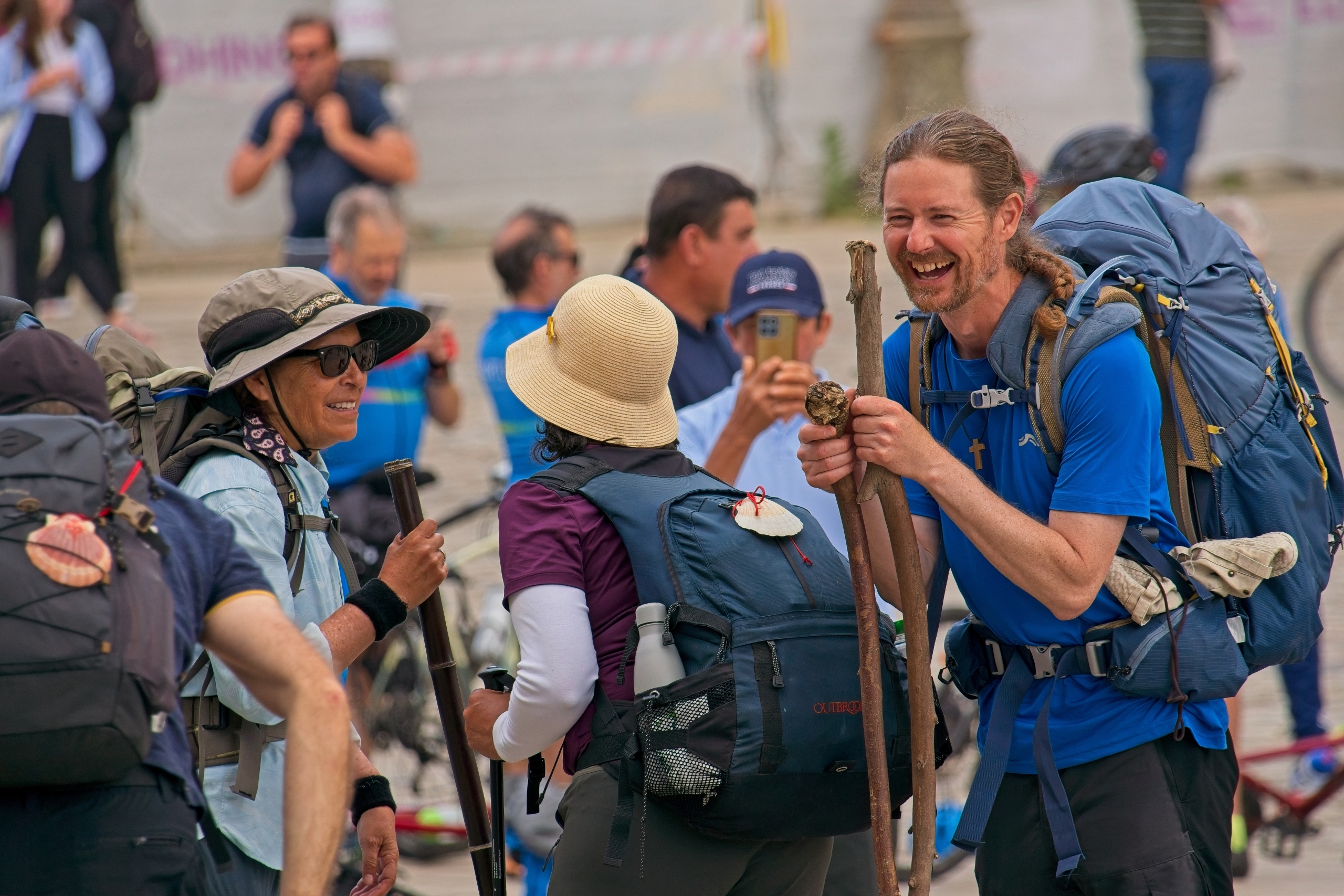
Laughter functions as a physiological intervention. During laughter, levels of cortisol and adrenaline fall. Dopamine and serotonin rise. Endorphins are released. Muscular tension decreases and breathing deepens. The body undergoes a measurable reset.
Meta-analyses involving thousands of participants—including hospitalized children, older adults in care facilities, and oncology patients—show that humor-based interventions reduce depressive and anxious symptoms. Longer programs yield stronger effects, but even a single session produces observable benefits.
In Japan, organized laughter clubs meet regularly. In India, laughter yoga combines rhythmic breathing with simulated laughter that often becomes spontaneous. The nervous system does not distinguish between the two; the biochemical outcomes are comparable.
A mosaic of options
Cultivating a more resilient mood is possible through multiple pathways. Walking among cypress trees. Observing passersby with deliberate kindness. Listening to a travel companion’s jokes as the path unfolds.
Good mood may not be a state that simply arrives. It can be assembled—incrementally. One step at a time. One shared laugh. One moment of attention and gratitude, discovered along the way.
AI Transparency Notice
PilgriMaps uses artificial intelligence tools to assist in the research, drafting and translation of editorial content. All AI-assisted content is reviewed, edited and verified by our editorial team before publication. We contrast information against primary sources, specialist literature and on-the-ground knowledge to ensure accuracy, cultural sensitivity and editorial integrity.
AI is one tool among many in our workflow. The judgement, curation and responsibility for everything published on this platform remain entirely human.
Viator Media S.L. — in compliance with the EU Artificial Intelligence Act (Regulation EU 2024/1689).
This post is also available in: