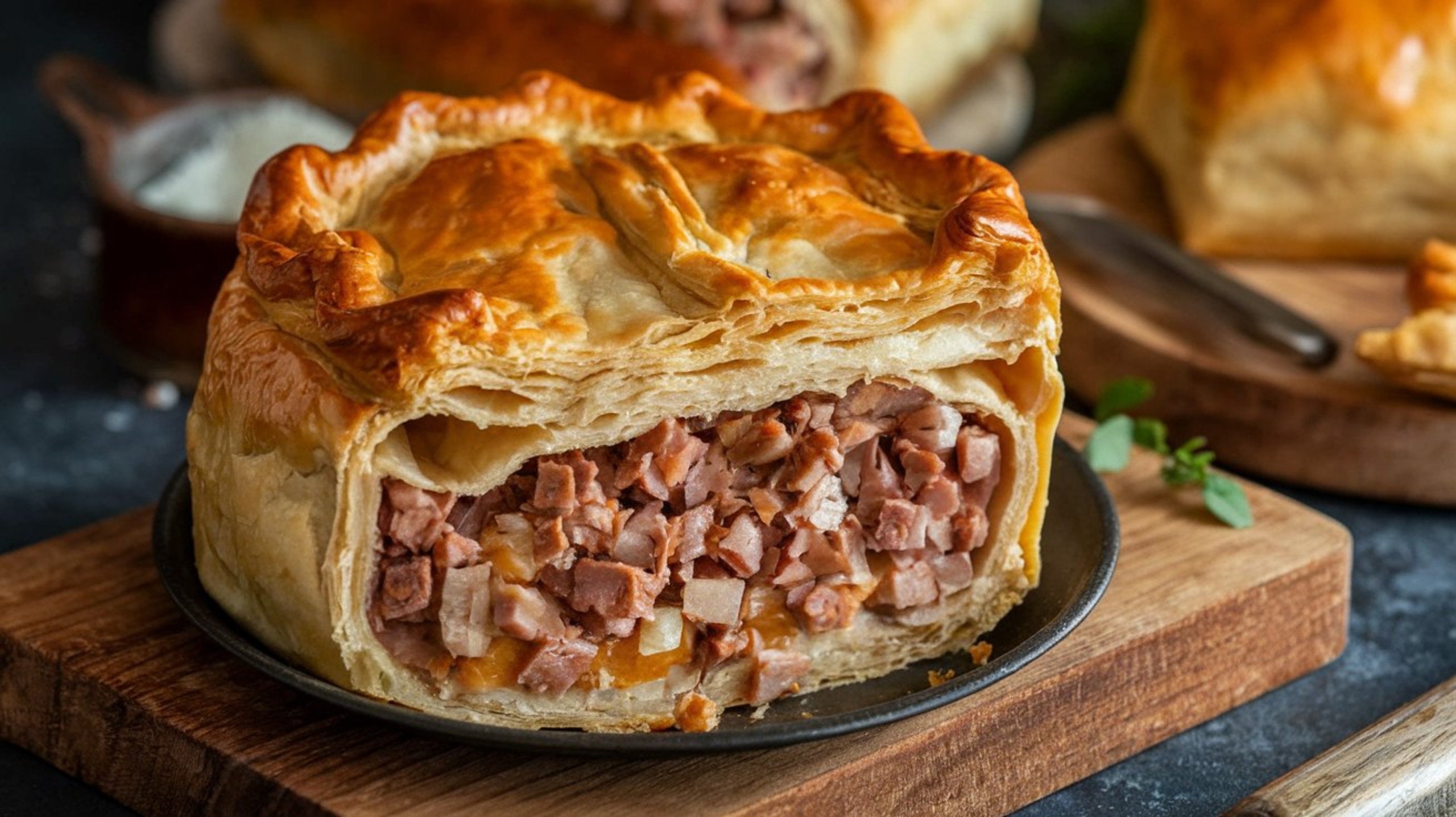
There is a dish that condenses four centuries of history. It is called tourtière. It is a meat pie. It appears simple. It is not.
Its aroma evokes northern winters. Its golden crust preserves memory. Its flavor connects generations. Since the seventeenth century, this specialty of Québec has endured change and continuity alike, shaping and reflecting a regional identity.
Origins: Between myth and documentation
Tourtière emerged in the earliest French settlements along the Saint Lawrence River. Historians generally trace its origins to the 1660s, shortly after Samuel de Champlain established New France. Settlers brought European culinary traditions, adapting them to local conditions and ingredients.
The etymology remains debated. The food writer Julian Armstrong has suggested a link to La Patina, a layered pie described in recipe collections dating to the fifth century CE. Prepared in a bronze vessel, it featured multiple layers of pastry and a central opening to release steam.
A second, more evocative theory traces the name to tourte, the French term for pigeon – specifically the passenger pigeon, once abundant in North America.
The disappeared bird: An ecological tragedy
The numbers defy easy comprehension. Estimates range from three to five billion birds. The passenger pigeon was likely the most numerous bird species in North America, possibly worldwide. Contemporary accounts describe flocks that darkened the sky for days.
In 1813, the naturalist John James Audubon observed a continuous passage of pigeons lasting three days. In 1860, a flock estimated at one billion birds flew over Toronto. Half a century later, the species was extinct. The last known individual, a female named Martha, died at the Cincinnati Zoo on 1 September 1914.
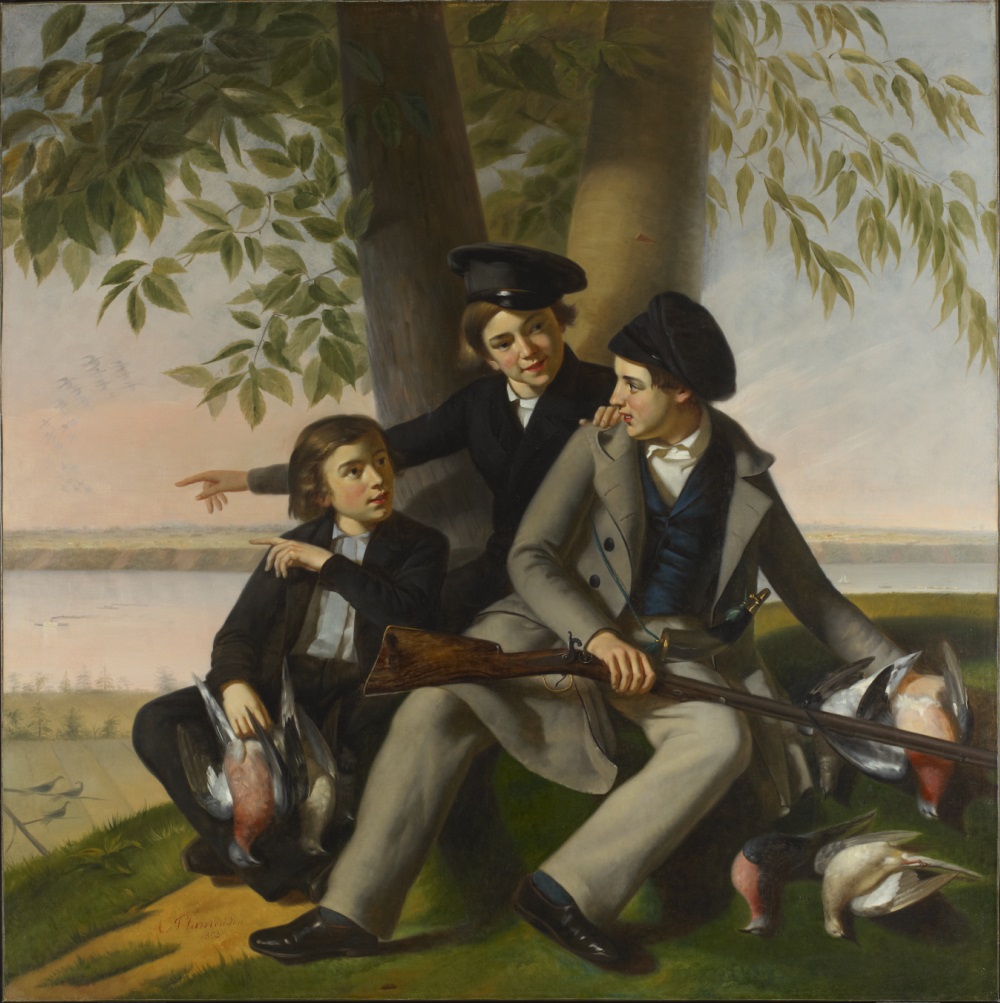
Île d’Orléans, in the Saint Lawrence River, was one of the species’ primary nesting sites. The birds were easily captured and commonly used in pies. A later assessment by the United States Department of Agriculture described the extinction as “a calamity caused by humanity… a slaughter without parallel in world history.”
Tourtière outlived its original ingredient. Pork replaced pigeon. The tradition adapted and endured.
The first written recipe: 1840
The earliest French-language cookbook published in Canada was La cuisinière canadienne, printed in Montreal in 1840 by Louis Perrault. It included several tourtière recipes, documenting a dish already in existence for nearly two centuries.
Food historian Elizabeth Driver highlights a key detail: early versions used hand-cut meat rather than ground meat. The texture was central to the experience. While ground meat is common today, the flavor profile remains recognizable even as the mouthfeel has changed.
Two schools, one tradition
In Québec, two principal styles prevail. The Montréal version is shallow, made with ground pork, sometimes blended with beef or veal. It is relatively quick to prepare.
The second originates in the Saguenay – Lac-Saint-Jean region. Deeper and denser, it uses cubed meat – often game such as moose, rabbit, or pheasant – combined with potatoes. It requires up to eight hours of slow cooking.
Chef Ricardo Larrivée summarizes the commitment involved: preparing it “means waking four, five, six times during the night to add broth through the opening in the crust.”
In the Maritime Provinces, Acadian communities prepare a similar dish known as pâté à la viande. The spirit is shared; the name reflects regional identity.
The alchemy of spices
Four spices distinguish tourtière from other meat pies: cinnamon, cloves, allspice, and nutmeg. These are not decorative additions. They define the dish.
The aromatic profile echoes European Christmas desserts, transposed into a savory context. Some families add ginger; others use dry mustard. Traditionalists restrict seasoning to salt and pepper.
Fat choice also divides opinion. As noted by food scholar Nathalie Cooke, lard was historically standard. Olive oil was costly, butter scarce. A lard-based crust yields a flaky, friable texture closely associated with earlier preparations.
Réveillon: When tourtière becomes ritual
Tourtière is inseparable from Réveillon, the late-night meal on Christmas Eve. The term derives from réveiller, “to stay awake.” Traditionally, the meal followed Midnight Mass and continued into the early hours.
Among French-speaking Catholics, the custom dates to the seventeenth century. In 1645, settlers attended the first documented Christmas Mass in Québec, then returned home to eat. Tourtière was already present.
Montréal chef Chuck Hughes recalls the social dimension of the night: extended family, oysters, conversation, and food stretching into morning hours.
How to serve it: The condiment debate
Some families serve tourtière with commercial ketchup, especially for children. Others prefer homemade chutneys. Spiced green ketchup is traditional in certain regions. Pickled beets are a frequent accompaniment.
Contemporary chefs experiment with Dijon mustard, chili sauce, red pepper jelly, or pomegranate jelly. At Au Pied de Cochon, chef Martin Picard has become a prominent advocate of modern interpretations. Innovation is accepted; continuity remains central.
Legacy and continuity
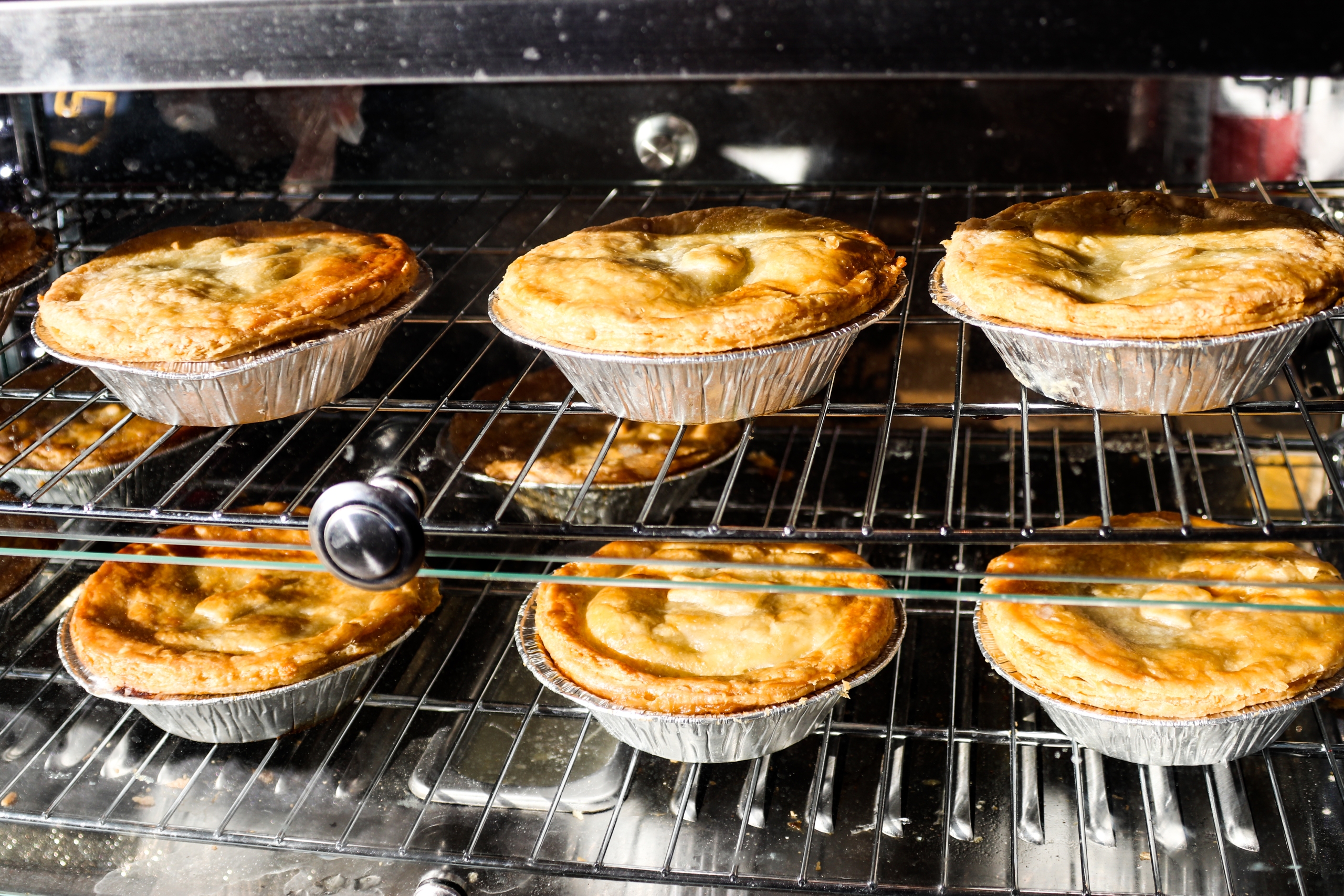
Today, tourtière is widely available in Canadian supermarkets. The Québec restaurant chain St-Hubert has produced it since the 1950s. Yet it rarely appears on restaurant menus.
As Larrivée explains, it demands time, labor, and significant quantities of meat. Tourtière therefore remains primarily a domestic dish. Each household keeps its own version. Each generation adjusts it slightly.
Meat pies exist across cultures – empanadas, Cornish pasties, samosas – but tourtière stands apart. It combines French culinary structure with North American pragmatism. It carries the scent of winter holidays within a savory crust. It recalls an extinct bird and sustains a living culture.
Tourtière is not only food. It is heritage. It is continuity. It is a table shared on the coldest night of the year, when snow falls outside and warmth gathers indoors. Four centuries later, the aroma endures. The tradition continues.
AI Transparency Notice
PilgriMaps uses artificial intelligence tools to assist in the research, drafting and translation of editorial content. All AI-assisted content is reviewed, edited and verified by our editorial team before publication. We contrast information against primary sources, specialist literature and on-the-ground knowledge to ensure accuracy, cultural sensitivity and editorial integrity.
AI is one tool among many in our workflow. The judgement, curation and responsibility for everything published on this platform remain entirely human.
Viator Media S.L. — in compliance with the EU Artificial Intelligence Act (Regulation EU 2024/1689).
This post is also available in: