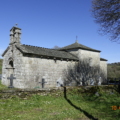
Tell Basta, ancient Bubastis (Per-Bast, “House of Bast”), is an important archaeological site near modern Zagazig, in the eastern Nile Delta. In the Pharaonic period it was the capital of Egypt during the 22nd Dynasty (945–720 BC) and a major cult center of the feline goddess Bastet, whose sacred animal was the cat. The city flourished on a strategic crossroads between land routes (Wadi Tumilat) and the Pelusiac branch of the Nile, and its great temple—already admired by Herodotus—was built, enlarged and reused from the time of Cheops through the Middle and New Kingdoms, down to Greek, Roman and Ptolemaic periods. Today, visitors see ruins of Bubastis, reused blocks from other cities, remains of the temple, a Roman-period water well, and traces of palaces such as that of Amenemhat III, making Tell Basta a key site for understanding the layered history of the Delta.
Biblical and Christian traditions add a powerful spiritual dimension. Bubastis is often identified with biblical Pi-Beseth (Ezekiel 30:17), prophesied to fall into ruins, and Coptic tradition links its great temple’s collapse to the arrival of the Holy Family, fulfilling Isaiah’s words that “the idols of Egypt shall be moved at His presence” (Isaiah 19:1). Local lore tells how, when the townspeople refused water to the Child Jesus, a spring miraculously burst forth near a tree—attributed to Jesus or to Joseph’s tool striking the ground—and how the family was finally welcomed only by a man named Quloum, whose household was blessed and healed. A first-century well at the site is still associated with this miracle, although it is now fenced off after pilgrims began to drink from its polluted water. Tell Basta thus unites prophecy, Pharaonic archaeology and Coptic devotional memory in a single landscape.
- Address
El-Shohada, El-Hariry, Zagazig 1, Al-Sharqia Governorate 44513, Egypt - Web
https://egymonuments.gov.eg/archaeological-sites/tal-basta/ - Visiting Hours
Every day from 9:00 to 17:00 - What to see
Christ’s Well, pharaonic remains, museum
AI Transparency Notice
PilgriMaps uses artificial intelligence tools to assist in the research, drafting and translation of editorial content. All AI-assisted content is reviewed, edited and verified by our editorial team before publication. We contrast information against primary sources, specialist literature and on-the-ground knowledge to ensure accuracy, cultural sensitivity and editorial integrity.
AI is one tool among many in our workflow. The judgement, curation and responsibility for everything published on this platform remain entirely human.
Viator Media S.L. — in compliance with the EU Artificial Intelligence Act (Regulation EU 2024/1689).
This post is also available in: