At the heart of the Indian Ocean, where ancient trade routes once converged, Sri Lanka has long served as a cultural and botanical crossroads. For over two millennia, this small island has developed a culinary tradition in which food, health, and daily ritual are deeply interconnected. Central to this tradition is one dish: rice and curry.
A Living Tradition
Archaeological evidence suggests that the daily preparation of spiced foods in Sri Lanka dates back to at least the 3rd century BCE. Early records, preserved on palm leaves and stone inscriptions, reveal detailed knowledge of agriculture, herbal medicine, and culinary practices used not only for nourishment but also for healing.
Known to early traders as Taprobane, Serendib, and later Ceylon, Sri Lanka earned its global reputation through its spices—particularly cinnamon—which were traded along maritime routes as early as 2000 BCE. Its strategic position made it a key node in the spice trade, as documented in 14th-century commercial maps.
The island’s tropical climate and diverse microclimates foster a wide range of spice cultivation, including endemic species. This biodiversity, paired with generational knowledge, gave rise to a cuisine that is both highly regional and deeply functional in terms of health.
Curry as Culinary Medicine
Sri Lankan curry is not defined by a single recipe but by a balance of spices and ingredients tailored to climate, constitution, and season—principles rooted in Ayurveda, the South Asian knowledge system focused on balance and wellness.
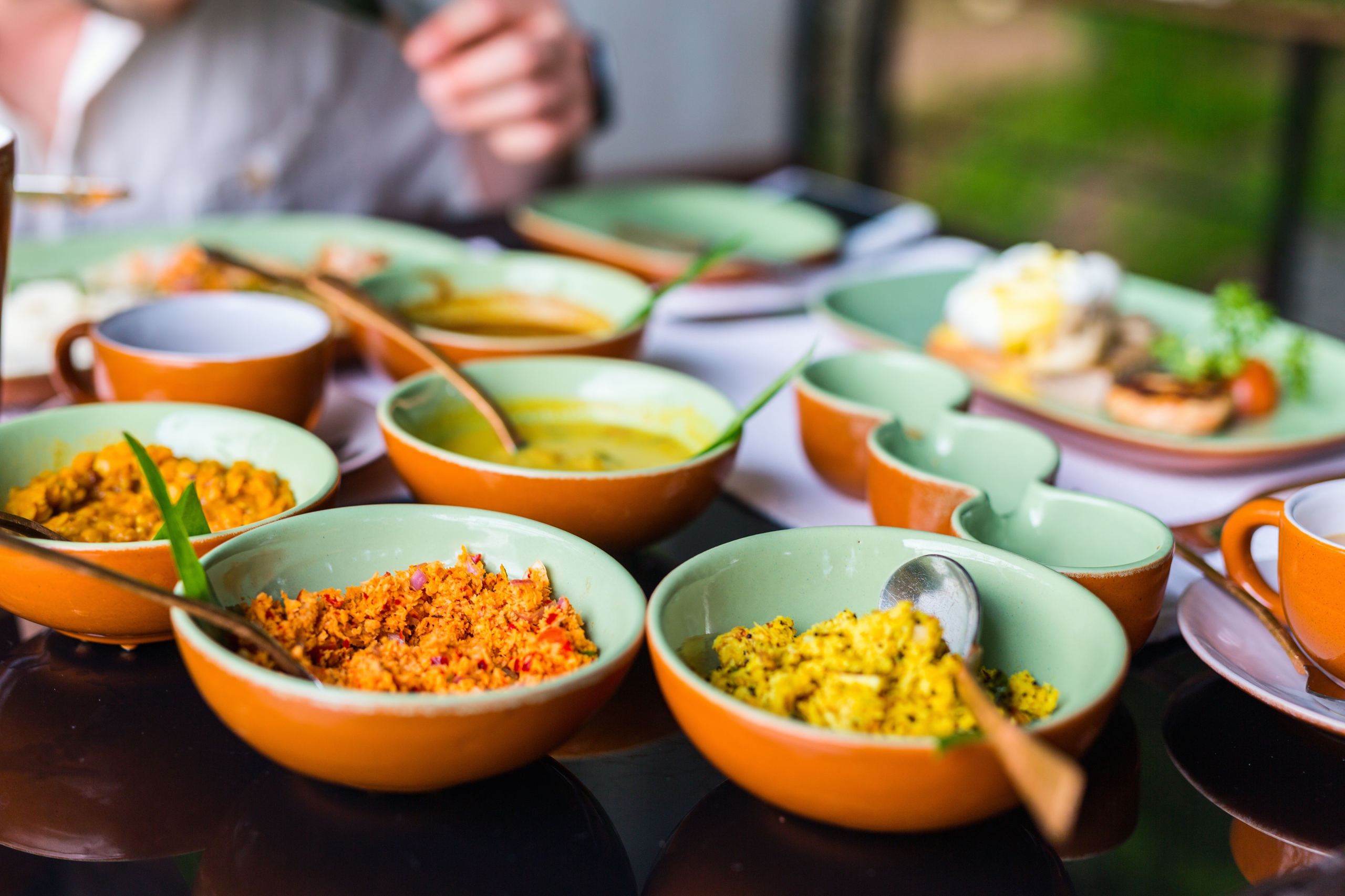
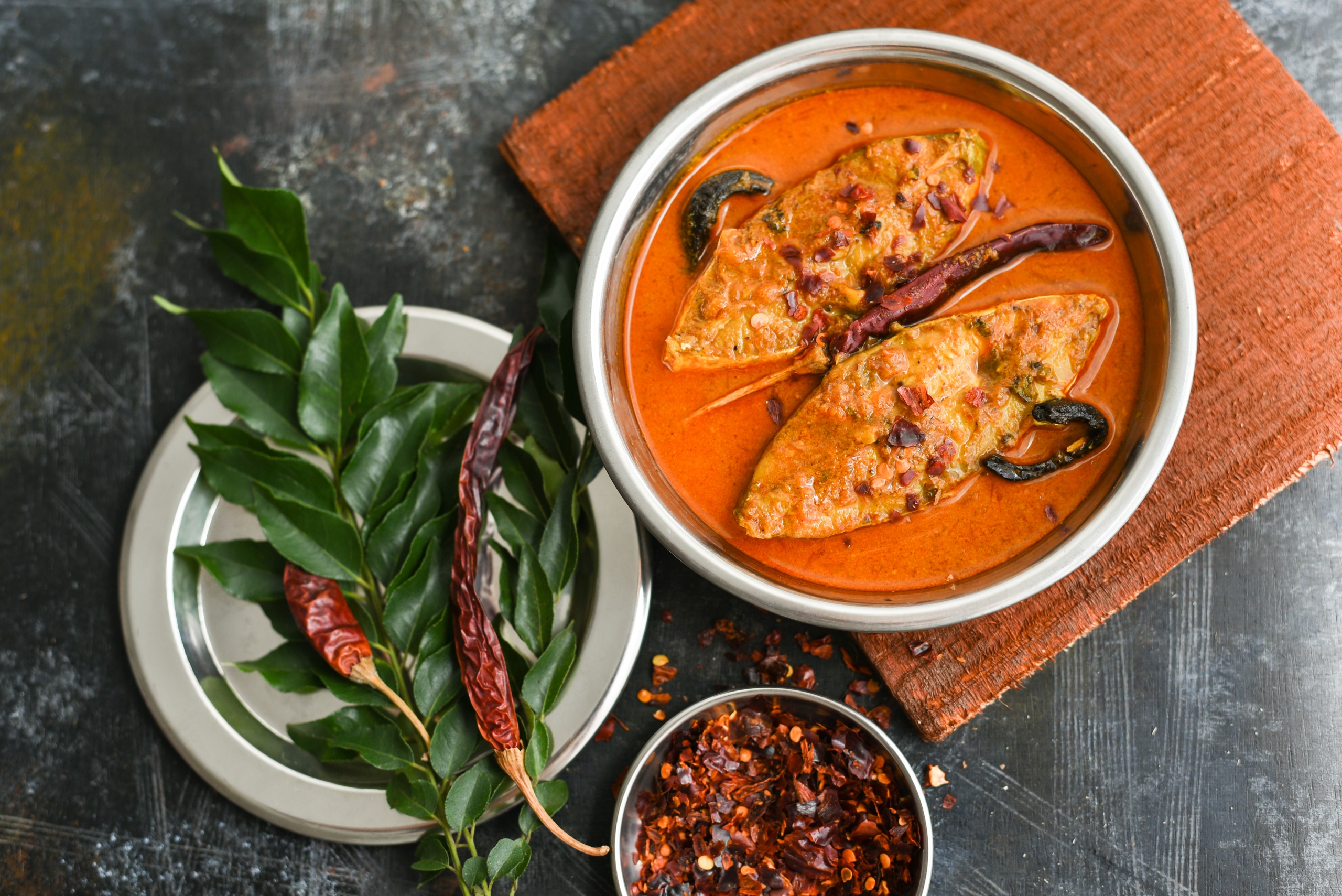
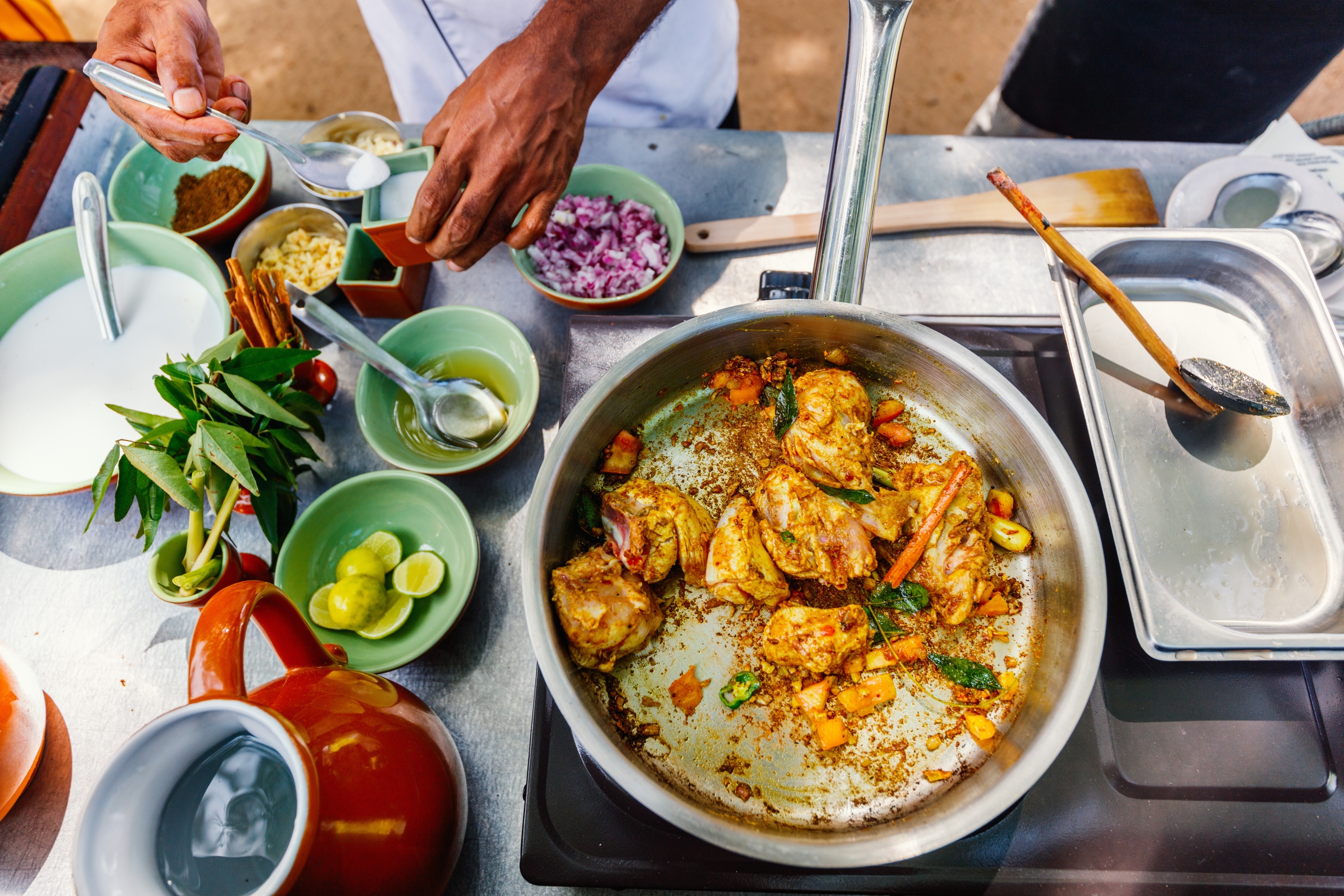
A typical meal of rice and curry—the national staple—is not simply sustenance. It is a carefully constructed set of components that include a variety of curries (vegetable, meat, fish, or lentil), each offering specific therapeutic properties. Sri Lankan curries are commonly categorized as red (chili-forward), white (coconut-based), or black (spice-roasted). This typology reflects not just taste profiles but Ayurvedic classifications of heat, energy, and elemental balance.
What distinguishes Sri Lankan cuisine is the extensive use of local ingredients such as Ceylon cinnamon, black pepper, goraka (Garcinia cambogia), pandan leaves, lemongrass, and Maldive fish (cured tuna flakes). These elements contribute both to the flavor profile and to the functional role of the meal as a tool for health maintenance.
Curry Leaves: A Domestic Healer
Among the most characteristic ingredients are curry leaves (karapincha), found in nearly every home garden on the island. Rich in antioxidants and essential nutrients, these leaves are traditionally believed to support digestion, regulate blood sugar, and promote hair and skin health.
Contemporary research confirms many of these properties, including anti-inflammatory, antimicrobial, and antidiabetic effects. The traditional practice of chewing curry leaves on an empty stomach has shown benefits in regulating insulin activity, detoxifying the liver, and improving metabolic function.
The Medicinal Logic of Spices
Each ingredient in Sri Lankan curry contributes to a broader therapeutic system. Turmeric, which gives curry its yellow hue, contains curcumin—a compound with clinically observed anti-inflammatory effects. Ginger offers antibacterial and antiviral properties. Ceylon cinnamon, native to the island, has been shown to help regulate blood sugar and improve circulation.
In Ayurvedic theory, meals should include six tastes—sweet, sour, salty, bitter, pungent, and astringent—to maintain equilibrium. Sri Lankan meals often embody this principle, with each curry and condiment contributing to the overall sensory and functional balance.
Spices are also classified as “heating” or “cooling,” based on their effect on the body. Recent studies have found correlations between these traditional categories and antioxidant properties, offering a modern framework for ancient knowledge systems.
Regional Diversity and Cultural Adaptation
Across Sri Lanka, the concept of curry varies by region and community. Muslim communities prepare Kidu rice, accompanied by standardized curries and chutneys. The Burgher community introduced Lamprais, a fusion dish of rice, meat, and condiments baked in banana leaves, influenced by Dutch and Indonesian techniques.
In the coastal areas, seafood dominates, while in the central highlands, dishes feature more vegetables, dairy, and mild spices. Jaffna, in the north, is known for its robust spice blends and distinctive curry pastes. These regional expressions reflect centuries of cultural interchange and adaptation to local ecosystems.
A System of Knowledge, Not Just a Cuisine
While Sri Lankan curries are now served globally, the essence of the tradition remains tied to home kitchens, where recipes are handed down within families and ingredients are selected with care. Here, food preparation is not just domestic labor but a form of applied knowledge, integrating sustainable agriculture, seasonal awareness, and functional nutrition.
As global interest in food-based health systems grows, Sri Lanka offers a model where dietary traditions and empirical science converge. Its culinary heritage is not static but dynamic—rooted in ancient principles, continually adapted to modern contexts.
AI Transparency Notice
PilgriMaps uses artificial intelligence tools to assist in the research, drafting and translation of editorial content. All AI-assisted content is reviewed, edited and verified by our editorial team before publication. We contrast information against primary sources, specialist literature and on-the-ground knowledge to ensure accuracy, cultural sensitivity and editorial integrity.
AI is one tool among many in our workflow. The judgement, curation and responsibility for everything published on this platform remain entirely human.
Viator Media S.L. — in compliance with the EU Artificial Intelligence Act (Regulation EU 2024/1689).
This post is also available in: