Sopa de maní, Bolivia’s peanut soup, occupies a central place in the country’s culinary landscape. Creamy and richly seasoned, it is made with ground peanuts and local vegetables, and represents centuries of agricultural continuity and cultural blending. Some studies trace the cultivation of peanuts in the Andes back as far as 9,400 years.
The soup also holds symbolic weight in modern history. On October 8, 1967, in the remote Bolivian village of La Higuera, a teacher named Ninfa Arteaga is said to have offered a bowl of sopa de maní to a wounded man – Ernesto “Che” Guevara. According to accounts, it was his final meal before execution. While historical interpretations vary, the episode remains part of Bolivia’s cultural memory.
Today, sopa de maní is recognized as a dish of national significance, deeply tied to Andean identity, regional variation, and collective memory.
Origins of a seed and a dish
Peanuts (Arachis hypogaea) are native to South America. Archaeological remains from the Ñanchoc Valley in present-day Peru indicate peanut cultivation as early as 7,800 years ago, predating the Inca Empire. By the time Europeans arrived in the 16th century, peanuts were already widespread in Andean foodways. They later spread via transatlantic trade routes, becoming a global crop.
However, Bolivia has preserved and refined a uniquely localized expression of peanut-based cuisine. The precise origins of sopa de maní as a dish remain uncertain. Historian Beatriz Rossells notes that the recipe does not appear in documentation prior to the 19th century. Some researchers suggest it evolved from cazuela de maní, a thicker, more elaborate peanut stew often served on special occasions.
Other theories point to regional influences. In Sucre—one of Bolivia’s most Europeanized cities in the 19th century—the name and form of the soup may reflect French culinary influences, particularly the cassoulet.
Today’s sopa de maní combines pre-Columbian staples such as peanuts and potatoes with colonial-era additions like rice, carrots, and pasta. Its evolution reflects Bolivia’s complex history of cultural exchange and culinary synthesis.
Regional styles and ingredients
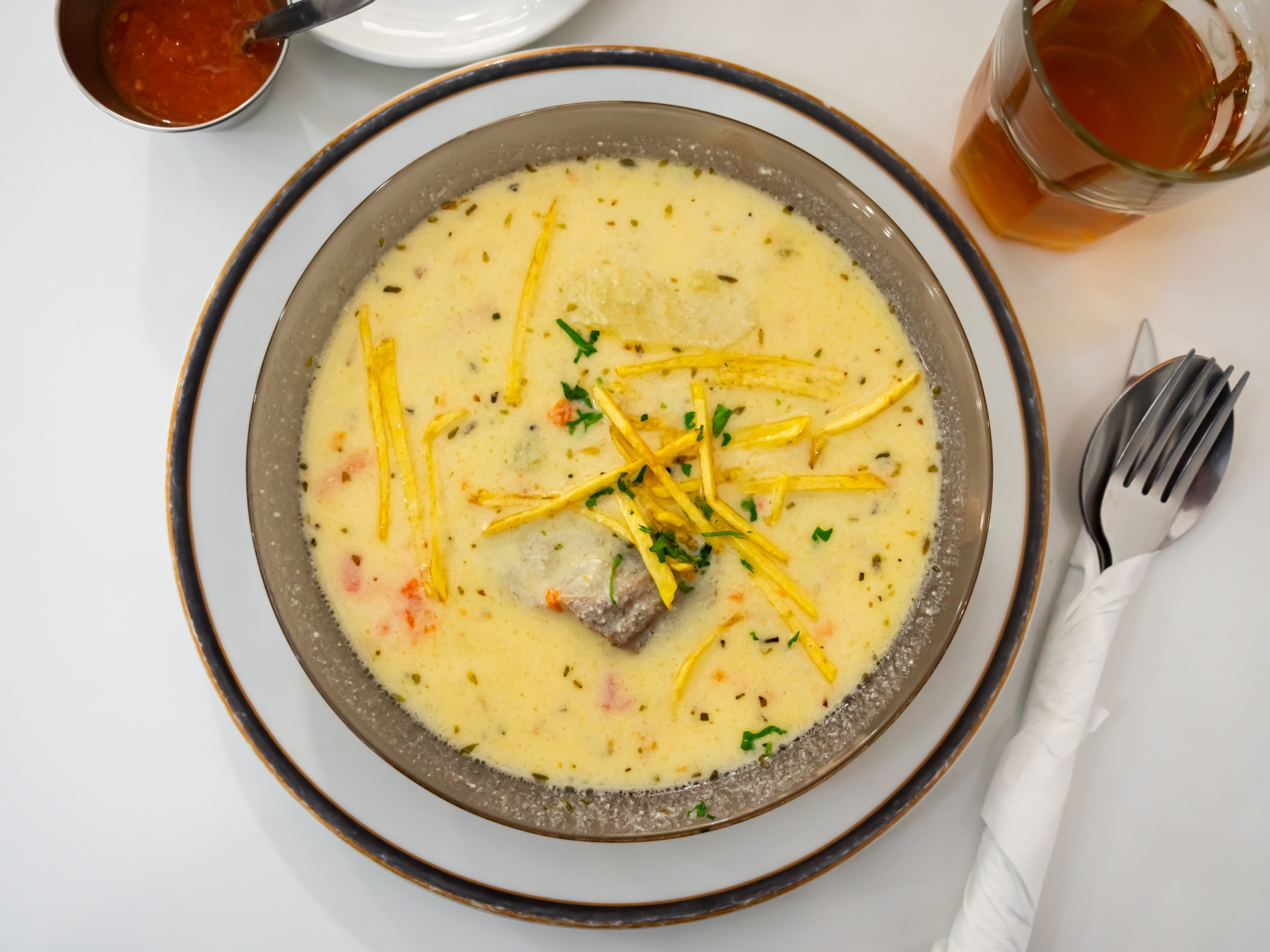
There is no single version of sopa de maní. Preparation varies widely by region and family tradition. In the eastern lowlands, it may be served with rice, fried plantains, or cassava. In the temperate valleys, cooks add crushed ají colorado, goat or beef stock, and native potatoes. On the Andean plateau, the dish takes on a more austere character, often featuring lamb or llama meat and topped with thin, crispy fried potatoes.
These julienned potatoes—deep-fried and golden—are more than garnish. They represent a familiar texture and memory often associated with home cooking.
In La Paz, the soup often includes lamb and rice. In Cochabamba, the pasta is toasted before being added, creating a smoky note. Sucre’s version is creamier, suitable for the high-altitude chill.
A weekly tradition
In Bolivia, sopa de maní is commonly served as the first course of Sunday lunch, often followed by a second dish. It is an integral part of the weekend meal ritual, with recipes passed down through generations. While cazuela de maní remains reserved for ceremonial occasions, the simpler daily sopa is a staple across households and market kitchens.
Its significance goes beyond everyday consumption. In 2009, sopa de maní ranked third at the International Traditional Soup Festival in Antwerp, Belgium. In 2014, Bolivian-born Elba Rodríguez won the first season of MasterChef Argentina with her version of the dish, bringing it to broader attention.
A 2018 legislative proposal sought to recognize sopa de maní as Bolivia’s national dish (plato bandera) and to establish August 7 as its official commemorative day. Since then, regional fairs and public tastings have become annual celebrations.
Preparation and nutritional profile
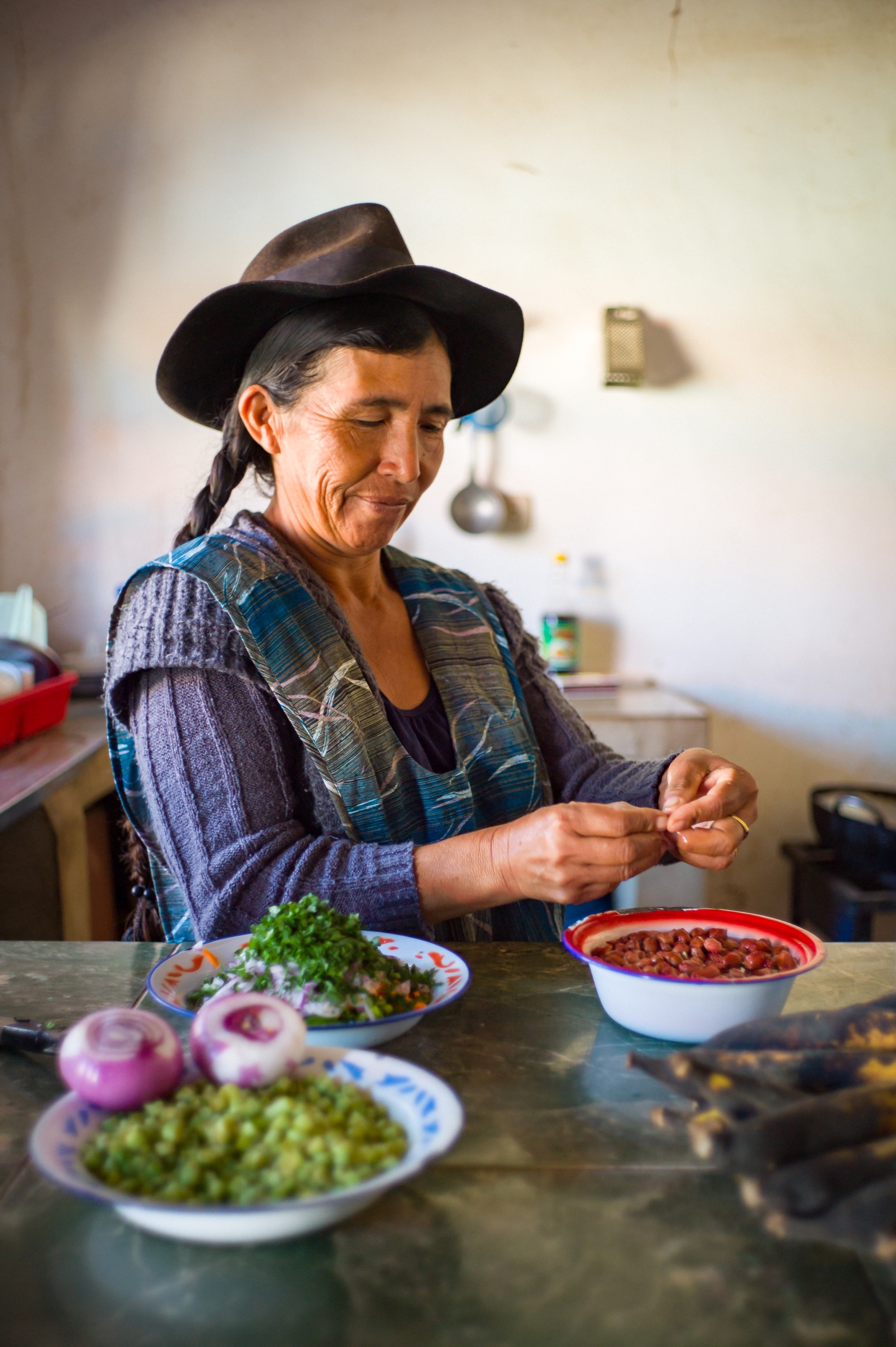
Authentic sopa de maní requires time and care. The base is made from raw, peeled peanuts, blended into a smooth paste. It is then simmered slowly—often for over an hour—until the raw taste dissipates and the soup becomes velvety.
Typical ingredients include:
Ground peanuts
Meat (beef, chicken, lamb, or llama, depending on region)
Vegetables (carrots, potatoes, peas, onion, garlic, pepper)
Seasonings (cumin, oregano, turmeric, salt, and black pepper)
Rice or pasta
Fried julienne potatoes as a topping
Optional: llajwa, a Bolivian spicy sauce, added at the table
From a nutritional standpoint, the soup is well-balanced. Peanuts contribute high-quality plant protein, magnesium, and antioxidants; vegetables provide fiber and essential vitamins. Every element plays a functional and cultural role, resulting in a dish that is both nourishing and meaningful.
A living culinary heritage
Contemporary Bolivian chefs continue to reinterpret sopa de maní in fine dining contexts, while retaining the essence of its traditional forms. In Chuquisaca—the region most associated with peanut cultivation—the Ruta del Maní (Peanut Route) highlights the connection between agriculture and cuisine through festivals, markets, and workshops.
Sopa de maní remains a cornerstone of Bolivia’s intangible cultural heritage. Whether served in a market stall, at a family table, or in a contemporary restaurant, it expresses regional identity, agricultural history, and a shared sense of continuity. Its aroma, texture, and preparation link Bolivia’s past to its present, one bowl at a time.
AI Transparency Notice
PilgriMaps uses artificial intelligence tools to assist in the research, drafting and translation of editorial content. All AI-assisted content is reviewed, edited and verified by our editorial team before publication. We contrast information against primary sources, specialist literature and on-the-ground knowledge to ensure accuracy, cultural sensitivity and editorial integrity.
AI is one tool among many in our workflow. The judgement, curation and responsibility for everything published on this platform remain entirely human.
Viator Media S.L. — in compliance with the EU Artificial Intelligence Act (Regulation EU 2024/1689).
This post is also available in: