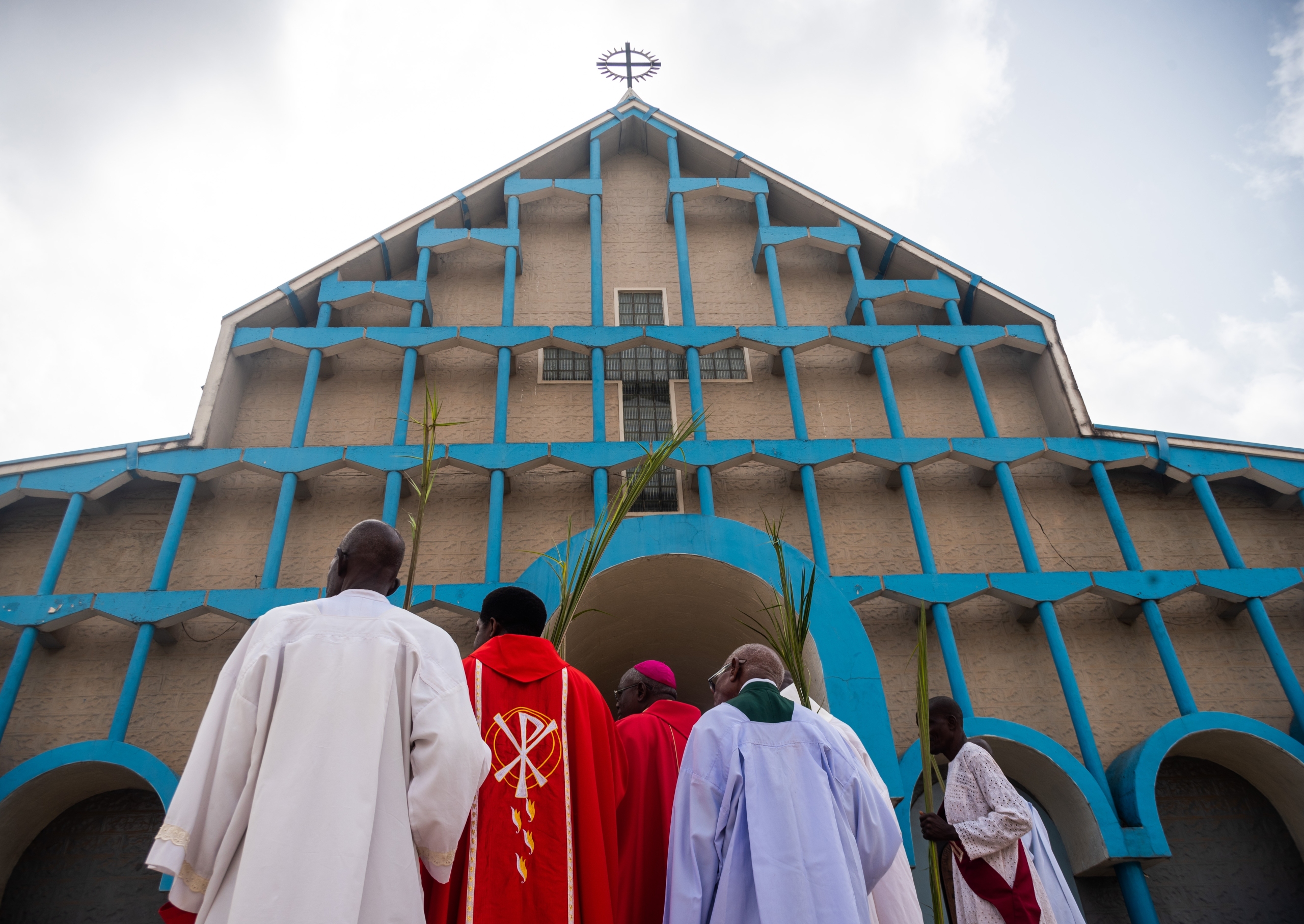
In Ibadan, one of Nigeria’s major urban centers, the Cathedral of St. Mary stands as a layered symbol of contemporary African religious identity. Located in the heart of Oke-Ado—a district shaped by colonial infrastructure and post-independence urban development—the cathedral serves both as an active place of worship and as a focal point within the evolving spiritual landscape of the country.
Part of the Roman Catholic Archdiocese of Ibadan, the cathedral is not grand by global architectural standards. It does not attract visitors in the way of European basilicas or ancient monastic sites. Yet its significance lies in the rhythm of congregational life, its rootedness in Yoruba cultural structures, and its ongoing presence in Nigeria’s often complex religious and political climate. Built in the mid-20th century, the cathedral reflects a moment when Christianity—introduced through missionary efforts—was becoming institutionally established in southwestern Nigeria.
The plural nature of Nigerian spirituality
Nigeria is one of the most religiously and ethnically diverse countries in the world. Christianity, Islam, and traditional African belief systems do not exist in isolation, but often intersect and influence each other in both public and private life. African spirituality—frequently misunderstood as static or merely ancestral—remains vibrant and responsive to generational shifts and urban dynamics.
In Ibadan, this diversity is tangible. Pentecostal and evangelical churches have grown significantly in recent decades, offering new expressions of faith alongside longstanding Catholic and mainline Protestant congregations. At the same time, traditional religious practices such as Ifá divination, Orisha worship, and ancestor reverence continue to be observed, either privately or in open syncretism with Christianity.
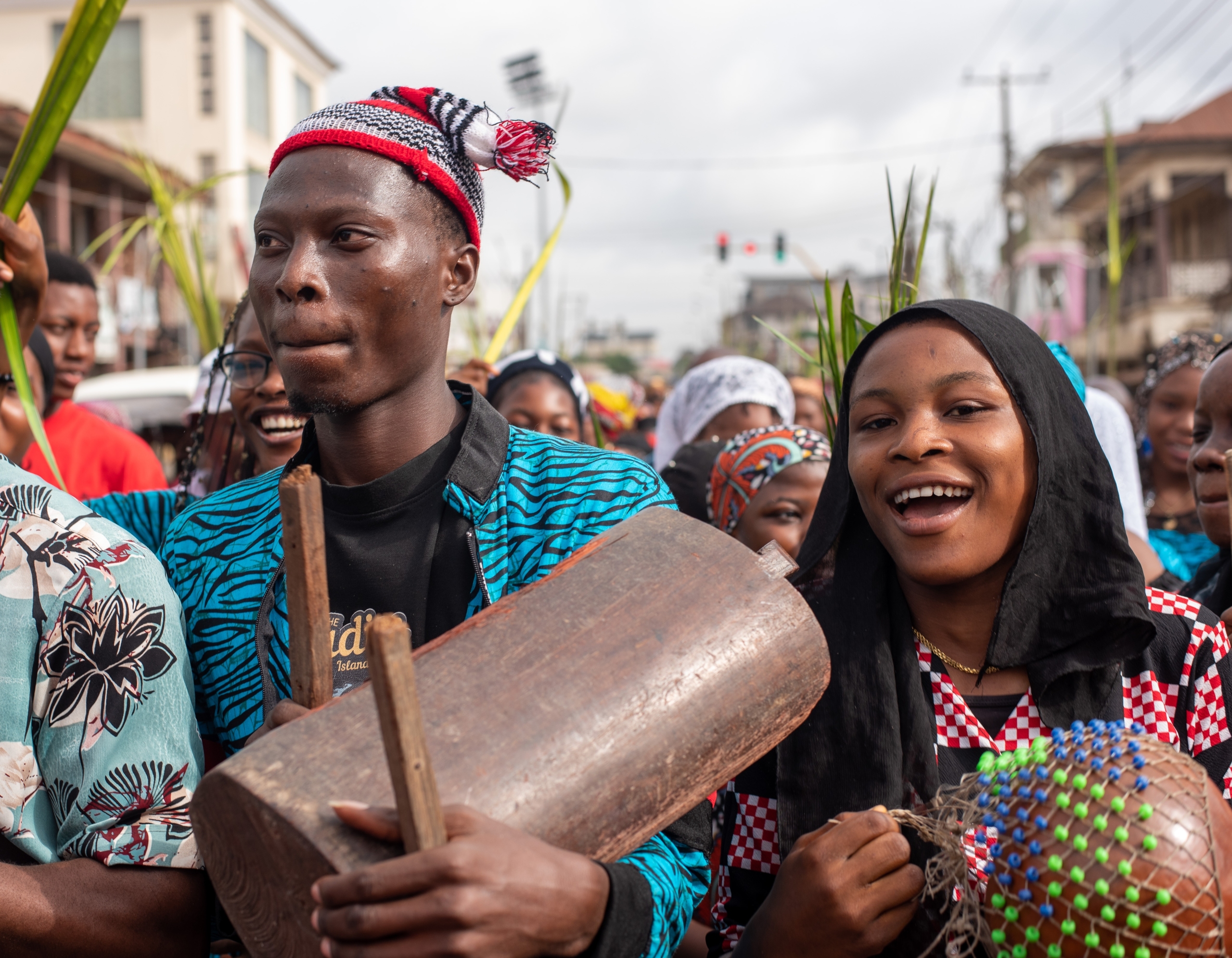
Such religious fluidity can bring both harmony and tension. Many Nigerians move comfortably between religious identities or integrate traditional beliefs within formal religious frameworks. Yet societal expectations—especially among youth—often encourage clearer lines of religious affiliation. Churches like St. Mary’s must continuously navigate their place in a city where religious life is shaped by both spiritual vitality and socio-economic competition.
Christian missions and their legacy
St. Mary’s Cathedral is a product of Catholic missionary activity during the colonial period. The growth of the Church was closely linked to educational and healthcare initiatives, which often laid the foundation for the development of Christian communities. In southwestern Nigeria, such efforts were generally well received, supported by the region’s openness to Western education and its distance from the Islamic emirates in the north.
The legacy of these missions is complex. While they brought access to schooling and healthcare, they sometimes introduced Christian frameworks that overlooked or misunderstood existing local worldviews. Over time, however, Nigerian Christianity has become increasingly contextualized. At St. Mary’s, this is seen in the incorporation of local leadership, vernacular liturgy, and musical traditions. Nonetheless, the architectural and ecclesial structures of the cathedral still reflect the influence of its European roots.
Persecution, pressure, and the Nigerian context
To understand religious life in Nigeria today, one must also acknowledge the impact of violence and insecurity. While the country’s constitution guarantees freedom of religion, this protection plays out unevenly across regions. In the northeast and Middle Belt, Christian communities have been repeatedly targeted by extremist groups such as Boko Haram and ISWAP (Islamic State West Africa Province). Attacks on churches, villages, and schools are driven by motives that mix ideology, territorial claims, and political unrest.
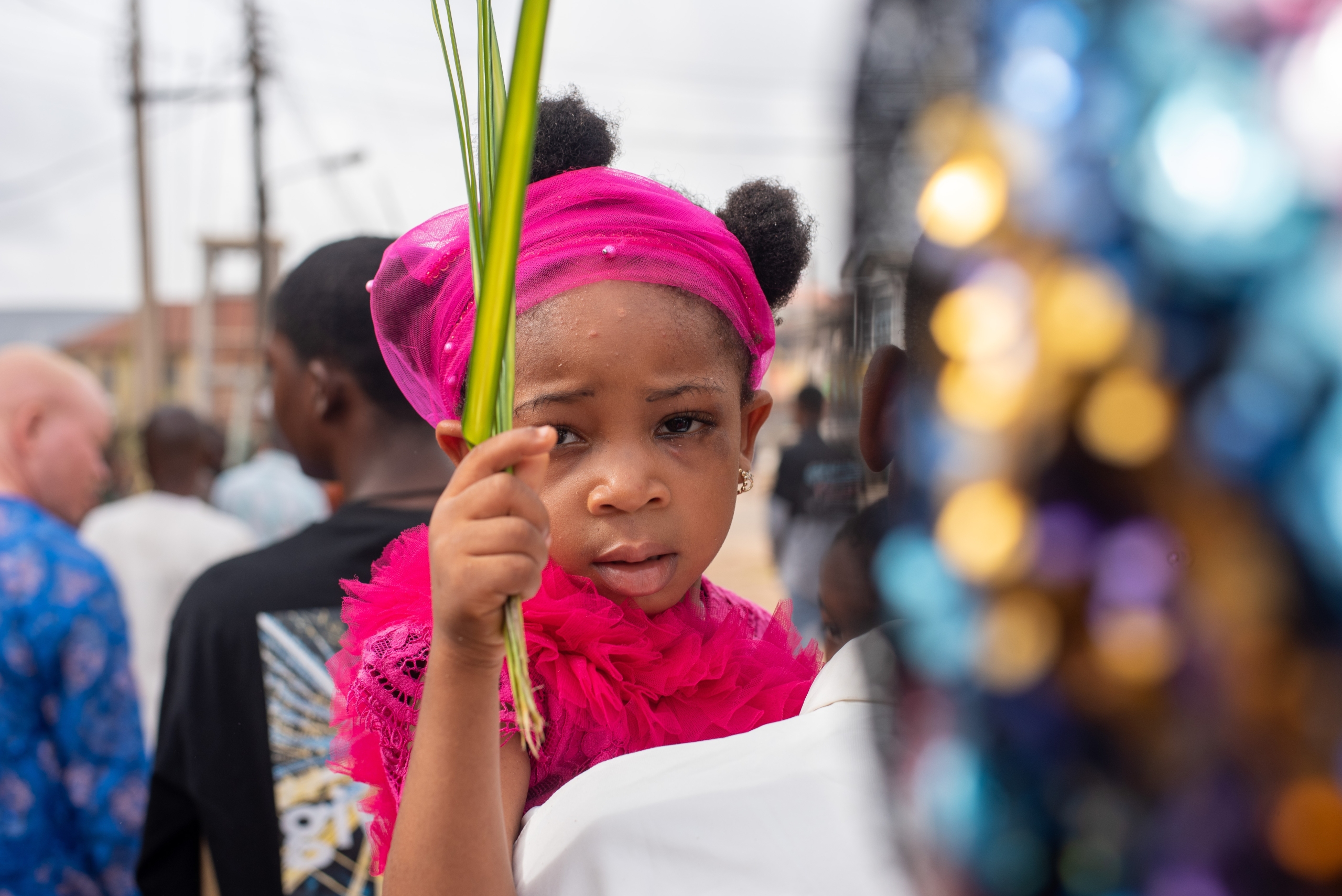
Ibadan and much of the southwest have largely remained free from direct violence, but concerns for safety and national unity remain pressing. Across Nigeria, cathedrals like St. Mary’s regularly include prayers for peace and remembrance in their liturgies. Religious leaders—Christian and Muslim alike—have consistently called for dialogue and cooperation, though national policy responses have been uneven.
St. Mary’s Cathedral as a site of continuity and change
Despite these challenges, St. Mary’s Cathedral continues to serve as a gathering place for worship and community life. Beyond Sunday mass, it hosts weddings, funerals, civic events, and public forums—illustrating the multifaceted role cathedrals play in Nigerian cities, where public infrastructure may be limited.
The cathedral also reflects generational change. Older parishioners tend to favor traditional Catholic liturgy, while younger members often seek the more expressive worship styles found in Pentecostal churches. This contrast is not just about style—it speaks to broader questions of relevance, authority, and the future of institutional religion in an increasingly youthful and dynamic society.
The road ahead
As Nigeria continues to grapple with insecurity, economic shifts, and rapid population growth, its religious landscape remains in constant evolution. In this context, cathedrals like St. Mary’s are not relics of the colonial era, nor are they static monuments. They are living spaces—sites of ongoing negotiation between memory and modernity, between inherited structures and lived faith.
African spirituality in Nigeria resists simple categorization. It is neither frozen in the past nor fully absorbed into global religious norms. It is fluid, responsive, and deeply interwoven with the nation’s cultural and political fabric. St. Mary’s Cathedral, in its ordinariness and rootedness, offers a window into this dynamic process. Its significance lies not in religious supremacy, but in its capacity to remain relevant, inclusive, and resilient.
The Osun-Osogbo Sacred Grove: A major Yoruba pilgrimage site
AI Transparency Notice
PilgriMaps uses artificial intelligence tools to assist in the research, drafting and translation of editorial content. All AI-assisted content is reviewed, edited and verified by our editorial team before publication. We contrast information against primary sources, specialist literature and on-the-ground knowledge to ensure accuracy, cultural sensitivity and editorial integrity.
AI is one tool among many in our workflow. The judgement, curation and responsibility for everything published on this platform remain entirely human.
Viator Media S.L. — in compliance with the EU Artificial Intelligence Act (Regulation EU 2024/1689).
This post is also available in: