In the historic center of Santo Domingo, the Cathedral of Santa María la Menor – begun in the early 16th century and often described as the first cathedral established in the Americas – houses a collection of colonial-era devotional objects, among them reputed relics of the “True Cross”. These fragments, believed within Christian traditions to derive from the cross associated with the execution of Jesus, circulated widely across Europe and its overseas territories from late antiquity onward. Their presence in the Caribbean reflects patterns of imperial expansion, ecclesiastical patronage, and the symbolic construction of sacred geographies in colonial contexts.
This article examines the documented and attributed pathways through which relics of the Cross reached the Dominican Republic. Rather than accepting their presence as evidence of a fixed devotional center, the evidence suggests a more complex history of transfer, gift exchange, and institutional consolidation.
Relics and authority in the early Spanish Caribbean
The establishment of Santo Domingo as the administrative and ecclesiastical hub of Spain’s early American territories positioned it as a focal point for the transfer of religious objects. Following the creation of the Archdiocese of Santo Domingo in 1546, the city became a conduit through which liturgical materials, relics, and artworks were distributed to other parts of the Caribbean and mainland.
Relics of the Cross held particular prestige within European Christianity. Their circulation was closely tied to systems of authentication, often involving ecclesiastical documentation or association with recognized custodians in Rome or major Iberian centers. By the late medieval period, fragments attributed to the Cross had become embedded in diplomatic and devotional networks, frequently presented as gifts by monarchs, bishops, or papal authorities.
Pathways of transmission
Several overlapping mechanisms likely explain how relics of the Cross arrived in Santo Domingo:
Royal patronage and imperial projection
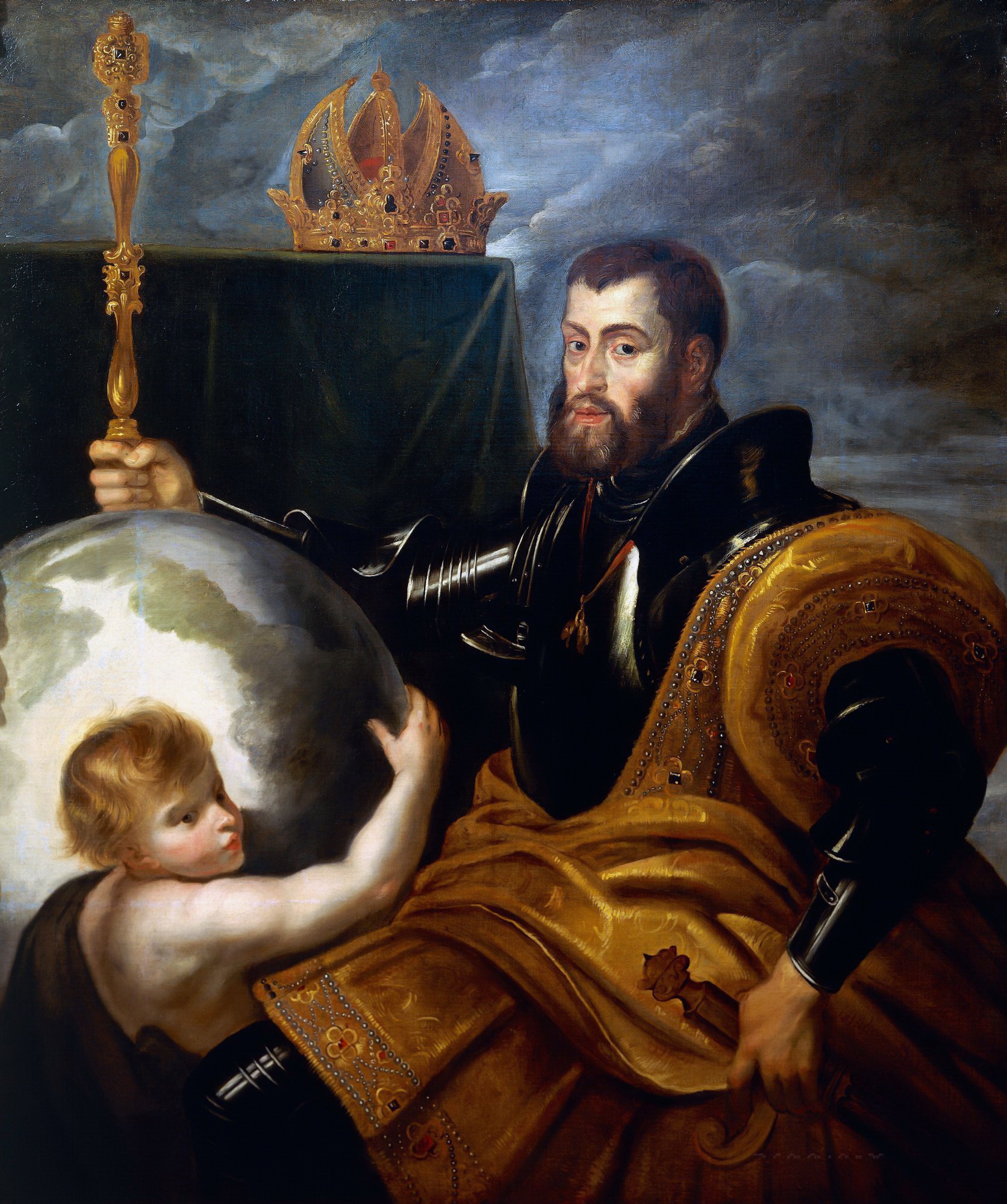
The Spanish Crown played a central role in equipping churches in the Americas. Monarchs such as Ferdinand II of Aragon and Isabella I of Castile had already established precedents for sponsoring religious institutions with prestigious objects. Later Habsburg rulers continued this practice.
While no single surviving document definitively records the transfer of a specific relic of the Cross to Santo Domingo, inventories and ecclesiastical correspondence indicate that reliquaries containing Passion relics were among the items dispatched to major colonial centers. These objects reinforced the legitimacy of colonial churches by linking them materially to sacred history.
Ecclesiastical networks and the Dominican order
The role of the Dominican Order is particularly relevant. As one of the earliest religious orders active in Hispaniola, Dominican friars maintained connections with European convents and ecclesiastical authorities. Relics often moved along these networks, either as gifts or as part of broader efforts to establish liturgical continuity across the Atlantic. In some cases, relics were subdivided, allowing multiple institutions to claim association with the same sacred origin.
Papal mediation and authentication
Relics attributed to the Cross typically required authentication, frequently associated with Roman custodianship. Although documentation specific to Santo Domingo is fragmentary, it is consistent with broader patterns that such relics would have been accompanied by certificates or seals verifying their origin. These documents were as significant as the objects themselves, situating colonial churches within the authority structures of the global Church.
The Cathedral treasury and its transformations
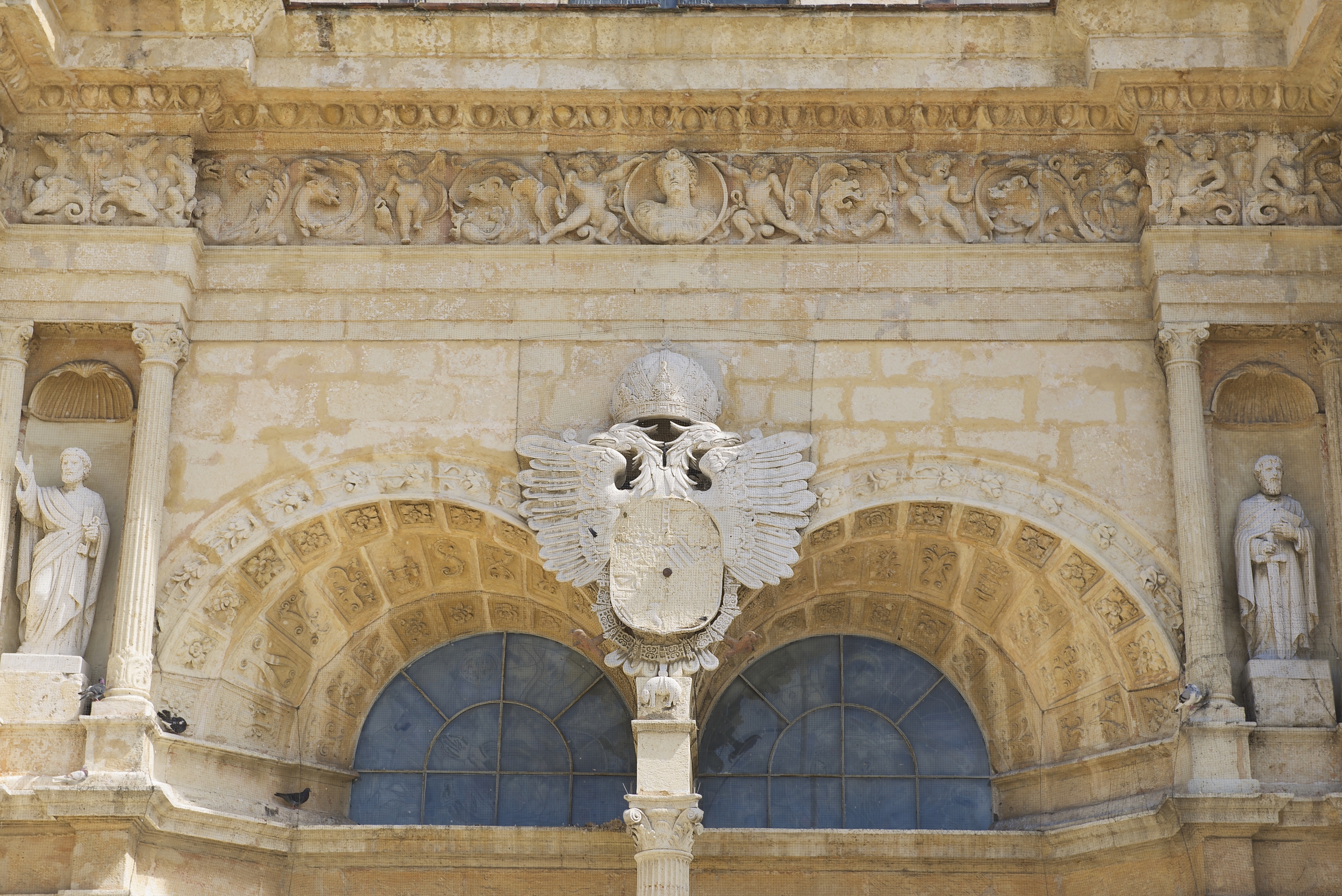
The Cathedral of Santa María la Menor functioned not only as a place of worship but also as a repository of ecclesiastical wealth. Over the centuries, its treasury accumulated objects from various sources, including episcopal donations, private bequests, and transfers from other institutions.
Descriptions from later colonial inventories mention reliquaries containing fragments identified as part of the Cross. However, as in many such cases, the precise provenance of each fragment is difficult to reconstruct. Fires, looting, administrative changes, and the movement of objects between churches have complicated the archival record. The Caribbean’s exposure to piracy and conflict in the 16th and 17th centuries further contributed to the loss or dispersal of documentation.
Circulation rather than destination
The presence of Cross relics in Santo Domingo does not indicate that the city functioned as a pilgrimage center in the same way as major European shrines. Instead, these objects formed part of a broader strategy of sacralizing colonial space. By embedding relics within key ecclesiastical sites, authorities created symbolic continuity between Europe and the Americas.
Relics were not static. They could be displayed, relocated, or even redistributed to other churches within the colonial network. Their meaning was shaped as much by their movement as by their origin. In this sense, Santo Domingo served as an نقطة of reception and redistribution rather than a final destination for devotional travel.
Interpreting the evidence
Modern scholarship approaches relics of the Cross with methodological caution. The multiplication of such fragments across Europe and beyond has long raised questions about authenticity, already noted in medieval sources. Historians therefore focus less on verifying material origin and more on understanding how these objects functioned within specific social and institutional contexts.
In the Dominican Republic, relics of the Cross can be read as artifacts of early globalization. They embody the transfer of ideas, authority, and material culture across the Atlantic. Their presence in Santo Domingo reflects the city’s role as a central node in the Spanish Empire’s religious infrastructure.
The relics of the Cross associated with Santo Domingo do not derive from a single, well-documented event of arrival. Instead, they represent the convergence of multiple channels: royal patronage, ecclesiastical exchange, and the logistical frameworks of empire. Their significance lies less in their physical substance than in their capacity to anchor a newly established colonial society within a broader sacred narrative.
Viewed through this lens, these relics illuminate how early modern institutions used objects to construct continuity across distance. They also underscore the importance of movement—of people, goods, and ideas—in shaping the religious landscapes of the Atlantic world.
AI Transparency Notice
PilgriMaps uses artificial intelligence tools to assist in the research, drafting and translation of editorial content. All AI-assisted content is reviewed, edited and verified by our editorial team before publication. We contrast information against primary sources, specialist literature and on-the-ground knowledge to ensure accuracy, cultural sensitivity and editorial integrity.
AI is one tool among many in our workflow. The judgement, curation and responsibility for everything published on this platform remain entirely human.
Viator Media S.L. — in compliance with the EU Artificial Intelligence Act (Regulation EU 2024/1689).
This post is also available in: