A new philosophy of travel is reshaping pilgrimage into an act of mutual care: for those who walk, and for the places they move through
On the Kumano Kodo, the ancient pilgrimage route that crosses the sacred mountains of Japan, travelers today do more than walk. They take part in trail cleanups, plant trees in damaged areas, and support local artisans who keep long-standing traditions alive. This is not simply sustainable tourism. It is travel that gives back more than it takes. It is known as regenerative pilgrimage, and it points toward a new direction in spiritual travel – one already taking shape in a growing number of places around the world.
Beyond sustainability: the regenerative paradigm
Sustainable tourism aims to avoid harm. Regenerative tourism goes further: it seeks to repair harm that has already been done. The distinction matters. Regenerative travel is not limited to reducing impact; it is concerned with leaving a place in better condition than it was found.
According to the 2024 Regenerative Travel Impact Awards, the most innovative projects do more than reduce travelers’ carbon footprints. They involve visitors directly in ecosystem restoration and in the revitalization of local communities. The concept rests on three core principles: restoration, reciprocity, and context-based action. Restoration concerns the renewal of land, culture, and community. Reciprocity means that benefits are shared fairly between guests and hosts. Context-based action recognizes that each destination requires its own response, shaped by local history and present needs. There is no universal model.
The pilgrim as an agent of repair
The 2024 Booking.com report on sustainable travel found that 83 percent of global travelers prefer more sustainable options, while 66 percent want to leave destinations in better condition than they found them. This desire to contribute, rather than simply consume, is changing the meaning of pilgrimage itself. The pilgrim is no longer only a receiver of grace or experience. The pilgrim also becomes an active participant in transformation.
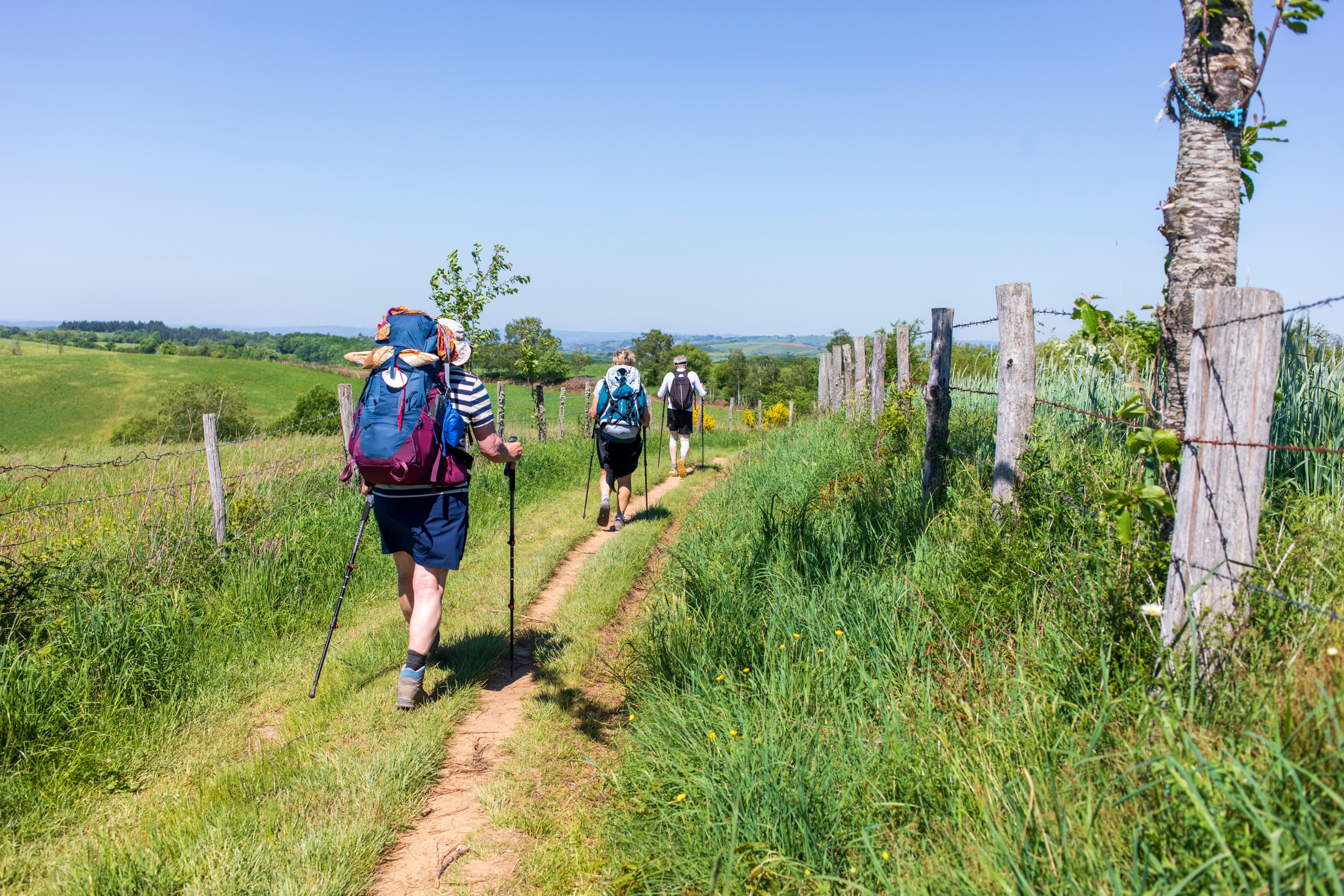
Along the Camino de Santiago, some organizations now offer service-based walking programs in which pilgrims help restore dry-stone walls, clean streams, or maintain sections of trail. In Peru, routes toward Machu Picchu increasingly include opportunities to support Quechua communities and participate in conservation projects. In Japan, Kumano Adventures – named a finalist in the 2024 Regenerative Travel Impact Awards – has developed a model that directs tourism revenue toward artisans, guides, and local producers, helping protect both the UNESCO-listed route and the communities that have cared for it over generations.
The Seychelles provide an example at national scale. More than 30 percent of the country’s marine territory and 40 percent of its land area are legally protected, and visitors are invited to take part in coral restoration, turtle monitoring, and habitat management. In this model, tourism is not separate from conservation. It becomes part of it.
A double form of healing
What makes regenerative pilgrimage especially compelling is its capacity to restore both traveler and place at the same time. When someone plants a tree along a path, the gesture does not remain external. Something shifts internally as well. When a traveler contributes to a community, the exchange is not one-directional. It is reciprocal.
This is one of the central insights of regenerative travel: human beings are not detached observers of the world around them. They are participants in living systems. Travel, when reimagined in these terms, becomes a form of relationship rather than extraction.
The SAGG Project in Uganda, a finalist in the 2025 Regenerative Travel Impact Awards, illustrates this dynamic clearly. Visitors take part in ecological farming workshops, learn traditional techniques, and contribute to local youth training. The project has been described not only as ecotourism, but as a space of restoration. For visitors, it offers farm stays, retreats, and environmentally conscious experiences that encourage reconnection with land, food, and community. Participants often return with changed perspectives on how they live and where they stand in relation to others.
Destinations leading the shift
In northern Spain, Asturias is developing a model of pilgrimage that links biodiversity conservation, sustainable agriculture, and local food culture. In Iceland, Reykjavík and other destinations are drawing on geothermal energy to reduce impact while inviting visitors to participate in reforestation projects aimed at addressing centuries of soil erosion.
Yet regenerative pilgrimage does not require remote or exotic destinations. At Knepp Estate in Sussex, England, 3,500 acres of intensively farmed land have been transformed into a rewilding landscape. Visitors stay in simple accommodations among restored grasslands and witness the return of species such as white storks, turtle doves, and nightingales. It is pilgrimage in a broad but meaningful sense: returning to a place that is healing, and witnessing its transformation.
Tierra Atacama in Chile offers another model. Its approach emphasizes respect for Indigenous knowledge, support for local livelihoods, and long-term stewardship of a fragile environment. In this case, regenerative tourism is framed not only as an ecological strategy, but as a cultural and social one.
How to practice regenerative pilgrimage
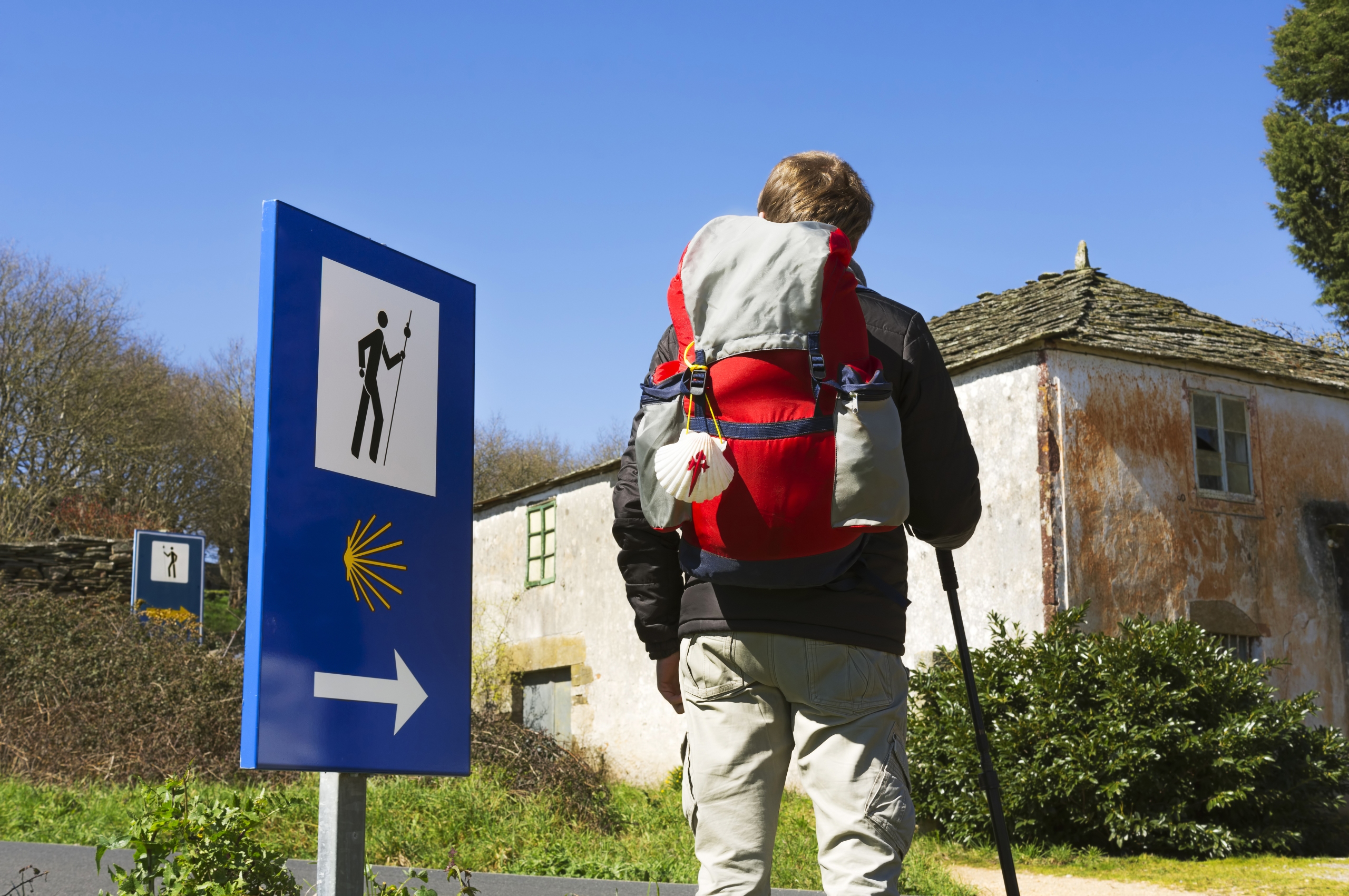
Participation in formal programs is not essential. Regenerative principles can be adopted through ordinary decisions made along the way: choosing accommodations that reinvest in local communities, eating in places that use regional products, buying from traditional artisans, and remaining attentive to the limits of fragile sites.
It may also mean collecting litter along the path, including waste left by others. It may mean avoiding overcrowded places during peak periods, or choosing to stay longer in one location rather than moving rapidly through many. This approach values depth over accumulation.
Recent analyses of sustainable travel trends describe this as “value over volume”: prioritizing the quality of experience over the number of destinations visited. Such an approach not only reduces environmental pressure. It also changes the traveler’s experience, allowing more sustained contact with landscapes and communities.
Walking as an act of return
Regenerative pilgrimage asks travelers to reconsider their role. They are not tourists consuming a destination. They are not passive observers of scenery or culture. They are participants in a living environment, capable of contributing to its recovery. In doing so, they may also encounter forms of personal repair.
The underlying idea is simple: care is not divided neatly between inner life and outer world. The two are connected. To care for the land can also be to care for oneself. To recover one’s own balance can make more careful forms of attention possible.
In that sense, regenerative pilgrimage does not invent an entirely new tradition. It gives contemporary form to an older insight: that walking can be an act of responsibility, relationship, and renewal.
AI Transparency Notice
PilgriMaps uses artificial intelligence tools to assist in the research, drafting and translation of editorial content. All AI-assisted content is reviewed, edited and verified by our editorial team before publication. We contrast information against primary sources, specialist literature and on-the-ground knowledge to ensure accuracy, cultural sensitivity and editorial integrity.
AI is one tool among many in our workflow. The judgement, curation and responsibility for everything published on this platform remain entirely human.
Viator Media S.L. — in compliance with the EU Artificial Intelligence Act (Regulation EU 2024/1689).
This post is also available in: