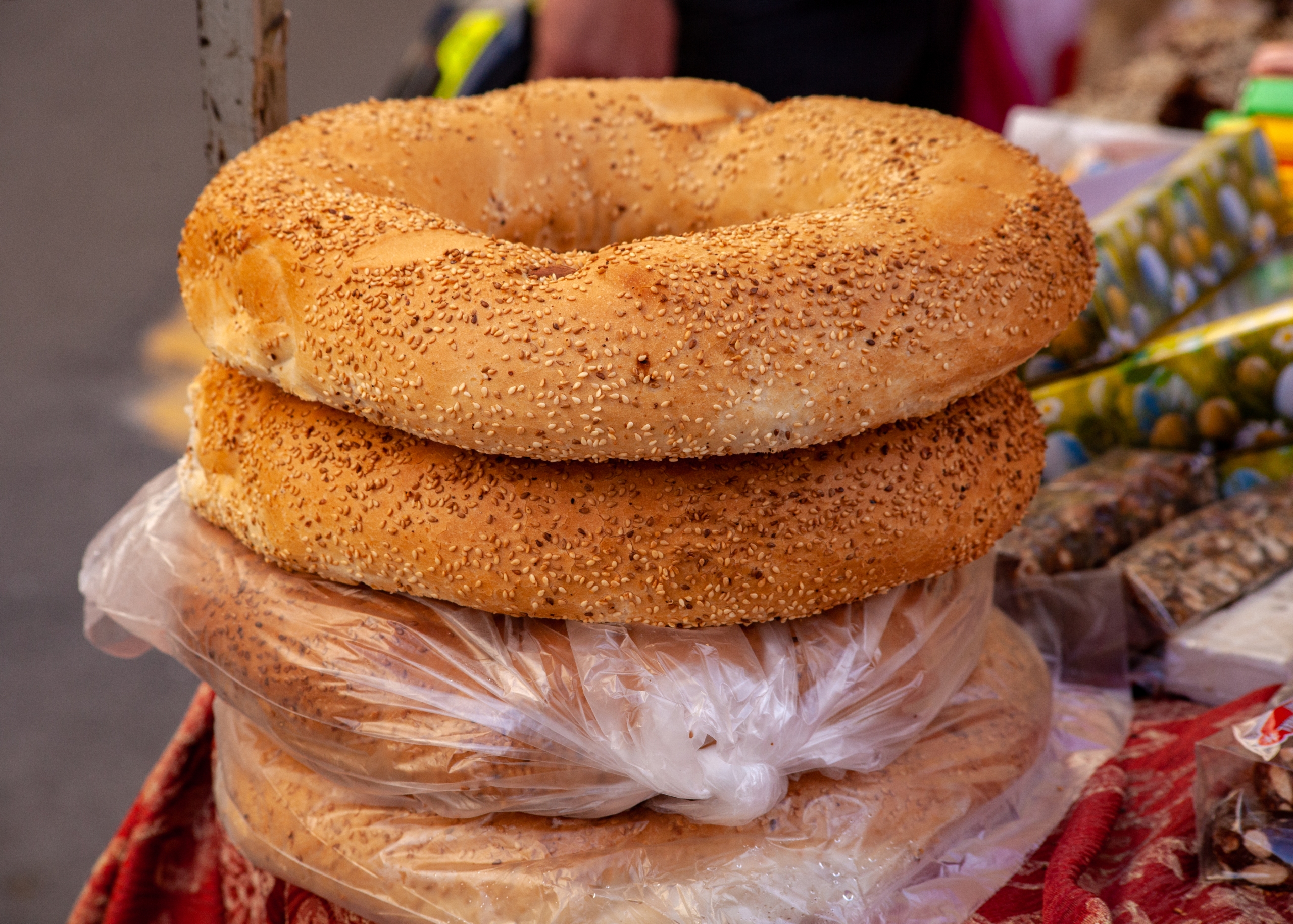
Malta occupies a distinctive position in Mediterranean pilgrimage history. Located at the crossroads of maritime routes linking North Africa, southern Europe, and the Near East, the archipelago has long functioned as a place of arrival, refuge, and passage. Among the many layers of cultural memory associated with pilgrimage on the islands, one of the most understated yet persistent expressions appears not in architecture or route-making, but in food. Qagħqa tal-Appostli, a traditional Maltese ring-shaped bread, offers a revealing lens through which to understand how pilgrimage, feast days, and everyday practices intersect.
Malta as a place of arrival
Pilgrimage traditions in Malta are closely associated with the shipwreck of Paul the Apostle, described in the Acts of the Apostles and traditionally dated to around 60 CE. According to this account, Paul’s ship ran aground on the Maltese coast during a voyage to Rome. The episode situates Malta not as a destination sought in advance, but as an unplanned stopping point shaped by travel, risk, and hospitality.
Over time, this narrative positioned Malta as a place marked by encounter rather than origin. Pilgrimage associated with Paul in Malta focuses on sites connected to arrival, shelter, and preaching rather than martyrdom or burial. This emphasis distinguishes Malta from many other Pauline pilgrimage locations and reinforces the island’s identity as a threshold landscape—one defined by warm, exceptional hospitality.
The feast of Saint Paul’s shipwreck
The primary public context for Paul-related pilgrimage in Malta is the Feast of Saint Paul’s Shipwreck, celebrated annually on 10 February. The feast is particularly prominent in Valletta and Rabat, where churches, processions, and civic events mark the occasion. While liturgical observances structure the day, domestic and communal practices play an equally important role in shaping its atmosphere.
Food forms part of this wider commemorative framework. Seasonal dishes associated with winter and with feast-day hospitality appear across households, and among them is qagħqa tal-Appostli. Unlike festival foods designed for spectacle or abundance, this bread occupies a quieter register—symbolic, portable, and closely tied to local rhythms.
What is Qagħqa tal-Appostli?
Qagħqa tal-Appostli is a ring-shaped bread traditionally prepared in early February, in the days leading up to the feast. It is typically flavored with honey or sugar, citrus zest, and spices such as aniseed or cloves, and finished with a glaze. The form recalls other Mediterranean ring breads, but its timing and naming anchor it specifically to the Pauline calendar.
The circular shape is often interpreted locally as a sign of continuity and completeness, though such readings remain informal rather than doctrinal. More concretely, the bread’s durability and portability made it suitable for sharing, gifting, and consumption beyond the home—qualities that align with pilgrimage practices rooted in movement.
Food and feast-day movement
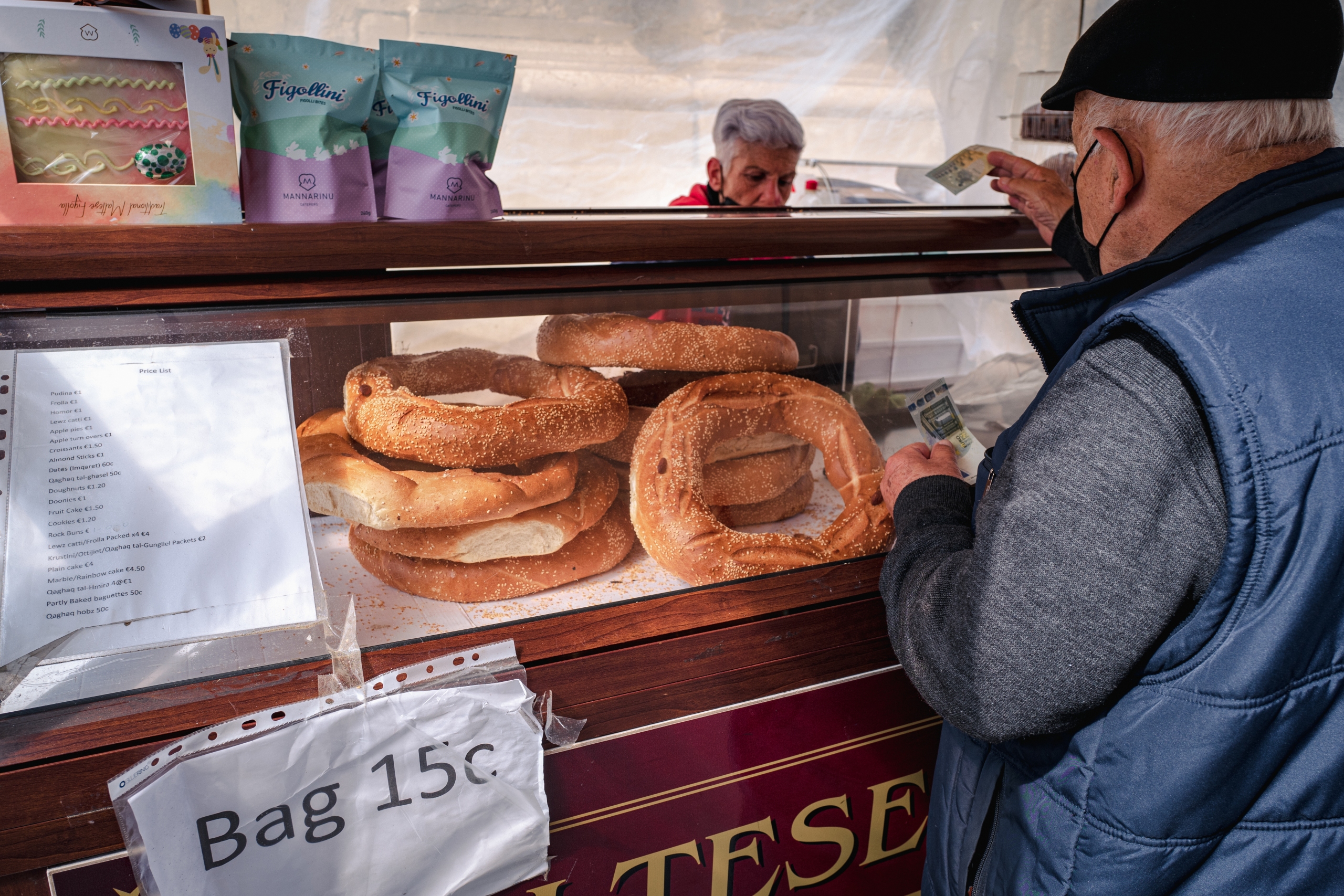
Historically, feast days in Malta involved visiting churches, attending processions, and moving between neighborhoods or towns. In this context, qagħqa tal-Appostli functioned as a practical food for people on the move. It could be carried easily, eaten without utensils, and shared among family members or visitors.
The bread also circulated as a gift, especially to children or to guests arriving for the feast. This exchange reinforced social bonds and extended the feast beyond formal religious spaces into kitchens, streets, and doorways. Rather than marking a single ritual moment, the bread accompanied a sequence of movements and encounters across the day.
Pilgrimage beyond the monument
Malta’s pilgrimage culture often centers on well-defined sites: churches, grottoes, and coastal landmarks associated with Paul’s arrival. Yet qagħqa tal-Appostli points to another dimension of pilgrimage—one embedded in domestic cycles and seasonal repetition. Preparing and eating the bread each year reinscribes the feast into everyday life, blurring distinctions between sacred observance and ordinary nourishment.
This pattern reflects a broader Mediterranean tendency to anchor pilgrimage memory in foodways. Rather than serving as symbolic substitutes for ritual, such foods operate alongside movement, gathering, and storytelling. They sustain the body while reinforcing collective memory.
Contemporary contexts
Today, qagħqa tal-Appostli remains widely available in bakeries in the weeks surrounding the feast. While fewer people prepare it at home, its seasonal appearance still signals the approach of 10 February. For visitors, encountering the bread offers an entry point into Malta’s pilgrimage culture that is immediate and accessible, requiring no specialized knowledge of routes or rituals.
As pilgrimage practices evolve—shaped by tourism, heritage preservation, and changing religious participation—food continues to provide continuity. Qagħqa tal-Appostli commemorates a journey completed as much as an arrival remembered. In doing so, it reflects Malta’s enduring identity as a place defined by hospitality, movement, and the shared rhythms of feast days that link past and present through taste and repetition.
AI Transparency Notice
PilgriMaps uses artificial intelligence tools to assist in the research, drafting and translation of editorial content. All AI-assisted content is reviewed, edited and verified by our editorial team before publication. We contrast information against primary sources, specialist literature and on-the-ground knowledge to ensure accuracy, cultural sensitivity and editorial integrity.
AI is one tool among many in our workflow. The judgement, curation and responsibility for everything published on this platform remain entirely human.
Viator Media S.L. — in compliance with the EU Artificial Intelligence Act (Regulation EU 2024/1689).
This post is also available in: