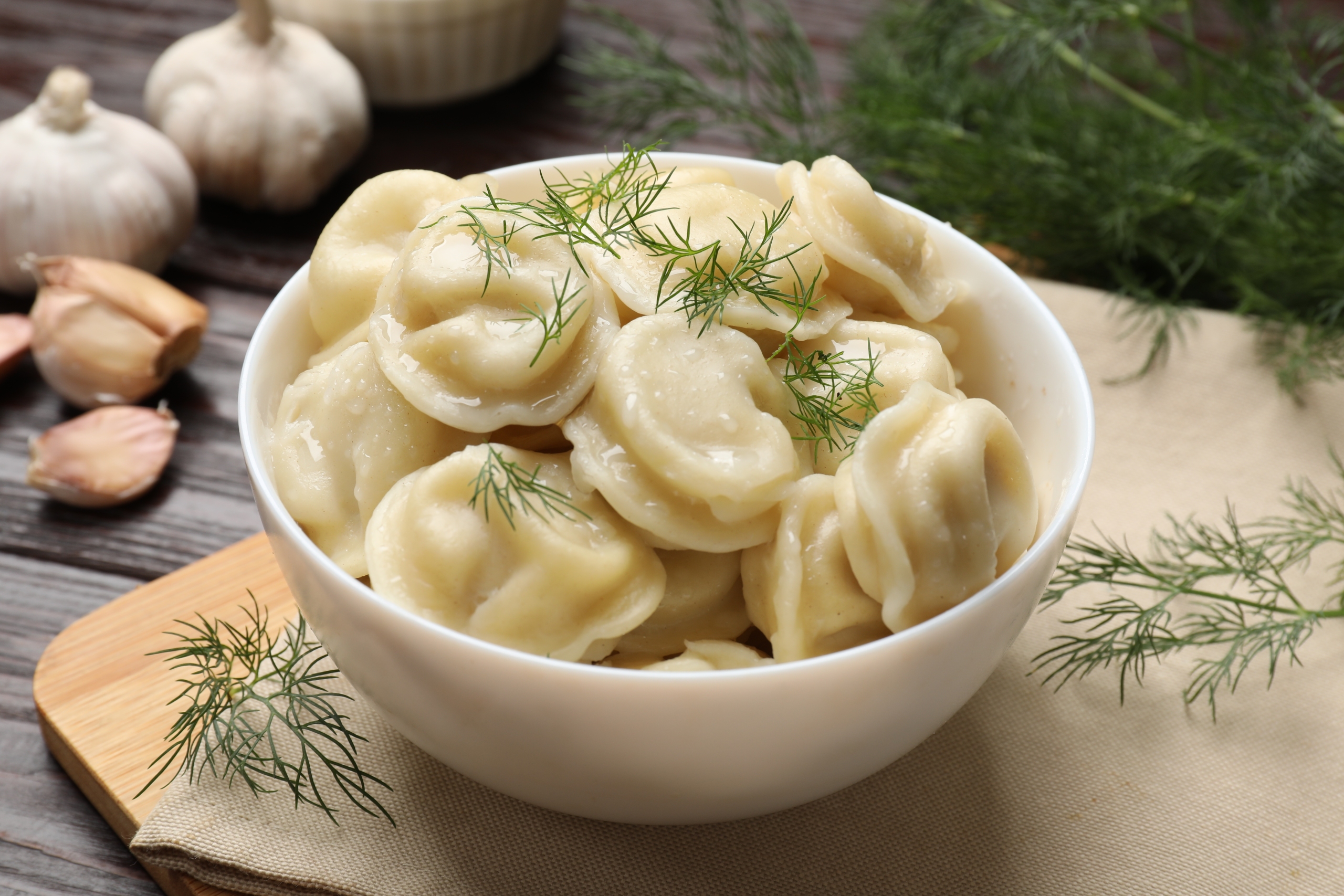
Imagine a simple scene: winter, subzero temperatures, a long journey across Siberia. Someone lights a fire, sets water to boil, and pulls from their pack small pieces of dough hardened by the cold. Little else is needed. In a short time, there is a hot, nourishing, and comforting meal.
Those small parcels are pelmeni. While they are now easily associated with Russia, their story is more complex—and far more revealing—than it first appears.
To speak of pelmeni is to speak of movement: across landscapes, borders, and languages, through exchanges that span the Eurasian continent. It is also a way of observing how an everyday food can become a symbol, an industry, and a form of cultural memory.
When pelmeni enter the record: the 19th century
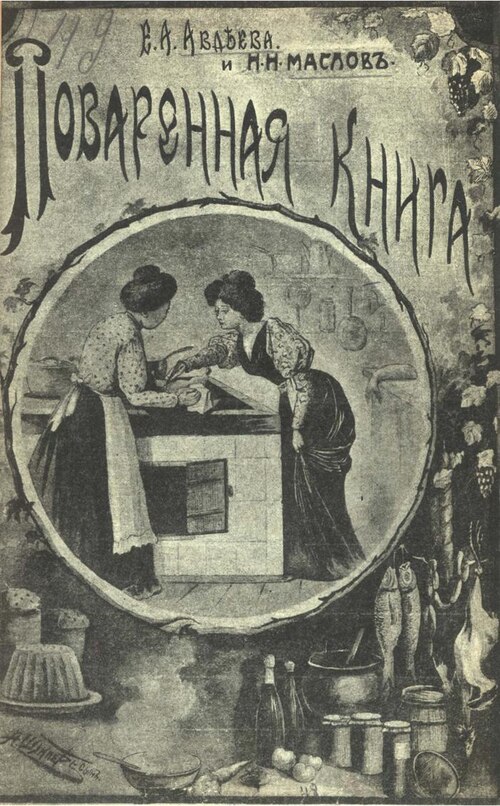
One of the earliest clear references to pelmeni appears in the 19th century, through domestic cookbooks. Notably, Ekaterina Avdeeva’s work – first published in 1842 – includes, by 1846, a recipe for “Siberian pelmeni.”
The recipe is not far from what is known today: minced meat, onion, spices, and a simple dough made from egg, water, and salt. What stands out, however, is not only the ingredients, but their use.
Avdeeva describes how, in Siberia, pelmeni were prepared in large batches during winter and left to freeze outdoors. They could then be carried on journeys and cooked as needed. It was a practical, almost ingenious solution: a form of prepared food long before modern refrigeration.
There is another revealing detail. The same text mentions so-called “Chinese pelmeni,” steamed and served with garlic and vinegar, offered to Russian traders in Kyakhta, a key point of exchange with China. Already at that time, different culinary traditions were being compared and recognized. From the outset, pelmeni do not belong to a single place; they emerge at a crossroads.
Where do they come from?
The question of origin leads into more uncertain terrain. There is no single, definitive answer. One of the most widely supported hypotheses places their roots among Finno-Ugric peoples, particularly the Komi and Udmurts, in the Ural region. Some studies suggest a medieval origin, though this remains difficult to confirm due to limited direct sources.
Language offers a useful clue. The word “pelmeni” may derive from pel’ńań, a term meaning “ear-bread.” The image is direct, referring to the folded shape of the dumpling. Such linguistic traces often preserve fragments of history even when recipes evolve.
In certain communities, these foods also held ritual roles, appearing in contexts such as weddings. This suggests that pelmeni functioned not only as sustenance, but as part of a broader social framework.
A global family: dumplings across Eurasia
Pelmeni are not unique. They belong to a wide family of filled dough preparations found across Eurasia: boiled, steamed, or baked. Chinese jiaozi, Central Asian manty, Slavic vareniki – all reflect variations on a shared culinary logic.
The reference to “Chinese pelmeni” in Kyakhta is not incidental. It demonstrates that these traditions encountered one another, were compared, and likely influenced each other.
Attempts have been made to trace this distribution to a single route, such as the Mongol Empire, but the available evidence does not support a single origin point. It is more plausible that similar solutions emerged independently, shaped by local conditions. Pelmeni, in this sense, are part of a network rather than a singular invention.
How a pelmeni is made
At first glance, pelmeni appear simple. A closer look reveals a structure shaped by function. The dough is firm rather than delicate. Nineteenth-century descriptions emphasize its resistance: it must hold the filling, endure freezing, and withstand boiling without breaking.
The filling also reflects context. Meat is common, but not exclusive. Variants with mushrooms, fish, or vegetables appear depending on availability and social or dietary frameworks, including fasting periods.
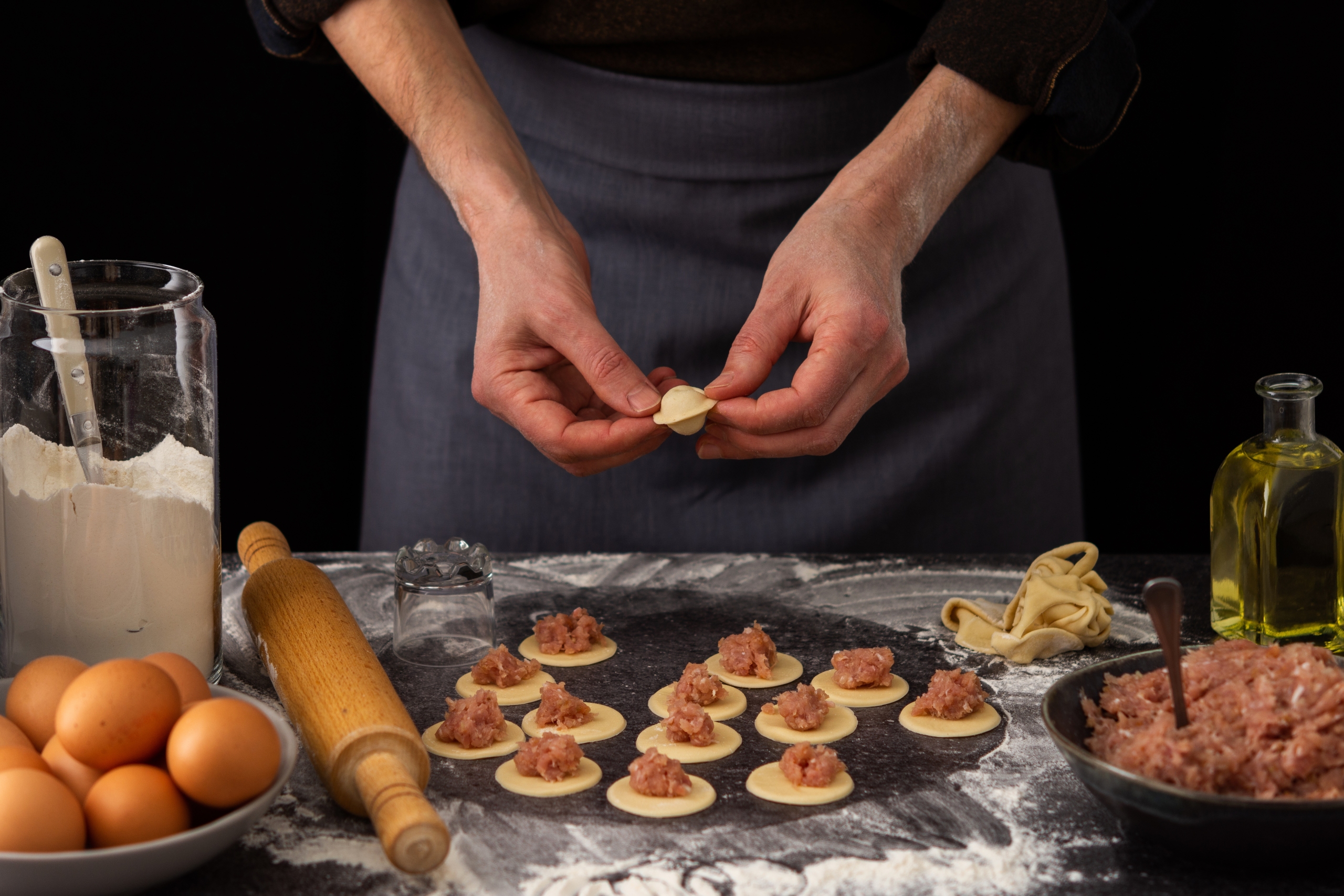
Cooking methods vary as well. Boiling in broth is typical in Siberia, while steaming appears in contexts of contact with Chinese cuisine. Related preparations, such as kundyumy, are baked and then stewed. Taken together, these elements show that pelmeni are not a fixed recipe, but a flexible set of techniques.
One of the most striking aspects of this history is the role of climate. In Siberia, extreme cold made it possible to freeze pelmeni naturally. This turned them into a portable reserve, well suited to long journeys. The environment itself became a tool.
From a contemporary perspective, the logic feels familiar. Preparation, preservation, and later consumption mirror the principles of modern frozen food. In this sense, pelmeni anticipate practices now taken for granted.
From everyday food to cultural symbol
Over time, pelmeni moved beyond practicality to acquire symbolic meaning. By the late 19th century, they appear in humorous and literary texts that present them as an emblem of Siberia. One piece from 1879, for instance, exaggerates their importance in almost epic terms, reflecting their place in cultural imagination.
Their presence in rituals – though not always extensively documented – further suggests a broader social significance. Eating pelmeni was not only an act of nourishment, but also of participation in shared cultural practices.
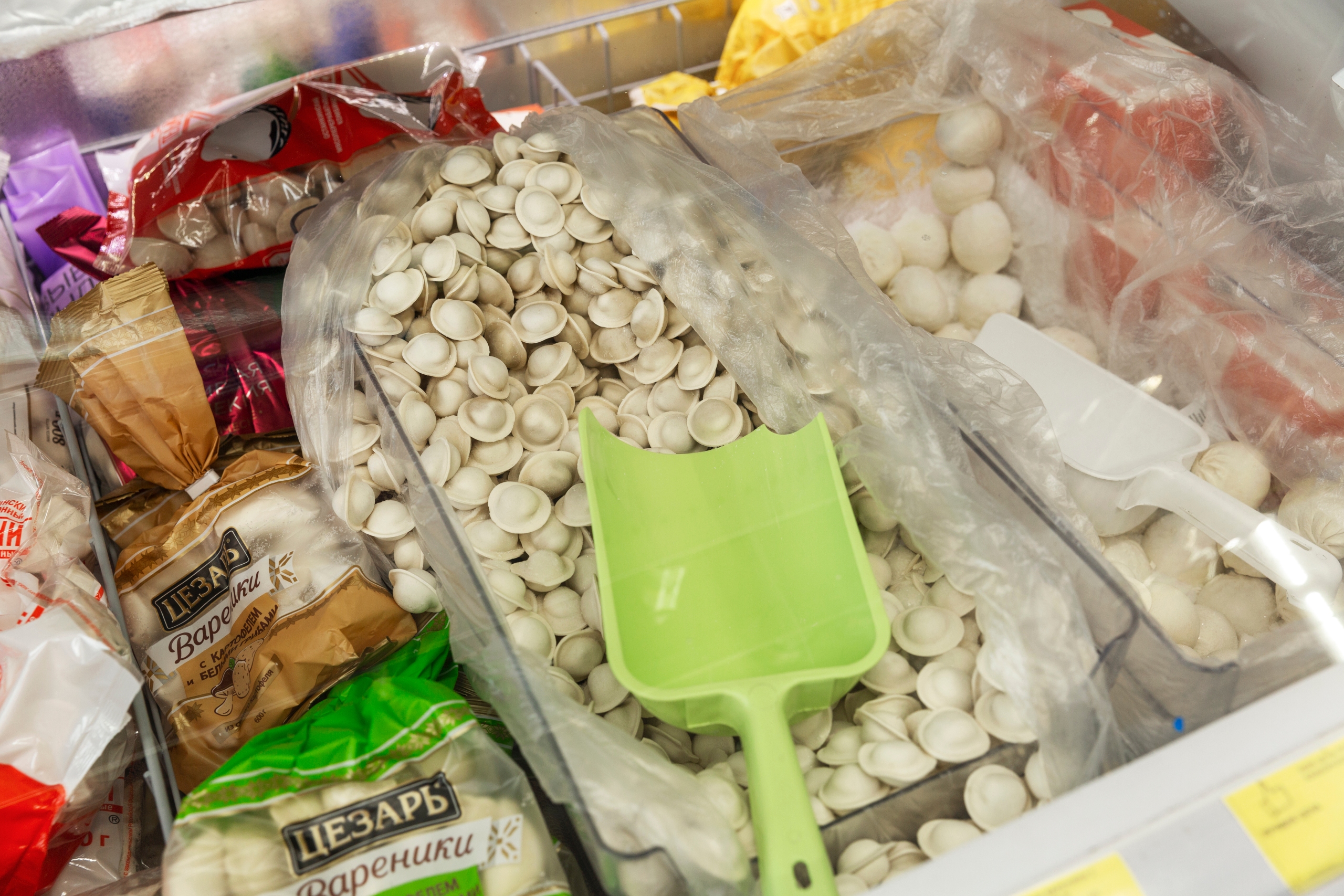
In the contemporary world, pelmeni have undergone a significant transformation, shifting from domestic preparation to industrial production. Today, technical standards regulate their manufacture, including specifications for frozen pelmeni introduced in Russia in 2015. Patents describe specialized production methods, supporting large-scale distribution.
This industrialization has made pelmeni widely accessible and easy to prepare. Yet it has not erased their historical layers; instead, it coexists with them.
A dish that continues to travel
Pelmeni remain part of everyday life in many regions, while also acquiring a global presence. Events such as World Pelmeni Day in Udmurtia present them as both cultural marker and tourist attraction. At the same time, their presence in supermarkets and restaurants across different countries illustrates their adaptability. They continue to travel – though now through different channels.
In the end, pelmeni offer a lens through which to observe how cultures interact, adapt, and transform. They show how environment shapes food, and how ordinary practices can accumulate meaning over time.
AI Transparency Notice
PilgriMaps uses artificial intelligence tools to assist in the research, drafting and translation of editorial content. All AI-assisted content is reviewed, edited and verified by our editorial team before publication. We contrast information against primary sources, specialist literature and on-the-ground knowledge to ensure accuracy, cultural sensitivity and editorial integrity.
AI is one tool among many in our workflow. The judgement, curation and responsibility for everything published on this platform remain entirely human.
Viator Media S.L. — in compliance with the EU Artificial Intelligence Act (Regulation EU 2024/1689).
This post is also available in: