Among the many places associated with the journeys of Paul of Tarsus, the Maltese archipelago occupies a distinctive position. While cities such as Jerusalem, Ephesus, Corinth, and Rome are marked by conflict, imprisonment, and ultimately execution, Malta enters the Pauline narrative as a place of refuge.
According to the Acts of the Apostles, it is here—on a small archipelago at the borders of imperial power—that Paul encounters safety, welcome, and an atmosphere of trust. Over time, this episode became foundational to Maltese identity, giving rise to an uninterrupted Christian presence extending 2,000 years.
A shipwreck at the edge of the Empire
The account appears in Acts 27–28, narrating Paul’s final journey as a prisoner en route to Rome. After weeks at sea, the ship carrying Paul, Roman soldiers, sailors, and fellow prisoners is overtaken by a violent storm in the central Mediterranean. The vessel eventually runs aground on an unfamiliar shore belonging to what Acts calls Melitē, the Maltese archipelago.

The reception is described with a phrase that has become central to Maltese collective memory: “The islanders showed us unusual kindness” (Acts 28:2). In a text otherwise marked by tension and danger, Malta stands out as a place of warmth and care. Fires are lit, the shipwrecked are sheltered, and the winter months are spent in safety.
The account of Paul’s arrival in Malta unfolds across an extended narrative sequence rather than a few isolated verses, detailing encounters and movements over time. Within Maltese historical consciousness, this moment marks the arrival of Christianity—not through conquest
or decree, but through hospitality.
Indeed, neither Saint Paul’s Bay nor Saint Paul’s islets are peripheral stops in the Pauline landscape. They are as some of most prominent and integrated locations within Mediterranean Pauline routes.
Luke, witness and narrator
The Maltese episode belongs to the so-called “we-sections” of Acts, indicating that the author, traditionally identified as Luke, was present. Luke’s role as companion, observer, and narrator lends the account a concrete, travel-based perspective. His attention to geography, weather, and local custom aligns closely with the physical realities of the Maltese archipelago.
This eyewitness dimension has long reinforced Malta’s identification with the biblical narrative. The shipwreck is remembered not as an abstract symbol but as a documented encounter, rooted in place and experience.
Publius and the beginnings of local leadership
Acts introduces Publius, described as the prōtos — the chief official of the archipelago. Paul is received into his household, where he heals Publius’s father. This encounter situates Publius as a mediating figure between Roman administration and the emerging Christian movement.
Later tradition identifies Publius as Malta’s first Christian leader and first bishop. While this development lies beyond the biblical text, Publius remains a central figure in Maltese Christian memory, linking Roman governance, domestic space, and early community leadership.
Sites associated with Publius, particularly in Rabat and Mdina, form part of Malta’s enduring pilgrimage geography.
From shipwreck to pilgrimage landscape
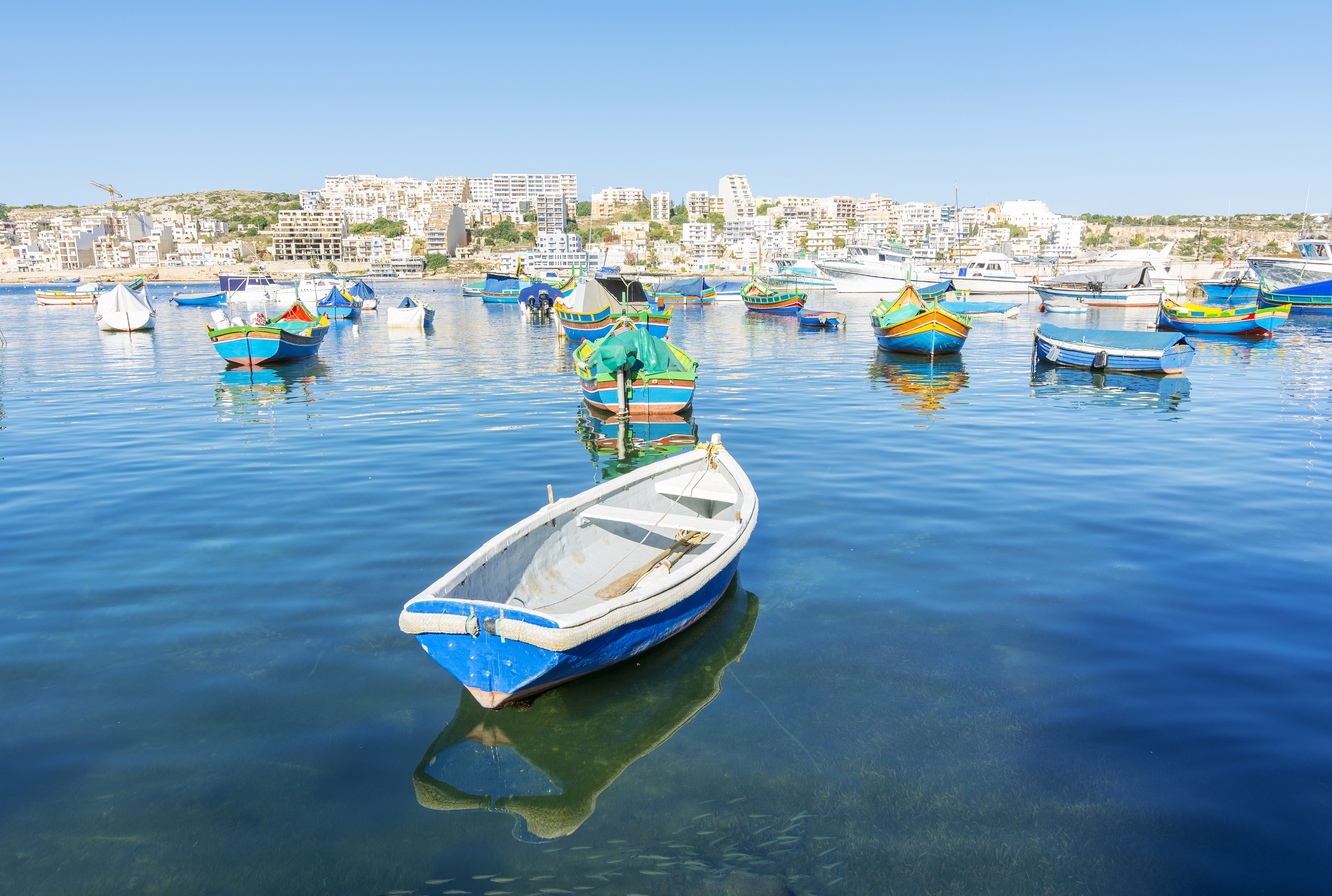
The episode transformed the Maltese archipelago into one of the principal focal points of Pauline tradition in the Mediterranean. Across Malta, numerous churches dedicated to Sancti Pauli Apostoli mark how the Pauline memory has been localized in stone, ritual space, and urban geography, from coastal settlements to inland citadels. Unlike other locations tied to preaching, dispute, or imprisonment, Malta is remembered as a place of pause and protection.
Key sites anchor this memory:
- St Paul’s Bay, traditionally identified as the site of the shipwreck
- St Paul’s Grotto, associated with Paul’s winter stay
- Mdina, the ancient capital linked to Publius and early leadership
Together, these places form a cherished Pauline route across the archipelago. Today, they are increasingly framed through walking itineraries, cultural pilgrimage, and devotional practice.
The feast of St Paul’s shipwreck
Each year on 10 February, Malta commemorates the Feast of St Paul’s Shipwreck. The observance blends religious ritual with civic identity: processions, public ceremonies, and communal gatherings emphasize arrival and welcome rather than suffering.
In a Mediterranean context where early Christian memory often centers on persecution and martyrdom, this focus is distinctive. The feast celebrates survival, encounter, and the beginnings of continuity.
A safe haven in the Pauline world
Paul’s wider Mediterranean journey is shaped by adversity: arrest in Jerusalem, imprisonment in Caesarea, trial under Roman authority, and execution in Rome. The Maltese archipelago stands apart. It is neither tribunal nor prison, but a place where movement pauses and trust emerges.
This contrast has deeply informed Malta’s self-understanding. The archipelago is remembered not as a site of confrontation, but as a threshold—where an itinerant tradition found shelter and took lasting root.
An unbroken presence
From a Maltese perspective, the shipwreck marks the beginning of an uninterrupted Christian tradition extending to the present. Whether approached historically or culturally, the narrative has shaped the archipelago’s calendar, architecture, and pilgrimage practices for nearly two millennia.
Within the geography of Pauline traditions, Malta’s role is singular. It is not where Paul debated, suffered, or died. It is where he was received. In a Mediterranean world defined by movement and uncertainty, the Maltese archipelago’s enduring place in the Pauline story rests on a single moment of “unusual kindness”—a brief refuge that became a lasting foundation.
The Conversion of Paul: A turning point in Mediterranean history
Today, this narrative geography is traced through the Peregrinatio Sancti Pavli Apostoli AD 60, a long-distance walk connecting Saint Paul’s Bay, Rabat, Mdina, and Valletta through sites associated with the shipwreck and its aftermath. Walking the route offers a way to read the Acts narrative against terrain, distance, and lived space. Readers interested in exploring the route can find further information contacting XirCammini.
XirCammini is a Malta-based non-profit organization dedicated to the research, development, and promotion of long-distance walking routes grounded in history, landscape, and cultural exchange. Working in collaboration with public institutions and heritage bodies, XirCammini designs and maintains itineraries that connect archaeological sites, historic towns, and living traditions, positioning walking as a way to engage critically and thoughtfully with place.
This content comes to you in collaboration with VisitMalta
AI Transparency Notice
PilgriMaps uses artificial intelligence tools to assist in the research, drafting and translation of editorial content. All AI-assisted content is reviewed, edited and verified by our editorial team before publication. We contrast information against primary sources, specialist literature and on-the-ground knowledge to ensure accuracy, cultural sensitivity and editorial integrity.
AI is one tool among many in our workflow. The judgement, curation and responsibility for everything published on this platform remain entirely human.
Viator Media S.L. — in compliance with the EU Artificial Intelligence Act (Regulation EU 2024/1689).
This post is also available in: