


Along the Camino de Santiago, between dusty paths and tired feet, there are those who don’t walk but have made the Camino their home. They’re volunteer hospitaleros—men and women who offer welcome without asking for anything in return. In an age where everything has a price, their service represents a quiet but powerful revolution.
Laura and Umberto, from Italy, are two of them. They share a story similar to many others in Accoglienza Pellegrina, a network of volunteer hospitaleros active in hostels across Italy, Spain, and France. Like most, they started by walking. It was the Camino that awakened the question: What would it be like to be on the other side? What does it feel like to offer what I myself received?
“After walking the Camino and experiencing donation-based hospitality firsthand, many of us feel the desire to give back. Not as an obligation, but as an inner need.”
Their first impulse came from direct experience: arriving exhausted, being welcomed with a smile, receiving a hot meal. But the connection deepened over time.
“We wanted to know and experience an ancient tradition firsthand,” they explain. “The connection to hospitality was a natural consequence of the Camino—the possibility of being on the other side, welcoming pilgrims while somehow remaining on the path.”
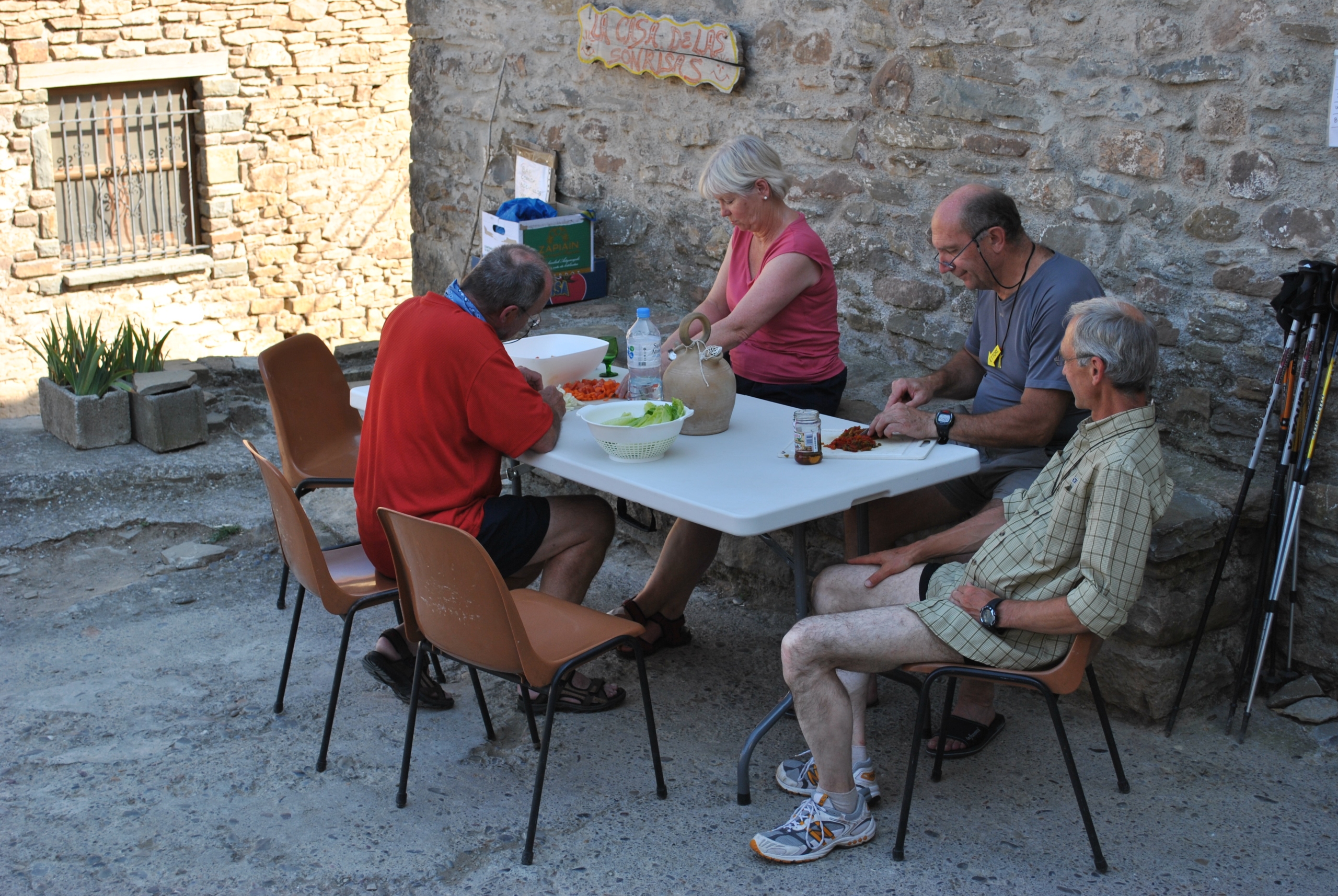
The Hospitalero: Then and Now
The hospitalero figure has ancient roots. In past centuries, they were essential to pilgrimage viability, offering shelter, rest, and protection. Without modern infrastructure, their role was vital.
“The hospitalero was an indispensable figure in ancient pilgrimages,” they explain. “What that ancient figure teaches us is, above all, to welcome with an open heart, sharing available resources.”
Today, being a hospitalero means taking up that legacy in contemporary terms. Amid organized tourism and commercialized experiences, volunteer hospitaleros maintain a practice of real, concrete, daily fellowship.
The Logic of Generosity
Unlike other tourism models, donation-based welcome has no price. Literally—there’s no fee, just a box where pilgrims can leave what they wish. This freedom, far from being empty, is a powerful statement.
“In a world where everything has a price,” they note, “generosity represents the willingness to give freely, without asking anything in return—a luxury few can afford.”
These hostels are sustained entirely by volunteers who finance themselves: travel costs, food —everything is the hospitalero’s responsibility. Their only “requirement” for the hostel that receives them is that it also practices donation-based welcome.
This gesture isn’t just organizational—it’s an ethical stance. As Umberto puts it, “We don’t sell anything. We don’t condition welcome on the money you leave or don’t leave. And that, today, is revolutionary.”
Beyond Service: True Welcome
Laura and Umberto insist that being a hospitalero isn’t simple volunteering. It’s service that touches the deepest part of human nature.
“To welcome is, above all, to listen.”
“Pilgrims are people on a journey, often not material but interior,” Umberto explains. “They need ears to listen, people to be near them without judgment.”
Hospitality, understood this way, becomes a space of shared humanity. Preparing dinner together, listening to stories after dinner, offering a place to feel at home—all of this forms, night after night, an ephemeral but real community.
“Welcoming pilgrims with a smile, a pitcher of water, or hot soup is already provisions for the Camino. But when you also prepare and share dinner with them, you automatically create a family atmosphere.”
Learning to See Without Prejudice
The hospital experience demands, above all, shedding preconceived judgments. “Sometimes someone arrives in a bad mood or behaves in ways that don’t fit. The temptation to label is strong. But it’s the worst thing we can do.”
Laura shares a revealing story: one night, a Chinese pilgrim asked for help sending her backpack, but the language barrier and late hour created frustration. The next day, the pilgrim thanked her with a small gift and a message: although she understood nothing of what was explained, she felt Laura’s passion and commitment. “I was stunned… and felt bad. Because I hadn’t thought well of her.”
This type of lesson repeats itself. Umberto confirms: “Many of the deepest memories don’t come from easy gestures, but from difficult situations that transformed. Where connection seemed impossible, something unexpected happened. That’s what remains.”
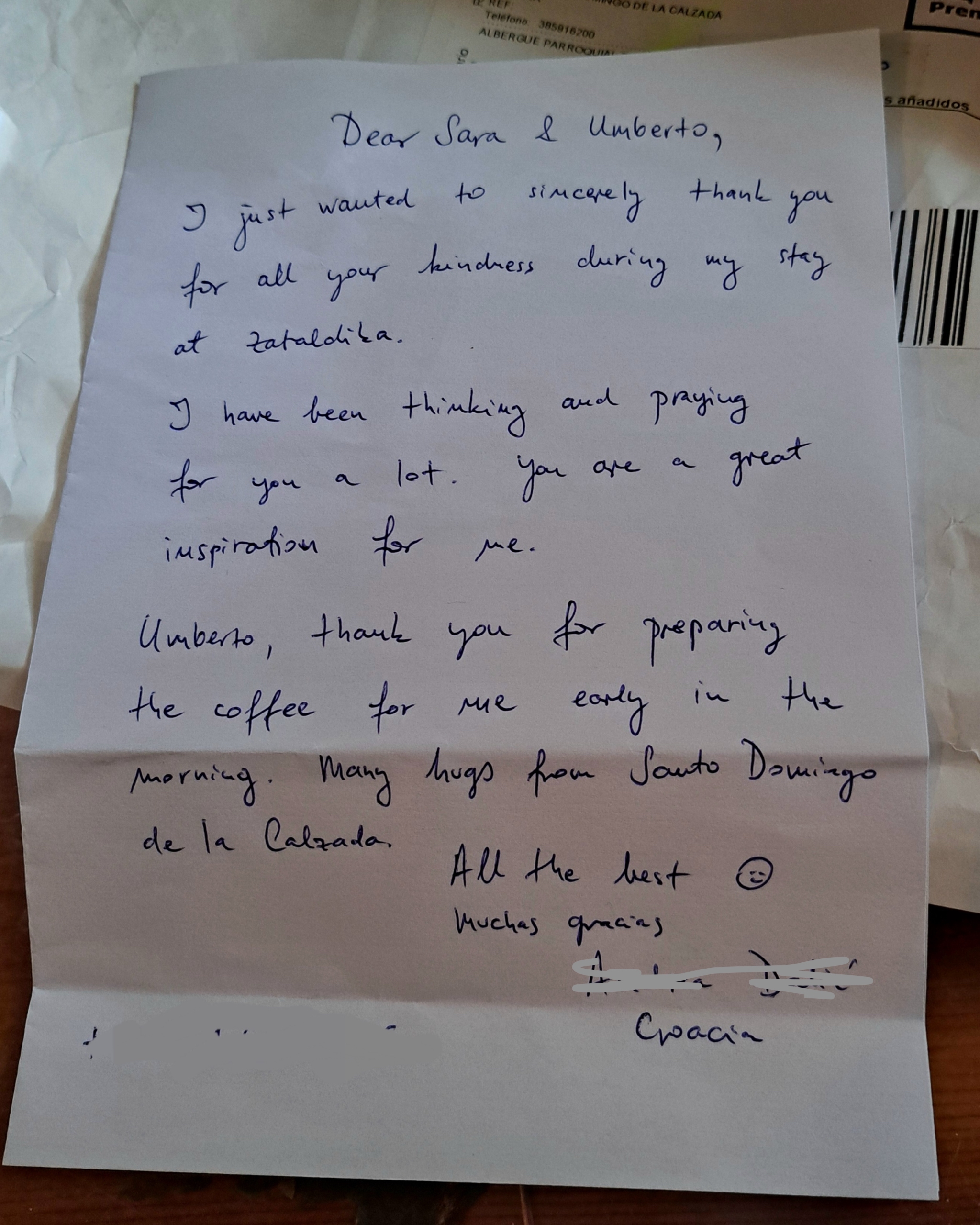
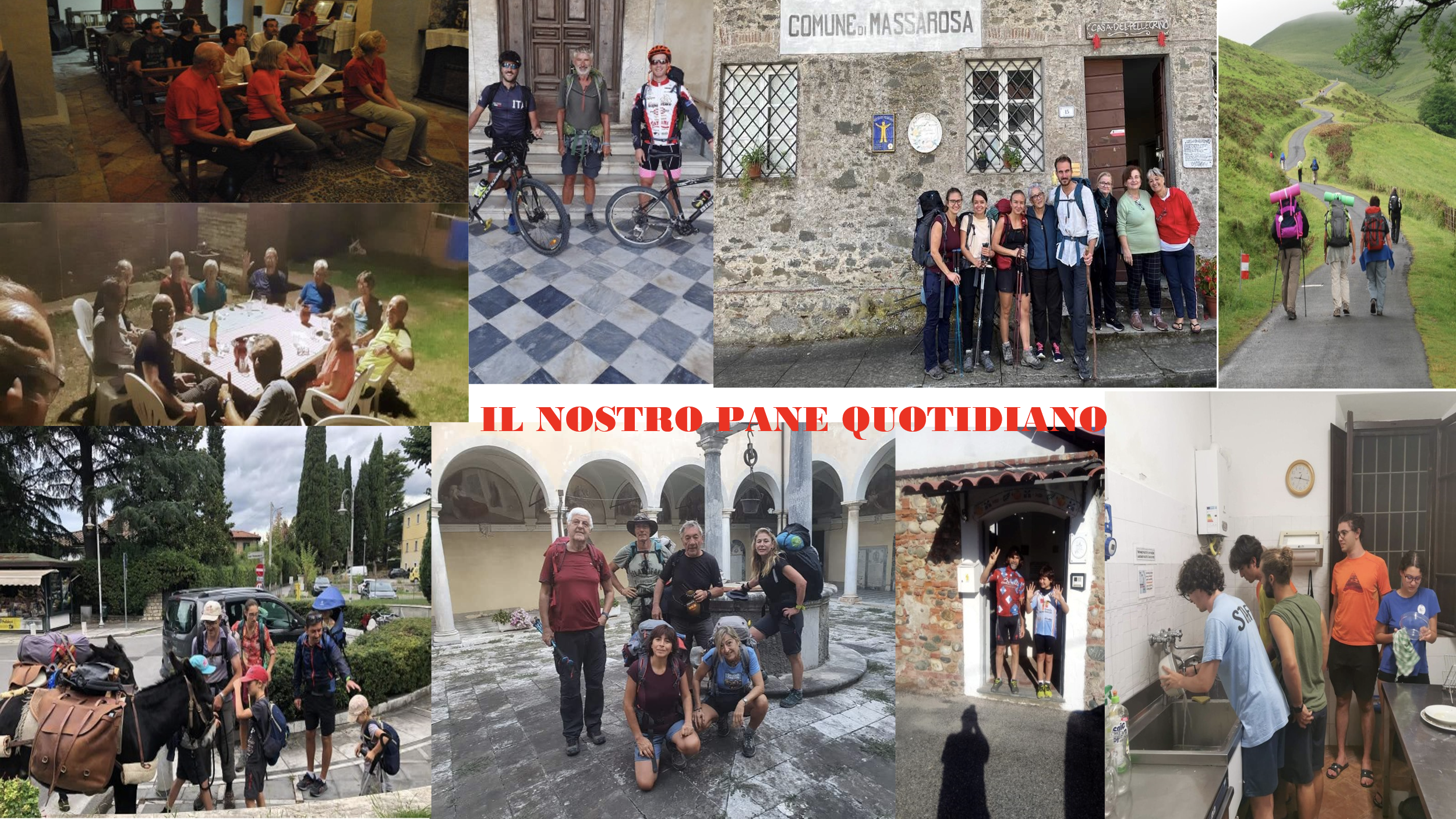
Memory Rituals, Small Communities
To not forget fleeting faces, Umberto takes a daily photo of pilgrims under the hostel portico. He doesn’t publish it. It’s for him and his partner Sara—an emotional archive, a constellation of memories.
“Every day there’s someone who, more than others, gives you something. Because they talk to you, because they touch you with their joy or a simple gesture. That’s it. That’s why we take the plane back every year.”
Many hostels propose evening reflection rounds—moments to share thoughts, wishes, or simply silence. Once, in an international group, someone asked: “Why do we behave like brothers when we’re on the Camino? Why can’t we live like this outside here?”
Since then, that message has stayed with the hospitalero who heard it. “It’s just a drop in the ocean, but necessary.”
Training and Belonging
Not just anyone can become a hospitalero within the Accoglienza Pellegrina network. It’s a serious commitment, not improvisation.
“To join, you must have walked at least 400 kilometers and attend a training course. There they explain both practical and spiritual aspects of this service.”
The course doesn’t select by academic level or ideology. But it does set one clear condition: feeling the inner calling. As they state: “If you don’t feel it, tell us. You’re not obligated to do it. But if you discover this calls to you, here’s a family.”
Today’s Challenges
The current landscape presents new challenges. One is the arrival of pilgrims unfamiliar with donation logic—no longer just an economic issue, but cultural.
They’ve created an educational comic—translated into English, French, and other languages—explaining what “donation-based” means and how to actively participate in hostel life. Teaching goes hand-in-hand with example: asking pilgrims to set the table, stir the pot, help clean.
“When someone collaborates, they feel part of it. And when leaving, they usually ask where there are more hostels like this.”
Another challenge is the expansion of mass tourism models, like tour operators organizing walks “with donation-based hostel experience included”—packaging what is naturally free.
Despite this, hospitaleros remain optimistic. “Twelve years ago, they told us the donation model would disappear. Today, it’s not only alive but stronger than ever.”
Walking Backwards, With Purpose
When asked what drives Laura and Umberto to continue year after year, the answer comes quickly: “What we receive is much more than what we give.”
Neither exhaustion, doubts, nor grueling schedules dampen the desire to return. Because in every face, every story, every unexpected smile, there’s a reason to continue.
“Welcoming on the Camino is a simple gesture, but loaded with meaning. It’s where we build the world we want: welcoming, supportive, without borders.”
Perhaps, among all the lessons, the most important is this: welcoming others without knowing anything about them, simply because they walk. Simply because they’re on the path. Like you, like me. Like everyone.
AI Transparency Notice
PilgriMaps uses artificial intelligence tools to assist in the research, drafting and translation of editorial content. All AI-assisted content is reviewed, edited and verified by our editorial team before publication. We contrast information against primary sources, specialist literature and on-the-ground knowledge to ensure accuracy, cultural sensitivity and editorial integrity.
AI is one tool among many in our workflow. The judgement, curation and responsibility for everything published on this platform remain entirely human.
Viator Media S.L. — in compliance with the EU Artificial Intelligence Act (Regulation EU 2024/1689).
This post is also available in:



1 Comment
Char
Thank you so much for this article, it touched my heart and inspired me to be a hospitalero