Across the rugged backbone of California, from San Diego to Sonoma, a trail of twenty-one mission churches stretches over 600 miles. Today, the California Mission Trail invites walkers, cyclists, and spiritual seekers to trace the contours of a land shaped by imperial ambition, indigenous resistance, and religious aspiration. It is a route distinctly American—rooted in Spanish colonial planning, deeply marked by Indigenous experience, and still visible in the cultural terrain of the modern Southwest.
While many associate the mission system with Junípero Serra—canonized, contested, and widely commemorated—Fr. Fermín de Lasuén, his quieter successor, remains largely unrecognized. Yet Lasuén founded nine of California’s missions—more than Serra himself—and served as Father Presidente for nearly two decades. His influence helped solidify the mission system at a formative time. If Serra lit the spark, it was Lasuén who carried the torch and built the road.
A Pilgrimage Route Born of Empire
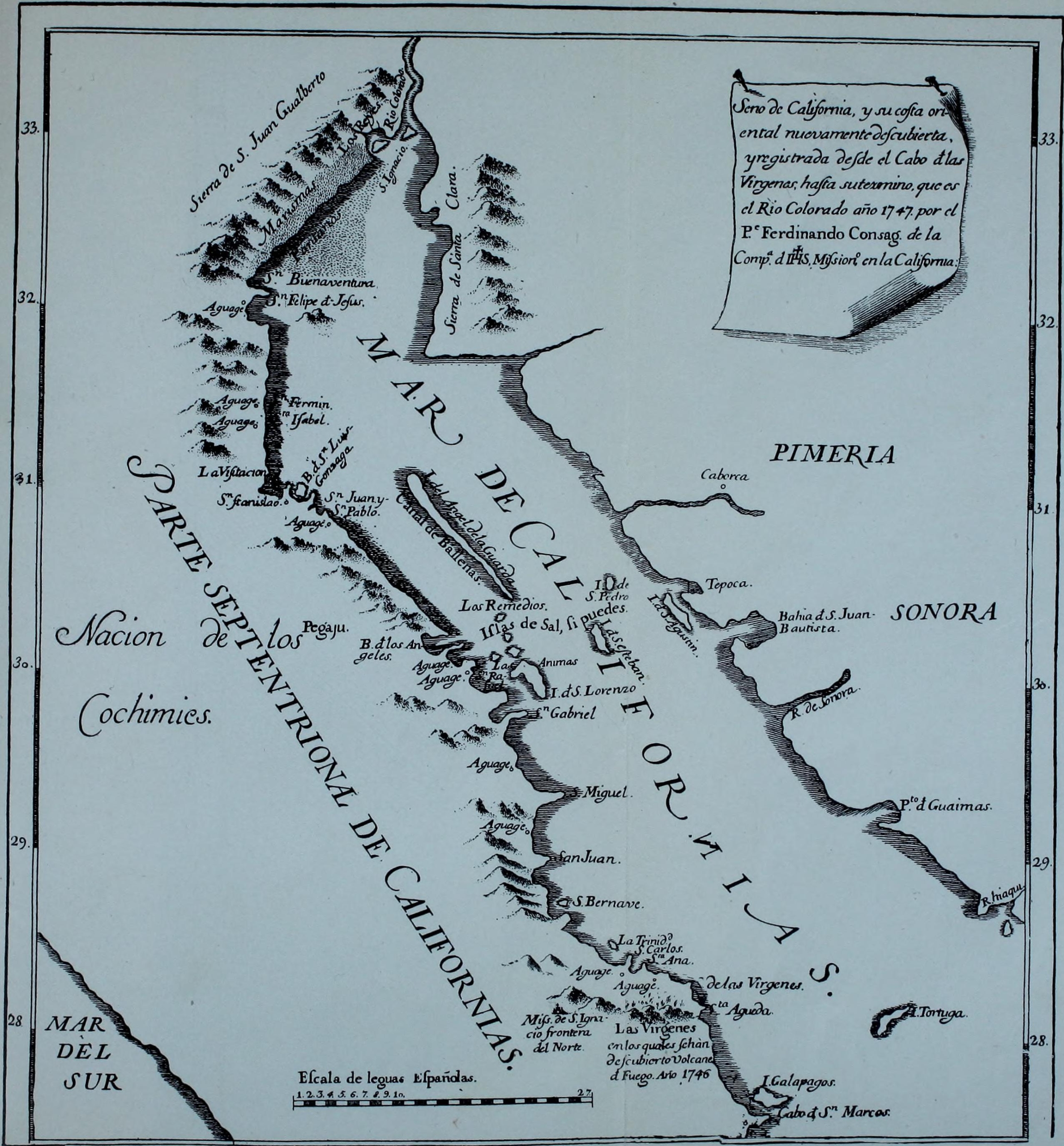
Established between 1769 and 1833, the missions were part of a larger Spanish strategy to settle Alta California through a system that combined religious conversion with agricultural labor. The mission trail was never a single road, but a network of routes—El Camino Real—connecting coastal valleys and Indigenous lands with Spain’s colonial centers.
While originally designed for horse and cart, the route has become, for some, a contemporary pilgrimage trail—a way to engage the landscape while confronting its complex legacy. Unlike routes born of a singular spiritual tradition, the California Mission Trail is layered: part colonial corridor, part Indigenous memory map, and increasingly, a site of cultural reclamation.
Lasuén: Beyond the Shadow of Serra
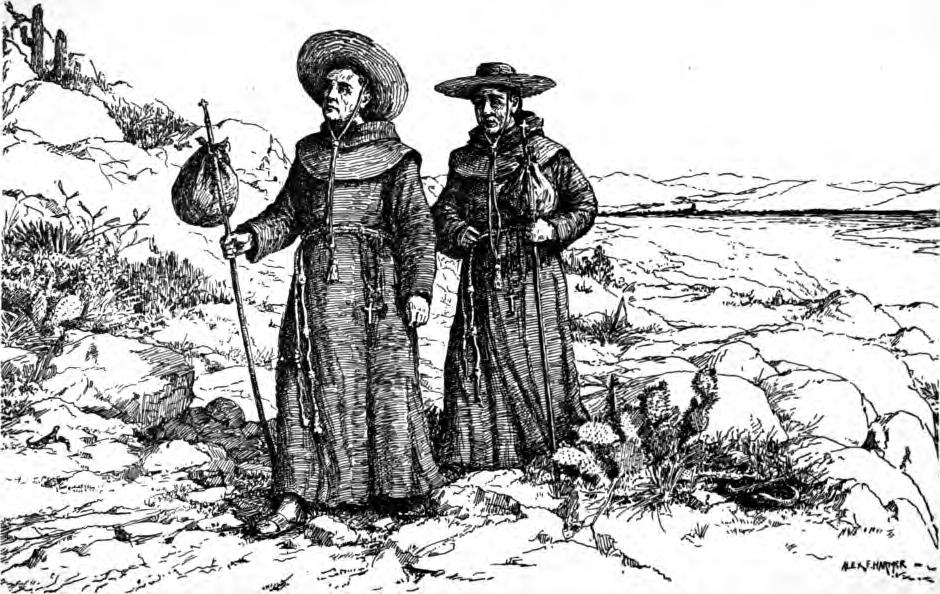
Born in 1736 in Vitoria, Spain, Fermín Francisco de Lasuén joined the Franciscan order and arrived in the Americas in 1759. After over a decade in Baja California, he moved north in 1773, becoming Serra’s eventual successor as Father Presidente of the California missions in 1785. He held the post until his death in 1803.
Lasuén’s tenure marked a period of consolidation. He founded nine missions, including San Fernando Rey (1797), San Miguel Arcángel (1797), and San Luis Rey de Francia (1798)—each strategically positioned to expand Spain’s hold and extend the Franciscan project.
Where Serra was a charismatic agitator, Lasuén was a systematic administrator. He engaged in constant correspondence with colonial authorities, navigated local conflicts, and supervised the construction of mission infrastructure. His writings show a man aware of the contradictions of the system: convinced of the salvific mission of the Church, yet confronting the tensions between military command, Indigenous autonomy, and colonial ambition.
Architecture, Landscape, and Cultural Memory
Lasuén’s missions were not merely spiritual outposts—they were landscape-altering complexes, complete with aqueducts, fields, mills, and workshops. They introduced European agriculture and reshaped Indigenous lifeways. As much as they were centers of worship, they were also tools of acculturation and control.
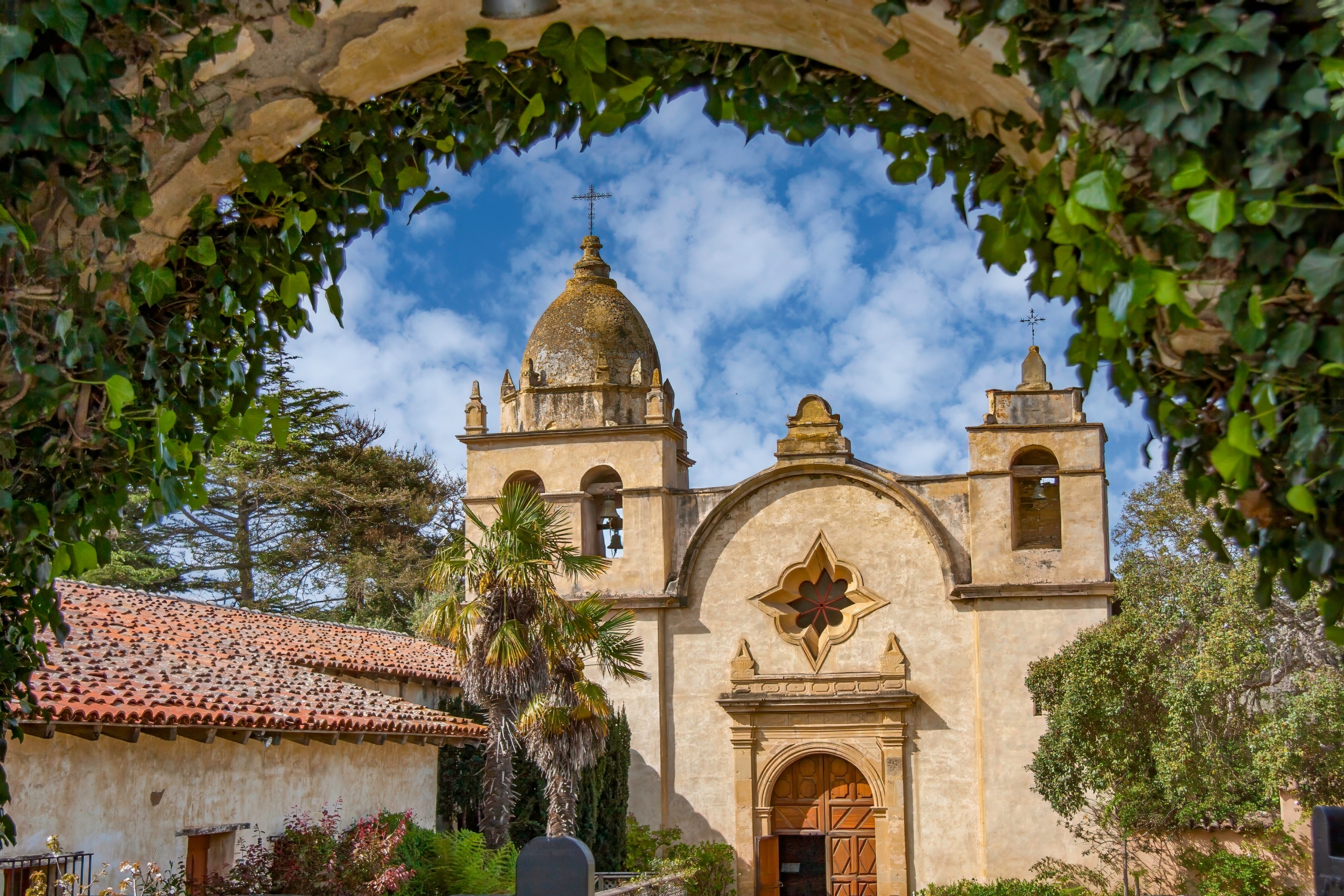
Today, these missions are part of California’s architectural heritage—whitewashed adobe walls, bell towers, and cloistered gardens set against the vast skies of the Pacific coast. But they are also sites of trauma. The mission system dismantled Indigenous societies, suppressed languages, and conscripted native labor under conditions that many scholars now characterize as coercive or semi-enslaved.
To walk the California Mission Trail today is to move through both beauty and fracture. It is a pilgrimage route with unresolved meanings—one that requires reckoning as much as reverence.
A Modern Pilgrimage Through a Layered Past
In recent years, hikers and cyclists have begun reclaiming the trail as a route of reflection. Grassroots initiatives are mapping out walkable stages between the missions, sometimes accompanied by local Indigenous narratives, environmental education, and community events.
Unlike Europe’s Camino de Santiago, which centers around a single tomb and saint, the California Mission Trail is polyphonic—marked by conflicting memories and shifting identities. It is American in its complexity: frontier and frontiered, sacred and scarred.
To follow this path is to move not just across space, but across centuries of cultural entanglement—from Kumeyaay land in the south to the coastal territories of the Coast Miwok in the north, from Franciscan archives to modern Chicano reinterpretations, from the legacy of Lasuén to contemporary debates over whose histories these missions should serve.
Remembering Lasuén
Fr. Fermín de Lasuén died in Monterey in 1803, after nearly thirty years in Alta California. His remains were buried at Mission San Carlos Borromeo, beside Serra, though his name never reached the same heights of recognition.
Yet his legacy is imprinted on the land. Every traveler who stops at San Juan Capistrano, Santa Cruz, or San Luis Obispo passes through a network shaped by his planning. In many ways, Lasuén was a builder of systems, not just structures. And while he did not coin the mission trail, he laid its backbone.
Toward a Pilgrimage of Conscious Engagement
To walk the California Mission Trail today is to trace the palimpsest of the American West: Spanish empire, Indigenous endurance, missionary ambition, and ecological change.
Lasuén’s story invites reflection on what it means to walk a path that is neither heroic nor wholly redemptive, but deeply human. In remembering him, we do not canonize—we contextualize.
The forgotten friar built missions. Today’s pilgrims build meaning.
Suggested Route Segment: Santa Cruz to San Juan Bautista (30 miles)
This stage offers a walkable stretch through the coastal range, connecting two missions founded under Lasuén’s leadership. The route passes through farmlands, redwood groves, and communities shaped by Hispanic, Indigenous, and migrant histories. Local initiatives offer bilingual signage and historical interpretation.
AI Transparency Notice
PilgriMaps uses artificial intelligence tools to assist in the research, drafting and translation of editorial content. All AI-assisted content is reviewed, edited and verified by our editorial team before publication. We contrast information against primary sources, specialist literature and on-the-ground knowledge to ensure accuracy, cultural sensitivity and editorial integrity.
AI is one tool among many in our workflow. The judgement, curation and responsibility for everything published on this platform remain entirely human.
Viator Media S.L. — in compliance with the EU Artificial Intelligence Act (Regulation EU 2024/1689).
This post is also available in: