Long before Marco Polo set out from Venice in 1271 CE, the routes linking the Mediterranean to China had carried far more than silk and silver. Known collectively as the Silk Route, these arteries of travel and trade stretched across deserts, mountains, and seas, connecting cultures for nearly two millennia.
Along them moved Buddhist monks from India—such as Faxian in the 5th century CE and Xuanzang in the 7th—who journeyed toward Central Asia and China carrying scriptures and relics. Christian envoys of the Church of the East, including Alopen, reached Chang’an in 635 CE, while Muslim scholars and pilgrims traveled westward from Samarkand and Bukhara toward Mecca. These were roads of faith as much as commerce.
The story that follows, however, is not one of pilgrimage. It is the story of a merchant—Marco Polo—whose passage through this vast network traced the geography of encounter and exchange rather than devotion.
The long road East
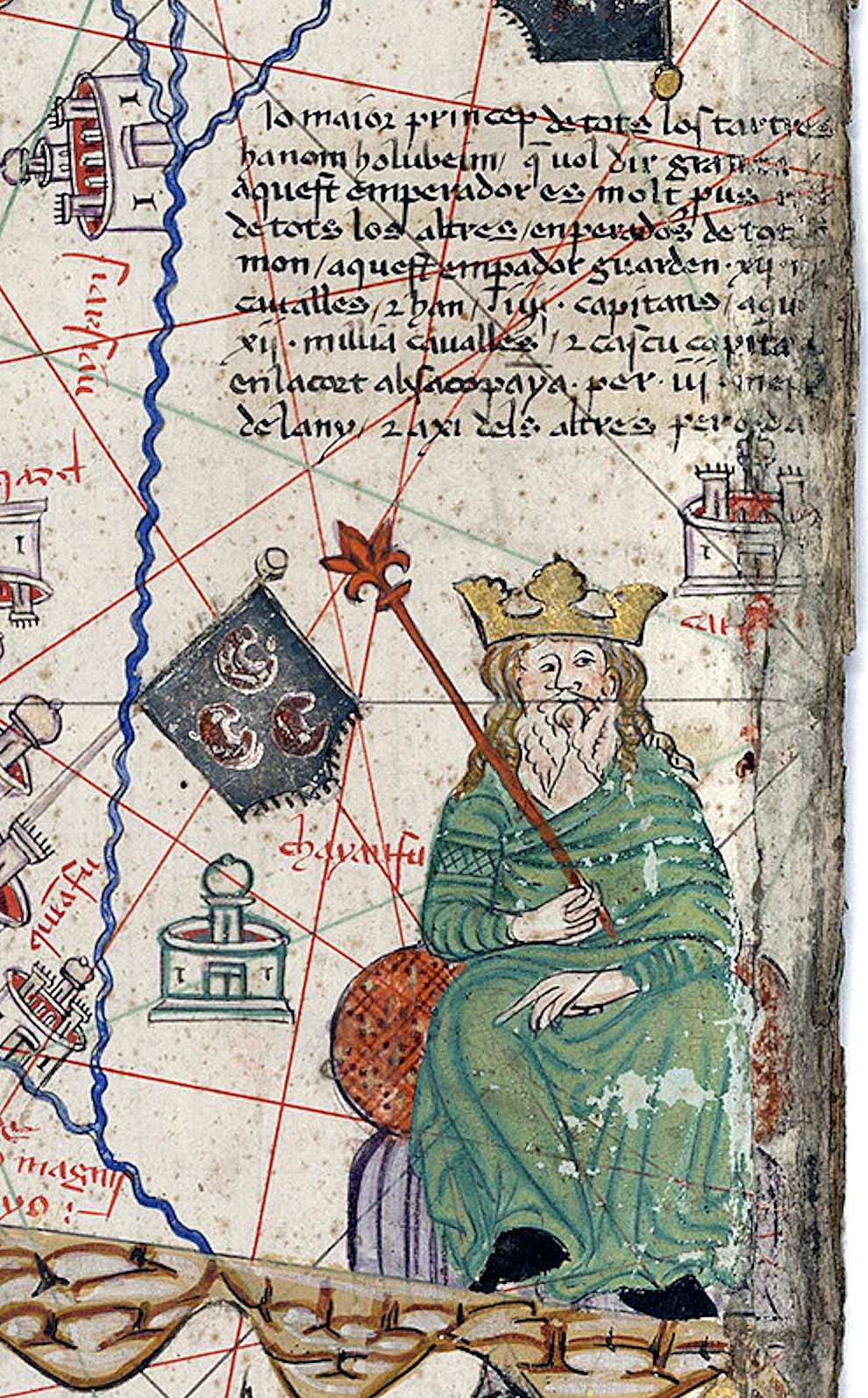
The year was 1271 CE. Venice, a republic of lagoons and merchants, hummed with maritime ambition. Among those preparing for distant travel were Niccolò and Maffeo Polo, seasoned traders who had once crossed into the lands of the Great Khan. With them journeyed Niccolò’s teenage son, Marco—a youth whose imagination would soon carry him beyond the limits of European geography.
Their route led first through Acre, the last major Crusader port, and onward across Armenia and Persia. The Silk Route was not a single road but a web of caravan paths, linking oasis towns like Tabriz, Balkh, and Kashgar. Here, languages mingled as easily as goods: silk for silver, amber for jade, news for safe passage.
The travelers endured the thin air of the Pamir highlands—“the Roof of the World”—and the blazing emptiness of Central Asian deserts where wind buried entire caravans. Life on the route demanded endurance and precision: rise before dawn, march through the cool hours, and rest near the wells guarded by local tribes.
For Marco, the journey became an education. He learned to read terrain, to negotiate tolls, and to adapt to customs as various as the landscapes they crossed. His sharp observation, recorded years later, would shape Europe’s first detailed account of Asia.
The Great Khan’s court
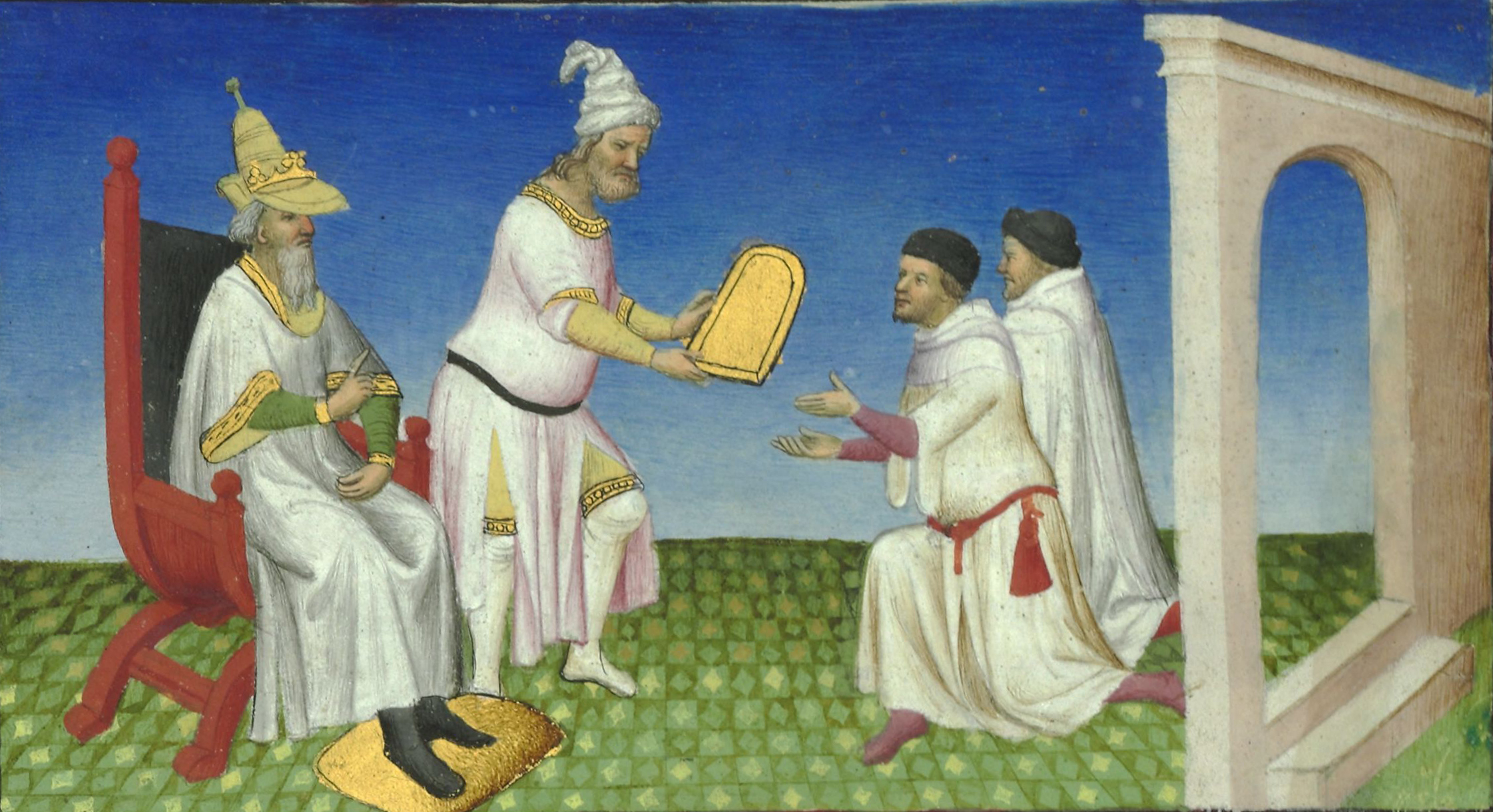
After years of travel, the Polos reached Shangdu, the summer capital of Kublai Khan, ruler of the Yuan dynasty and grandson of Genghis Khan. The Mongol court astonished the young Venetian. Here, he found an empire knit together by horse relays, postal stations, and written decrees in multiple languages. Paper money circulated across vast territories, and administrators governed with surprising efficiency.
Kublai Khan, impressed by Marco’s aptitude for languages and diplomacy, sent him on missions through the empire. Marco’s later descriptions of Yunnan’s highlands, the river cities of Hangzhou, and the busy ports of the South China Sea offered Europeans their first sustained vision of East Asia’s geography and urban sophistication. Whether every episode was experienced firsthand or gathered from travelers at court remains debated, but the scope of his record was without precedent.
The return West
After seventeen years in service, the Polos sought to return home. Their journey back led by sea from China to Sumatra, across the Indian Ocean, and through the Persian Gulf. When they reached Venice in 1295, no one recognized them; their foreign dress and sun-browned faces concealed their identity. Only when they cut open their worn coats—revealing rubies and sapphires sewn into the linings—did their story gain attention.
The Book of Marvels
Captured during a naval conflict between Venice and Genoa, Marco dictated his experiences to a fellow prisoner, Rustichello of Pisa. The resulting work, Il Milione—known in English as The Travels of Marco Polo—circulated widely. It presented Asia not as a realm of myth but as a network of cities, markets, and administrative systems. His tone was curious, observational, and often astonished.
The book’s influence reached far beyond its era. It inspired mapmakers and explorers, including Christopher Columbus, who carried a copy annotated with notes. Yet The Travels was never a pilgrim’s record. Unlike the Buddhist, Christian, or Muslim travelers who had used the same routes for devotion, Marco’s purpose was commercial and diplomatic. His account stands as a secular odyssey—a document of cross-cultural perception.

More details
Detail of a miniature depicting Marco Polo with elephants and camels arriving at Hormuz on the Gulf of Persia from India, from the Book of Marvels
The Silk Route’s echo
To follow Marco Polo’s path today is to move through palimpsests of history. The caravanserais of Persia lie in ruins beside modern highways. In Kashgar, fragments of the old bazaar still hum with barter, while Dunhuang’s desert caves preserve murals of monks and merchants. From Tabriz to Xi’an, the Silk Route retains the memory of exchange—religious, artistic, and economic.
Polo’s journey demonstrated that the world was larger and more connected than Europe had imagined. The Silk Route bound continents not through conquest, but through movement—of goods, stories, and knowledge.
Reflections on an unintended pilgrimage
Every long road transforms the traveler. Marco Polo’s journey was not a quest for enlightenment, yet it illuminated the geography of encounter that shaped medieval Eurasia. His observations bridged worlds: the Mediterranean and the Mongol empire, the Christian West and the Buddhist and Confucian East.
Though not a pilgrimage, his route crossed many that were. Along the same roads walked monks seeking scriptures, scholars seeking patrons, and traders seeking profit. The Silk Route was their shared stage—a corridor of exchange where devotion and commerce intertwined.
When Marco returned to Venice, he brought no relics, only stories. Yet those stories redrew the limits of the known world, proving that the act of travel itself—across the roof of the world—can become its own form of discovery.
AI Transparency Notice
PilgriMaps uses artificial intelligence tools to assist in the research, drafting and translation of editorial content. All AI-assisted content is reviewed, edited and verified by our editorial team before publication. We contrast information against primary sources, specialist literature and on-the-ground knowledge to ensure accuracy, cultural sensitivity and editorial integrity.
AI is one tool among many in our workflow. The judgement, curation and responsibility for everything published on this platform remain entirely human.
Viator Media S.L. — in compliance with the EU Artificial Intelligence Act (Regulation EU 2024/1689).
This post is also available in: