Walking is among the most ancient human gestures—simple, unstructured, and freely available. Though often routine, it holds a hidden power long recognized by philosophers, writers, and scientists: walking enhances creativity.
It’s more than exercise. Walking places us in a threshold space—between interior and exterior, routine and openness. This liminal state creates ideal conditions for insight to emerge.
Albert Einstein claimed his best ideas came during walks. Virginia Woolf turned daily walks through London into narrative fuel. Steve Jobs held walking meetings to stimulate lateral thinking. Pilgrimage routes have not only sparked spiritual reflection but served as frameworks for creative renewal.
From a neurological perspective, walking activates brain regions left dormant during stillness. A Stanford study found that walking can increase creative output by up to 60%. Physical rhythm improves blood flow and oxygenation to the brain—conditions that favor associative thought.
But the explanation is not just scientific. The rhythm of walking seems to unlock a deeper mental language. Each step works like a metronome, giving shape to otherwise elusive ideas.
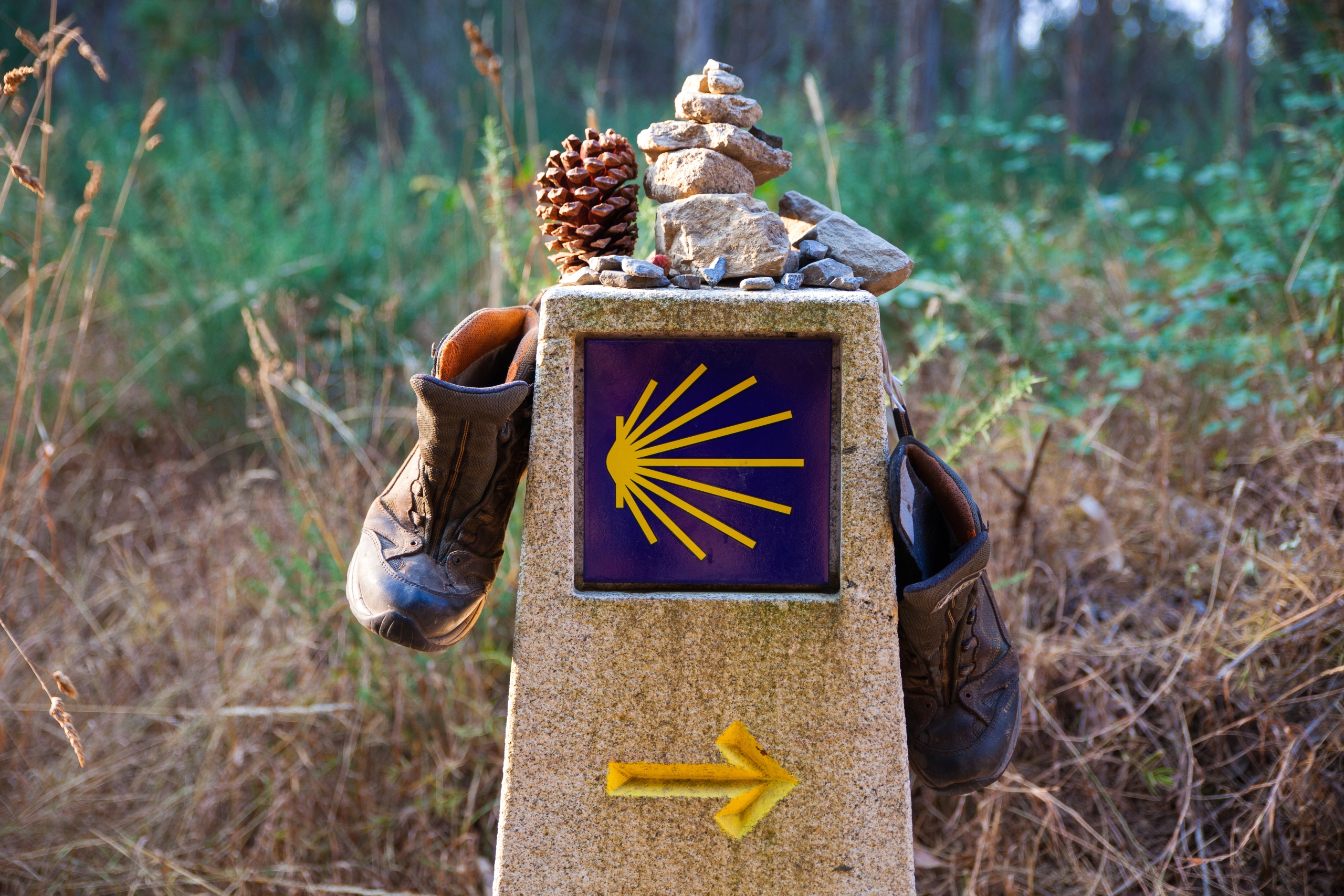
Pilgrimage is not only a physical journey. It’s a creative one. It slows the pace of life, strips away excess, and invites contact with the unknown—conditions that favor innovation.
Why pilgrimage nurtures creativity
- It imposes slowness, which challenges superficial thought.
- It reduces distractions, inviting focus and clarity.
- It exposes the walker to unfamiliar people and places, sparking novelty.
- It invites a mindset of observation, rather than consumption.
Pilgrims become cartographers of meaning. Each journey—whether spiritual, cultural, or personal—can become a creative laboratory.
Creative practices for pilgrims
Ten ways to engage the imagination through walking:
1. Walk Without a Destination
Let go of the goal. Directionless walking frees the mind from instrumental thinking and allows it to wander—etymologically linked to the word “vagabond,” meaning unbound.
2. Choose Imperfect Paths
Avoid predictable sidewalks. Take trails, alleyways, forest paths. Uneven ground forces micro-adjustments in the body, which may translate to unexpected cognitive links.
3. Carry a Notebook
Ideas are fleeting. Jot them down or record them. A simple notebook becomes a net for catching stray thoughts.
4. Walk at Your Own Rhythm
There is no optimal pace—only your own. Some people think better at a brisk tempo; others need slow, meditative strides. Discover your creative cadence.
5. Embrace Silence
Music can help, but deep creativity often arises from silence. In quiet, inner voices become audible. Silence is the blank page of the mind.
6. Use Discomfort as a Catalyst
Discomfort—blisters, hills, fatigue—does not block creativity. It can unlock it. Moments of strain can produce the clearest insights.
7. Practice Radical Observation
Pay close attention: a stone’s texture, the smell of rain, the cadence of others’ footsteps. Creativity often begins with close noticing.
8. Cultivate Solitude
Make time to walk alone. Solitude allows daring thoughts to surface—the ones usually drowned out by social noise.
9. Alternate with Connection
Pilgrimage offers balance: solitude and encounter. Walk with others at times. Conversation, debate, and shared silence feed collective creativity.
10. Treat Walking as a Creative Ritual
Many traditions link walking with vision. Romantic poets wandered to find inspiration. Buddhist monks walk to meditate. Some Indigenous cultures use solo journeys in nature to seek insight. Walking becomes a universal tool for creative discovery.
Final Thoughts
Creativity doesn’t thrive in front of a screen. It grows in motion.
It doesn’t flourish in speed but in slowness.
It can’t be forced—but it can be invited.
The creative pilgrim doesn’t seek certainty. They walk to encounter the unknown—and sometimes, to encounter themselves.
So put on walking shoes. Leave the house.
The idea you’re waiting for might already be out there—waiting to meet you, step by step.
AI Transparency Notice
PilgriMaps uses artificial intelligence tools to assist in the research, drafting and translation of editorial content. All AI-assisted content is reviewed, edited and verified by our editorial team before publication. We contrast information against primary sources, specialist literature and on-the-ground knowledge to ensure accuracy, cultural sensitivity and editorial integrity.
AI is one tool among many in our workflow. The judgement, curation and responsibility for everything published on this platform remain entirely human.
Viator Media S.L. — in compliance with the EU Artificial Intelligence Act (Regulation EU 2024/1689).
This post is also available in: