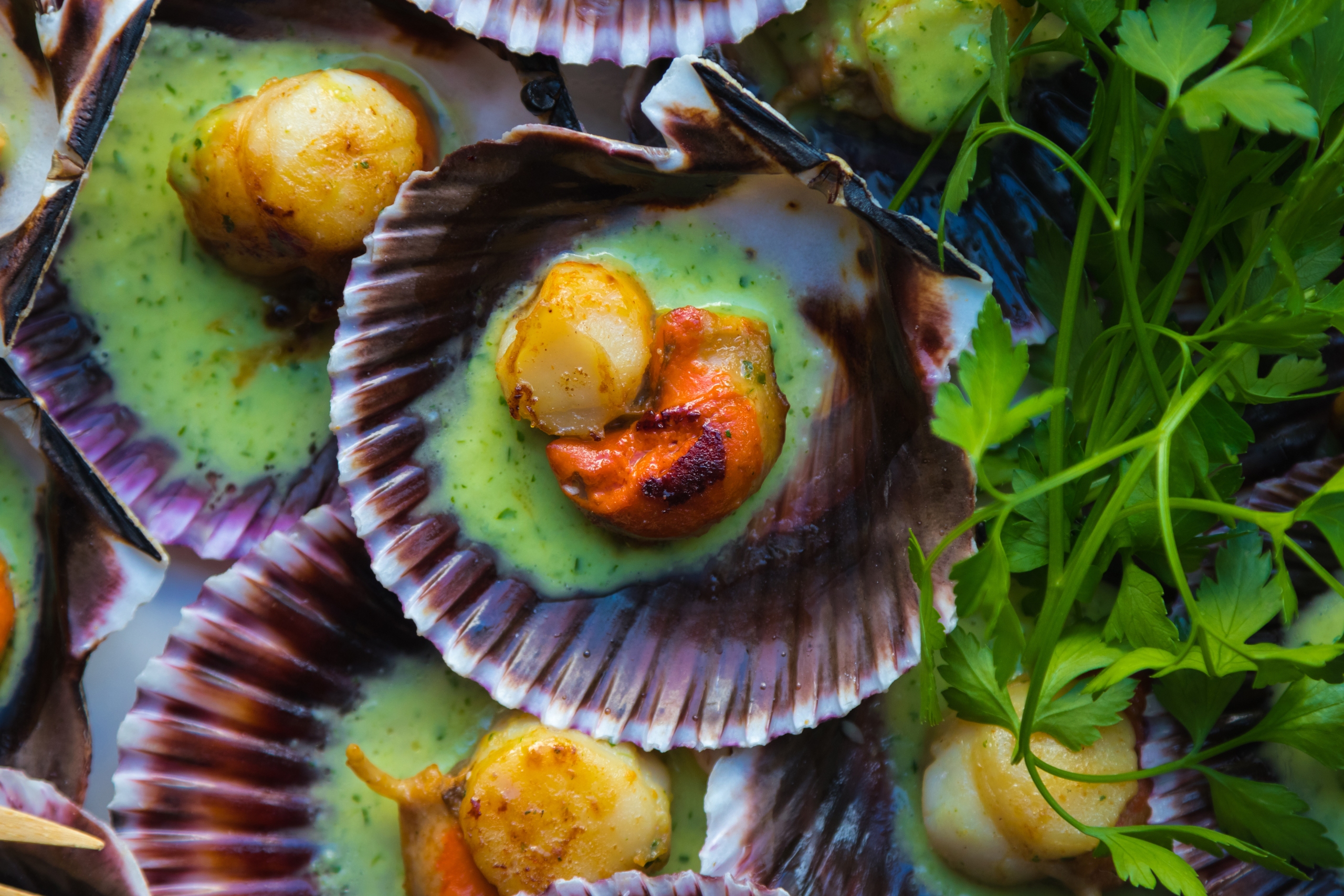
Along the rugged coastlines of Galicia, where the Atlantic meets the land in a constant contest of force and foam, a small shellfish has earned a place of pride in local kitchens. Known as zamburiñas, these fan-shaped bivalves are often mistaken for scallops, but in Galicia, they carry their own culinary weight—as a local delicacy and cultural marker.
A Coastal Ingredient with Regional Identity
Zamburiñas (Chlamys varia) are native to Galicia’s rias, the fjord-like inlets that carve through Spain’s northwestern coast. Smaller and more delicate than scallops (vieiras), they are known for their tender texture and mineral-rich flavor, shaped by the saline waters where they grow. For many Galicians, they are more than just a food item—they are part of a lived maritime tradition.
“Every time I open one, it’s like coming home,” says María, a home cook from O Grove, a village renowned for seafood. The region’s marisquerías—seafood restaurants—serve zamburiñas in various preparations: grilled, baked, or lightly crusted, often finished with garlic, onion, breadcrumbs, and parsley.
Harvesting with Care: A Regulated Practice
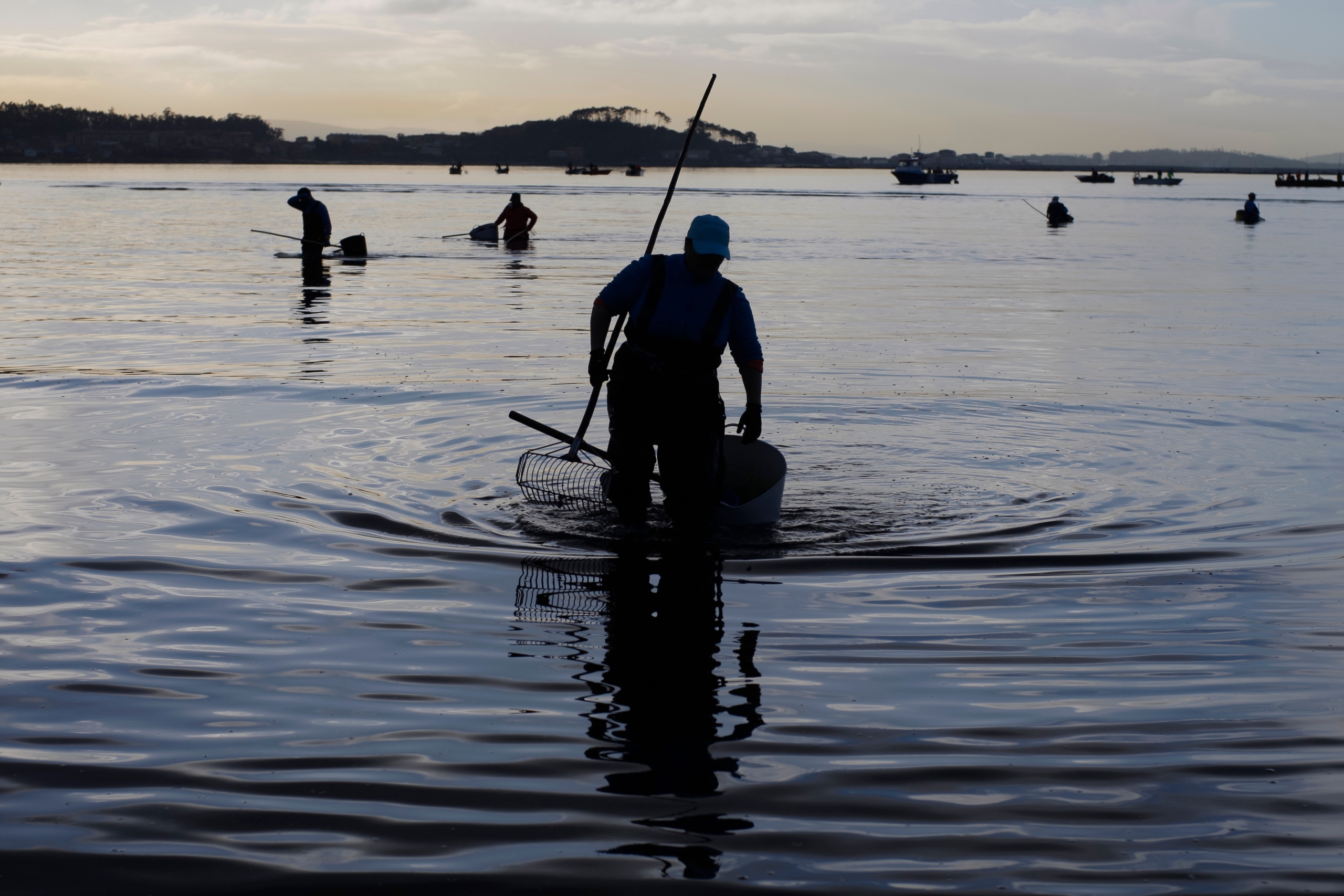
The collection of zamburiñas is tightly managed. Only licensed fishers are permitted to harvest them, often by hand or with small dredges in restricted coastal zones. These measures ensure sustainability and traceability. Each zamburiña carries an identifying number, linking it to a specific catch.
Once landed, the shellfish are quickly transported to fish markets, where they are auctioned to restaurateurs who prioritize same-day freshness. “It’s like sourcing truffles,” says chef Jordi Monzó, who features them in his tasting menu paired with oyster dashi and sour cream. “But here, the aroma is the sea.”
Distinct from Scallops
Visitors frequently confuse zamburiñas with their larger relatives, scallops. While similar in appearance, the differences are notable: zamburiñas are smaller, with a firmer texture and a brinier profile. Scallops are often served as individual entrées; zamburiñas are shared—served in multiples, often as tapas or starters, reinforcing their social role at the table.
“You never eat them alone,” says Francisco Abilleira, a fourth-generation fisherman. “They’re meant to be passed around—like good wine or a good story.”
Local Variants, Shared Traditions
Across Galicia, zamburiñas appear in slightly different forms. In Vigo, cooks add smoked paprika and tomato for a deeper flavor. In A Coruña, they prefer minimalism: grilled with sea salt and served with a glass of local albariño wine.
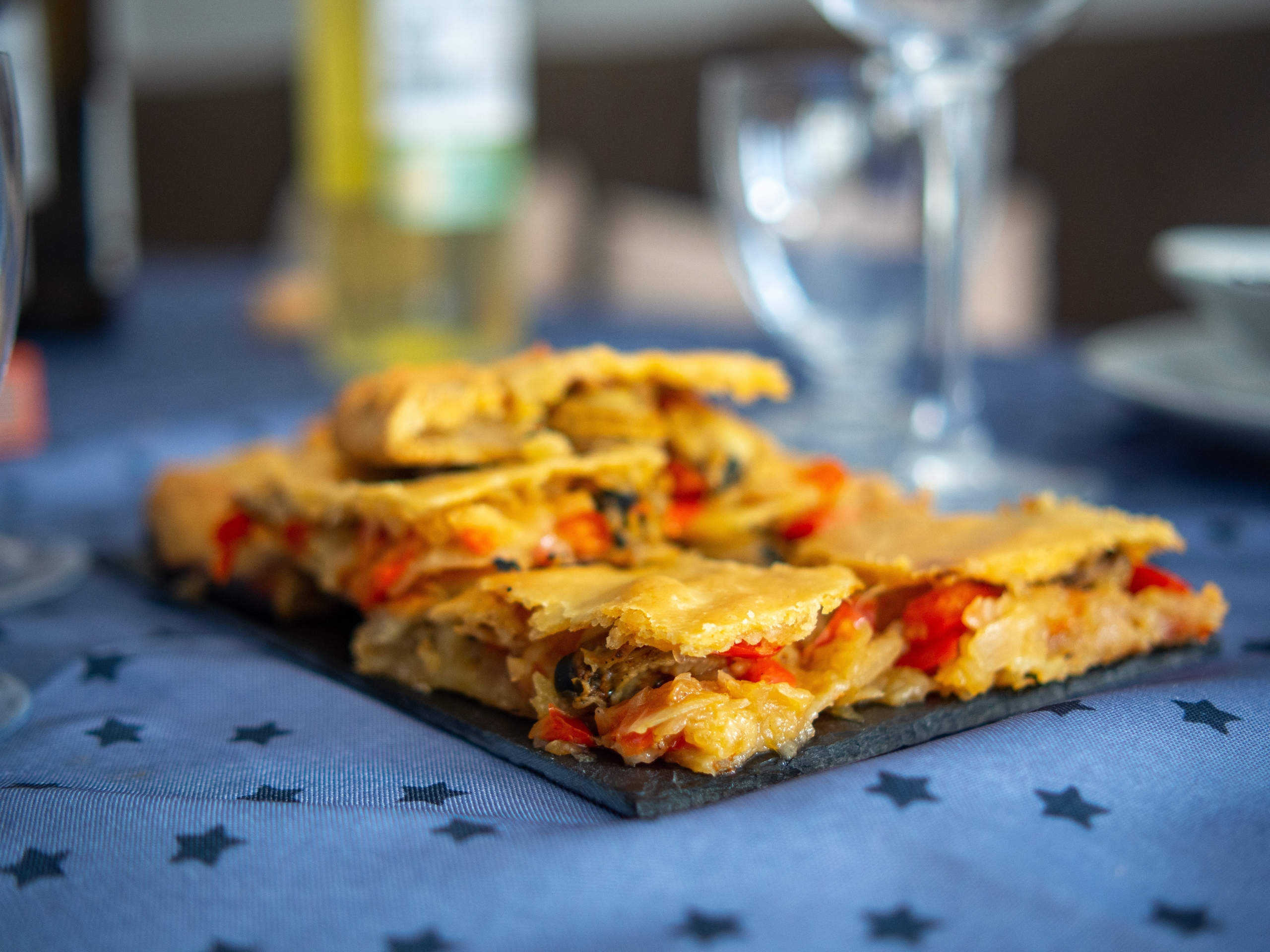
Contemporary chefs have introduced reinterpretations—ginger and soy marinades, green pea purées, or crisp pancetta—but the most resonant versions are often the simplest: cooked over flame, seasoned with care, and served without embellishment.
During the region’s patronal festivals, especially the Festa do Marisco in O Grove, zamburiñas are served by the trayful, accompanied by Galician bread and local cider. Queues form at dawn, and the ritual of eating them—standing, informal, communal—remains a highlight of the celebration.
Culinary Heritage Rooted in Landscape
Galicia is a region marked by wind, rain, and proximity to the ocean. Its culinary traditions reflect necessity rather than extravagance. Dishes tend to be spare, grounded in seasonality and availability. Zamburiñas embody this ethos: accessible, humble, and deeply expressive of place.
In recent years, younger chefs have reengaged with Galicia’s traditional ingredients, introducing them into fine-dining contexts. But many agree: the truest expression of zamburiñas is still found in fishing villages and port kitchens, where the preparation is quiet, practical, and unchanging.
Recipe: Zamburiñas a la Gallega (Galician-Style)
- Ingredients
12 fresh zamburiñas in shell
1 white onion, finely chopped
2 garlic cloves
3 tbsp breadcrumbs
1 tbsp chopped parsley
1 tbsp sweet paprika
Extra virgin olive oil
Salt and pepper
- Instructions
Rinse the zamburiñas thoroughly under cold water.
Remove the mollusk from the shell and clean away any dark matter.
Sauté onion and garlic in olive oil until translucent.
Add paprika, breadcrumbs, parsley, salt, and pepper.
Place each mollusk back into its shell and spoon the aromatic mix on top.
Bake at 200°C for 8–10 minutes. Serve hot.
Savoring the Sea, Without Excess
In a global food landscape increasingly defined by performance and pace, zamburiñas offer a different path. They invite a slower rhythm: one that respects season, proximity, and the labor behind each harvest.
Their taste is not only that of the Atlantic—it is the taste of collective memory: of nets cast at sunrise, of generations who learned to cook without recipe books, and of meals shared rather than plated.
To eat zamburiñas by the sea, with salt in the air and embers still warm, is to engage not in spectacle, but in continuity. A dish that endures not because it dazzles, but because it belongs.
AI Transparency Notice
PilgriMaps uses artificial intelligence tools to assist in the research, drafting and translation of editorial content. All AI-assisted content is reviewed, edited and verified by our editorial team before publication. We contrast information against primary sources, specialist literature and on-the-ground knowledge to ensure accuracy, cultural sensitivity and editorial integrity.
AI is one tool among many in our workflow. The judgement, curation and responsibility for everything published on this platform remain entirely human.
Viator Media S.L. — in compliance with the EU Artificial Intelligence Act (Regulation EU 2024/1689).
This post is also available in: