Before setting out, every pilgrim faces a simple question: What will I eat along the way?
Pilgrimage is physically demanding. Nutrition plays a key role in maintaining stamina and well-being. From medieval dry bread to modern energy bars, and from shared meals in monastic refectories to village markets, food has always accompanied the journey. Each bite reflects geography, culture, and centuries of improvisation.
A Brief History of Pilgrim Meals
In medieval Europe, along routes like the Via Francigena or the Camino de Santiago, pilgrims received food and shelter from religious institutions. The menu was basic: bread, legume-based soups, diluted wine. Survival was the goal, not taste. Yet the nutritional balance—complex carbohydrates, plant proteins, and hydration—was sound.
In Japan, pilgrims on the Shikoku Henro (a circuit of 88 temples) are often offered osettai: gifts of tea, fruit, or rice snacks from locals. These small offerings sustain not only the body but also a sense of mutual care.
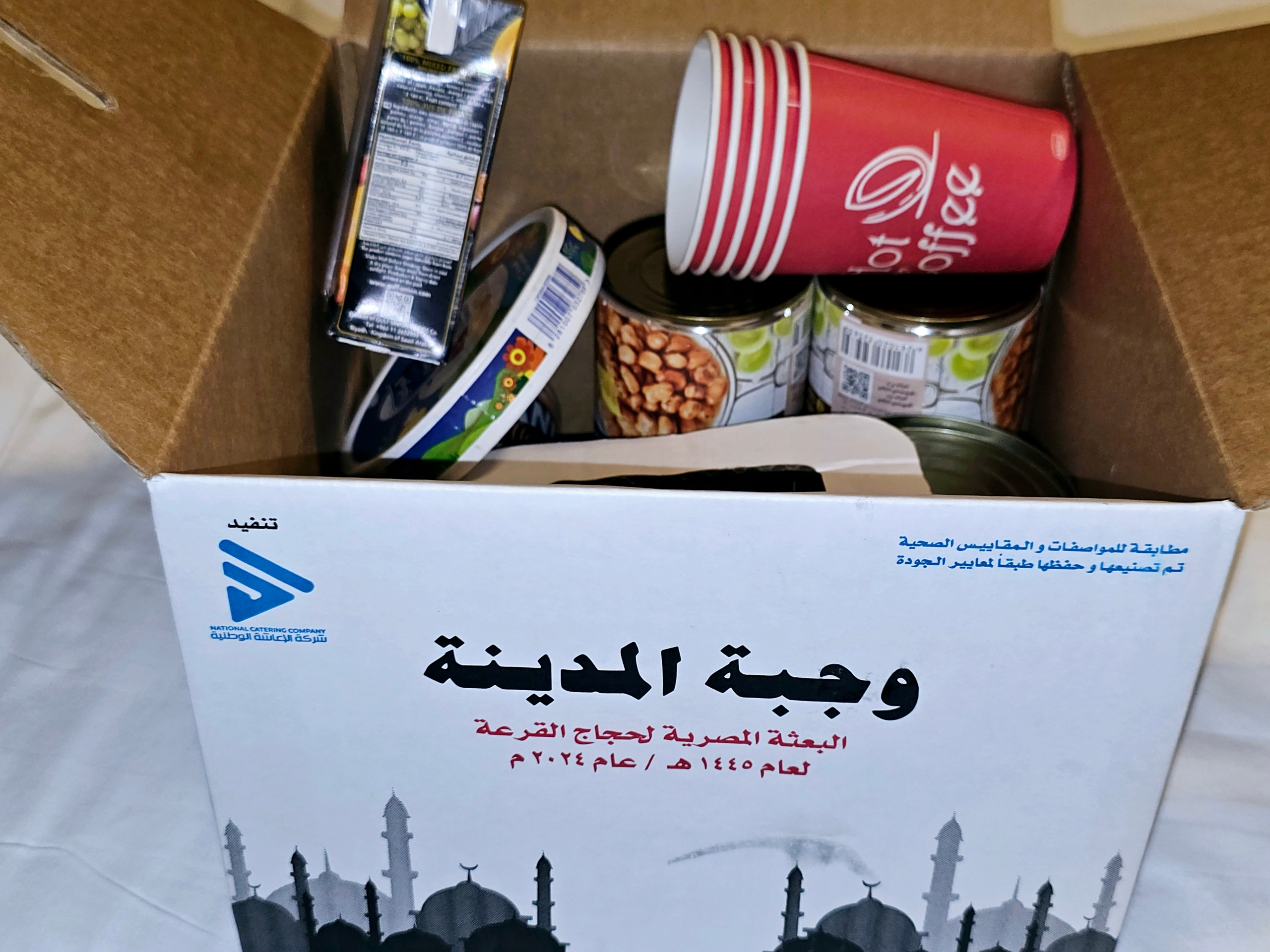
During the Hajj to Mecca, food becomes part of collective experience. Communal meals—dates, spiced rice, stewed meats—sustain millions and foster a shared rhythm.
Wherever it takes place, the food of pilgrimage tends to be modest, symbolic, and functional. It fuels movement, not indulgence.
Rule One: Pack Light, Eat Smart
Pilgrimage requires careful packing. The ideal foods are light, compact, and energy-dense. Some essentials:
- Nuts, seeds, dried fruits – High in minerals and calories.
- Hard bread or crackers – Long shelf life, adaptable for meals.
- Aged cheese – Durable source of protein and fat.
- Cured meat or dried legumes – Traditional, portable options.
- Dark chocolate – A morale booster with quick energy.
Industrial energy bars are convenient but often detached from local culinary traditions. Eating en route can also mean discovering regional foods and seasonal produce.
Morning: Starting with Purpose
Most pilgrimage days begin at sunrise. Breakfast serves as fuel, not formality.
On the Camino de Santiago, hostels typically offer “desayuno del peregrino”: toast, jam, coffee or milk. In Japan, temple lodgings serve warm miso soup and rice—a simple but nourishing combination.
Best practice: complex carbohydrates (bread, oats, rice) paired with protein (yogurt, eggs, cheese). Avoid refined sugars that cause energy spikes and crashes.
Midday: Fuel on the Move
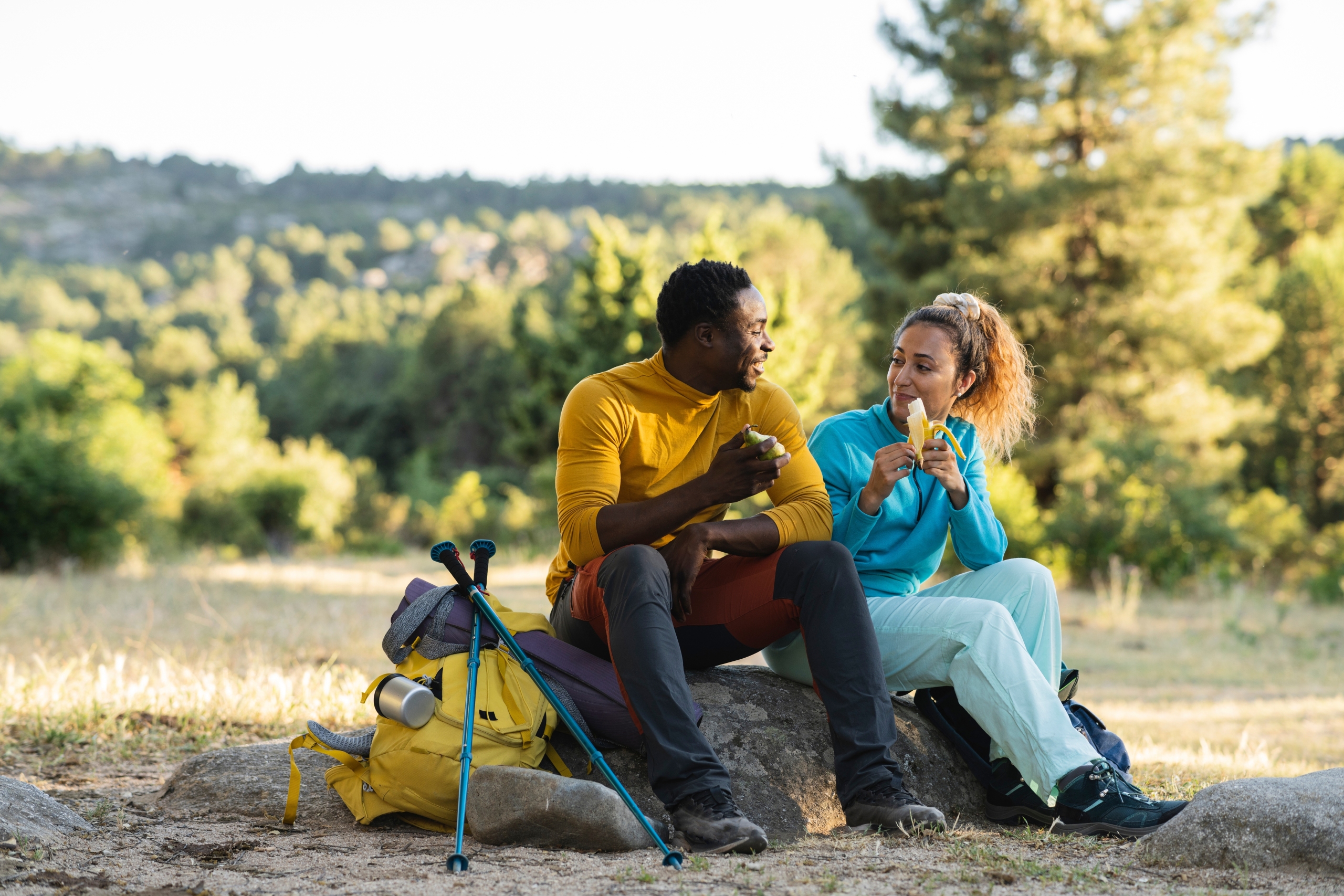
Lunch is often eaten quickly, on the trail. A sandwich—bread with cheese or vegetables—is a reliable staple. In Spain, a bocadillo with ham sustains walkers for hours. Fresh fruit or pre-cooked legumes offer lighter alternatives. In rural areas of the Camino, pilgrims may find fig or mulberry trees along the path.
Lunch is a short energy break, not a full meal.
Evening: Food as Community
Dinner is different. It signals the end of the day’s effort and offers a moment of connection.
On the Camino, many restaurants serve a “pilgrim’s dinner”: soup, salad, a main course of meat or fish, and wine. These communal meals, often among strangers, highlight the social dimension of pilgrimage.
In Japanese monasteries, evening meals are vegetarian and seasonally prepared—rice, tofu, local vegetables—served with ritual care. Meals here are both sustenance and quiet reflection.
Water and Wine
Hydration is non-negotiable. Regular water intake is essential, even without thirst.
In Europe, wine has long accompanied meals, partly for hygiene. On the Camino, some wineries still offer pilgrims a free glass. Moderation is key: alcohol may relax, but too much will impair the journey.
Food as Symbol
Food on pilgrimage carries layered meanings:
- Bread represents sustenance across many cultures, from ritual flatbreads to Christian Eucharistic traditions.
- Dates, especially in Islamic contexts, symbolize nourishment and thankfulness.
- Rice, across Asia, conveys purity and prosperity.
Eating on pilgrimage means entering a historical practice where food binds the spiritual with the physical.
Foods to Avoid
- Certain foods hinder rather than help:
- Heavily fried or fatty dishes – slow digestion and strain energy levels.
- Refined sugars – cause quick highs followed by fatigue.
- Excess caffeine or alcohol – dehydrate and reduce endurance.
The body on pilgrimage functions best with steady, clean fuel.
Sustainable Eating
Pilgrimage today intersects with environmental awareness. Choosing local, seasonal food reduces ecological impact. A tomato from a roadside garden carries more meaning—and fewer emissions—than a packaged snack transported across continents.
Food becomes a form of environmental engagement, connecting pilgrims with the regions they traverse.
In Conclusion: What to eat on pilgrimage? The best choices are:
- Light and nourishing
- Locally rooted
- Culturally meaningful
- Supportive of community and sustainability
A piece of shared bread, a handful of almonds at dusk, a hot bowl of soup after a long walk—these are not luxuries but integral parts of the experience.
Pilgrimage simplifies. Food follows that same logic: fewer distractions, more essentials. Walkers don’t need to reinvent how to eat. They need only remember what past travelers have long known—that nourishment is part of the path, as vital as the steps themselves.
AI Transparency Notice
PilgriMaps uses artificial intelligence tools to assist in the research, drafting and translation of editorial content. All AI-assisted content is reviewed, edited and verified by our editorial team before publication. We contrast information against primary sources, specialist literature and on-the-ground knowledge to ensure accuracy, cultural sensitivity and editorial integrity.
AI is one tool among many in our workflow. The judgement, curation and responsibility for everything published on this platform remain entirely human.
Viator Media S.L. — in compliance with the EU Artificial Intelligence Act (Regulation EU 2024/1689).
This post is also available in: