Lombok, an island east of Bali in Indonesia’s Lesser Sunda chain, presents a complex and layered religious geography. Despite its proximity to heavily touristed Bali, Lombok retains a quieter cultural rhythm shaped by the interplay of indigenous Sasak traditions, Islam, and Balinese Hinduism. The island’s pilgrimage practices reveal a nuanced spectrum of devotion — rooted not in uniformity, but in coexisting interpretations of sacred space.
Mount Rinjani and Segara Anak: A volcanic pilgrimage axis
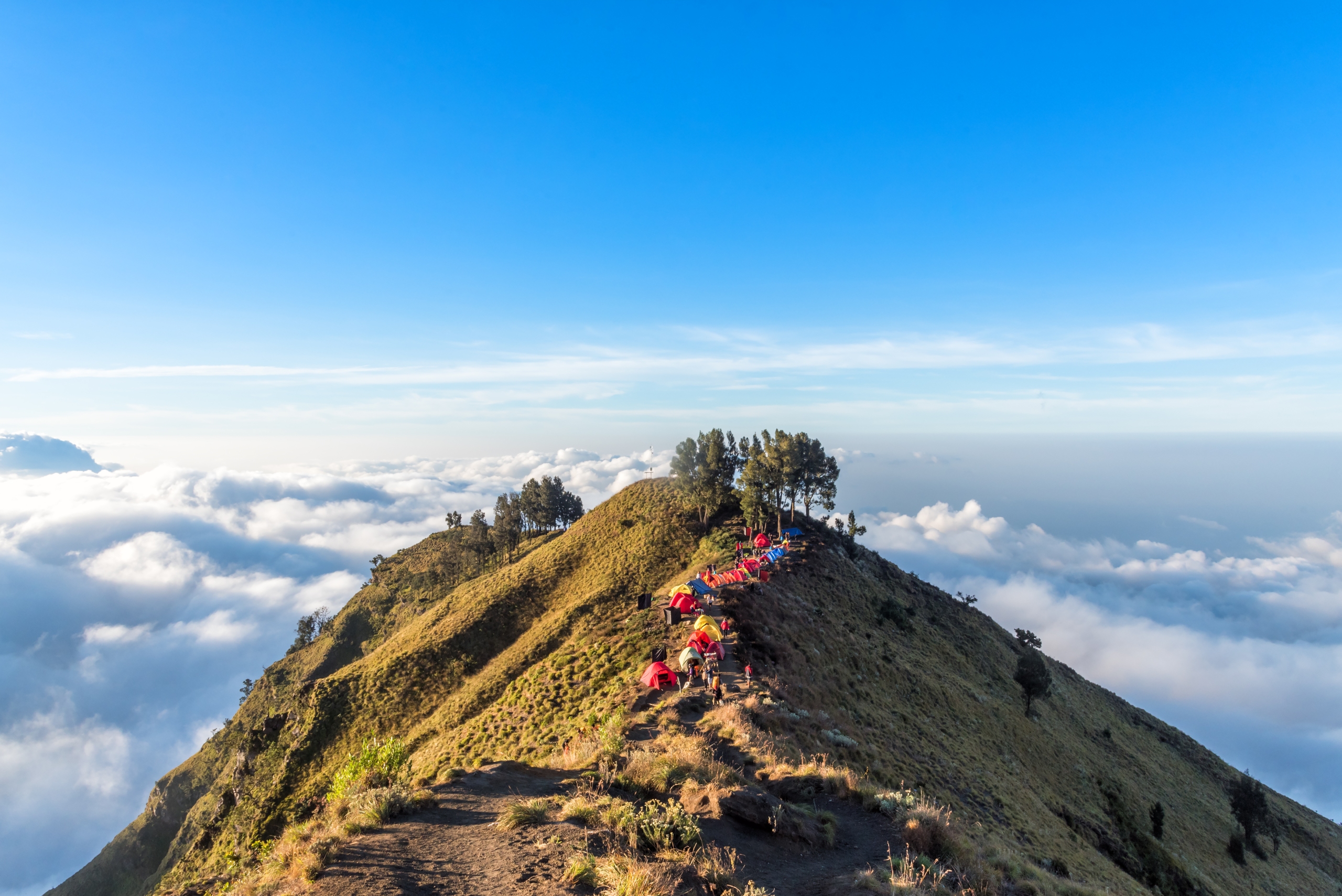
Towering at 3,726 meters, Mount Rinjani dominates Lombok’s physical and spiritual landscape. This active stratovolcano is not merely a geological force but a site of ongoing ritual significance. At its summit lies Segara Anak, a crater lake whose name means “Child of the Sea.” The lake and its surroundings form the focal point of a major pilgrimage route, especially for Balinese Hindus, who view the mountain as one of Indonesia’s holiest sites.
Annually, pilgrims ascend Rinjani to collect tirta — holy water — from the crater lake. This water, believed to possess purifying properties, is carried back to temples across Bali and Lombok. The journey is physically taxing, often requiring two to three days of hiking through rugged terrain and high-altitude conditions. The climb itself forms part of the spiritual undertaking, aligning with a worldview in which proximity to nature and hardship strengthens the devotional act.
This ritual reflects the continuation of Hindu cosmology across the archipelago, even outside its dominant centers. It also serves as a form of cultural continuity for Balinese diasporic communities in Lombok, maintaining ties to ancestral practices while adapting them to new geographies.
Lingsar Temple: A convergence of faiths
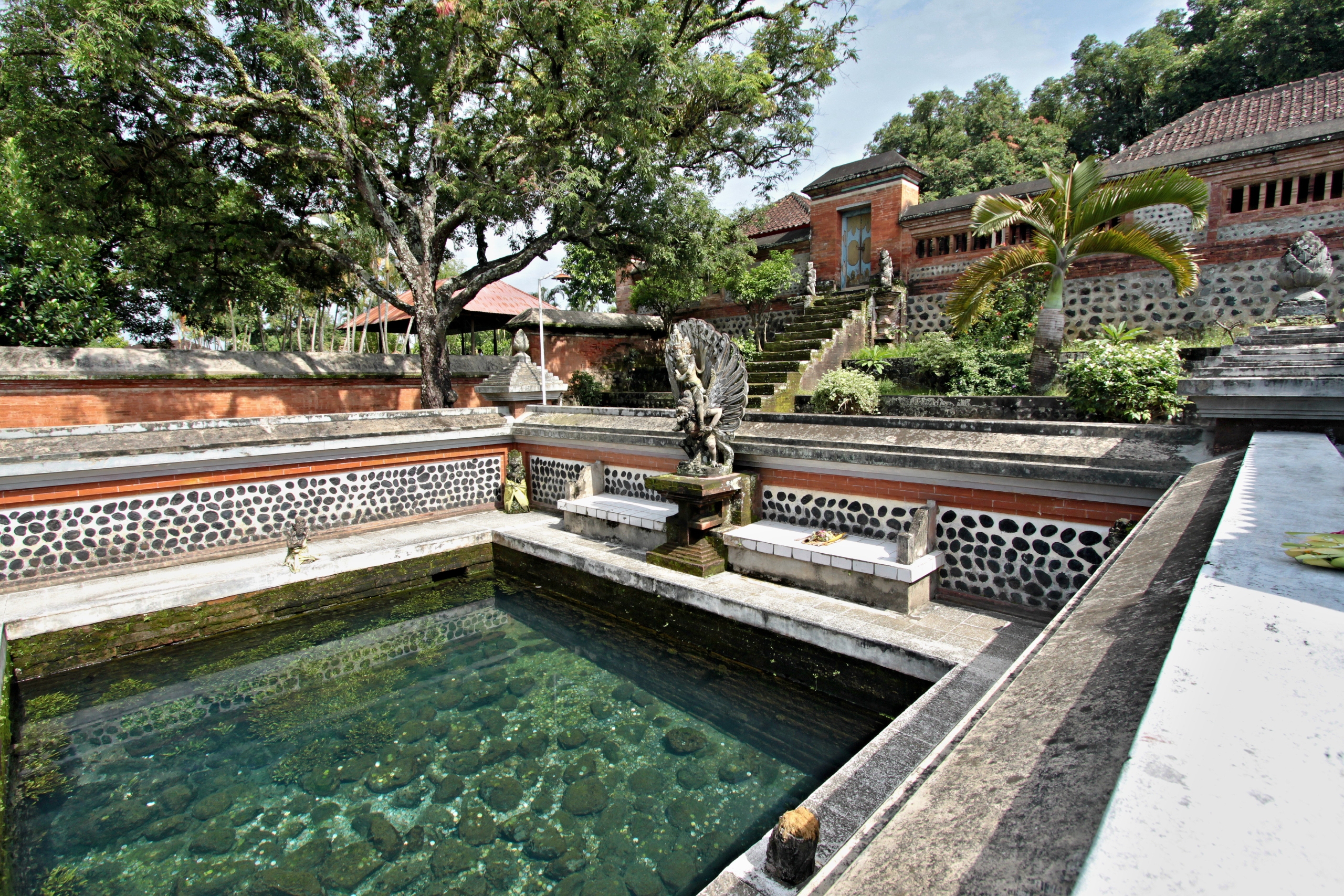
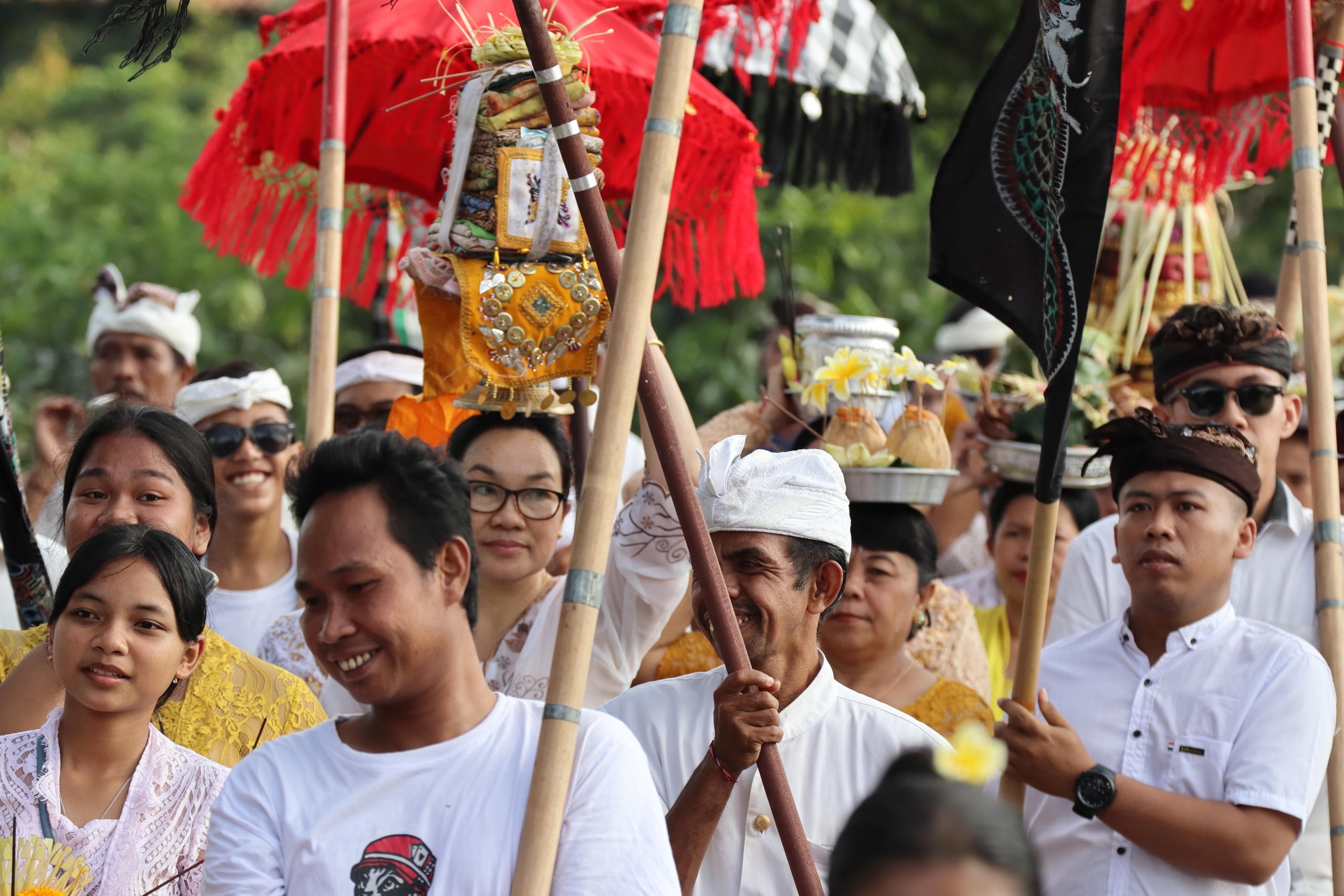
In western Lombok, the Lingsar Temple Complex offers a markedly different model of pilgrimage—one centered on intercommunal observance. Constructed in 1714 under Balinese rule, Lingsar today functions as a shared sacred site for both Balinese Hindus and Muslim Sasaks, Lombok’s majority ethnic group.
The temple is physically divided yet ritually interconnected. The northern section adheres to Balinese Hindu temple architecture, while the southern section is used by the Sasak community, whose religious practices often blend Islamic belief with local adat (customary law). Pilgrims from both groups visit the temple during the annual Perang Topat festival, a ritualized rice cake battle symbolizing gratitude for agricultural abundance. Despite differing theological frameworks, participants invoke shared ancestral spirits and perform parallel acts of devotion — demonstrating the persistence of cross-cultural reverence in a formally divided society.
Lingsar’s significance lies not in doctrinal synthesis but in ritual coexistence. It offers a rare example of a pilgrimage site where boundaries are not erased but traversed, negotiated, and ritually reaffirmed.
Sacred tombs and Wali shrines: Vernacular pilgrimage
In addition to these well-documented sites, Lombok hosts a network of maqam, or tomb-shrines, dedicated to Muslim saints known locally as Wali. These figures, often local Islamic teachers or mystics, are venerated for their piety, charisma, and historical role in spreading Islam across the island. Their tombs—frequently marked by simple whitewashed structures and shaded by banyan trees—attract both Muslim pilgrims and non-Muslim visitors seeking blessings, healing, or protection.
Among the most visited is the tomb of TGH Abdul Majid, a prominent 19th-century scholar credited with consolidating Islamic education in Lombok. Pilgrims typically perform ziyarah, a visit to the tomb involving quiet prayer, offerings, and recitation of Qur’anic verses. While the practice aligns with broader patterns of saint veneration in Southeast Asian Islam, it also reflects the distinct localization of faith, where spiritual authority is rooted in personal lineage and regional memory rather than institutional hierarchies.
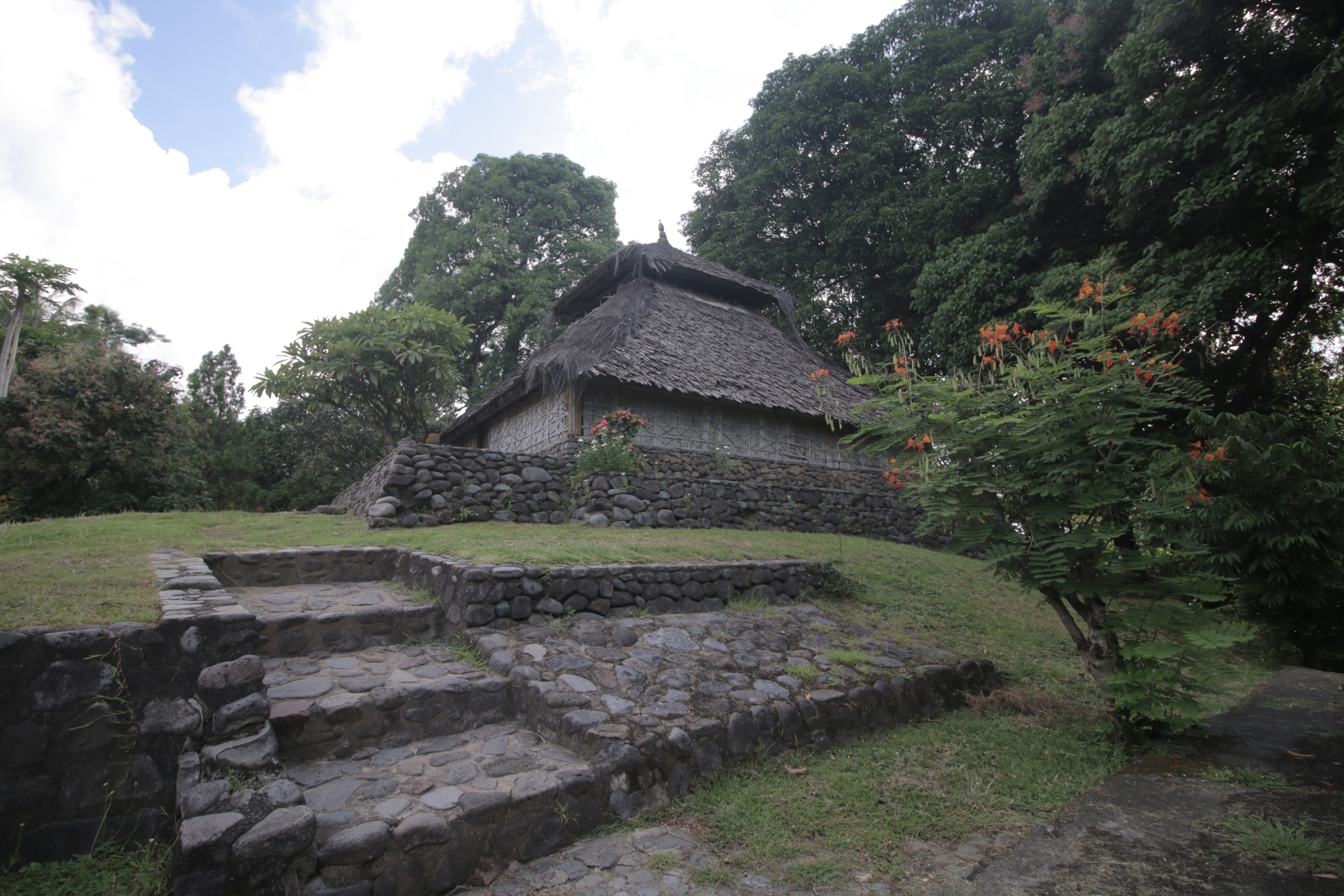
These shrines function as vernacular pilgrimage sites — unofficial yet deeply embedded in the island’s religious life. Their popularity underscores how sacred geographies often evolve outside state-sanctioned or doctrinally uniform frameworks.
A plural landscape of devotion
Pilgrimage in Lombok resists easy categorization. It spans volcanic peaks, temple courtyards, and unassuming village tombs. While some journeys are bound by ritual orthodoxy, others blur the lines between traditions, weaving together belief, custom, and landscape. Lombok’s sacred sites illustrate a living, pluralistic heritage—where devotion is not the exclusive domain of a single faith but a shared human orientation toward the sacred.
In a region frequently described through religious boundaries, Lombok offers a contrasting narrative: one where pilgrimage becomes a point of convergence, even amid difference.
AI Transparency Notice
PilgriMaps uses artificial intelligence tools to assist in the research, drafting and translation of editorial content. All AI-assisted content is reviewed, edited and verified by our editorial team before publication. We contrast information against primary sources, specialist literature and on-the-ground knowledge to ensure accuracy, cultural sensitivity and editorial integrity.
AI is one tool among many in our workflow. The judgement, curation and responsibility for everything published on this platform remain entirely human.
Viator Media S.L. — in compliance with the EU Artificial Intelligence Act (Regulation EU 2024/1689).
This post is also available in: