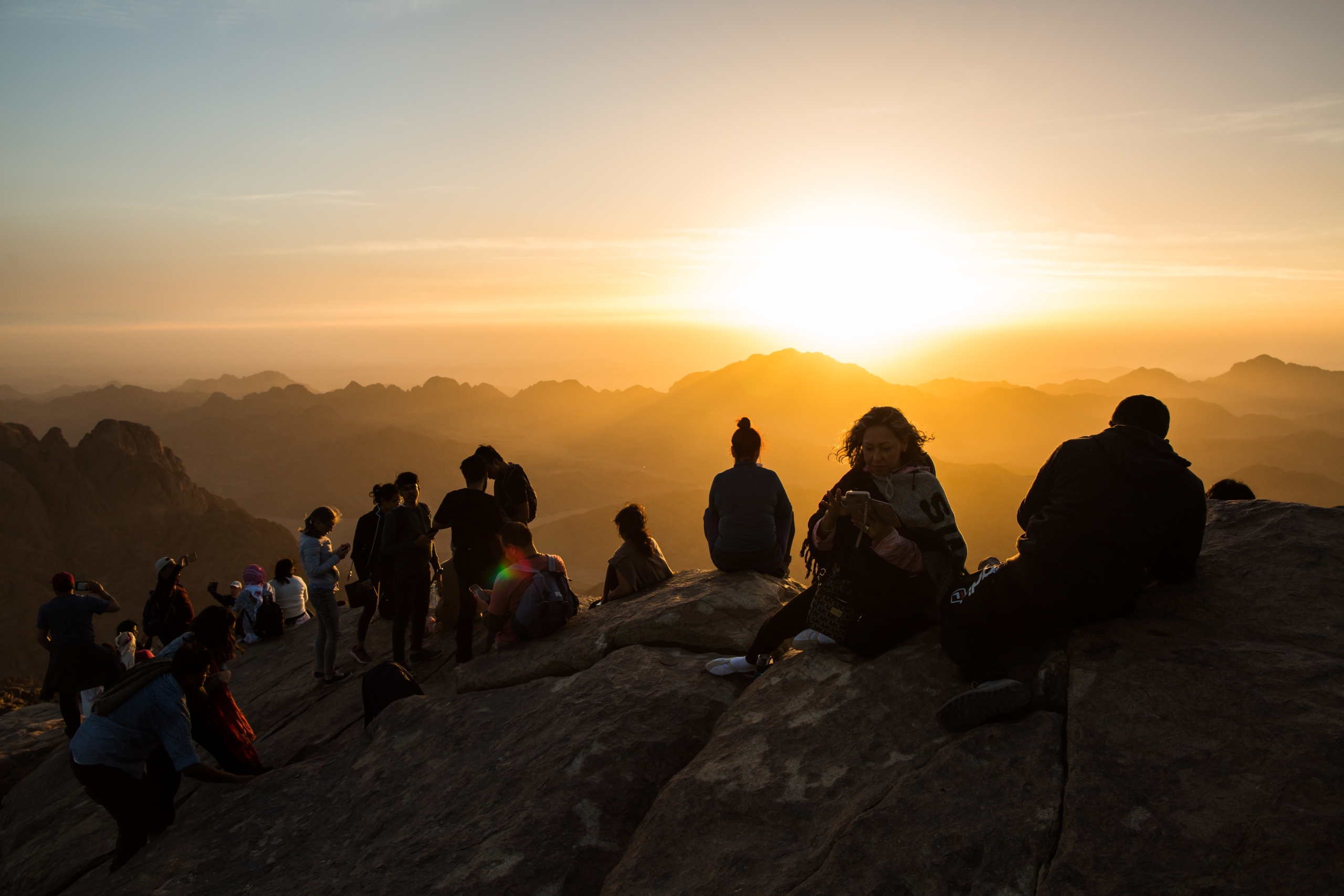
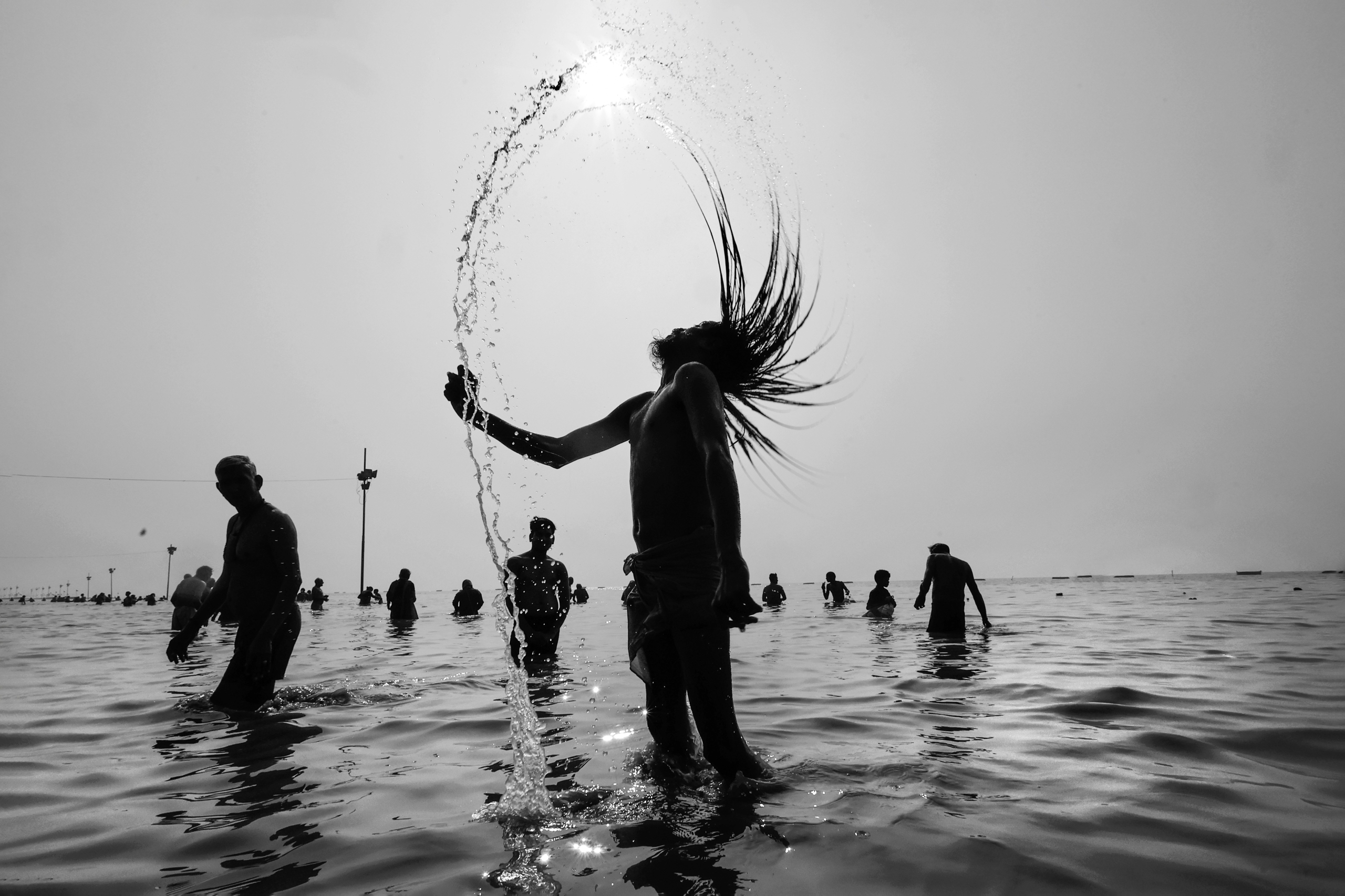
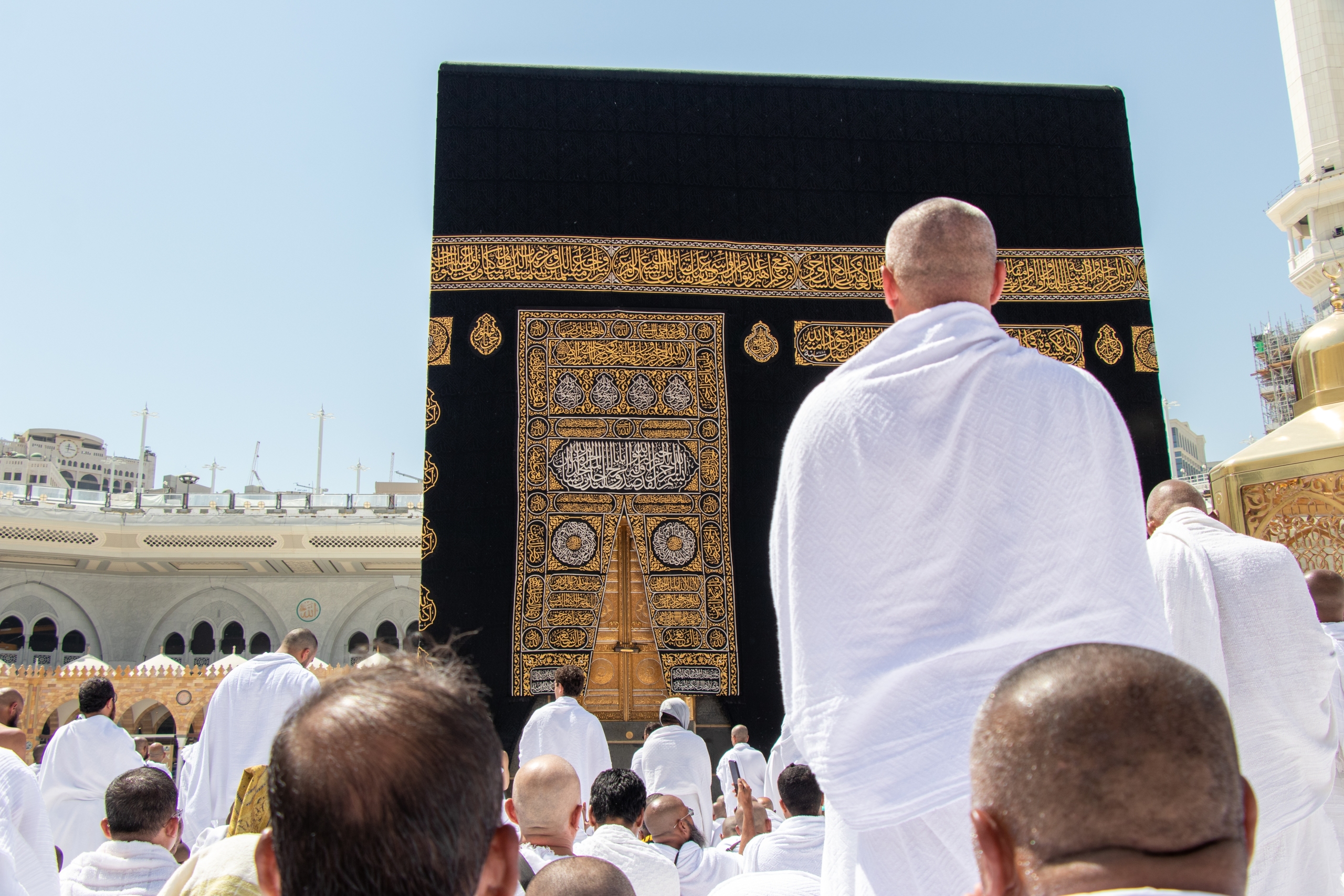
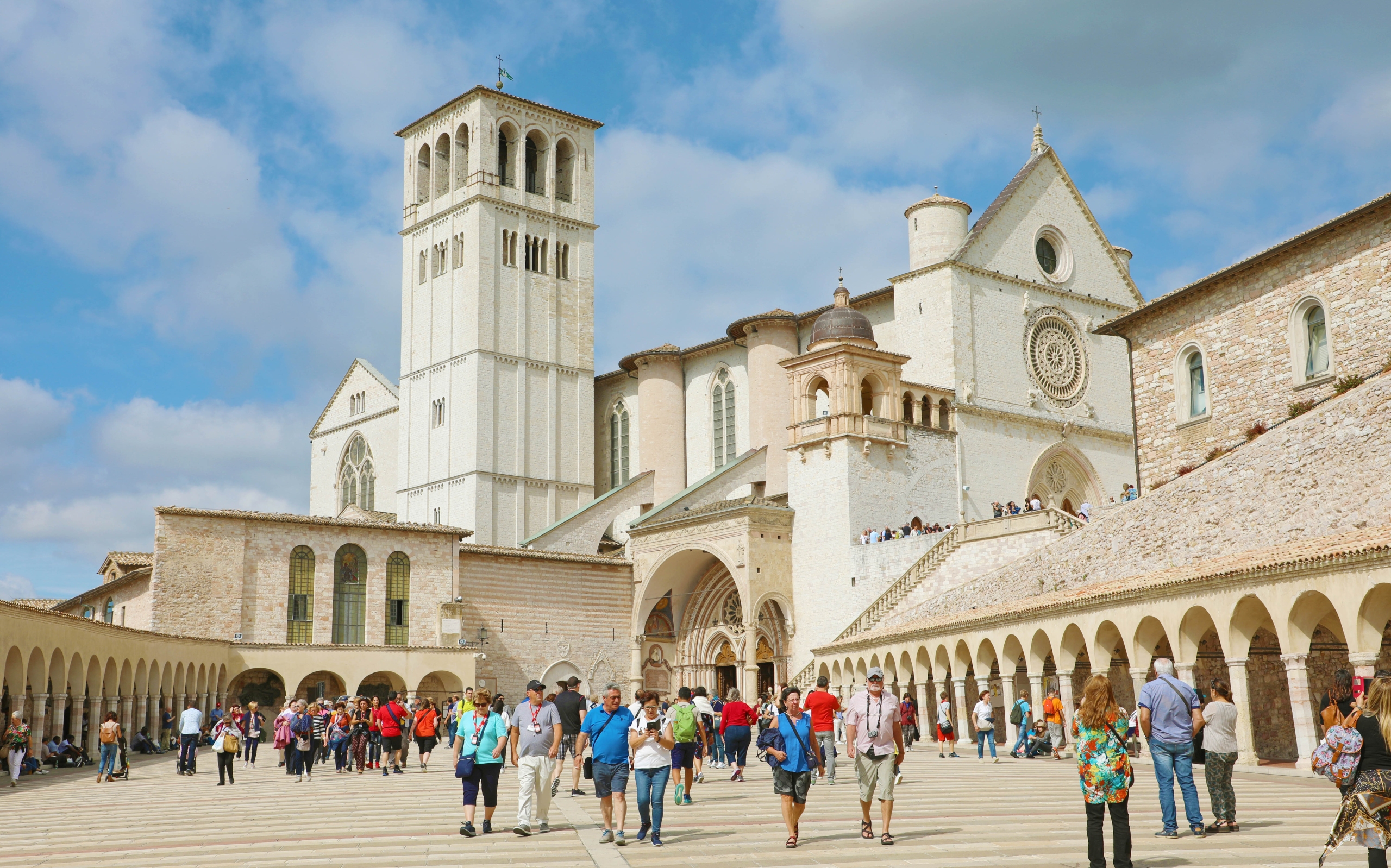
At dawn, as the bells of the Basilica of Saint Francis break the early silence over Assisi, thousands of pilgrims arrive at the cathedral after a long journey from the sanctuary of La Verna. At that same hour, on the other side of the world, millions of Muslims perform the tawaf around the Kaaba in Mecca, while Hindu devotees immerse themselves in the Ganges during the Kumbh Mela. Though separated by geography and tradition, these scenes share a common essence: pilgrimage as a transformative rite of passage.
Pilgrimage transcends religious boundaries, emerging as one of the most profound expressions of the human quest for meaning, connection, and renewal. As an anthropological phenomenon, it is not simply a physical journey—it is a complex psychological and social process that enables transitions between states of being, facilitates reconnection with perceived sacredness, and catalyzes changes in both individual and collective identity.
Ancestral Foundations of Sacred Seeking
The roots of pilgrimage stretch back to the earliest civilizations. Archaeological evidence attests to pre-classical forms of sacred travel, including in ancient Egypt, where the mortuary center of Abydos became a destination for affluent Egyptians wishing to honor Osiris.
The word pilgrim derives from the Latin peregrinus—formed from per (through) and ager (land or field)—and referred to a foreigner or traveler. This etymology underscores the liminal nature of pilgrimage: a transitional state of being “between worlds,” which characterizes its transformative experience.
In 1909, French anthropologist Arnold van Gennep outlined the tripartite structure of rites of passage: separation, transition, and reintegration—corresponding to the pre-liminal, liminal, and post-liminal phases. Pilgrimage exemplifies this model, making it one of the most universal and enduring rites of passage in human culture.
The Psychological Architecture of Transformation
Contemporary research has shown that pilgrimage can foster transformative experiences, including catharsis, personal growth, and renewed identity. This transformation operates on multiple levels: biological, psychological, social, and existential.
Studies from Stanford University suggest that walking decreases activity in the medial prefrontal cortex, the region of the brain linked to rumination and negative thought patterns. Time spent in nature lowers cortisol levels and boosts endorphins, dopamine, and serotonin.
Mindfulness practices along pilgrimage routes contribute to greater self-awareness and emotional resilience. Many pilgrims report enhanced appreciation for elemental experiences: fresh air, filtered sunlight, shared meals, or companionship along the way.
A Global Mosaic of Pilgrimage Traditions
The Hajj: Convergence in the Islamic World
The Hajj is one of the five pillars of Islam, required once in a lifetime for those physically and financially able. It commemorates events in the life of Abraham and his family, central figures in Islamic tradition, and represents collective devotion, discipline, and unity.
Sociological studies of the Hajj highlight its transformative effects, both individually and communally. Participation often shifts religious outlooks from localized practices toward a more global Islamic consciousness, fostering tolerance and a broader sense of identity.
The Hajj also enables pilgrims to encounter diverse cultural expressions of Islam, strengthening a sense of belonging to a wider religious community.
The Camino de Santiago: A Western Route of Introspection
Declared one of the three great Christian pilgrimages by Pope Alexander VI in 1492, alongside Jerusalem and the Via Francigena to Rome, the Camino de Santiago was added to the UNESCO World Heritage List in 1987. It stands as a testament to historical cultural exchange across Europe.
One of its enduring symbols is the scallop shell of Saint James, often worn or attached to a backpack. Its radiating grooves metaphorically represent the many paths and challenges converging on the same destination.
Kumbh Mela: Hinduism’s Collective Convergence
Kumbh Mela is one of the largest gatherings in the world, drawing millions to bathe in sacred rivers during astrologically significant periods. While references appear in ancient Hindu texts, its modern form evolved under British colonial rule, facilitated by railway expansion.
It demonstrates the pluralism of Hindu tradition, drawing participants from across linguistic, caste, and regional backgrounds into a single, shared experience.
Buddhism: The Four Sacred Sites
Buddhists identify four principal sites for pilgrimage: Lumbini (birth), Bodh Gaya (enlightenment), Sarnath (first sermon), and Kushinagar (death). Each corresponds to a defining moment in the life of the historical Buddha.
Mount Kailash in Tibet holds overlapping significance for multiple traditions. Hindus associate it with Shiva, while for Buddhists, it represents the axis mundi. Pilgrims circumambulate the mountain without attempting to summit it, respecting its sacred status.
The Neurophysiology of Transformational Journeys
Emerging research supports the therapeutic effects of pilgrimage, demonstrating benefits across biological, cognitive, and emotional dimensions.
Modern life—characterized by screen saturation, overstimulation, and sedentary routines—can produce mental and emotional fatigue. Physical movement facilitates emotional processing and stress relief. Pilgrimage intensifies these effects through intentionality, symbolic meaning, and immersion in unfamiliar settings.
The liminal experience of pilgrimage activates neural pathways associated with neuroplasticity and cognitive reorganization. Being “between worlds” allows the brain to form new synaptic connections, fostering lasting shifts in perspective and behavior.
Collective Dimensions and Shared Ritual
Community plays a central role in pilgrimage. Shared meals, common rituals, and informal conversations along the route create bonds among participants. These experiences reinforce collective identity and the sense of participating in something larger than oneself.
Many pilgrims return for a second or third journey, drawn back by the transformative effects and the sense of continuity it offers.
Even the most traditionally authorized sacred sites evoke different meanings for different pilgrims, especially across cultures. This diversity adds richness to the collective experience, creating a shared yet multifaceted ritual framework.
Pilgrimage as Emerging Therapeutic Practice
In recent decades, definitions of pilgrimage have expanded beyond traditional religious landscapes. A growing number of people now embark on secular or symbolic journeys aimed at psychological renewal and personal clarity.
While any long-distance walking tour can offer therapeutic benefits, pilgrimage involves additional layers of meaning, intention, and ritual, offering a unique framework for addressing existential or emotional challenges.
Mental health professionals are increasingly recognizing the value of structured pilgrimage experiences as tools for healing, mindfulness, and self-discovery.
Universal Symbols and Archetypes
Symbols commonly associated with pilgrimage—such as the scallop shell—resonate across cultural boundaries. These objects serve as transitional anchors, helping individuals navigate emotional or existential change.
Such symbols often represent rebirth or new beginnings, functioning as psychological tools that stabilize and give meaning to periods of uncertainty.
Lasting Impact and Social Reintegration
The effects of pilgrimage extend beyond the individual. Anthropological studies on post-Hajj life reveal how internal transformations influence social roles within families and communities.
Many pilgrims report a renewed sense of responsibility to share insights gained during the journey. This form of “apostolic return”—though non-doctrinal—reflects the broader social significance of individual transformation.
No one returns unchanged. Pilgrimage imprints itself on memory and identity, shaping worldviews and fostering lifelong values. Its capacity to redefine personal and communal narratives confirms its role as a rite of passage in every sense.
Pilgrimage in the 21st Century: Continuity and Adaptation
In the digital age, pilgrimage has undergone a revival. Infrastructure improvements from the 19th century onward laid the foundation, but recent advances in transportation and communication have made ancient routes more accessible than ever.
A distinctly modern form, the cultural pilgrimage, reflects a secular impulse toward sites of historical, artistic, or national significance. Though not religious in nature, these journeys often fulfill similar psychological and existential needs.
In a world marked by acceleration and distraction, pilgrimage offers a counter-rhythm. Walking toward a meaningful destination—whether sacred or symbolic—invites intentionality, presence, and reflection.
At the Threshold of Transformation
Across traditions and time periods, pilgrimage persists as a response to the enduring human desire for transition, transcendence, and reconnection. Its universality lies in its capacity to guide individuals through life changes and crises in a structured, meaningful way.
These journeys lead to “hyper-significant” places—set apart from ordinary life—where pilgrims seek transformation, insight, or closure. In walking these ancient paths, they participate in an age-old process that continues to evolve in form while remaining constant in purpose.
The emotional resonance of pilgrimage extends far beyond the moment of travel, becoming a source of resilience, clarity, and direction. As a rite of passage, it transforms not only those who walk, but also the communities they return to—sustaining a cycle of renewal that has shaped human culture for millennia.
AI Transparency Notice
PilgriMaps uses artificial intelligence tools to assist in the research, drafting and translation of editorial content. All AI-assisted content is reviewed, edited and verified by our editorial team before publication. We contrast information against primary sources, specialist literature and on-the-ground knowledge to ensure accuracy, cultural sensitivity and editorial integrity.
AI is one tool among many in our workflow. The judgement, curation and responsibility for everything published on this platform remain entirely human.
Viator Media S.L. — in compliance with the EU Artificial Intelligence Act (Regulation EU 2024/1689).
This post is also available in: