In Romania’s remote valleys, where wooden churches rise between fir-covered slopes and ancient monasteries stand in silence, a slow-cooked dish carries unexpected meaning. Along the spiritual trails of the Carpathians, where travelers walk not in search of miracles but of stillness and self-reconnection, the humble sarmale—cabbage rolls—has become a subtle medium of presence and reflection.
A Dish that Carries Memory
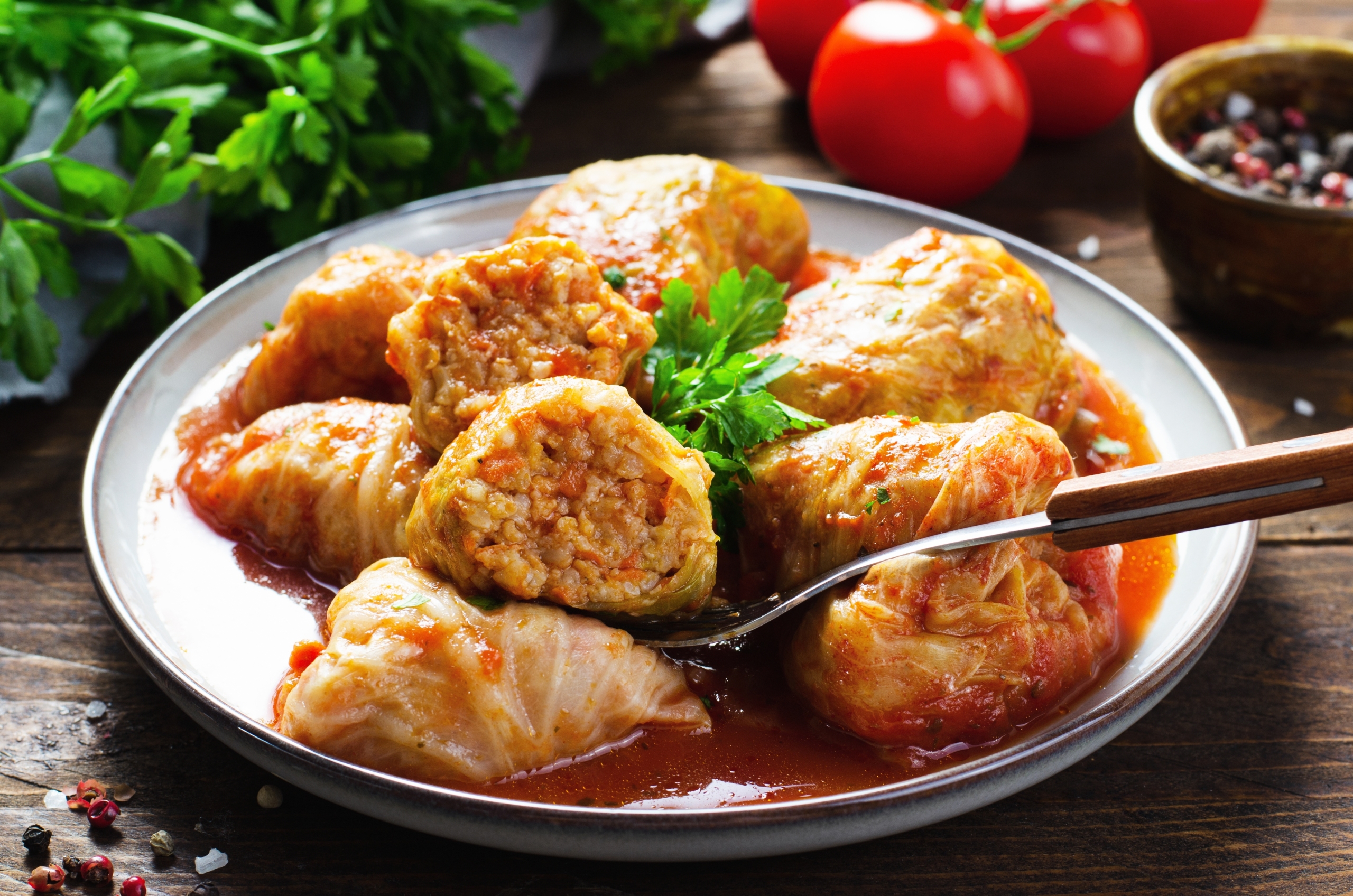
Sarmale are cabbage leaves filled with minced pork, rice, onions, and herbs. They are slow to prepare and rooted in rural tradition. Long associated with winter holidays, family gatherings, and village kitchens, they represent a deeply regional identity shaped by seasonality and subsistence.
Far from culinary trends, their process resists speed. Preparing them demands focus and care—qualities that increasingly resonate in a world seeking grounding experiences. “Each roll is a conscious act,” says Ana Ionescu, a cook who leads silent retreats in Maramureș villages. “It’s a way to slow down, to come back into the body.”
Cooking as Contemplative Practice
In Bucovina, northern Romania, spiritual retreats often combine silent walking with communal cooking. Groups gather in monasteries to prepare food together—without speaking. The process becomes a form of mindfulness: selecting the right leaf, adjusting the filling, folding the cabbage with precision.
“In most contexts, cooking is a task. Here, it becomes a form of attention,” explains Tudor Mihăilă, a facilitator who founded Cammino e Cucina, a program combining walking routes with local culinary practices. After a day of movement and shared labor, sitting at the table takes on deeper significance—regardless of belief system. The meal becomes a collective pause.
Culinary Pilgrimage in Practice
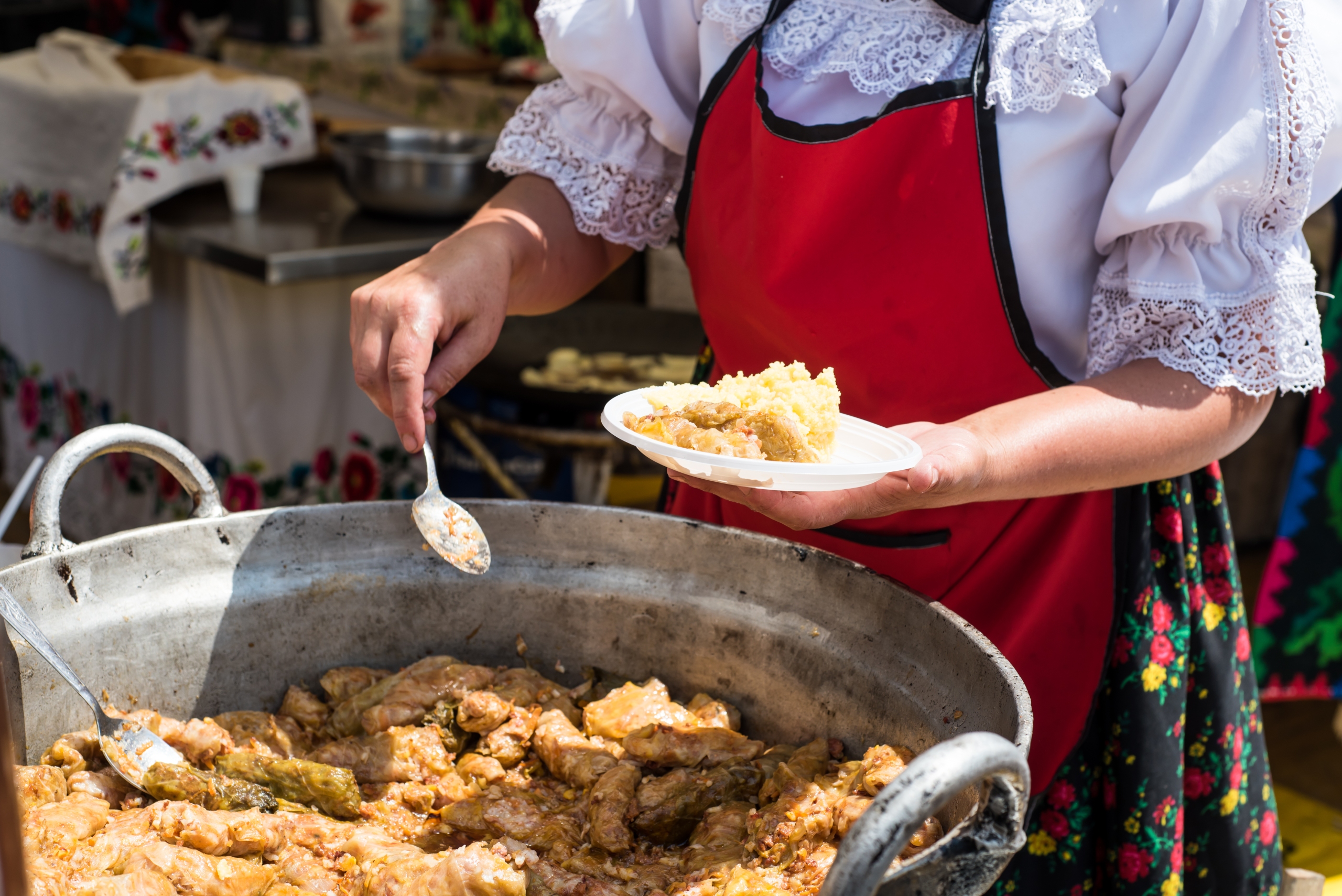
In recent years, a new form of slow travel has emerged: culinary pilgrimage. Visitors seek immersion, not consumption. They want to cook, to learn, and to connect with place through its flavors and techniques. In Romania, routes like the Cammino di Ștefan weave through monastic sites and villages where travelers can cook alongside locals, forage for herbs, and learn the steps of fermentation.
“My grandmother made sarmale every Sunday,” recalls Ruxandra, a retreat participant from Milan. “Making them now, on a walking journey, with others—it’s like hearing her voice again.”
The Element of Time
The defining element of sarmale is time. The fermented cabbage leaves must be selected carefully. The filling must rest. The rolls simmer for hours, slowly, often layered with broth, bay leaf, and tomato. Their scent—earthy, warm, familiar—permeates the kitchen like memory itself.
In this slow rhythm, the dish becomes more than sustenance. It reflects the tempo of nature and seasonal cycles. Each ingredient tells a story of preservation, patience, and continuity.
A Rural Revival
Romanian cuisine has recently drawn interest beyond its borders, especially from travelers seeking authenticity in agrarian traditions. The appeal lies in the tactile, unmediated nature of rural cooking. Guests want to knead dough, roll cabbage, and experience the richness of culinary simplicity.
What emerges is not nostalgia, but a renewed respect for slow methods. Sarmale, once linked solely to religious feasts, now serve as a bridge between past and present, solitude and community.
Silent Tables, Shared Experience
Each summer, in the forests near Putna Monastery, small groups gather for a three-day experience of walking, silence, and shared meals. There are no phones, no schedules. The evenings end in a kitchen, where participants prepare dinner together—sarmale, naturally. There is little talk. The soundscape is minimal: the knife on the board, the quiet bubbling of broth, the crackle of firewood.
When the rolls are finally served, the table is quiet. There is no instruction, only the slow unfolding of presence. “You don’t need conversation,” says Mihăilă. “You just need the food.”
Traditional Romanian Sarmale
- Ingredients
Fermented cabbage leaves
500g minced pork
100g rice
1 onion, finely chopped
Herbs: thyme, bay leaf, black pepper
Tomato sauce
Salt and oil
- Preparation
Rinse the cabbage leaves and remove their tough central veins. Mix the meat, rice, onion, and seasonings. Place a spoonful of filling in each leaf and roll tightly. Layer the rolls in a pot, interspersed with tomato sauce and leftover cabbage leaves. Add water to cover. Simmer on low heat for 2–3 hours. Serve hot with sour cream and rustic bread.
More Than a Recipe
Every culture holds a dish that expresses care through preparation. In Romania, that dish is sarmale. Once reserved for celebration, it now carries broader meaning. Cooking it—slowly, intentionally, in community—becomes a journey in itself.
Through its scent, its texture, its unhurried pace, sarmale invites a return to simplicity. It is food shaped by memory and served with presence. No interpretation is required. Just time, silence, and perhaps a shared table.
AI Transparency Notice
PilgriMaps uses artificial intelligence tools to assist in the research, drafting and translation of editorial content. All AI-assisted content is reviewed, edited and verified by our editorial team before publication. We contrast information against primary sources, specialist literature and on-the-ground knowledge to ensure accuracy, cultural sensitivity and editorial integrity.
AI is one tool among many in our workflow. The judgement, curation and responsibility for everything published on this platform remain entirely human.
Viator Media S.L. — in compliance with the EU Artificial Intelligence Act (Regulation EU 2024/1689).
This post is also available in: