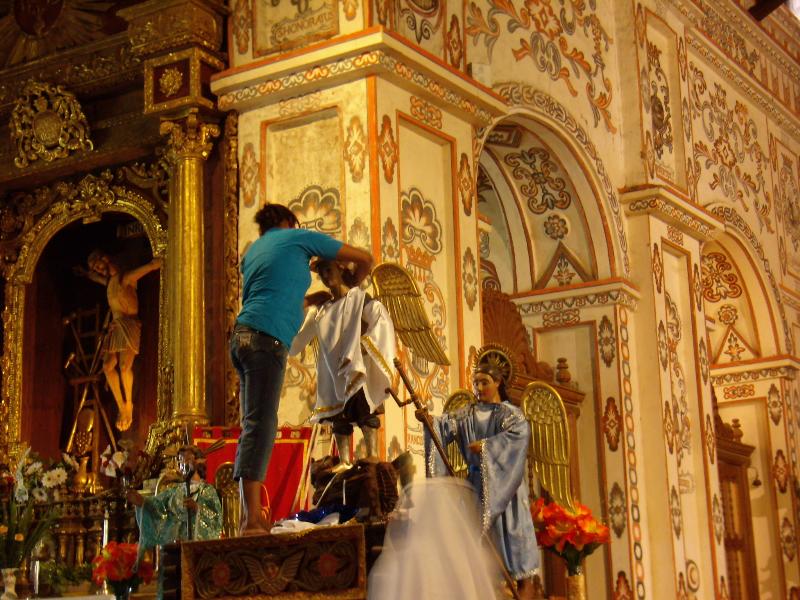
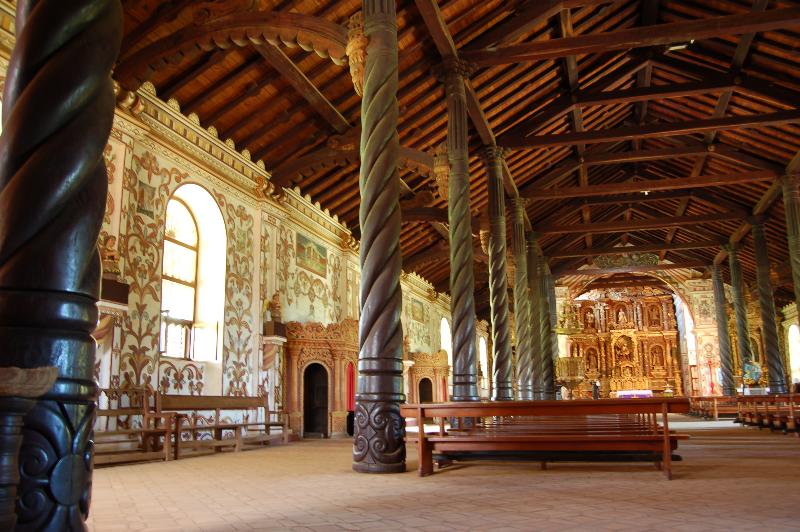
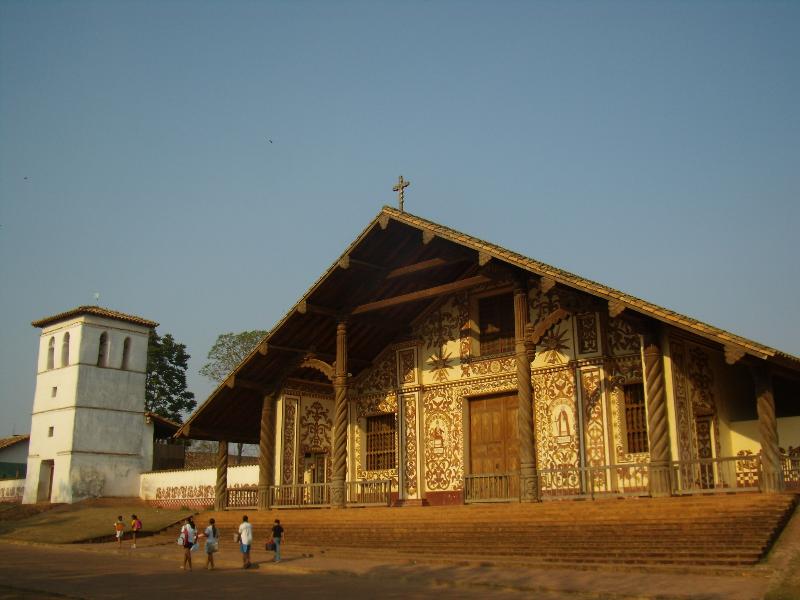
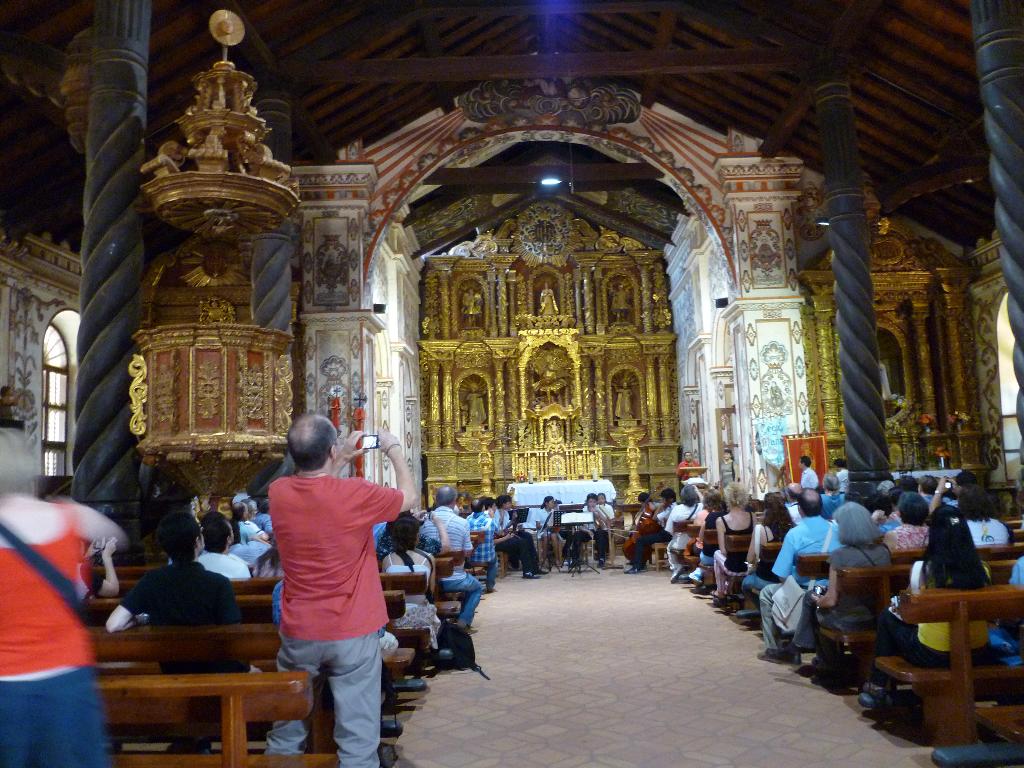
The Mission of San Miguel de Velasco, founded in 1721 by the Jesuit priests Francisco Hervás and Felipe Suarez, is an outstanding example of the architectural and cultural heritage of the Jesuit missions in Bolivia. Located in a privileged natural environment, surrounded by rivers and Chiquitano valleys, this mission stands out for its church, built between 1750 and 1760 according to the model of the architect Martin Schmid. The restoration carried out between 1979 and 1983 by the Franciscans, under the direction of the Swiss Hans Roth, has preserved the original characteristics of the Jesuit style. Its gilded altar and mural paintings are considered unique in the region and contribute to the uniqueness of this missionary complex.
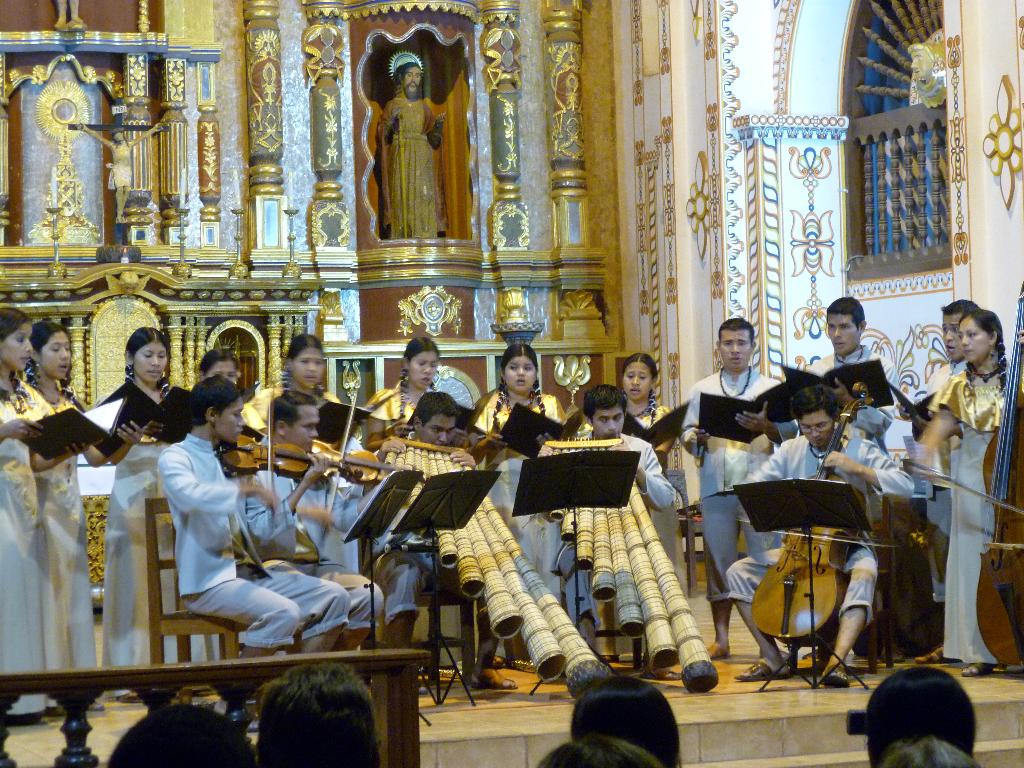
In addition to its architectural value, San Miguel de Velasco plays an important role in the music route of Bolivia. As part of the Jesuit Missions of Chiquitos, declared a World Heritage Site by UNESCO, this mission has been the scene of festivals and musical events that highlight the rich baroque tradition of the region. Music, along with other cultural manifestations, is an integral part of San Miguel’s heritage and attracts visitors interested in exploring both its architectural history and its vibrant music scene.
-
- Address
822J+V9M, San Miguel, Bolivia - Web
None - Visiting Hours
Unknown - What to see
Jesuit church with unique paintings
- Address

AI Transparency Notice
PilgriMaps uses artificial intelligence tools to assist in the research, drafting and translation of editorial content. All AI-assisted content is reviewed, edited and verified by our editorial team before publication. We contrast information against primary sources, specialist literature and on-the-ground knowledge to ensure accuracy, cultural sensitivity and editorial integrity.
AI is one tool among many in our workflow. The judgement, curation and responsibility for everything published on this platform remain entirely human.
Viator Media S.L. — in compliance with the EU Artificial Intelligence Act (Regulation EU 2024/1689).
This post is also available in: