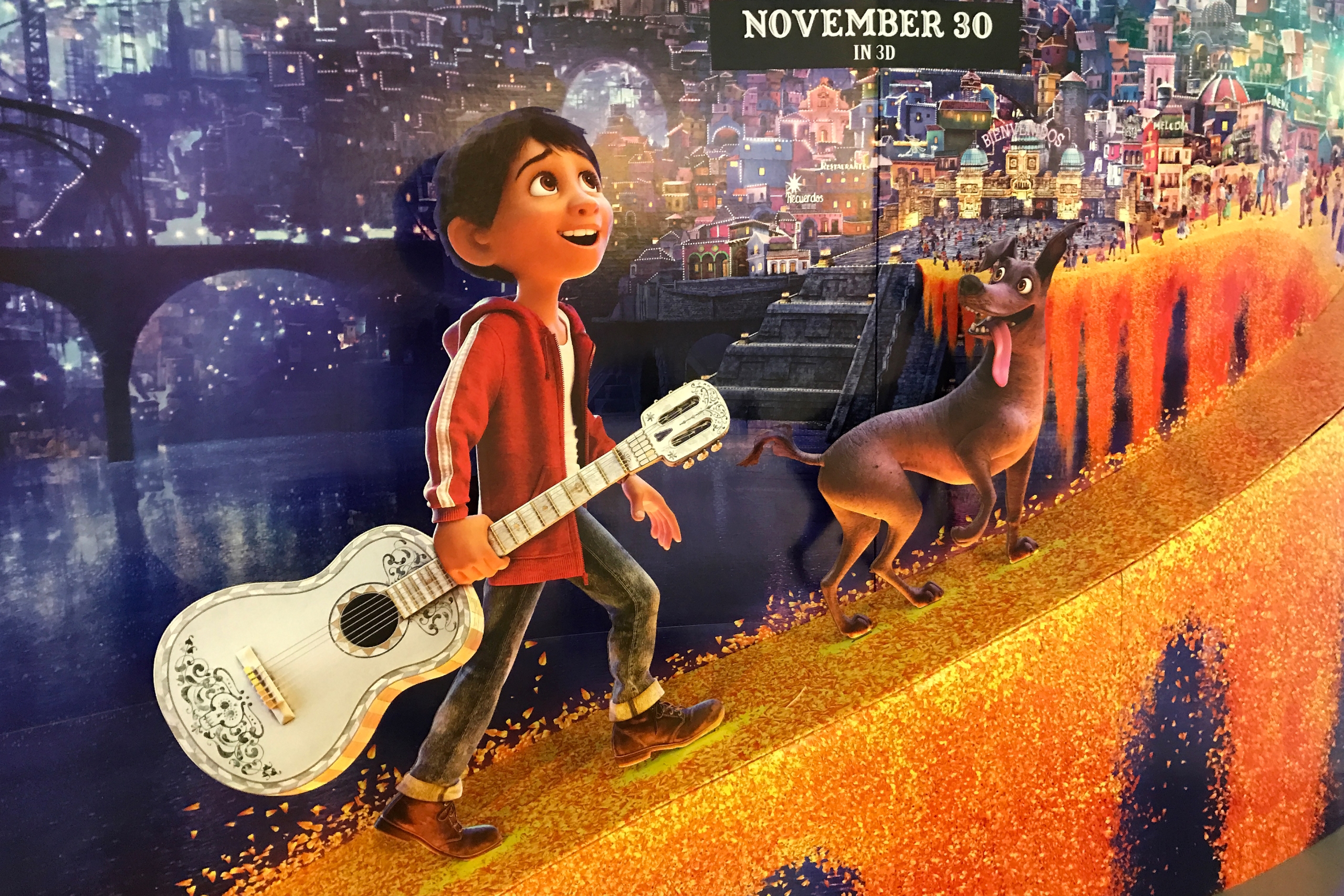
When Coco premiered in 2017, it was more than another animated film from Pixar. It became a cultural lens through which millions of viewers around the world discovered Mexico’s memory, artistry, and its singular relationship with death.
The story follows Miguel, a young boy drawn to music and the legacy of his ancestors, who journeys to the afterlife during the Día de Muertos (Day of the Dead). There he learns that loved ones may return—if they are remembered.
This emotionally resonant, visually striking narrative did more than captivate audiences. It introduced, with notable cultural sensitivity, one of Mexico’s most deeply rooted traditions. Through Coco, global audiences became familiar with altars adorned with photographs, candles, sugar skulls, orange marigolds, and family dishes lovingly prepared for those who came before.
Origins of a Mestizo tradition
To understand the meaning of the Day of the Dead, it is essential to trace its pre-Columbian roots. Several Mesoamerican cultures—among them the Mexica—celebrated rituals dedicated to the departed. Central to their cosmology stood Mictecacihuatl, the “Lady of Death,” guardian of the underworld.
With the arrival of Christianity in the 16th century, these Indigenous rituals intersected with the Catholic observances of All Saints and All Souls. Rather than disappearing, they merged, forming a uniquely Mexican synthesis. The result was not purely Indigenous or European, but mestizo—a cultural creation distinct to the Americas.
In recognition of its complexity and endurance, UNESCO inscribed the Day of the Dead in 2008 as Intangible Cultural Heritage of Humanity.
The altar: A symbolic center
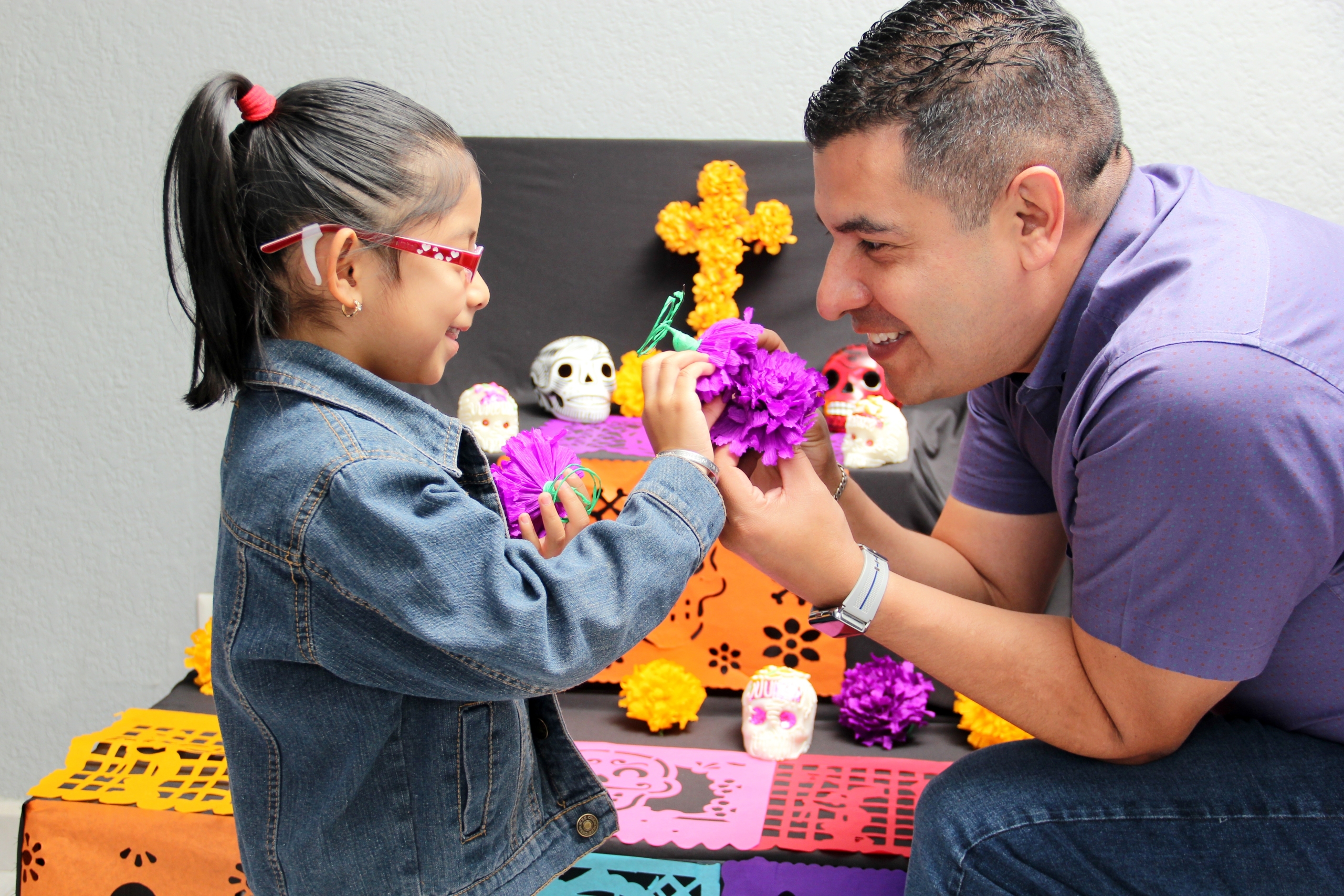
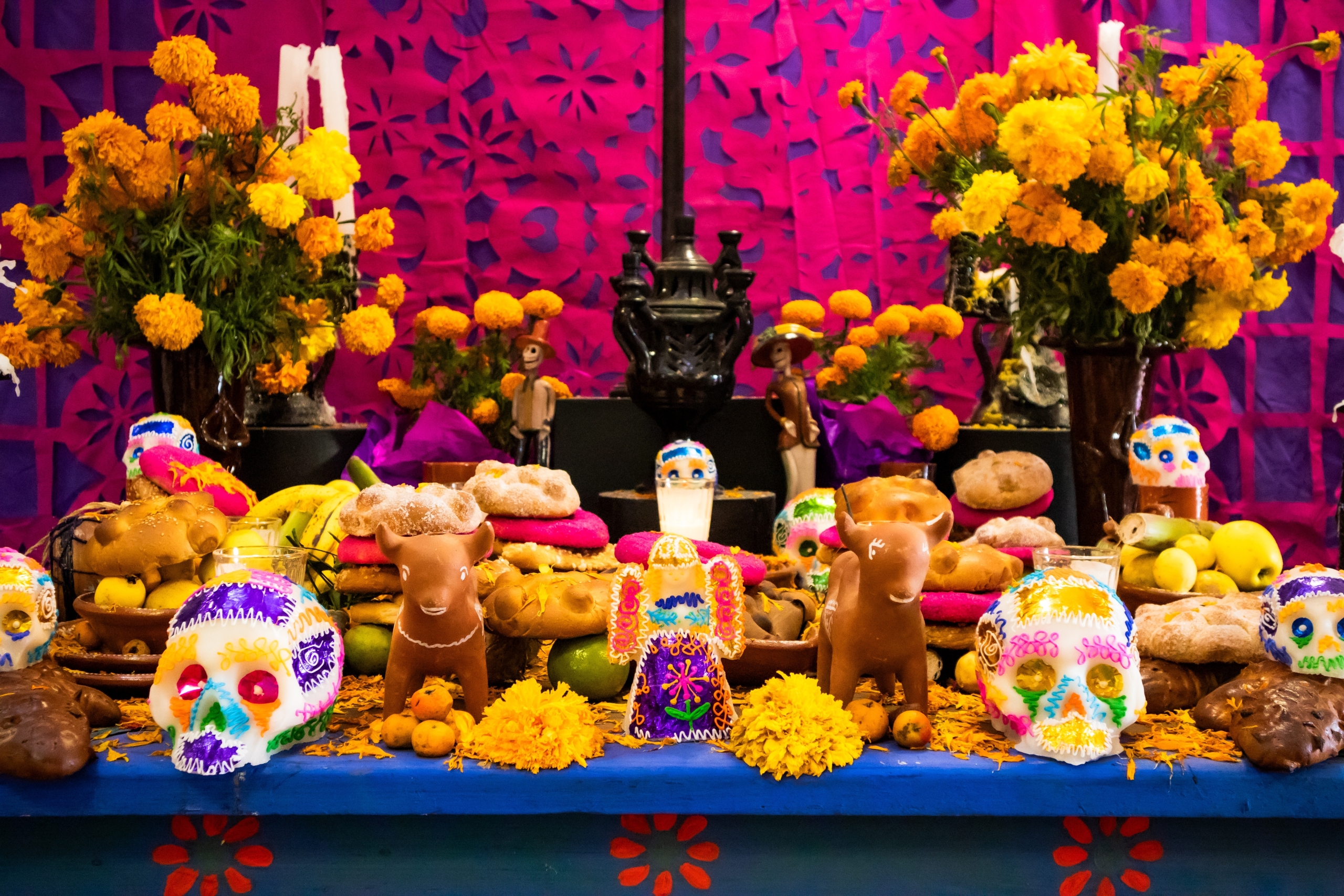
At the heart of the celebration stands the altar, or ofrenda—a domestic and symbolic space where families welcome the souls of their loved ones for a night. Altars typically include portraits, personal belongings, candles, food, and objects representing the four elements: water, air, earth, and fire. Each item carries meaning: the goal is not only to remember the dead but to make them feel recognized and at peace among the living.
Symbols of life and memory
Sugar skulls and humor
Brightly decorated sugar skulls (calaveritas) embody a playful, affectionate attitude toward death. Sometimes inscribed with names—of both the deceased and the living—they reflect a sense of irony rather than fear. Written calaveritas literarias, humorous poems that personify death, are a literary continuation of this perspective.
The marigold path
The orange cempasúchil flower is the most recognizable emblem of the season. Its petals, scattered from the doorway to the altar, are said to guide souls home with their scent and color. In pre-Hispanic rituals, marigolds were already linked with the sun and renewal—a connection that endures today.
Paper that Breathes
Papel picado, finely cut colored paper, brings movement and air to the altar. Its delicate motion symbolizes the invisible presence of spirits. Each hue conveys meaning: purple for mourning, white for purity, red for vitality, and orange for Indigenous conceptions of death.
Light, Copal, and Atmosphere
Candles, representing fire, illuminate the path of return. The aromatic smoke of copal resin, used since pre-Columbian times, purifies the space and connects both worlds through scent. Together they create an atmosphere where time and boundary blur.
Bread of the Dead
The pan de muerto—a sweet bread decorated with crossbones of dough—embodies both offering and communion. Adapted from European traditions of “soul bread,” its citrus aroma and circular form express continuity between life and death. It is shared among the living as a gesture of memory and unity.
Water, Salt, and Personal Objects
Water quenches the thirst of the traveling soul, symbolizing life and renewal. Salt preserves and protects. Personal belongings—tools, toys, garments—recall the individuality of each person honored, transforming memory into tangible presence.
From Mourning to Celebration
Many cultures commemorate the dead—each with distinct nuances. The Celtic Samhain, origin of Halloween, marked a night of wandering spirits. In Japan, Obon honors ancestors with floating lanterns. In China, Qingming focuses on cleaning tombs and quiet offerings. In Europe, All Saints’ Day evokes reflection and prayer.
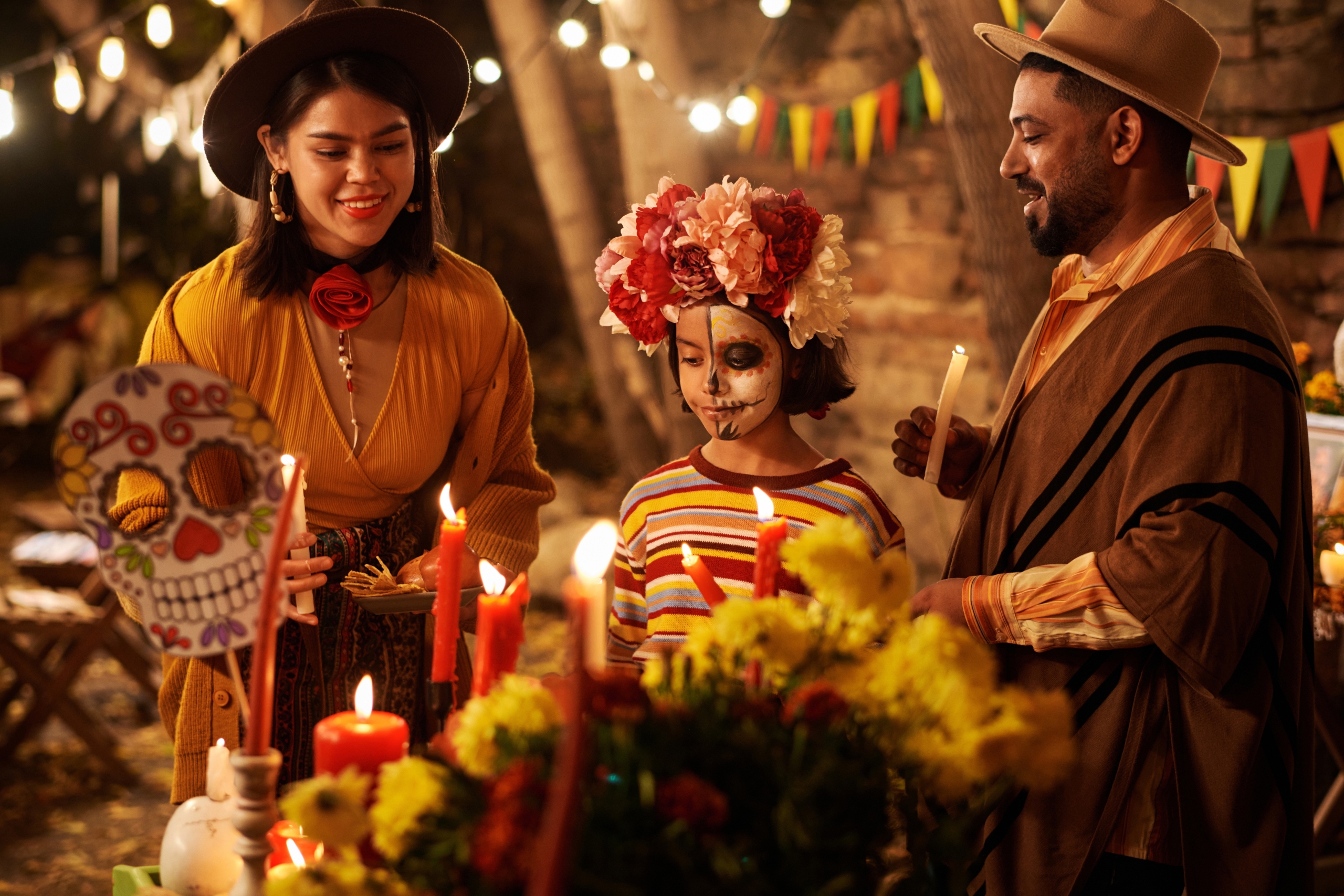
What distinguishes Mexico’s Día de Muertos is its capacity to unite solemnity and joy. Death is neither feared nor denied; it is invited to the table, serenaded, and embraced as part of life. In towns such as Mixquic and Janitzio, families gather in cemeteries through the night, sharing food, music, and remembrance in a vigil that is both festive and profoundly respectful.
In contemporary Mexico, the tradition continues to evolve. Urban parades of catrinas, school altar contests, and cultural festivals reinterpret ancient customs. Across the Mexican diaspora, particularly in the United States, public altars and workshops affirm identity and continuity. Global attention—amplified by Coco—has not diluted the celebration but expanded its dialogue, allowing others to approach it with appreciation rather than appropriation.
A Universal Lesson from Mexico
The Day of the Dead is not merely a date on the calendar—it is a philosophy of coexistence. It teaches that love for the departed does not vanish but transforms into symbol, gesture, and collective memory. Each candle lit, each flower placed, each loaf of bread shared is a reaffirmation that remembrance sustains connection.
As Octavio Paz once observed, “For Mexicans, death is not the end but part of a cycle.” Within that view lies a form of ancient wisdom—one that continues to resonate across altars, cemeteries, and hearts.
And perhaps, as the song from Coco reminds us:
“Recuérdame—though I have to say goodbye, remember me.”
AI Transparency Notice
PilgriMaps uses artificial intelligence tools to assist in the research, drafting and translation of editorial content. All AI-assisted content is reviewed, edited and verified by our editorial team before publication. We contrast information against primary sources, specialist literature and on-the-ground knowledge to ensure accuracy, cultural sensitivity and editorial integrity.
AI is one tool among many in our workflow. The judgement, curation and responsibility for everything published on this platform remain entirely human.
Viator Media S.L. — in compliance with the EU Artificial Intelligence Act (Regulation EU 2024/1689).
This post is also available in: