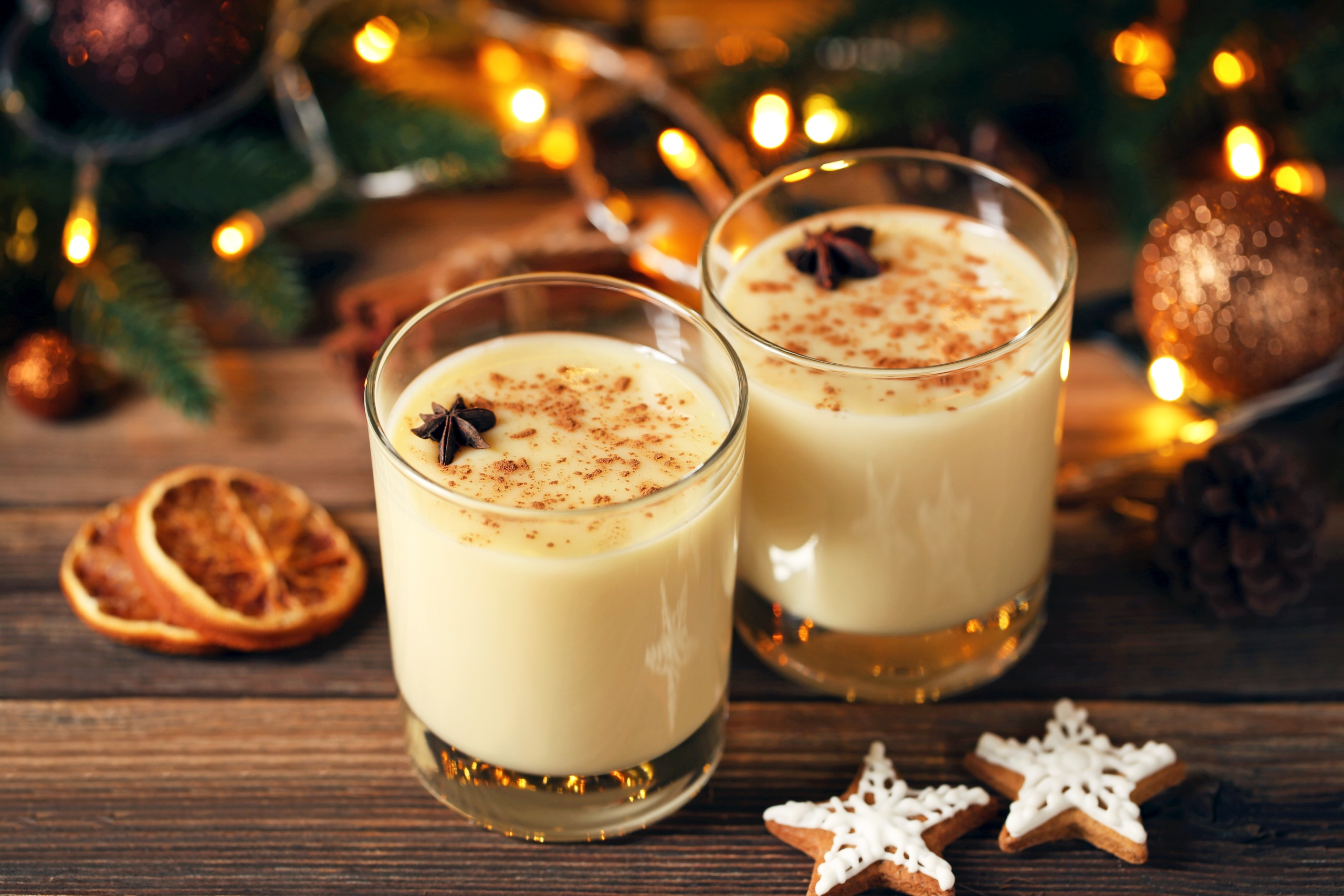
Eggnog, often viewed today as a festive beverage associated with winter gatherings, carries a deeper and more geographically textured history than its modern form suggests. Its lineage traces through monastic kitchens, maritime travel, cold-season rituals, and networks of exchange that parallel several pilgrimage corridors across Europe and the Atlantic world. While the drink operates outside formal religious practice, it intersects with traditions shaped by communal hospitality, seasonal reflection, and the movement of people across landscapes.
Early European antecedents
The most cited precursor to eggnog is posset, a medieval English mixture of hot milk, spices, and wine or ale. Monastic communities across Britain and northern France produced variants during the colder months, drawing on local dairying practices and the symbolic associations of warming drinks during midwinter observances. Although these beverages held no doctrinal significance, they circulated among travelers seeking lodging at abbeys and guesthouses that functioned as nodes within early pilgrimage and trade routes. Seasonal hospitality relied on ingredients easily stored or produced on site—eggs, milk, honey, and ale—resulting in mixtures that would gradually evolve into more refined holiday drinks.
By the early modern period, improved access to sugar and imported spices expanded the drink’s flavor range. Cinnamon, nutmeg, and clove—goods that arrived through Mediterranean and Atlantic trade—transformed simple dairy mixtures into complex seasonal concoctions. These ingredients often followed the same maritime circuits used by pilgrims traveling to Iberian shrines or Mediterranean ports. In this sense, the drink’s evolution mirrors the movement of people and commodities across long-distance routes.
Mobility and adaptation along pilgrimage corridors
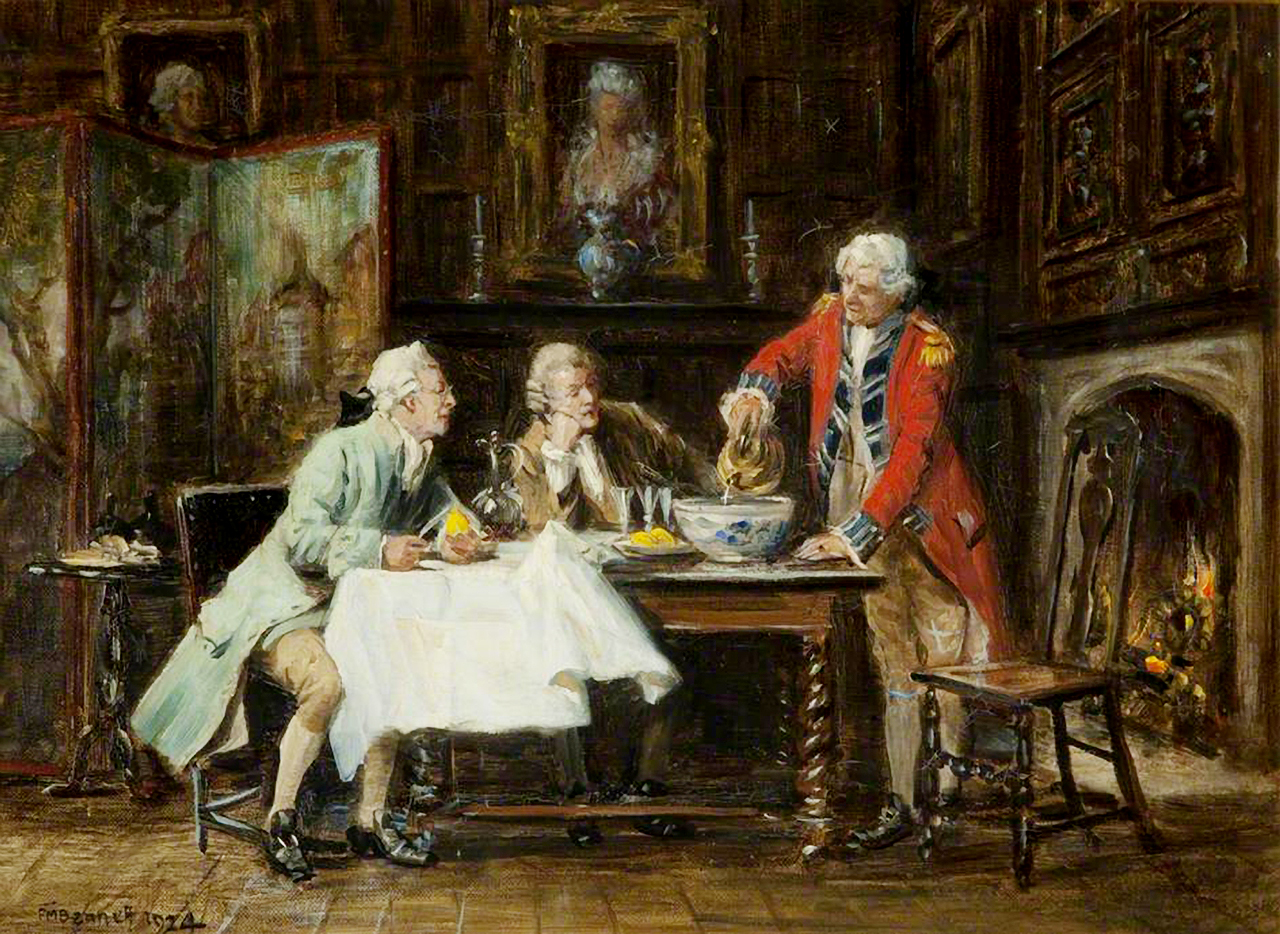
Travelers along the Via Francigena, the Camino networks, and Alpine passes encountered regional winter beverages that shared functional aims with eggnog: warmth, sustenance, and a sense of conviviality. Italian alpine regions developed rich, spiced milk drinks enhanced with local liqueurs, while communities in France crafted custard-like mixtures flavored with honey wine. In German-speaking territories, egg-based punches – served warm in taverns near monastic centers – offered travelers a restorative pause during winter journeys.
These drinks were not framed as sacred objects but as elements of seasonal hospitality that complemented the broader cultural environment in which pilgrimage occurred. Pilgrims often traveled in winter months when routes were quieter and accommodations more accessible, making warm dairy drinks a practical and memorable part of the journey.
Atlantic crossings and New-World transformations
Eggnog acquired its modern profile through transatlantic encounters. European settlers transported their milk-and-egg traditions to North America, where abundant dairy farms, rum-importing ports, and long winters shaped the drink’s character. Rum replaced the wine and ale of earlier recipes, creating a stronger and more aromatic mixture. This adaptation emerged in port cities such as Philadelphia, Boston, and Annapolis—communities deeply connected to maritime travel routes that also ferried missionaries, scholars, and explorers.
In regions with distinct cultural identities, the drink diverged again. Puerto Rico developed coquito, a coconut-based variant that combines condensed milk, spices, and local spirits. Though structurally different from old-world posset, it preserves the theme of a rich, communal winter beverage adapted to local ecology. Throughout the Caribbean, similar drinks incorporate nutmeg, allspice, or cocoa, reflecting the region’s agricultural diversity and the cultural exchanges that accompanied commerce and travel.
Scandinavian and Alpine cousins
Northern Europe maintains a set of beverages that parallel eggnog without directly descending from it. Swedish äggröra and Danish egg punches reflect a long tradition of warm, spiced drinks consumed during winter solstice gatherings. In alpine Switzerland and Austria, families prepare thick custard-like mixtures paired with herbal liqueurs, often served around the same period when mountain communities mark the turning of the year with lantern walks, processions, and local observances. These gatherings, while secular in many modern contexts, draw from older rituals linked with transitions in seasonal time—an idea that aligns with the reflective mood often associated with winter pilgrimage.

Symbolism of warmth, transition, and hospitality
Eggnog and its related beverages persist not because of strict ritual significance but because they represent a nexus of domestic warmth and seasonal continuity. Their ingredients—milk, eggs, sugar, and spices—signal abundance during a time of year historically associated with scarcity. Many pilgrimage traditions similarly revolve around thresholds: crossing from one season to another, leaving home for distant landscapes, or engaging in periods of introspection that coincide with winter observances.
Guesthouses along historic routes frequently emphasized hospitality through food and drink, and warm dairy mixtures appear repeatedly in accounts of winter travel. While modern eggnog is rarely tied directly to pilgrimage, its cultural meaning intersects with the broader experience of travelers who found comfort in shared tables, festive environments, and the reassuring presence of seasonal flavors.
Contemporary resonance across regions
Today, eggnog appears in markets and cafés across Europe, North America, and parts of Latin America, with each region presenting its own variant. Some communities prepare non-alcoholic versions flavored with citrus or cardamom, while others produce aged mixtures that mature over several weeks. In Mediterranean contexts, where dairy-rich drinks are less common, winter hospitality favors almond-based syrups, spiced teas, or citrus infusions—yet international culinary exchange has introduced eggnog to seasonal menus in urban centers.
Over time, the beverage has become a seasonal emblem that accompanies both homebound gatherings and winter travel. Its role in cultural memory mirrors the way stories, songs, and small domestic rituals accompany travelers on well-worn routes. Whether served in an alpine village, a Caribbean kitchen, or a northern port city, eggnog reflects a pattern found throughout global winter traditions: the creation of warmth at the coldest point in the year, shaped by centuries of movement, exchange, and adaptation.
A seasonal companion to the journey
Though not a pilgrimage drink in any formal sense, eggnog occupies a place within the larger constellation of wintertime customs that have historically accompanied travelers. Its shifting recipes chart the movement of ingredients across trade corridors and the evolution of seasonal hospitality in regions touched by pilgrimage routes. In this way, eggnog serves as a lens through which to view centuries of cultural mobility – an enduring reminder that even the simplest seasonal drink can carry the history of landscapes, routes, and the communities that sustained them.
AI Transparency Notice
PilgriMaps uses artificial intelligence tools to assist in the research, drafting and translation of editorial content. All AI-assisted content is reviewed, edited and verified by our editorial team before publication. We contrast information against primary sources, specialist literature and on-the-ground knowledge to ensure accuracy, cultural sensitivity and editorial integrity.
AI is one tool among many in our workflow. The judgement, curation and responsibility for everything published on this platform remain entirely human.
Viator Media S.L. — in compliance with the EU Artificial Intelligence Act (Regulation EU 2024/1689).
This post is also available in: